Ch. 5.4: Proteins - Biology
 Call Kai
 Learn
 Practice Test
 Spaced Repetition
 Match
 Flashcards
 Knowt Play
1/16

There's no tags or description
Looks like no tags are added yet.
17 Terms
fatty acid
carboxylic acid with a long carbon chain.
vary in length and in the number and location of double bonds
monomer
The subunit that serves as the building block of a polymer
secondary structure
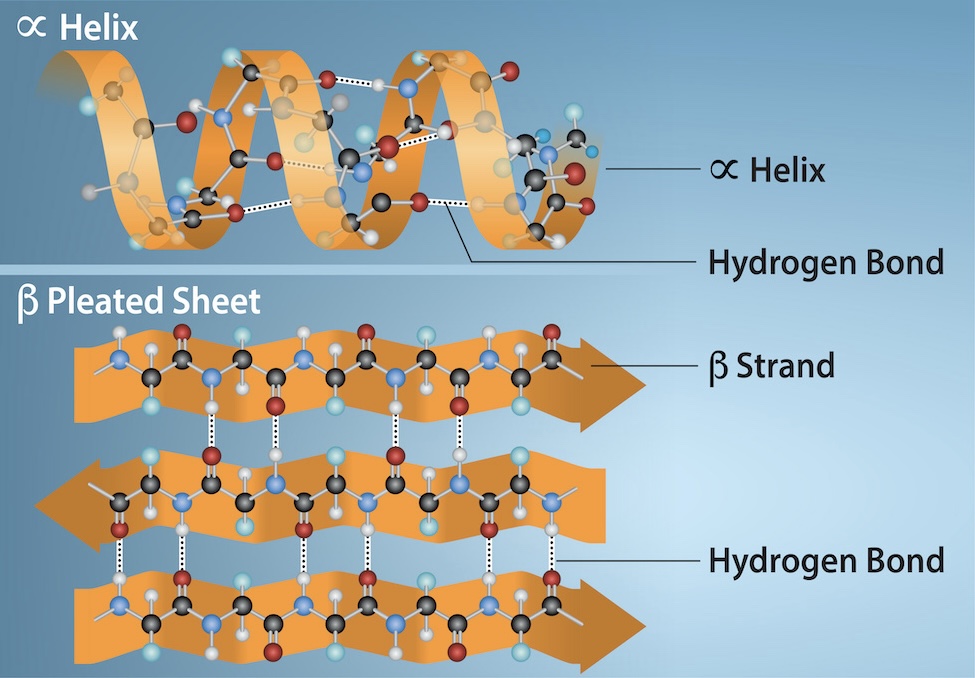
Regions of repetitive coiling or folding of the polypeptide backbone of a protein due to hydrogen bonding between constituents of the backbone (not the side chains)
X-ray crystallography
A technique used to study the three-dimensional structure of molecules. It depends on the diffraction of an X-ray beam by the individual atoms of a crystallized molecule.
primary structure
The level of protein structure referring to the specific linear sequence of amino acids.
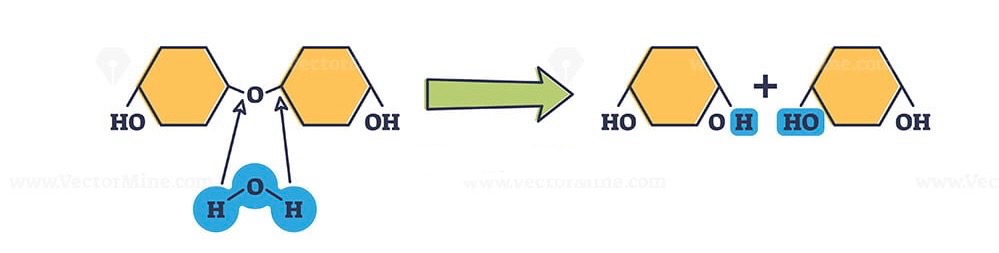
hydrolysis
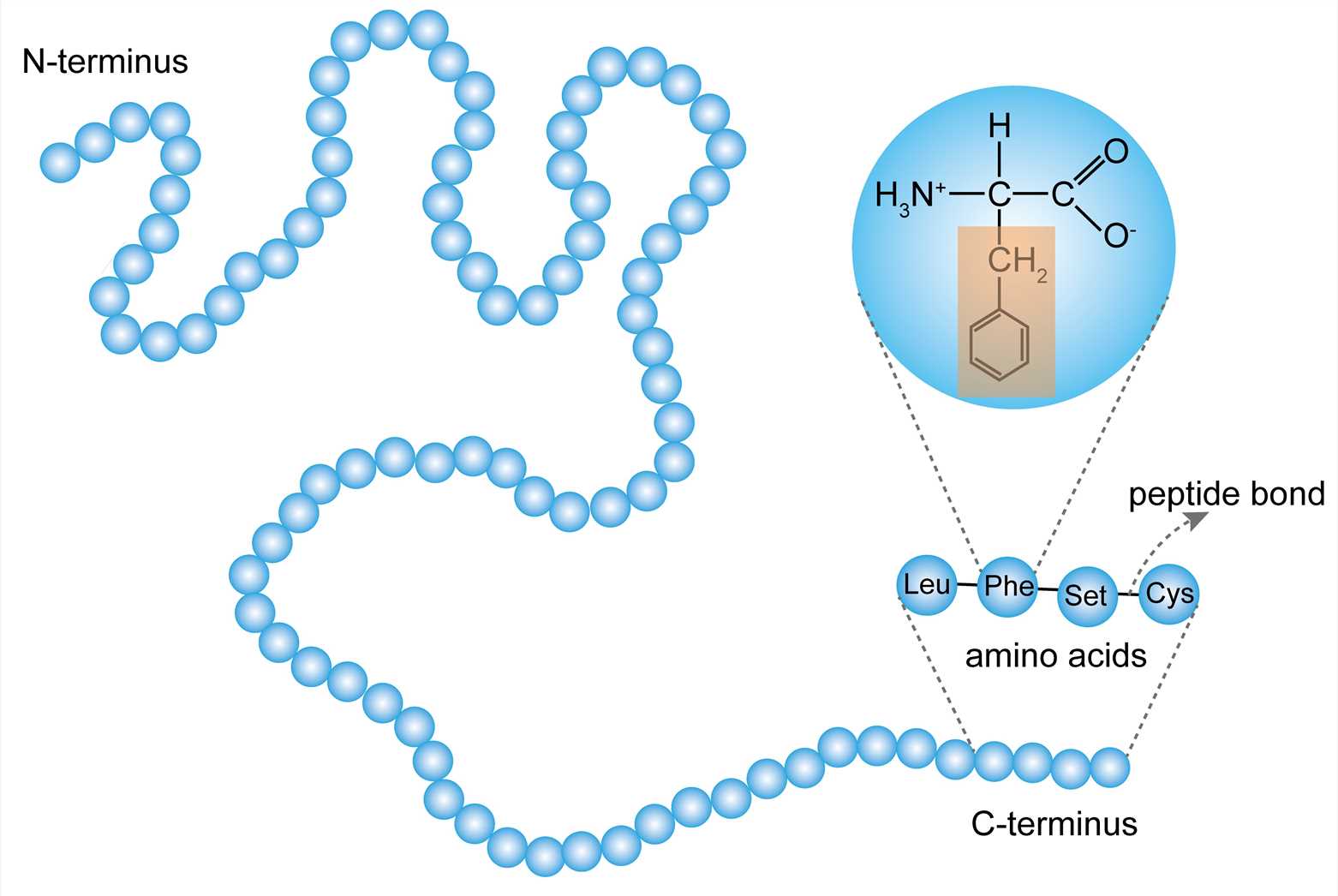
A chemical reaction that breaks bonds between two molecules by the addition of water; functions in disassembly of polymers to monomers.
tertiary structure
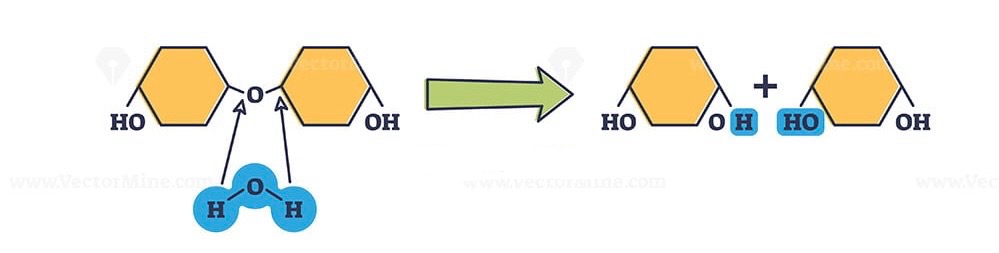
The overall shape of a protein molecule due to interactions of amino acid side chains, including hydrophobic interactions, ionic bonds, hydrogen bonds, and disulfide bridges.
peptide bond
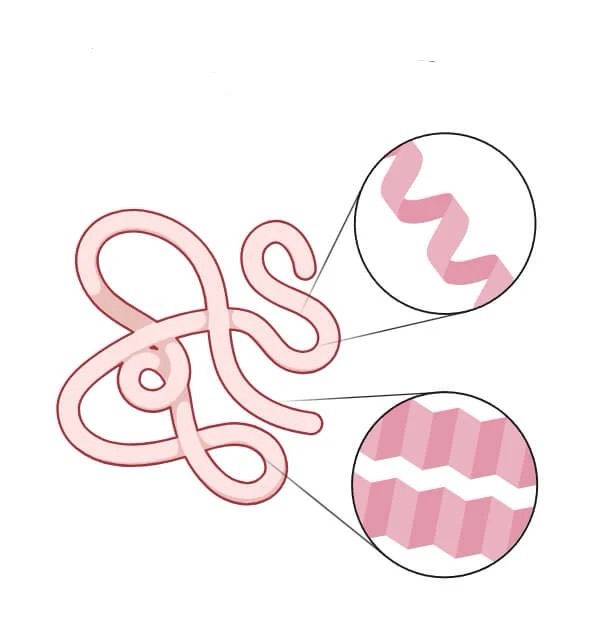
The covalent bond between the carboxyl group on one amino acid and the amino group on another, formed by a dehydration reaction
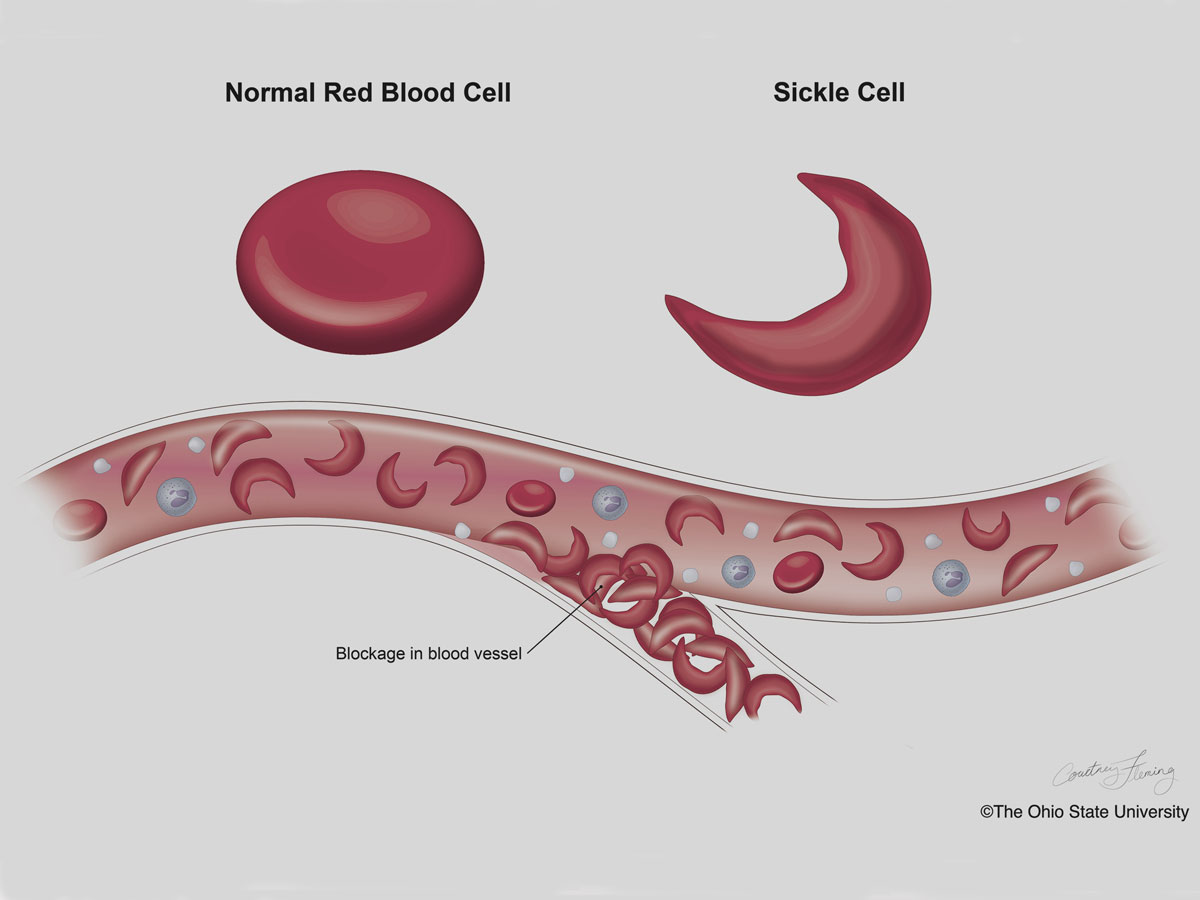
sickle cell disease
single nucleotide change in the a-globin gene causes hemoglobin to aggregate, changing red blood cell shape and causing multiple symptoms in afflicted individuals.
polypeptide
A polymer of many amino acids linked together by peptide bonds
quaternary structure
The particular shape of a complex, aggregate protein, defined by the characteristic three-dimensional arrangement of its constituent subunits, each a polypeptide.

polymer
A long molecule consisting of many similar or identical monomers linked together by covalent bonds.
catalyst
A chemical agent that selectively increases the rate of a reaction without being consumed by the reaction
alpha helix
A coiled region constituting one form of the secondary structure of proteins, arising from a specific pattern of hydrogen bonding between atoms of the polypeptide backbone (not the side chains).
beta pleated sheet
One form of the secondary structure of proteins in which the polypeptide chain folds back and forth. Two regions of the chain lie parallel to each other and are held together by hydrogen bonds between atoms of the polypeptide backbone (not the side chains).
dehydration reaction
A chemical reaction in which two molecules become covalently bonded to each other with the removal of a water molecule
denaturation
In proteins, a process in which a protein loses its native shape due to the disruption of weak chemical bonds and interactions, thereby becoming biologically inactive