Chapter 1 science
 Call Kai
 Learn
Learn Practice Test
 Spaced Repetition
 Match
Match Flashcards
 Knowt Play
1/42

Earn XP
Description and Tags
Introduction to Science
Name | Mastery | Learn | Test | Matching | Spaced | Call with Kai | Chat |
|---|
No analytics yet
Send a link to your students to track their progress
43 Terms
What is Science?
The study of the natural phenomena in the world.
How do you obtain evidence?
Observe natural phenomena / conduct experiments.
What is qualitative data?
A type of data that is descriptive and involves the use of our 5 senses
What is quantitative data?
A type of data that involves the use of scientific instruments, our 5 senses and numerical data.
What do you do once data is collected?
analyse for patterns and trends
make conclusions and inferences
What is a hypothesis?
A proposed explanation for an observation / natural phenomena / solution to a problem.
What is an independent variable?
a variable to change ( changed variable )
What is a dependent variable?
A variable that is measured ( measured variable )
Why should only 1 variable be changed?
It helps determine if any changes to dependent variable is directly caused by independent variable.
Why must all other variables be kept constant?
If not kept constant, these variables may affect the dependent variable so it cannot be concluded fairly that the independent variable affects the dependent variable.
What is the S.I. unit for volume, mass, time, length and temperature?
cubic metre, kg, seconds, metre and k ( kelvin )

Describe a boiling tube.
glassware used to contain chemicals for heating
transparent body allows for easy observation

Describe a test tube.
glassware commonly used to hold chemicals
curved base allows for even heating and reduce the amount of chemicals left behind after pouring them out.
transparent body allows for easy observation

Describe a conical flask.
glassware with flat bottom and a conical body that tapers upwards to a short vertical neck
narrow mouth allows a stopper / filter funnel to fit into it
conical body allows for easy mixing of liquids without spillage

describe an evaporating dish.
small porcelain container with a spout
commonly used to evaporate a liquid

Describe a retort stand.
has a clamp that holds other apparatus ( e.g. test tube )

Describe a tripod stand.
usually used with a wire gauze on it
supports apparatus that is being heated up by a bunsen burner

What is the scientific drawing for a beaker?
`l_l

What is accuracy?
The degree of agreement/closeness between a measured value and the true value of the quantity being measured.
What is precision?
The degree of closeness between measured values obtained by repeated measurements.
How can accuracy be improved?
taking the average of multiple measurements of the same quantity being measured
ensuring that the scientific instrument is free from zero error
ensuring that there is no parallax error when taking the measurements
How can precision be improved?
pay close attention to procedures
use apparatus properly
increasing the number of repeated measurements taken
Examples of consistent/systematic errors.
zero error and parallax error.
Examples of unpredictable/random errors.
errors caused by the natural environment ( e.g. presence of wind and fluctuating surrounding temperatures )
human reaction time (e.g. when using stop watch )
What is parallax error?
Error in measurement when the marking on the instrument is viewed from the wrong angle
How can parallax error be eliminated?
Ensure line of sight is perpendicular to the marking on the scale of instrument / at the bottom of the meniscus of the liquid ( when taking volume measurements )
What is zero error?
When the instrument gives a non-zero reading when the measured quantity should be zero.
How do we eliminate zero error?
replace the instrument with one without zero error
press the tare button ( if it is a digital instrument )
What is a positive zero error?
When all measurements are larger than the true value
What is a negative zero error?
When all measurements are smaller than the true value.
What is the importance of following safety rules when conducting experiments in the science lab?
To ensure the safety of others and yourself.

what is this hazard symbol’s name? Suggest some safety precautions.
Corrosive. ( may cause damage to body parts in contact ) wear gloves and eye protection when using the chemical.

what is this hazard symbol’s name? Suggest some safety precautions.
Oxidising. ( releases oxygen easily and aids burning ) Keep away from open flames.
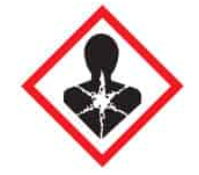
what is this hazard symbol’s name? Suggest some safety precautions.
Carcinogenicity. ( may cause cancer/damage to organs over time ) wear appropriate protective clothing to prevent body parts from coming into contact with the chemical.

what is this hazard symbol’s name? Suggest some safety precautions.
Flammable ( catches fire easily ) keep away from open flame and flammable sources

what is this hazard symbol’s name? Suggest some safety precautions.
acute toxicity ( causes toxic/harmful effects to the body when breathed in, swallowed or in contact with the skin ) wear gloves and eye protection.
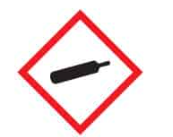
what is this hazard symbol’s name? Suggest some safety precautions.
gas under pressure. ( may explode when heated or cause breathing difficulties when leaked in an enclosed space ) Avoid tampering with or damaging the cylinder that contains the chemical.

what is this hazard symbol’s name? Suggest some safety precautions.
irritant/harmful ( causes irritation to the body ) wear appropriate protective clothing to prevent body parts from coming into contact with the chemicals.

what is this hazard symbol’s name? Suggest some safety precautions.
explosive ( explodes easily when heated ) avoid tampering with or damaging the container that contains the chemical.
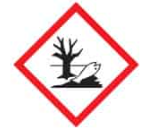
what is this hazard symbol’s name? Suggest some safety precautions.
environment toxicity ( causes harm to aquatic life ) replace the chemical with another chemical that does not harm aquatic life. dispose of the chemical responsibly.

Label the parts of the bunsen burner.
rubber tubing, barrel, collar, air hole, base, gas tap

Describe a luminous flame.
orange / yellow
unsteady flame
easily visible
hot
produces soot ( unburnt carbon )
air-hole closed
Describe a non-luminous flame
pale / light blue
steady fame
not easily visible
very hot
air-hole open
does not produce soot