Case 1: Ethel MacConkey - Surgical Site Infections
 Call Kai
 Learn
Learn Practice Test
 Spaced Repetition
 Match
Match Flashcards
 Knowt Play
1/46

There's no tags or description
Looks like no tags are added yet.
Name | Mastery | Learn | Test | Matching | Spaced | Call with Kai | Chat |
|---|
No analytics yet
Send a link to your students to track their progress
47 Terms
Thermoregulation: Mechanism
Temperature Sensors
Central: In CNS (blood temp)
Peripheral: In skin
Hypothalamus: Control Centre
Integrate central + peripheral temp info → Maintain at 36.5-37.5ºC
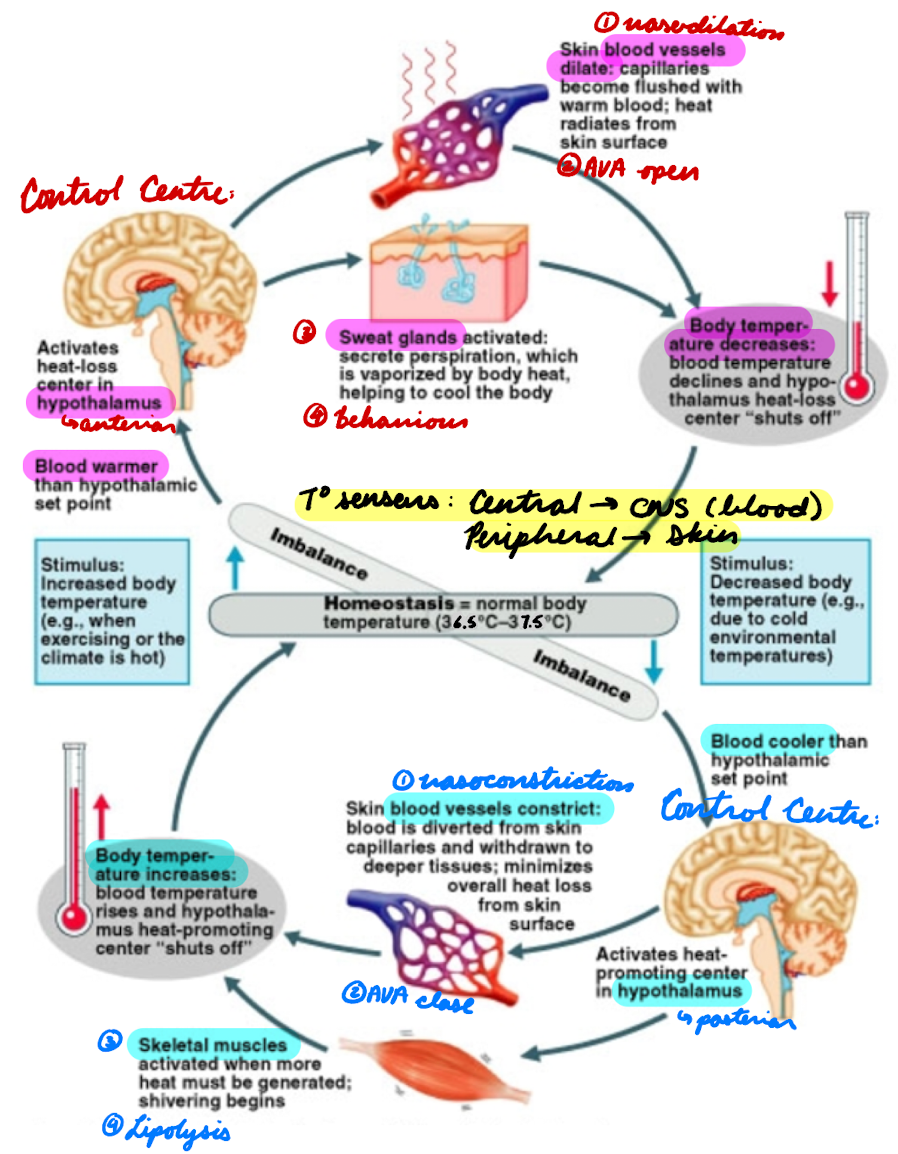
Thermoregulation: Hypothalamus
Anterior: Hot = Heat dissipation
SNS activation = Increase ACh = Vasodilation
Sweating
Behavioural changes (remove clothes, find shade)
Arteriovenous anastomoses (AVAs) open
Blood flow through = Increase SA = Increase heat loss
Posterior: Cold = Heat conservation
SNS activation = Increase norepinephrine = Vasoconstriction
Increase muscle activity
Involuntary: Shivering
Voluntary: Walking/moving
Lipolysis in brown adipose tissue = Produce heat (not ATP)
AVAs close
Blood blocked = Decrease SA = Decrease heat loss
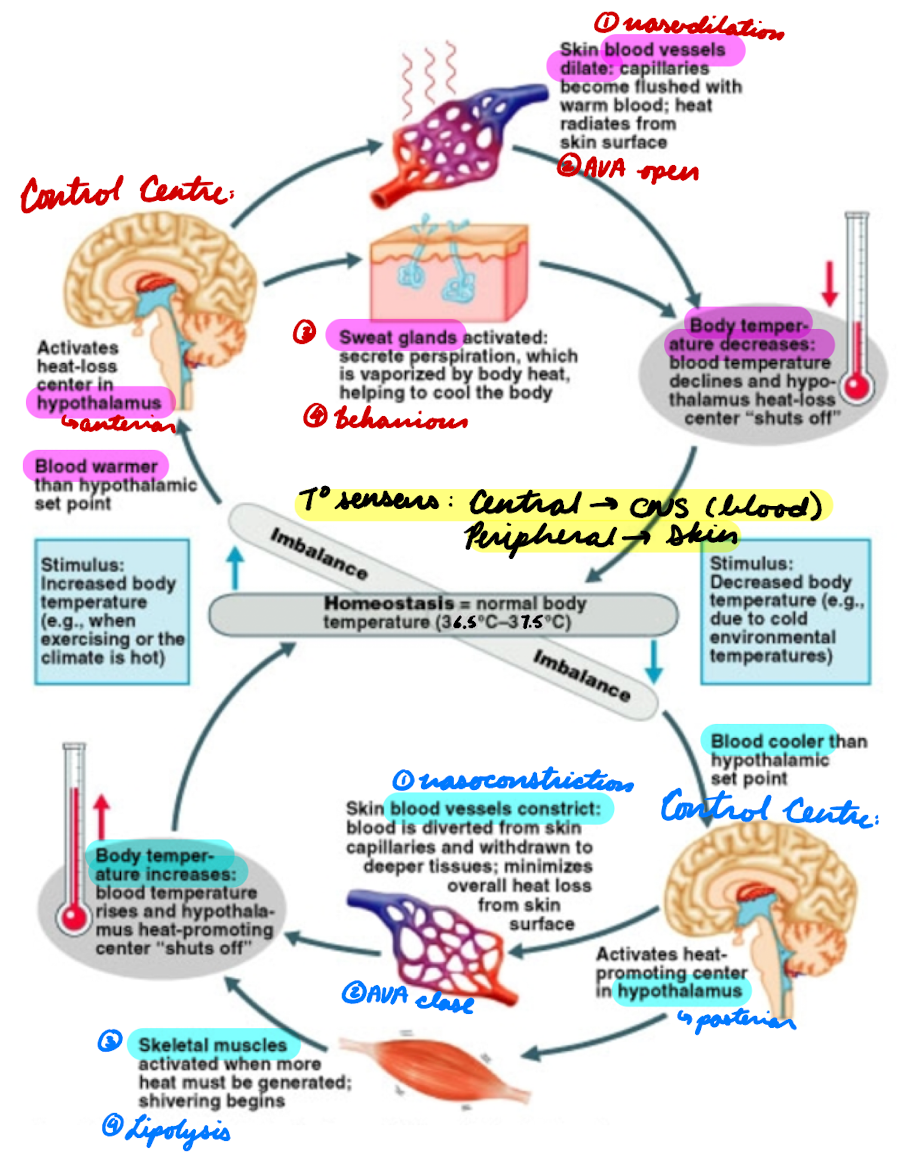
Febrile Response
> 38ºC
Inflammation/infection = Release pyrogens (cytokines)
Increase hypothalamic thermoregulatory centre set point = Increase body temp
Increase immune system activity + decrease pathogen growth
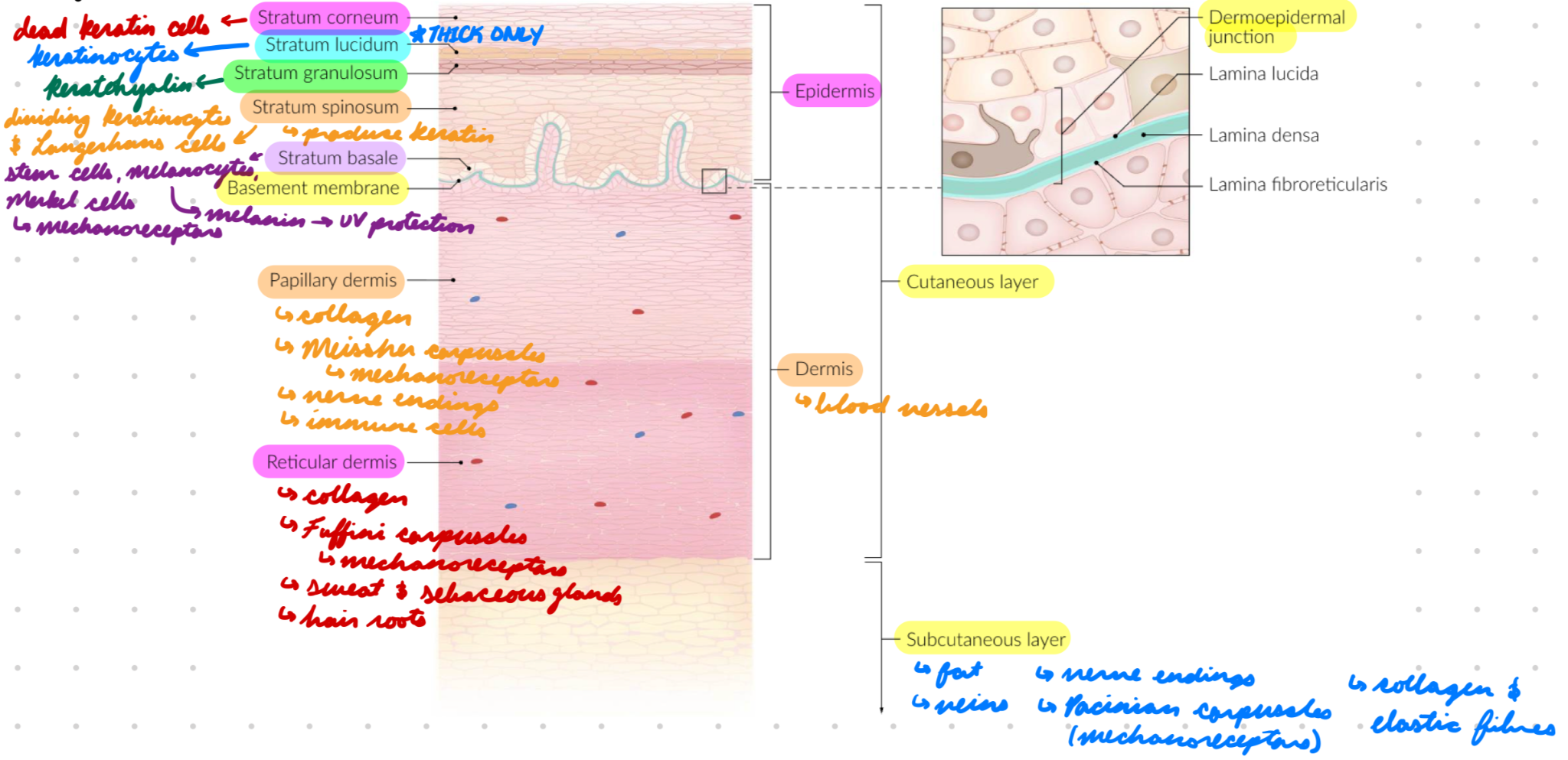
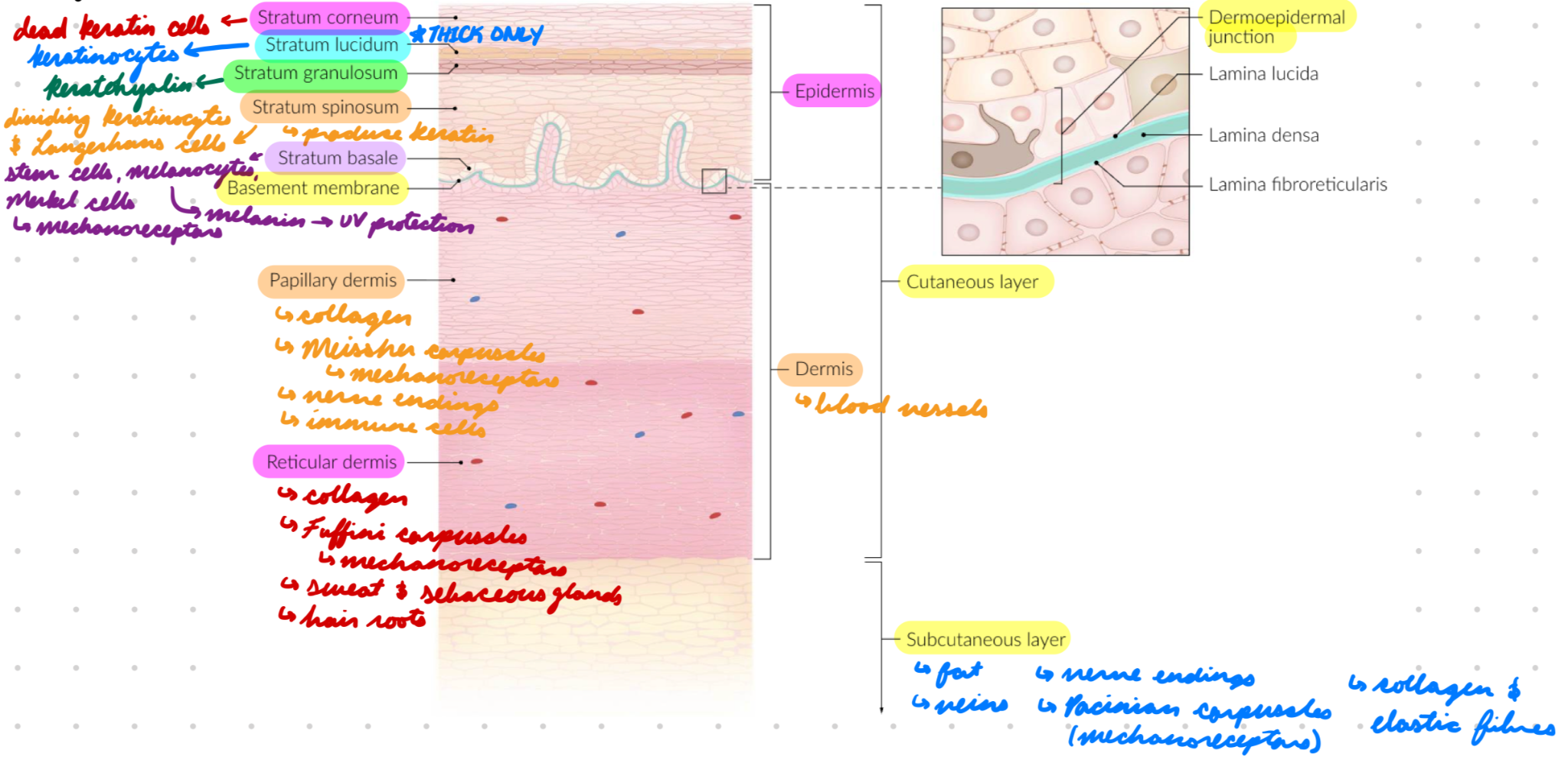
Skin: Anatomy
2 layers
Cutaneous: Superficial
Subcutaneous: Deep
Skin: Cutaneous
Epidermis + dermis
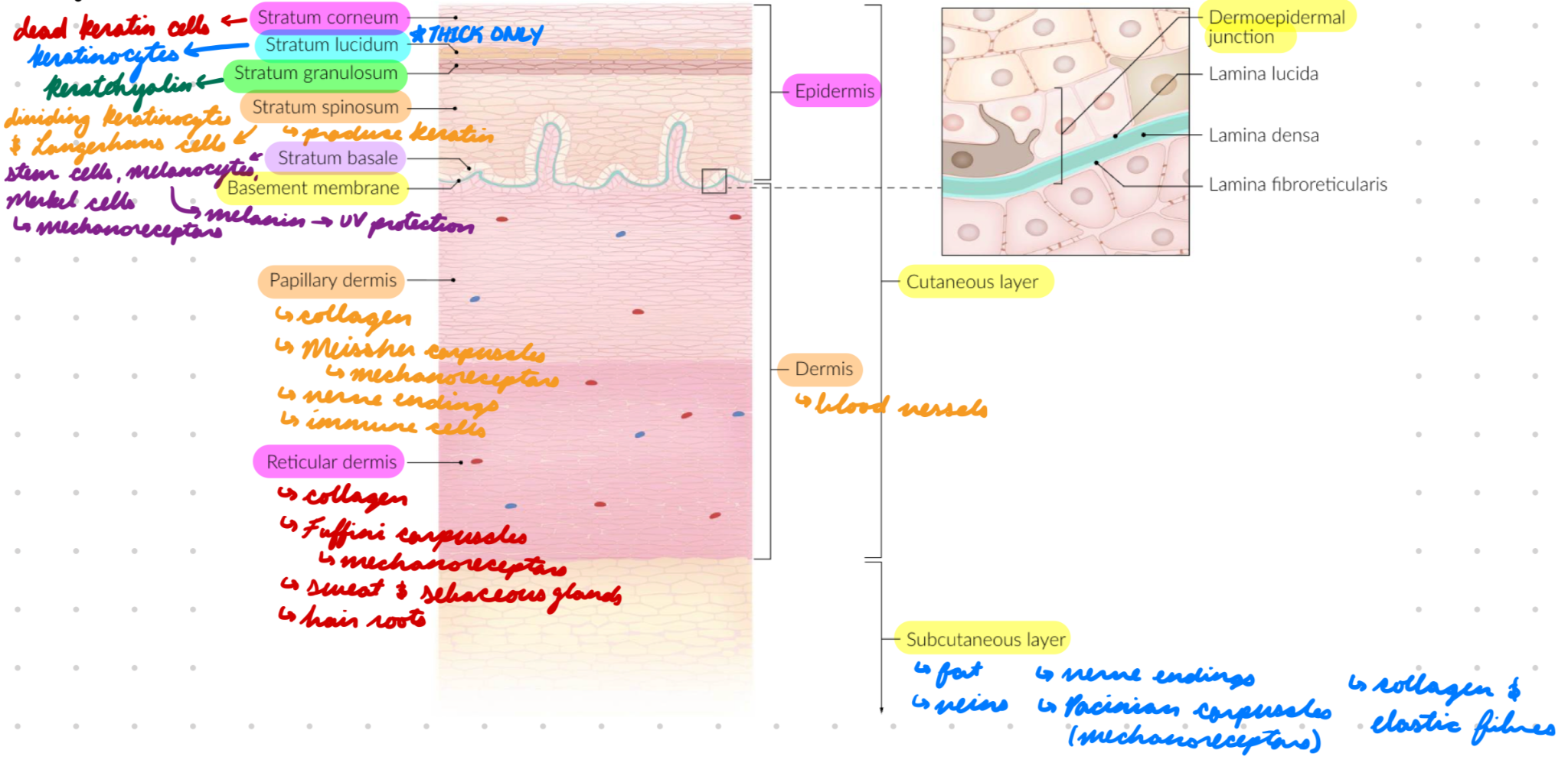
Cutaneous Skin: Epidermis
Nonvascularized
5 layers
Stratum corneum: Outermost
Dead keratin-filled cells
Stratum lucidum
Only in thick skin
Keratinocytes
Stratum granulosum
Keratohyalin
Waterproof
Stratum spinosum
Dividing keratinocytes
Produce keratin
Langerhans cells
Stratum basale: Innermost
Stem cells
Migrate up + differentiate
Melanocytes
Merkel cells
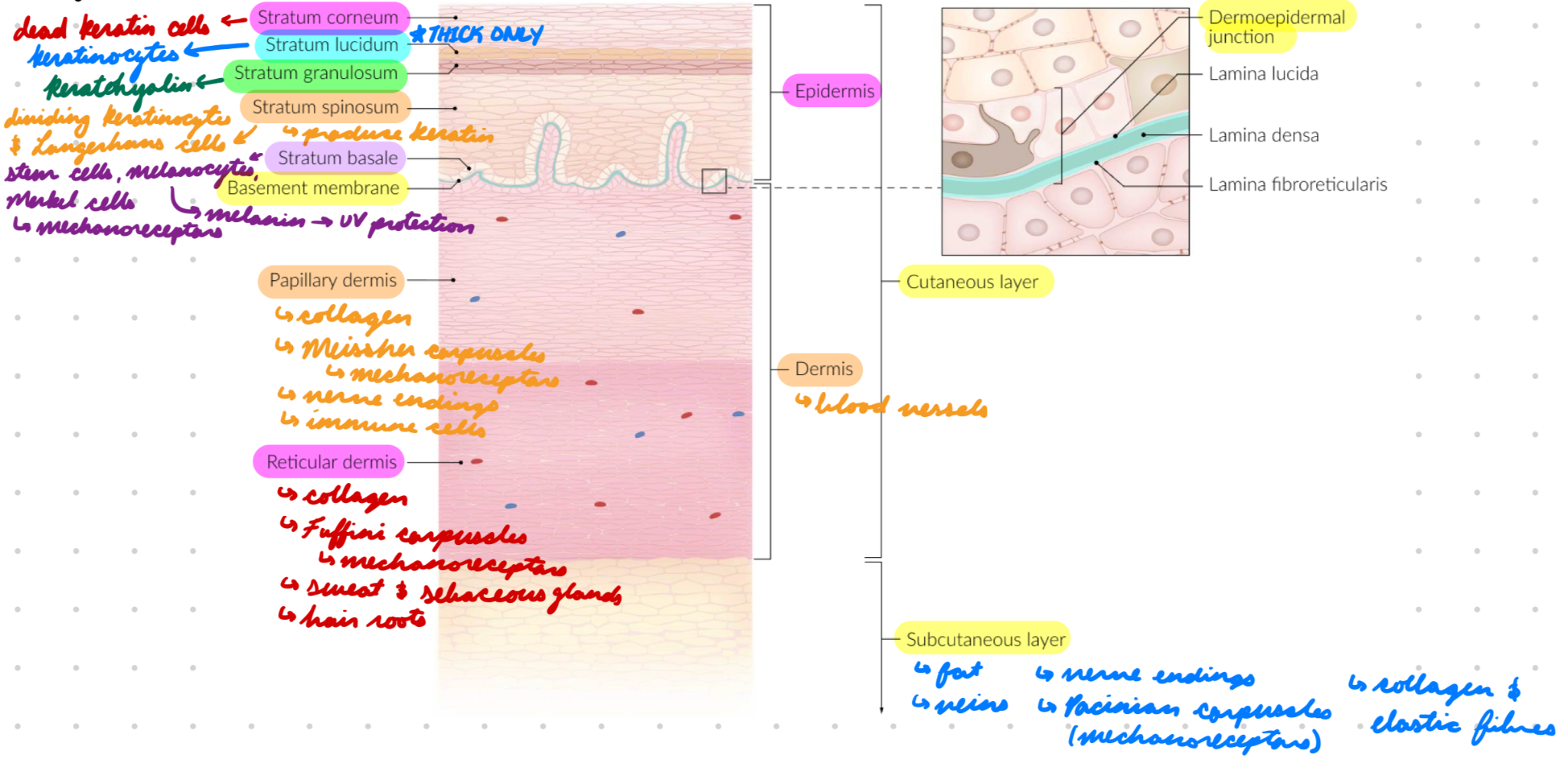
Cutaneous Skin: Dermis
Contain blood vessels
For structural integrity
2 layers:
Papillary Dermis
Contain…
Loose collagen fibres
Meissner corpuscles
Mechanoreceptors for fine-touch
Free nerve endings
Immune cells
Supply nutrients to epidermis
Reticular Dermis
Contain…
Dense collagen fibres
Fuffini corpuscles
Mechanoreceptors for pressure
Sweat + sebaceous glands
Hair roots
Skin: Subcutaneous
Contain…
Fat: Protect from cold + trauma
Superficial veins
Free nerve endings
Pacinian corpuscles
Mechanoreceptors for vibration + pressure
Skin Cells: Keratinocytes
Barrier against pathogens + environment
Store melanin → Melanocytes
Protect against UV
Produce proinflammatory mediators
Wound healing
Keratinocyte Dysfunction
Desquamation + Intercellular Junction Loss:
Acne
Blistering (pemphigus vulgaris, staphylococcal scalded skin syndrome)
Apoptosis: Sunburn
Increased Proliferation: Psoriasis
Skin Cells: Melanocytes
Synthesize + store melanin
Dendritic processes transfer between keratinocytes
Stimulated by MSH, ACTH, UV
Skin Cells: Langerhans Cells
Macrophage (APC)
Skin Cells: Merkel Cells
In highly innervated areas
Fingertips
Mechanoreceptors for deep static touch (shapes, edges)
Skin: Physiology
Physical Barrier: Protect against environment
Chemical Barrier:
Acid mantle prevent pathogen growth
Sweat + sebaceous glands
Cellular Barrier: Melanin = Protect against UV
Thermoregulation
Sensation
Vit D synthesis

Wound Healing
4 phases
Exudative
Resorptive
Proliferative
Maturation
Wound Healing: Exudative Phase
Day 1
Platelet aggregation = Form clot → Scab
Ruptured cells + platelets = Prostaglandins + thromboxane release = Local vasoconstriction + increase vessel permeability

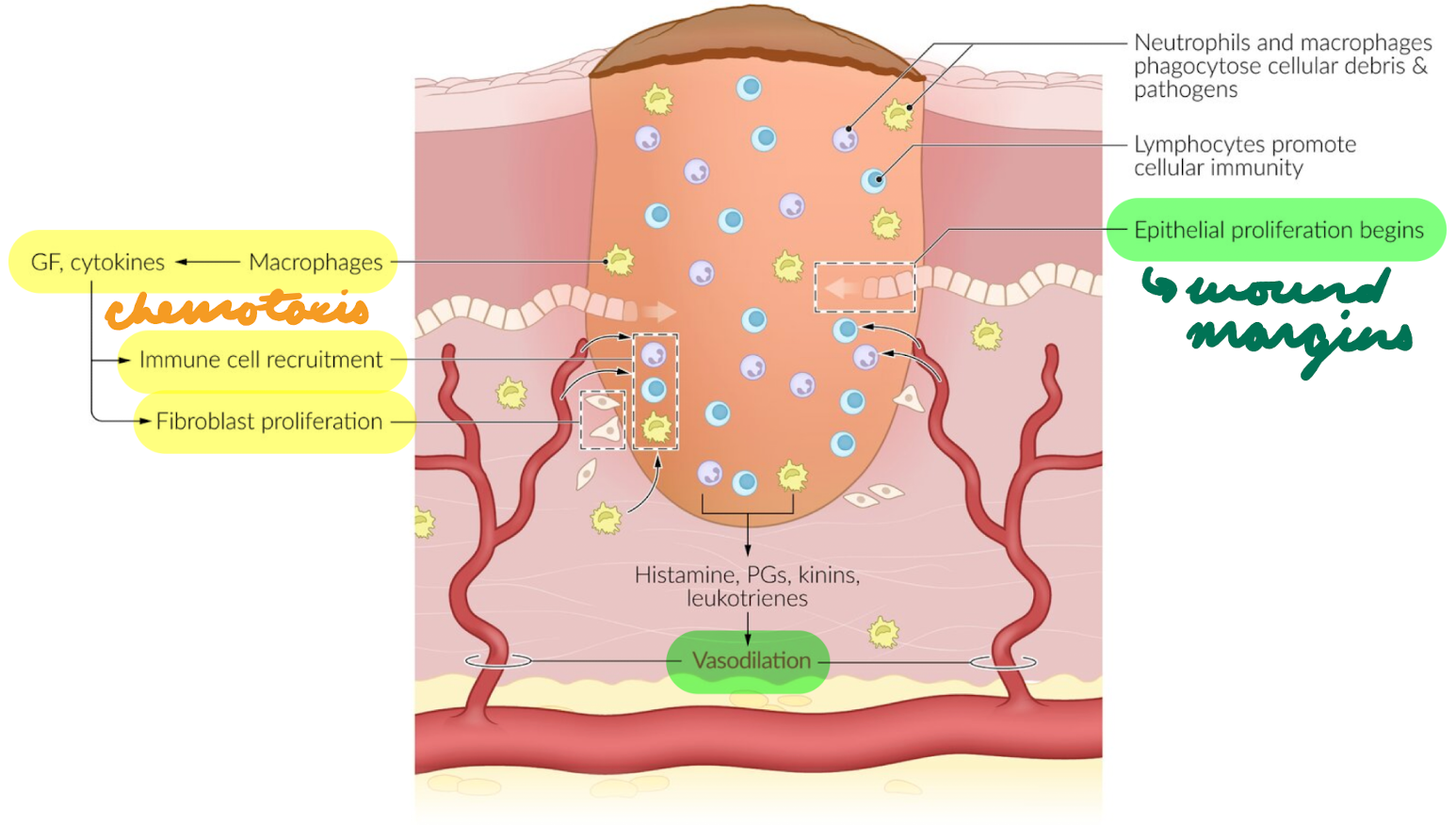
Wound Healing: Resorptive Phase
Day 1-3
Chemotaxis = Recruit inflammatory cells
Macrophages release growth factors + cytokines = Recruit more cells + stimulate fibroblast proliferation + resorb debris
Vasodilation
Wound margins proliferate
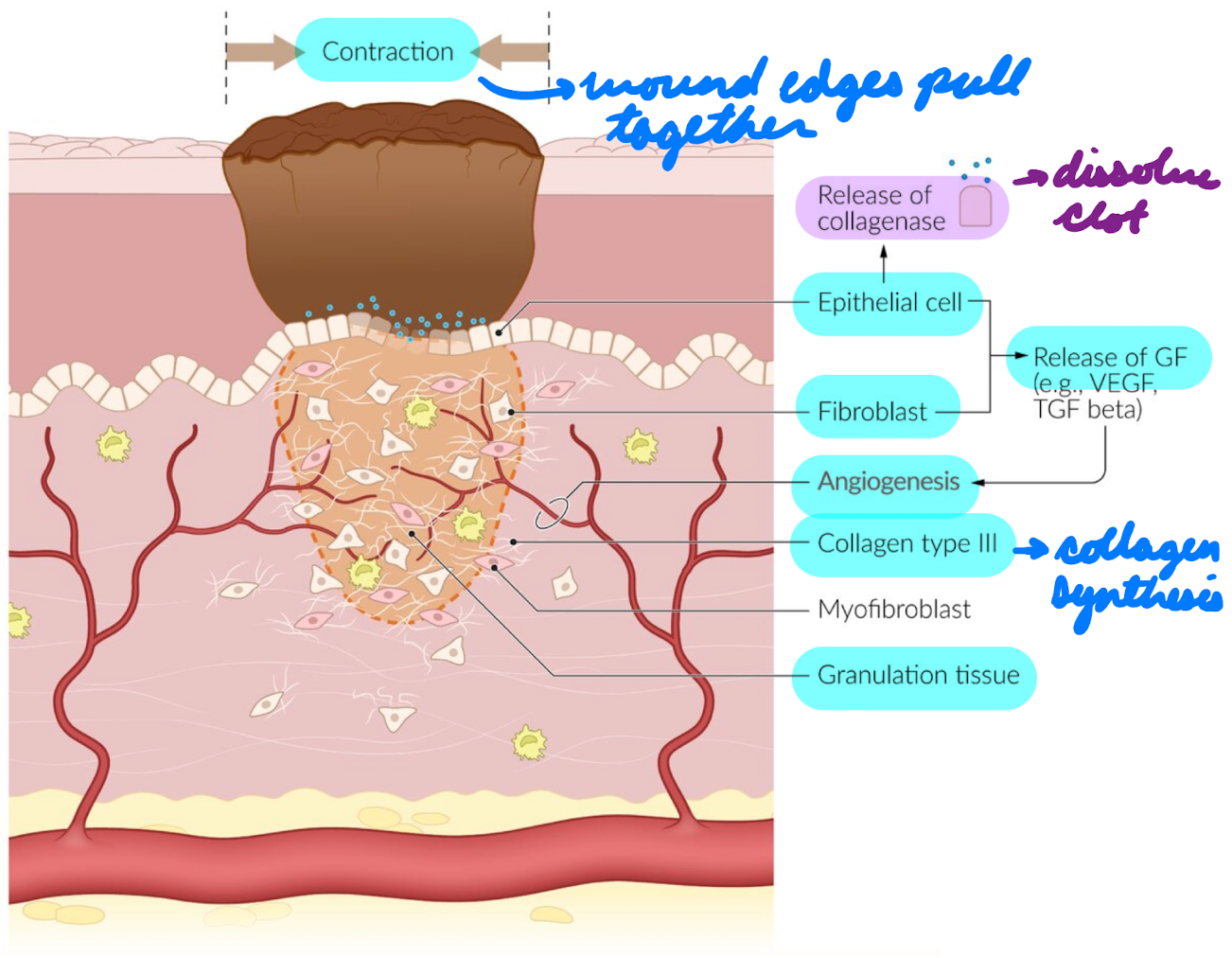
Wound Healing: Proliferative Phase
Day 3-7
Granulation tissue formation
Smooth muscle migration + fibroplasia = Collagen synthesis
Fibroblasts + epithelial cells release growth factors = Angiogenesis
Wound contraction = Pull wound edges together
Epidermal cells migrate across collagen = Form layer over wound
Secrete collagenase = Dissolve clot
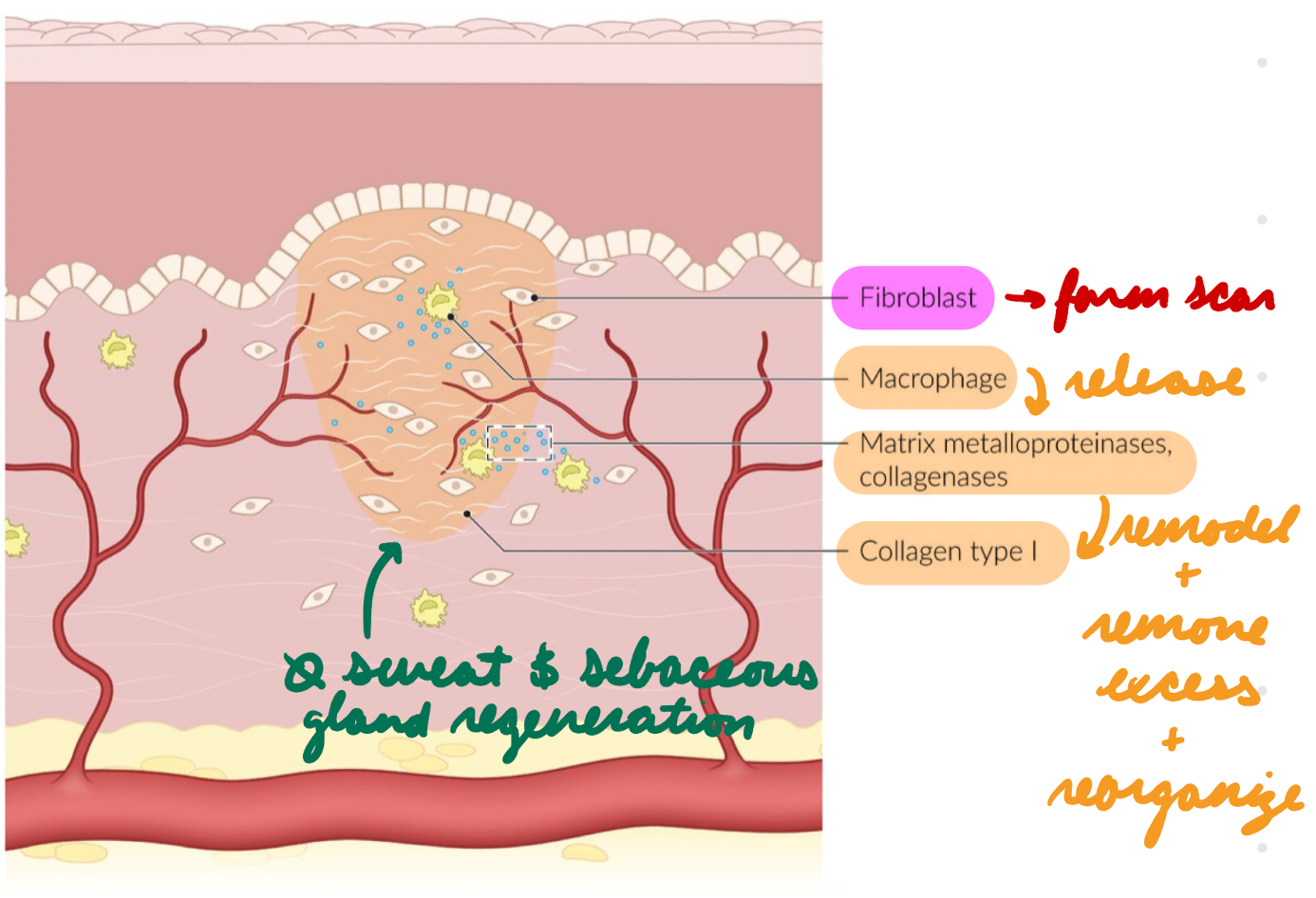
Wound Healing: Maturation Phase
Weeks to years
Fibroblast proliferation + connective tissue remodelling = Form scar
Macrophages release metalloproteinases + collagenases = Remodel collagen
Remove excess collagen
Reorganize collagen = Increase injury strength
No sweat + sebaceous gland regeneration
Bacteria: Shape
From MF1 Nabil Assad - Strep Pharyngitis
Cocci: Sphere/ellipse
Mostly gram-positive
Bacilli: Rod/cylinder
Most gram-negative
Vibro: curved
Spirilla: Spiral
Actinomycetes: Branching
Mycoplasmas: No stable morphology
Bacteria: Gram-Stain
From MF1 Nabil Assad - Strep Pharyngitis
Identify cell wall
Gram-Positive: Purple
Thick cell wall
Gram-Negative: Pink
Thin cell wall
Host Flora (Commensals)
Microorganisms living on/in body
Cause no harm OR benefit body
Host Flora on Skin + Nose
Staph epidermis
Gram+, coagulase- staphylococcus (CoNS)
Increase with age
Streptococci: Pediatrics
S. aureus: Transient
Host Flora in Mouth + Oropharynx
Viridans group streptococci
Gram+
Cause bacterial endocarditis
S. mutans: Cause dental caries
Host Flora in Lungs
Neisseria catarrhalis
Gram- cocci
Alpha-hemolytic streptococci
Staphylococci
Candida albicans
Host Flora in GI
E. coli
Gram- bacillus
Enterococcus
Klebsiella
Clostridium
Bacteriodes
Gram- bacilli
Pediatrics
Bifidobacterium
Pediatrics
Host Flora in Vagina
Lactobacillus acidophilus
Gram+ bacillus
Maintain pH
Saprophyticus
Gram+ CoNS
Surgical Site Infections (SSI): Description
Infection of skin + soft tissue or organ/space at recent surgery site
≤ 30 days post-op
≤ 90 days post-op for prosthetics
SSI: Epidemiology
Most common nosocomial infection
Risk factors…
Older age
Longer surgery
Diabetes
Obesity
Smoking
Coexisting infection
Immunocompromise
Corticosteroid therapy
Malnutrition
SSI: Etiology
≤ 48-72h: Pathogens causing necrotizing fasciitis
GAS
Ex: S. pyogenes
Clostridium spp.
Ex: C. perfringens
> 48-72h: Endogenous organisms at surgical site
Skin: S. aureus
Genital/GI: E. coli
> 30 days: Indolent organisms
CoNS: Low virulence + non-aggressive
Produce biofilm
Ex: S. epidermis
Biofilm
Bacteria aggregation in self-produced ECM
Functions:
Protect against host defence mechanisms + abs
Facilitate colonization on prosthetics
SSI: Pathophysiology
Exposure
Infectious agent gain entry to host
Adhesion + Invasion
Pathogen bind host cell receptors = Anchor pathogen + penetration
Pathogens multiply + colonize tissue/fluids
Virulence determinants promote survival
Ex: Biofilm
Immune system activation
Clear infection
SSI: Clinical Presentation
Superficial tissue
Purulent discharge
Possible fever
Local tenderness, erythema, warmth, edema
Deep tissue
Purulent discharge
Fever
Local tenderness
Wound dehiscence
Spontaneous wound edge separation
Necrotizing fasciitis
Organ/space
Purulent discharge
From drain
Absecess
Fever
SSI: Investigations
Blood tests
Microbiological studies
Imaging
SSI Investigations: Blood Tests
CBC
Inflammatory markers
Creatinine
SSI Blood Tests: CBC
Cell Leukocytosis
≥ 11 × 109/L
Thrombocytosis
SSI Blood Tests: Inflammatory Markers
Elevated ESR + CRP
SSI Blood Tests: Creatinine
Determine baseline renal function for antibio dosing
SSI Investigations: Microbiological Studies
Culture + gram stain of drainage
Wound
Abscess
SSI Investigations: Imaging
Assess deep tissue or organ space
US, CT, MRI
SSI: Treatment/Management
Surgical
Pharmacological
SSI Treatment: Surgical
Drain
Debridement
Closure after infection resolves
SSI Treatment: Pharmacological
Empiric antibios
Targeted antibios
After culture results
SSI: Empiric Antibios
Indications:
Erythema ≥ 5 cm from wound edge
Fever ≥ 38.5ºC
HR ≥ 110 BPM
WBC ≥ 12 × 109/L
Selection:
No GI/GU involvement
Cefazolin
Oxacillin
MRSA: Vancomycin, daptomycin, linezolid
GI/GU involvmenet
Ceftriaxone/levofloxacin + metronidazole
Carbapenem (meropenem)
Necrotizing soft tissue
Broad-spectrum
Vancomycin
Fluoroquinolones
3rd gen cephalosporin
Ceftriaxone
Penicillin + clindamycin
SSI: Complications
Wound dehiscence
Secondary hemorrhage
Sepsis + septic shock
SSI: Prevention
Control blood glucose
Smoking cessation
Antibio prophylaxis
Antibiotic Prophylaxis
Indications:
High risk of infection
Prosthetics
Contamination risk
IV 30-60 mins before
Selection:
Cefazolin: First-line
+ Metronidazole: GI surgeries
Clindamycin or Vancomycin: Beta-lactam allergies