anatomy cells & tissues test review
 Call Kai
 Learn
Learn Practice Test
 Spaced Repetition
 Match
Match Flashcards
 Knowt Play
1/45

There's no tags or description
Looks like no tags are added yet.
Name | Mastery | Learn | Test | Matching | Spaced | Call with Kai | Chat |
|---|
No analytics yet
Send a link to your students to track their progress
46 Terms

what type of tissue is this?
Epithelial Tissue/Cells

what type of tissue is this
Muscle Tissue/Cells

what type of cell is this
sperm cells
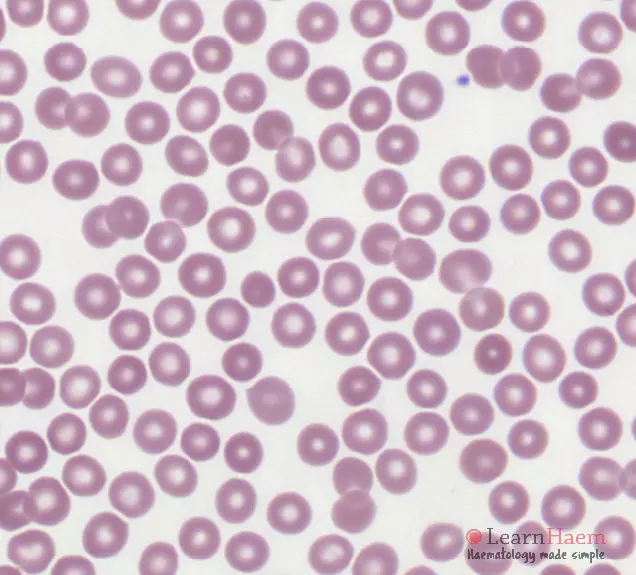
what type of cell is this
red blood cells

what type of tissue is this
Nerve Tissue/Neuron

what is the dark purple region called in a human cell
nucleus

what is the yellow region called in a human cell
nucleolus

what is this region called in a human cell
mitochondria

what is the loose lines in the middle called in a human cell
chromatin

what is this called in a human cell
rough endoplasmic reticulum

what is this region called in a human cell
smooth endoplasmic reticulum
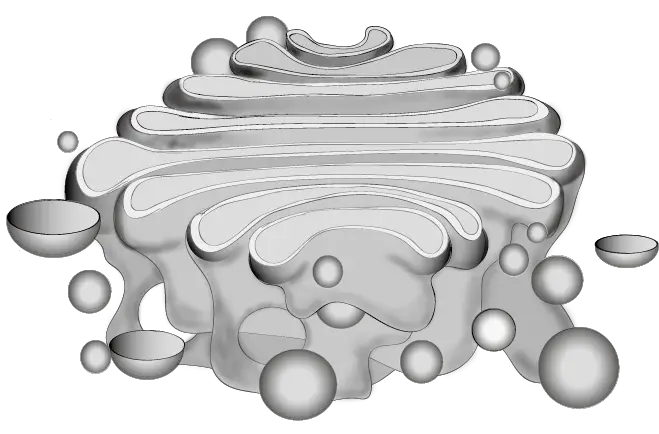
what is this region called in a human cell
golgi apparatus (body)
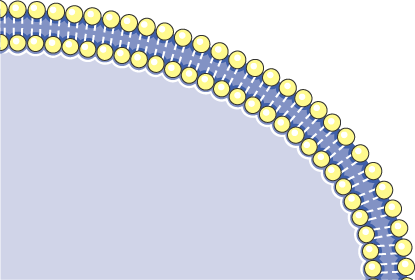
what is the outer region called in a human cell
cell membrane

what is the jelly fluid in the middle called in a human cell
cytoplasm

what is this region called in a human cell
lysosome
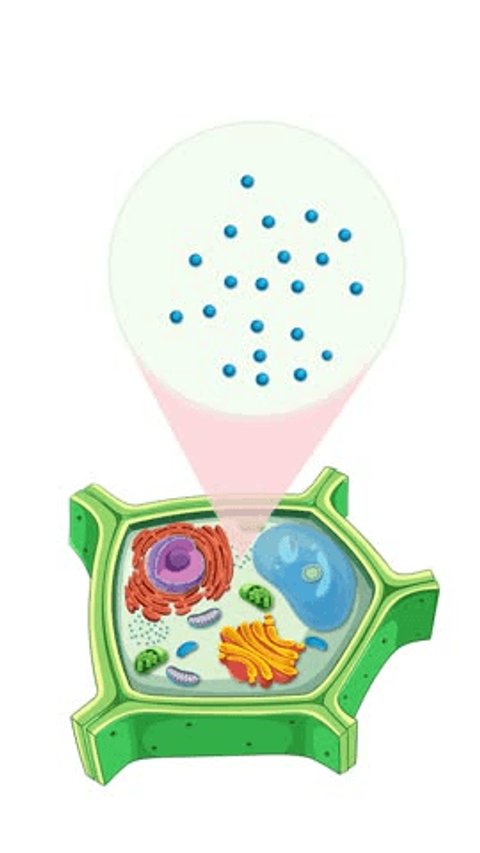
what are the tiny dots called in a human cell
ribosomes
what is the function of the nucleus
center in genetic activity of the cell, has the chromatin, chromosomes and nucleolus
what is the function of the nucleolus
to produce ribosomes in the nucleoplasm
what is the function of the mitochondria
“power house of cell” where ATP is produced
what is the chromatin
loose combination of DNA and proteins in their uncoiled state
what is the function of the rough endoplasmic reticulum
has ribosomes attached (does protein synthesis)
what is the function of the smooth endoplasmic reticulum
has no ribosomes, lipid and steroid hormone synthesis
what is the function of the golgi apparatus
responsible for packaging and exporting proteins
what is the function of the cell membrane
composed of phospholipids/proteins, determines what passes through the cell interior
what is the function of cytoplasm
distributes materials, metabolic activities take place (enzymes)
what is the function of lysosomes
store digestive enzymes to break down large molecules into smaller ones
what is the function of ribosomes
“workbenches” of the cell, proteins are made from amino acids
Where is DNA found in the two different cells?
In the nucleus of a eukaryotic cell
In the cytoplasm (nucleoid) of a prokaryotic cell
What is the difference between chromatin and chromosomes?
chromatin is DNA wrapped around proteins in a loose, uncoiled form
chromosomes is chromatin that has become tightly coiled and condensed, tightly packed DNA
What does hydrophobic mean?
water fearing, doesnt mix well with water
What does hydrophilic mean?
water loving, mixes/attracted to water
What part of the cell is composed of this phospholipid bilayer?
the cell membrane
what is hypertonic
when the solute is a greater percentage than the cell, cell will shrink
what is hypotonic
when the solute is a lesser percentage than the cell, cell will get bigger
what is isotonic
when the solute is the same percentage as the cell, cell will stay the same
What is the longest human cell?
sciatic nerve cell
Widest is diameter? (cell)
fertilized ovam
Lives a long time (forever)? (cell)
stem cells, immune cells, neuron cells, oocytes cells
Short life span? (cell)
sperm cells, skin cells, gastric cells, epithelial cells
What is PASSIVE transport? Name and define 3 examples of passive transport. Give an example of a substance that either enters or exits the cell for each type.
passive transport- the movement of substances across the cell membrane without using ATP, move from high → low concentration
3 ex: Simple diffusion: small non-polar molecules move directly through phospholipid bilayer (high→low) (ex: oxygen/lipids enters the cell)
Facilitated diffusion: polar molecules move from high→low concentration through transport proteins in the cell membrane (ex: glucose enters cell through transport proteins)
Osmosis: movement of water across cell membrane from high→low water concentration (ex: water enters cell)
What is ACTIVE transport? Name and define 3 examples of active transport. Give an example of a substance that either enters or exits the cell for each type.
active transport- the movement of substances across the cell membrane USING ATP (either a protein solute pump, ex: sodium/potassium pump) or vesicle formation (bulk transport, into/out of cell)) from low→high concentration
3 ex: exocytosis: cells uses vesicles to move substances out of cell (ex: cell releases muscous/waste)
endocytosis: cell uses its membrane to bring large substances into cell (ex: cell takes in large particle/nutrients, phagocytosis)
protein pumps: uses ATP to move substances against the concentration gradient (ex: sodium is pumped out of cell)
What are the 4 tissue types?
epithelial tissue, connective tissue, nervous tissue, muscle tissue
What is the basic structure of each tissue type
Epithelial tissue- tightly packed cells in sheets/layers
Connective tissue- cells spread out in a matrix
Muscle tissue- long cells/fibers that can contract (multi-nucleated)
Nervous tissue- neurons & supporting cells (irregular shapes)
What is the function of each tissue type?
epithelial tissue- covers & protects surfaces, absorbs & secretes
connective tissue- supports, connects, protects
muscle tissue- produces movement in body
nervous tissue- sends and receives electrical signals
Give an example of where each tissue type may be found in the body.
Epithelial tissue- skin
Connective tissue- bones
Muscle tissue- blood, glands, organs
Nervous tissue- brain, spinal cord, receptors