russu: organic functional grps
 Call Kai
 Learn
Learn Practice Test
 Spaced Repetition
 Match
Match Flashcards
 Knowt Play
1/15

There's no tags or description
Looks like no tags are added yet.
Name | Mastery | Learn | Test | Matching | Spaced | Call with Kai | Chat |
|---|
No analytics yet
Send a link to your students to track their progress
16 Terms
alcohol
hydroxyl groups
-OH, O is sp3
hydrophillic
can be oxidize by air/metabolism —> C=O —> COOH
CH3CH2OH → CH3CHOH → CH3COOH
why is ethanol a common co-solvent
CH3CH2-OH
hydrophobic & hydrophilic
dissolve both polar and non-polar compounds
amine
nitrogen bases
Basic N containing groups
can act as nuc
except: quat amine is cationic, notbasic
weakly basic amines
lone pair of N makes amines basic bc cant accept H+
when amines att to an unsaturated system, its e- can participate in resonance —> less basic

amides vs aniline
amide: neutral, bc lp participates in resonance and can’t get H+
aniline: weakly basic
Aniline is a weak base because its nitrogen lone pair is only partially delocalized by a benzene ring, whereas amides are neutral because a strongly electron-withdrawing carbonyl group completely ties up the lone pair.
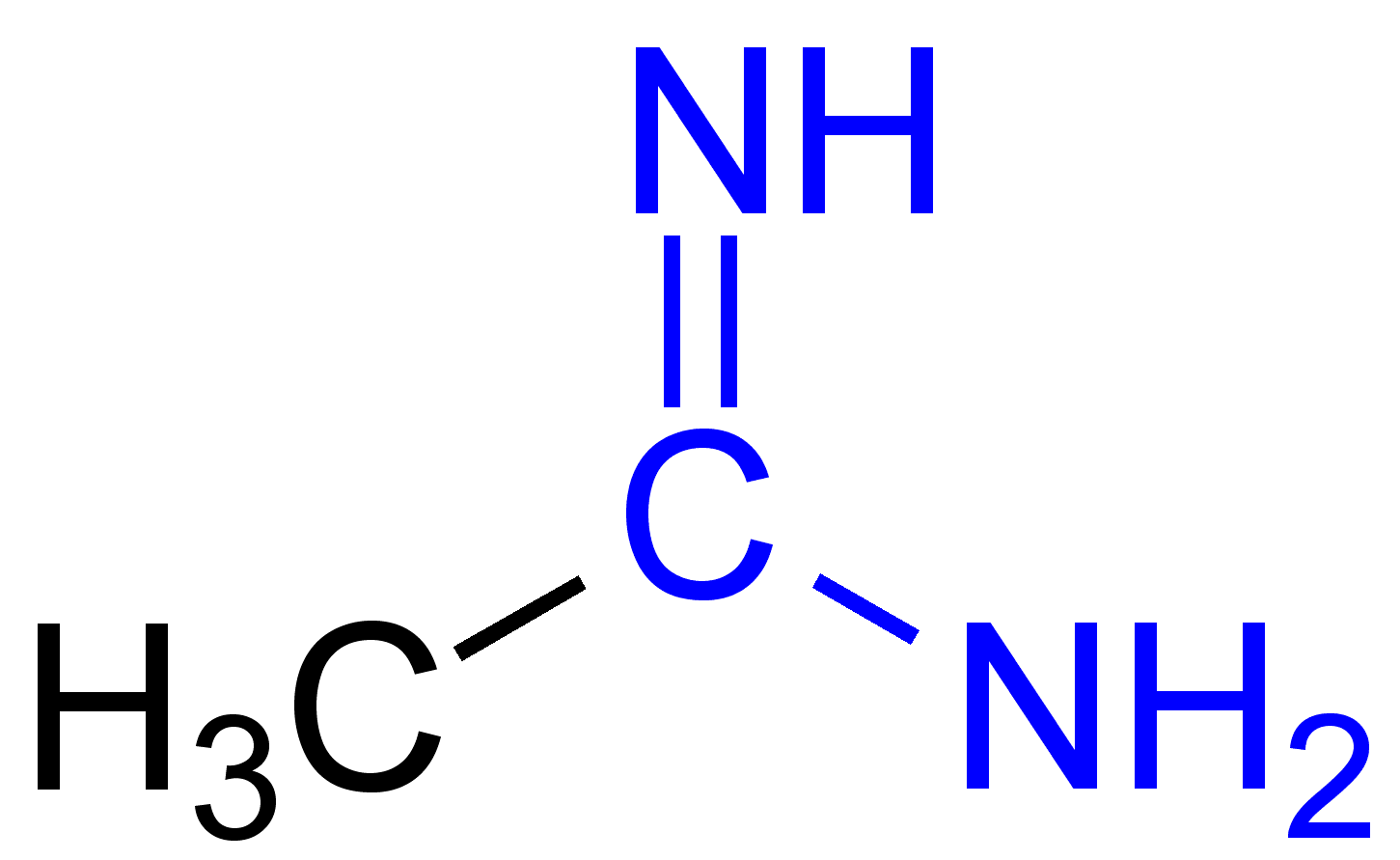
amidine
very strongly basic
more than amides & amines
C=N (N is sp2)
lp of sp2 N can accpet H+, protonation has positive charge that is delocalized between two nitrogens
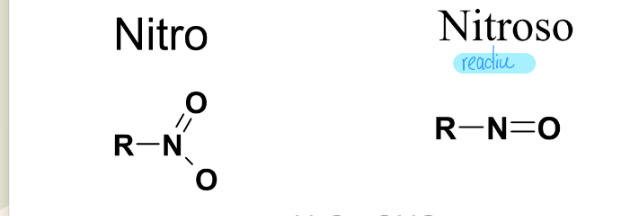
nitro vs nitroso
nitroso is more reactive
fewer electronegative oxygen atoms, making its nitrogen atom more electron-deficient
carboxylic acid
COOH
can act as Hbond donor or acceptor
carboxylic acid and sulfonamide (weak acid)
Carboxylic acids can be metabolized relatively easily → replacing them with a sulfonamide can sometimes make the drug more metabolically stable (last longer)
Bioisostere = a different chemical group that can replace another group while producing a similar biological effect.
carboxylic ester (ester is very reactive)
—COOCH3
ester hydrolysis
reagents: h2o w/ acid or base or esterase
product: carboxylic acid + HOCH3
use of ester as prodrug
ester bond is common bond for prodrugs
don’t survive in body very well
prodrug: inactive/less active
once goes on body, intestinal esterase & lipases breaks the ester bond —> rel active ingredient
ex: Chloramphenicol palmitate
Chloramphenicol palmitate (prodrug)
no bitter taste, used for infants, due to ester bond
once goes in body, ester bond gets hydrolyzed by enzyme
Chloramphenicol (active antibiotic)
bitter taste

esters used to taste mask
Taste Masking: Converting bitter or unpalatable APIs to ester prodrugs
helps mask unpleasant tastes f drugs
what do func groups containing hydroxyl or ionizable groups do
contribute to aqueous solubility of drug moc
what’s a common metabolism/ degradation pathway
oxidation
are esters easily hydrolyzed
yes