Anatomy Chapter 1
 Call Kai
 Learn
Learn Practice Test
 Spaced Repetition
 Match
Match Flashcards
 Knowt Play
1/118

Earn XP
Description and Tags
Key Terms for Chapter 1
Name | Mastery | Learn | Test | Matching | Spaced | Call with Kai | Chat |
|---|
No analytics yet
Send a link to your students to track their progress
119 Terms
Definition of Anatomy
The study of body parts and how they are organized
Physiology
The study of processes within the body

Cell
The basic structural and functional unit of life containing organelles that perform various functions needed for survival.

Tissues
Cells organized to perform a specific function

Organ
Structure consisting of two or more tissues that performs a specialized function.

Organ System
Group of organs coordinated to carry on a specialized function.

Organism
An individual living thing.
How many characteristics of life are there?
5 (for anatomy purposes)
Growth
The increase in size from birth until adulthood.
Reproduction
The process of producing more of the same organisms.
Responsiveness
The ability to sense and react to changes inside or outside of a body such as eating when you are hungry or feeling pain when injured.
Movement
External movements, such as the change in position and location of a body in the environment or internal movements such as the flow of blood and the beating of the heart.
Metabolism
The sum of all chemical reactions that happen inside a living organism to sustain life.
Respiration
Most organisms make energy by taking in Oxygen (O2) and excreting carbon dioxide (CO2)
Digestion
The process of breaking down food into usable nutrients to be absorbed by the blood
Circulation
The movement of chemicals and cells through body fluids
Excretion
The removal of waste from the body (Sweating, Urinating, Defecating, and breathing)
Atmospheric pressure
Pressure exerted by the weight of air surrounding the earth, equivalent at sea level to the weight of a column of mercury 760 millimeters high. Important for breathing
Hydrostatic Pressure
Pressure exerted by a fluid in response to a force, such as gravity or pumping of the heart. Blood pressure is an example of hydrostatic pressure.
Internal Environment
Conditions inside of the body, surrounding the cells. The environment the body’s cells live in.
Homeostasis
Dynamic state in which the body’s internal environment is maintained in the normal range.
Homeostatic Mechanism
Any of the control systems that help maintain a normal internal environment in the body.
Receptor
Specialized cell or organ that provides information about the environment. Also, cell membrane protein that binds specific molecules, called ligands, thereby sending a signal inside the cell.
Set Point
Target value of a physiological condition maintained in the body by homeostasis. For example, normal body temperature. (can be a range)
Effector
A muscle or gland, either of which can effect change in the body.
Negative feedback
A mechanism that returns the level of a chemical or other substance or condition in the internal environment to its set point level.
Example of negative feedback
Blood sugar regulation. Insulin brings blood sugar down when too high and liver will release sugar if too low.

Disruptions to homeostasis
Diabetes,Toxins, Age, and Infection
Positive feedback
A positive feedback loop is a process where the output of a system amplifies or accelerates the original change, pushing the system further away from its starting balance.
Example of Positive feedback
Child brith. Contractions keep going until the child is out.
Axial portion
Pertaining to the head, neck, and trunk.
Appendicular
Pertaining to the upper or lower limbs. (you call limbs appendages)

Cranial cavity
Space in the skull containing the brain. (Axial)

Vertebral Cavity
Canal formed by hollow areas in the vertebrae that contains the spinal cord. (Axial)

Thoracic cavity
Hollow space inside the chest containing the heart, lungs, trachea, and esophagus.

Abdominopelvic cavity
Space between the diaphragm and the pelvic outlet that contains the abdominal and pelvic organs. (Liver, Stomach, Gallbladder, Intestines…)
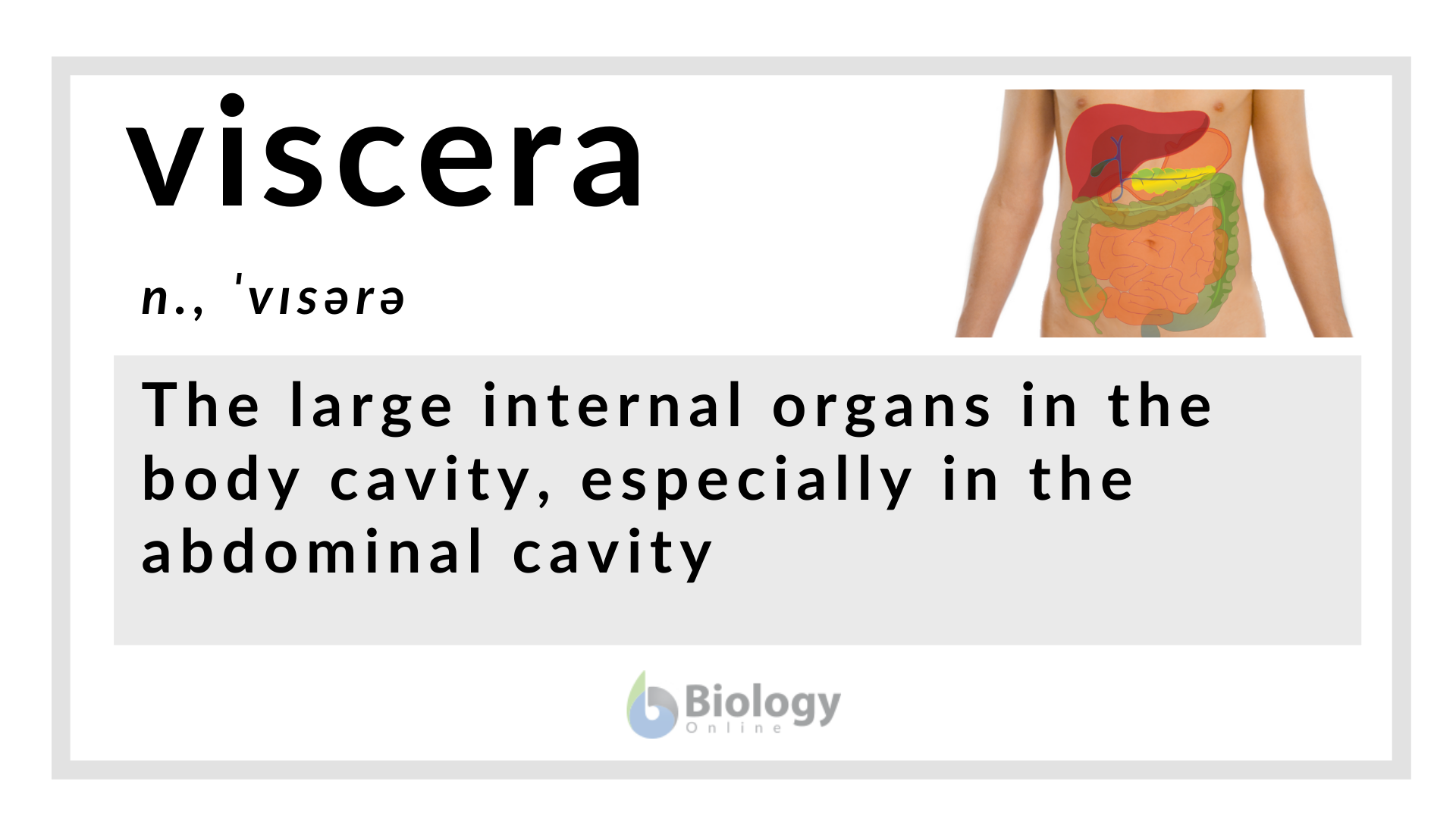
vicera
Organs in the thoracic and abdominopelvic cavities.

Diaphragm
A sheetlike structure largely composed of skeletal muscle and connective tissue that separates the thoracic and abdominal cavities.

Mediastinum
The compartment in the thoracic cavity between the lungs. Includes heart, esophagus, trachea, and thymus (a in image)

Oral cavity
Includes teeth and tongue
Nasal cavity
Space posterior to the nose
Orbital cavity
Contains eyeballs and nerves
Parietal
Refers to membranes ATTACHED to wall of cavity
Visceral
Refers to membrane that is deeper and ATTACHES to an internal organ
Parietal pleura
Covers inner surface of thoracic cavity
Visceral Pleura
Membrane that covers each lung
Pleural cavity
Potential space between the visceral and parietal pleural membranes. There is no actual space hence the POTENTIAL space.
Pericardial membrane
Membrane surrounding the heart
peritoneal membrane
Membrane lining abdominopelvic cavity
Visceral peritoneum
Membrane that covers organ surfaces in the abdominal cavity.
Integumentary system
The organ system that includes the skin and its accessory structures. Protect internal tissues and regulate temperature.
Skeletal System
Contains bones, ligaments, and cartilage. (NOT tendons)
Muscular System
Organ system that includes the skeletal muscles.
Nervous System
Consists of brain, spinal cord, nerves, and sense organs. Uses neurotransmitters to communicate with each other and with muscles and glands.
Endocrine system
Includes all glands that secrete chemical messengers called hormones.
Cardiovascular system
includes heart, arteries, veins, capillaries, and blood. Used to transport substances throughout the internal environment.
lymphatic system
closely related to cardiovascular system. Composed of lymphatic vessels, lymph nodes, thymus, spleen, and lymph. Supports the cleansing of the bloodstream. Cells in lymphatic system are called lymphocytes
Digestive system
Breaks down food into simpler molecules that can pass through cell membranes. Includes mouth, tongue, teeth, salivary glands, pharynx, esophagus, stomach, liver, gallbladder, pancreas, small intestine, and large intestine.
Respiratory system
Moves air in and out of lungs to change gasses between the blood and air. Oxygen in, Carbon dioxide out for humans breathing.
Urinary System
Consists of kidneys, ureters, urinary bladder, and urethra. removes waste from the blood to maintain electrolyte balance
reproductive systems
Male and female work together produce new organisms
Female reproductive systems
Consists of ovaries, uterine tubes, uterus, vagina, clitoris, and vulva. Organs maintain female sex cells (egg cells). Supports development of embryos.
Male reproductive system
Consists of scrotum, testes, epididymides, ductus deferential, seminal vesicles, prostate gland, bulbourethral glands, penis, and urethra. Transfer sperm cells into female reproductive tract
Superior/ Inferior
Above/ Below
Anterior/ Posterior
Front/ Back
Medial/ Lateral
Towards the midline/ Away from the midline
Bilateral
Structures that are equal on each side of midline
ipsilateral
Structures on same side of body
contralateral
structures on the opposite side
proximal/distal
closer to attachment point/ farther from attachment point
Superficial/ deep
near the surface/ farther from the surface
Sagittal sectioning
lengthwise plane splitting body left and right, not necessarily evenly split
Transverse
Horizontal, divides body into superior and inferior
frontal
plane that splits a body into anterior and posterior portions
9 body regions (need to memorize
epigastric, L+R hypochondriac, umbilical, L+R lateral (lumbar), pubic (hypogastric), L+R inguinal (iliac)
abdominal
region between thorax and pelvis
acrominal
point of shoulder
antebrachial
forearm
antecubital
space in front of elbow ( forearm armpit)
axillary
armpit
brachial
arm
buccal
cheek
calcaneal
heel
carpal
wrist
celiac
abdomen
cephalic
head
cervical
neck
costal
ribs
coxal
hip
crural
leg
cubital
elbow
digital
finger or toe
dorsal
back
femoral
thigh
frontal
forehead
genital
external reproductive organs
gluteal
buttocks
inguinal
groin
lumbar
the loin
mammary
breast