BIS2C Study Guide Lectures Fungi
 Note
 Call Kai
 Learn
 Practice Test
 Spaced Repetition
 Match
 Flashcards
 Knowt Play
1/99

Earn XP
100 Terms
absorptive heterotrophy
A mode of nutrition where organisms absorb dissolved organic substances.
Aflatoxin
Fungal Mycotoxin
Produced by Aspergillus flavus and can have lethal effects on animals; especially those without a varied diet
arbuscular mycorrhizae
A type of mycorrhiza in which the fungus penetrates the root cells of the plant.
asci
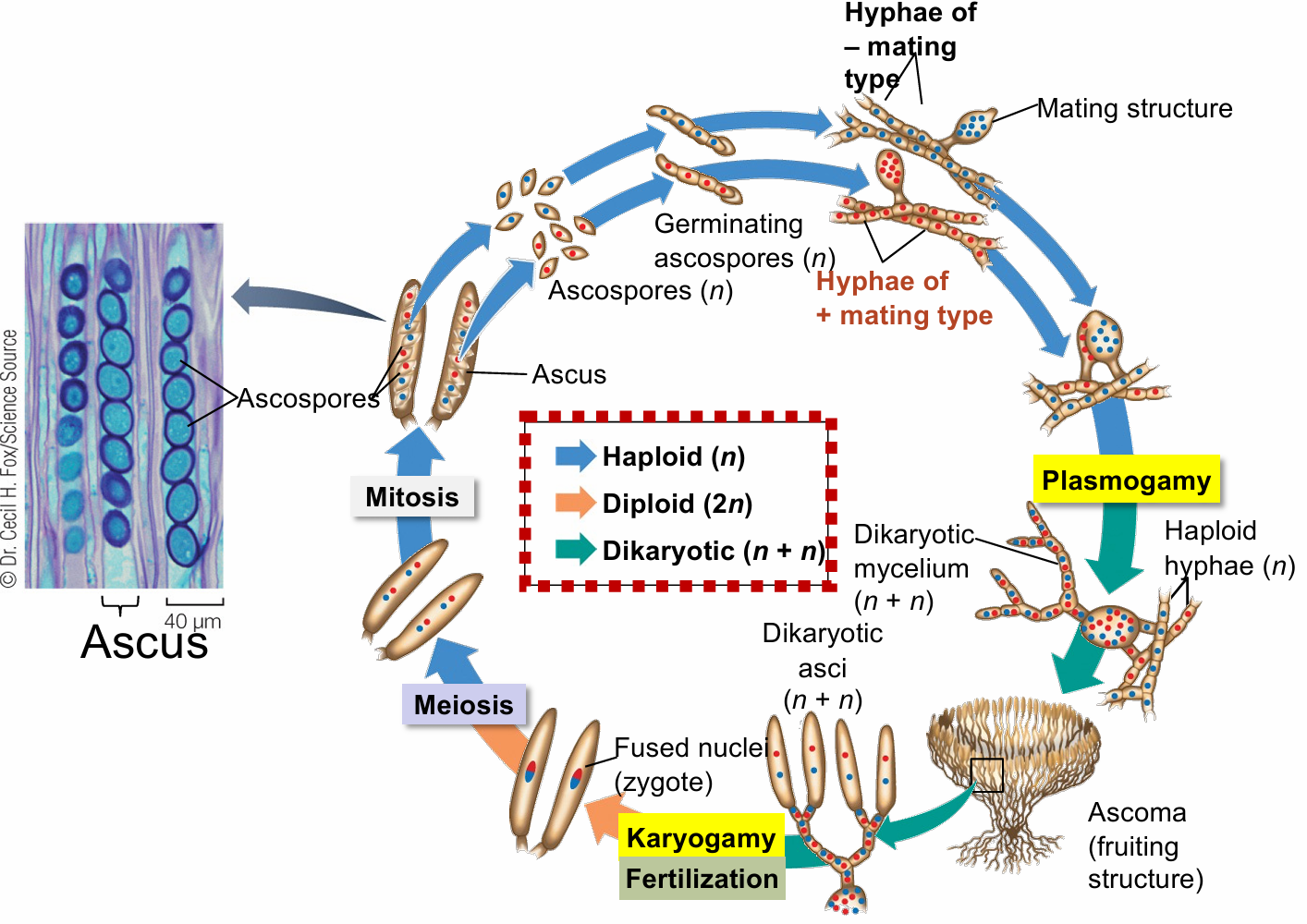
Sac-like structures where spores are produced in sac fungi.
ascospore
Spores produced within asci in fungi.
Ascomycota
Septate hyphae, short dikaryon stage, formation of asci, meiosis + mitosis
Ascomycota
Sac Fungi
Largest group of fungi (2/3 species)
Diagnostic spore structure, ascus with 8 spores in a sac
Variety of fruiting bodies, many cup-like
Many yeasts and molds are ascomycetes
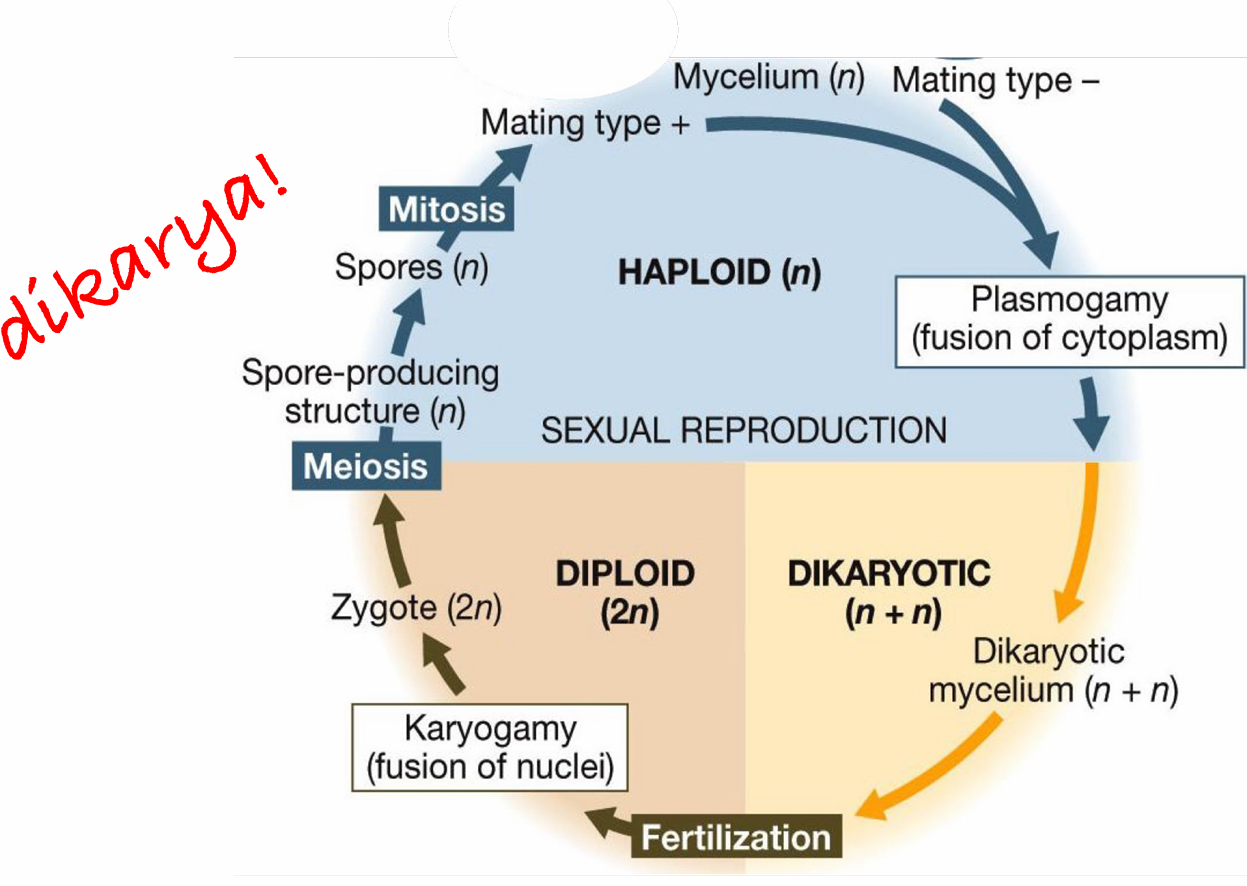
Sexual life cycle of the Ascomycota
basidiospore
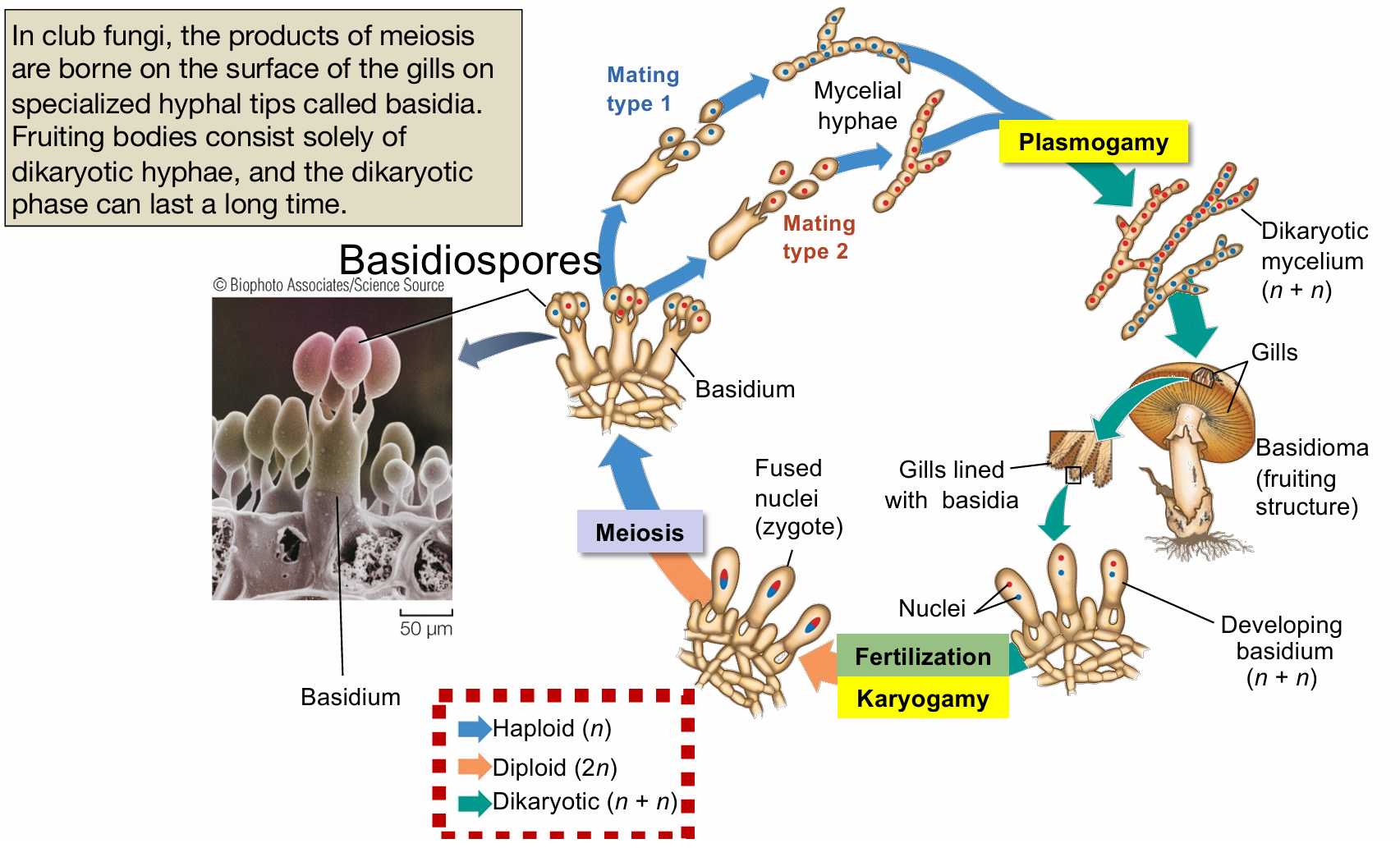
Spores produced on a basidium, typical in Basidiomycota.
basidium
A reproductive structure that produces basidiospores.
Basidiomycota
Septate hyphae, long dikaryon stage, formation of basidia, meiosis
Basidiomycota
Club Fungi
2nd largest group of fungi (1/3 species)
Diagnostic spore structure, basidium with 4 spores on a club
Sexual life cycle of the Basidiomycota
chitin
A structural polysaccharide found in the cell walls of fungi.
chytrid
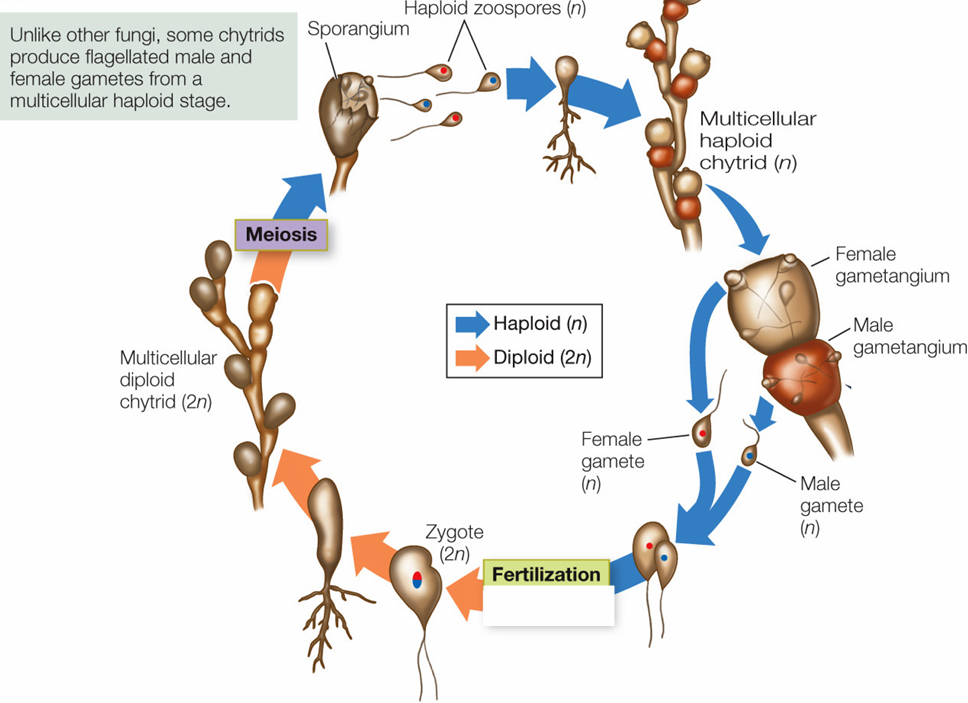
The only group of fungi that retain motile swimming spores with flagellum
Gametes with flagella, mostly aquatic
Implicated in global amphibian decline
Chytrid Sexual Life Cycle
coenocytic
A type of fungal structure that lacks septa, resulting in a continuous cytoplasmic mass.
Decomposer
break down dead organic matter
essential for nutrient cycling.
Dikarya
Fungi clade that includes:
Most common fungi
Species that form typical mushroom fruiting bodies
Ascomycota and Basidiomycota
Forms a dikaryon as part of their life cycle
Dikaryon life stage 2n Karyogamy: Fusion of nuclei (n+n) expanded
Dikaryon
A fungal cell with two nuclei
Stage of septate hyphae: Two distinct haploid nuclei inside one cell or hyphae
Extended in Dikarya
Ectomycorrhizae
A type of mycorrhiza where the fungal hyphae surround the root systems but do not penetrate cells.
Facultative
Describing organisms that can adjust their mode of nutrition based on environmental conditions.
Fertilization
Syngamy
Plasmogamy + Karyogamy
N & N → 2N
Glomeromycota
Form arbuscular mycorrhizae with plants
Coenocytic hyphae penetrate plant cells
NO sexual reproduction observed
Glomeromycota/Mycorrhizae Benefits to Plants
Protection from root pathogens
Increased longevity of fine roots
Protection from heavy metals in soil
Linkages between plants (common mycorrhizal network)
Hypha
Each of the branching filaments that make up the mycelium of a fungus
One cell
Hyphae
Filamentous structures that make up the mycelium of fungi.
karyogamy
Fusion of nuclei
N + N → 2N
lichen
Mutualism
Composed of a fungus and photosynthetic microorganism(s) (algae and/or cyanobacteria)
• Survive harsh environments
• ~ 30,000 species
Nearly all lichen-forming fungi are ____ on
their photobiont
obligately dependent
Nearly all photobionts are _____ on the
lichen symbiosis.
not obligately dependent
Primary metabolite
Produced during active cell growth
Secondary metabolite
Produced near the onset of stationary phase
Microsporidia
Intracellular parasites of many animals; they lack mitochondria, but have mitosomes.
Polar tube used to infect hosts
Molds
Ascomycetes that rarely undergo sexual reproduction in their life cycle
mutualistic
Describing a symbiotic relationship where both partners benefit.
Mutualists
Plant provides sugars to the fungus.
Fungal partner provides water and minerals massive increase in surface area.
Shapes of Ascomycota and Basidiomycota Fruiting Bodies
Mushroom
Enclosed (Truffles, Puffballs)
Enclosed fruiting bodies (truffles, puffballs) have
evolved ____ time(s) within Basidiomycota
and Ascomycota
multiple
Fungi with subterranean fruiting bodies are
largely dispersed by ___
Animals
Bird’s nest fungi Dispersal
Dispersed by a combination of water (splash cups) and animals
Pilobolus cannonball fungi Disperal
One of the fastest biological mechanisms known
Light is focused by the sporangium and water pressure builds to 7atm
Each spore can travel up to 6 ft at over 20,000G.
Mycelia
Collections of hyphae
mycelium
The vegetative part of a fungus, consisting of a mass of hyphae.
mycorrhiza
Fungi mutually associated with roots of plants
Mycotoxin
Secreted by fungi and have important impacts on human health; causing secondary infections or chronic diseases.
Ex. Aflatoxin
Nematophagous fungi
Predatory fungi
obligate
Describing organisms that require a specific environment or relationship to survive.
opisthokont
A group that includes fungi and animals characterized by single posterior flagellum in the cells.
parasite
An organism that lives on or in a host and benefits at the host's expense.
Many chytrids are ____.
parasitic
What contributes to the global die off of amphibians?
Parasitic chytrids
Photobiont
A photosynthetic organism (such as algae or cyanobacteria) associated with a fungus in a lichen.
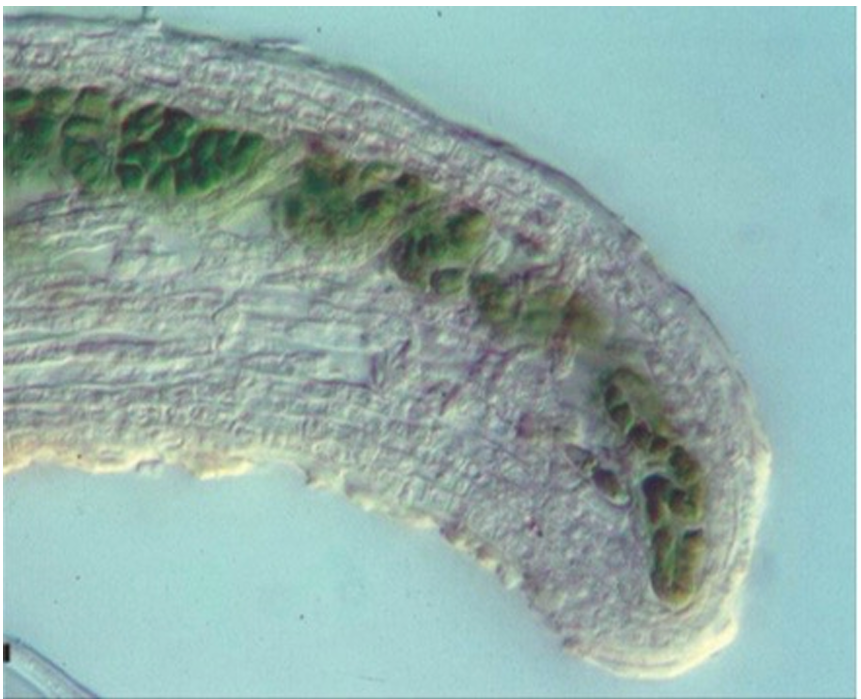
What possible benefits could the photobiont receive from the fungus?
A. Water
B. Mineral nutrients
C. Protection
D. All the above
D. All the above
Water, Mineral Nutrients, Protection
plasmogamy
Fusion of cytoplasm of two cells
N & N → N + N
sac fungi
Fungi belonging to the Ascomycota phylum, characterized by the formation of asci.
saprobe
An organism that obtains nourishment from decaying organic matter.
septa (Septate)
Cross-walls in hyphae that divide them into individual cells.
symbiotic
Describing a close and often long-term interaction between two different biological species.
yeast
Unicellular fungus
easy to culture, grow fast, can be maintained for long period of time, inexpensive
typically used in fermentation
Zygomycota
Aseptate fungi
Coenocytic hyphae, zygospore is the only diploid cell
The most common is Rhizopus which causes bread mold
Zygospore Fungi (Conjugating fungi) Lifecycle
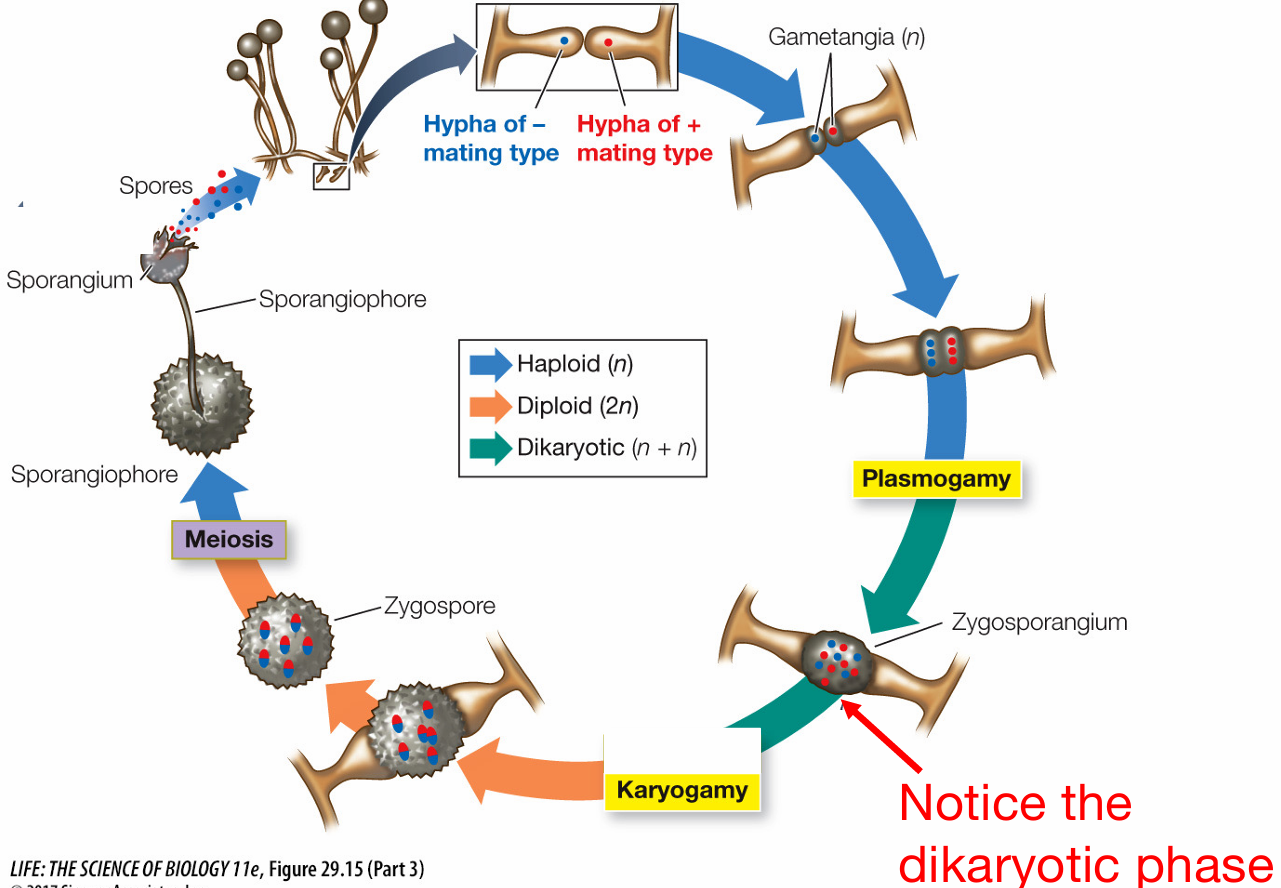
Rhizopus
The most common Zygomycota
Causes bread mold
zygospore
A thick-walled resting spore that is produced during the sexual reproduction of Zygomycota.
The only diploid cell of Zygomycota
What are the key characteristics of the kingdom Fungi?
Fungi are heterotrophic, can be unicellular or multicellular, have cell walls made of chitin, and reproduce via spores.
What is a hypha?
Filaments that make up the body of a fungus
What is the mycelium?
Network of hyphae
What is a saprobe?
An organism that feeds on dead or decaying organic matter.
What is a mycorrhiza?
A symbiotic association between fungi and plant roots, enhancing nutrient exchange.
Hyphae have a high surface to volume ratio. What are the advantages/disadvantages of this body plan for fungi?
Most cells are in direct contact with the environment.
It allows for efficient absorptive nutrition.
Susceptible to desiccation.
Why is the leafcutter ant and fungus partnership so important?
Demonstrates a mutualistic relationship that allows ants to cultivate fungi for food, while fungi receive nutrients from plant material the ants cut and gather.
First agriculture
What is aflatoxin?
A toxic compound produced by certain molds, particularly Aspergillus species, that can contaminate food.
What is the difference between a primary and a secondary metabolite?
Primary metabolites are essential for growth and development, while secondary metabolites are not directly involved in those processes but often play roles in survival and defense.
Primary Metabolite
Metabolic substances essential for growth and development
Secondary Metabolite
Metabolic substances not directly involved in growth and development but often play roles in survival and defense
What is plasmogamy?
The fusion of the cytoplasm from two fungal cells.
What is karyogamy?
The fusion of nuclei from two cells during fungal reproduction.
What is the difference between plasmogamy and karyogamy?
Plasmogamy is the fusion of cytoplasm, whereas karyogamy is the fusion of nuclei.
What are the key differences in the life cycles of the two major clades of fungi, Ascomycota and Basidiomycota?
Ascomycota produce spores in asci, whereas Basidiomycota produce spores on basidia.
Similarities between Ascomycota and Basidiomycota
1) Spore formation happens by karyogamy followed by meiosis.
2) Life cycle with 3 stages: haploid, dikaryotic and diploid.
3) Hyphae are never diploid (2n); they are either haploid (n) or dikaryotic (n + n)
Differences between Ascomycota and Basidiomycota
1) Duration spent in dikaryon stage varies:
- short lived in Asco
- months or years in Basidio.
2) Reproduction mainly asexual in Asco, reproduction mainly sexual in Basidio.
Most of the morphological variation in fungi are ____
fruiting bodies
hyphae and spores do not look that different from one another
Asci
Where Ascomycota produce spores
Basidia
Where Basidiomycota produce spores
Keys to understanding the Generalized Fungal Life Cycle
(1) Haploid phase
(2) No gametes
(3) Spores
What is the white-nose syndrome?
A deadly fungal disease affecting bats, caused by the fungus Pseudogymnoascus destructans.
It grows around mouth, nose and wings of hibernating bats.
When bats are hibernating, both body temperature and immune system is depressed.
It killed millions of bats in North America.
Why have subterranean fruiting bodies evolved multiple times?
To enhance reproductive success and spore dispersal in specific environments.
What is the difference between brown and white rot fungi?
Brown rot fungi primarily degrade cellulose, while white rot fungi can degrade both lignin and cellulose.
Easy substrates
Includes fruit, flesh, leaves, cotton, and paper
Composition of Wood
Largely:
Cellulose
Hemicellose
Lignin
Difficult to break down
Makes Cellulose and Hemicellulose difficult to break down
Beta 1,4 glycosidic bonds
Makes Lignin difficult to break down
Complex organic polymer
Multiple aromatic rings
Brown Rot Fungi
Capable of breaking down cellulose (and hemicellulose) but leaves lignin behind
White rot fungi
Break down cellulose, hemicellulose, AND lignin
Common in all types of trees
Laccase oxidase
An enzyme capable of degrading phenolic substances
What allows white rot fungi to break down lignin?
Laccase oxidase production
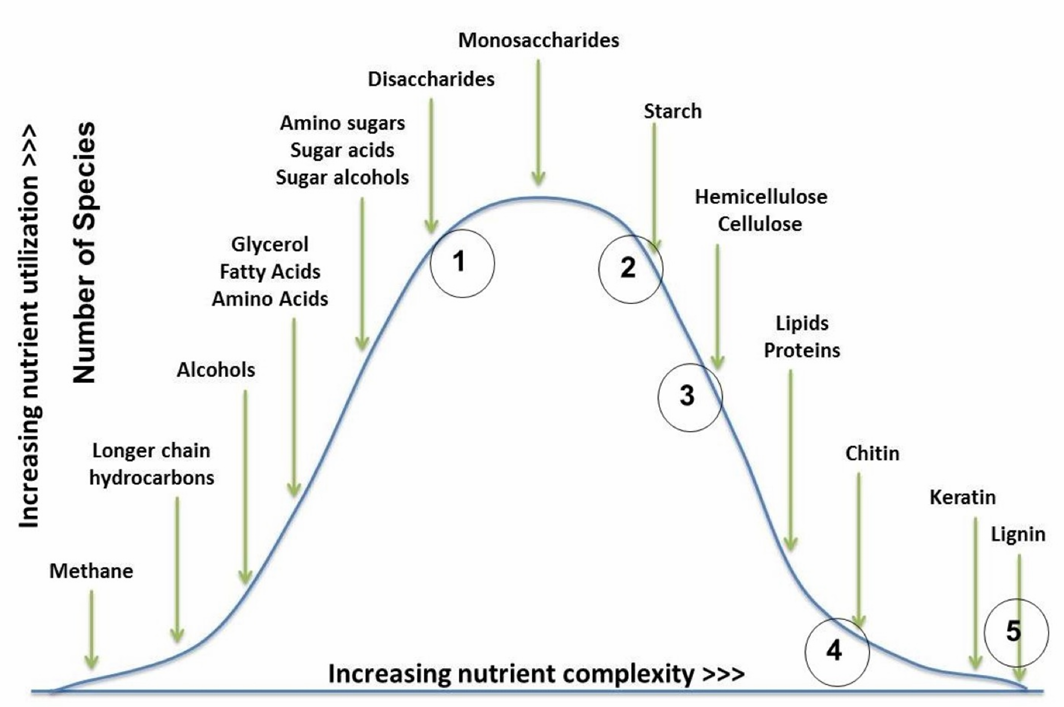
On the figure below, white rot fungi would most likely be found at location:
5
Highest Nutrient Complexity
Lowest Nutrient Utilization
Lowest Number of Species
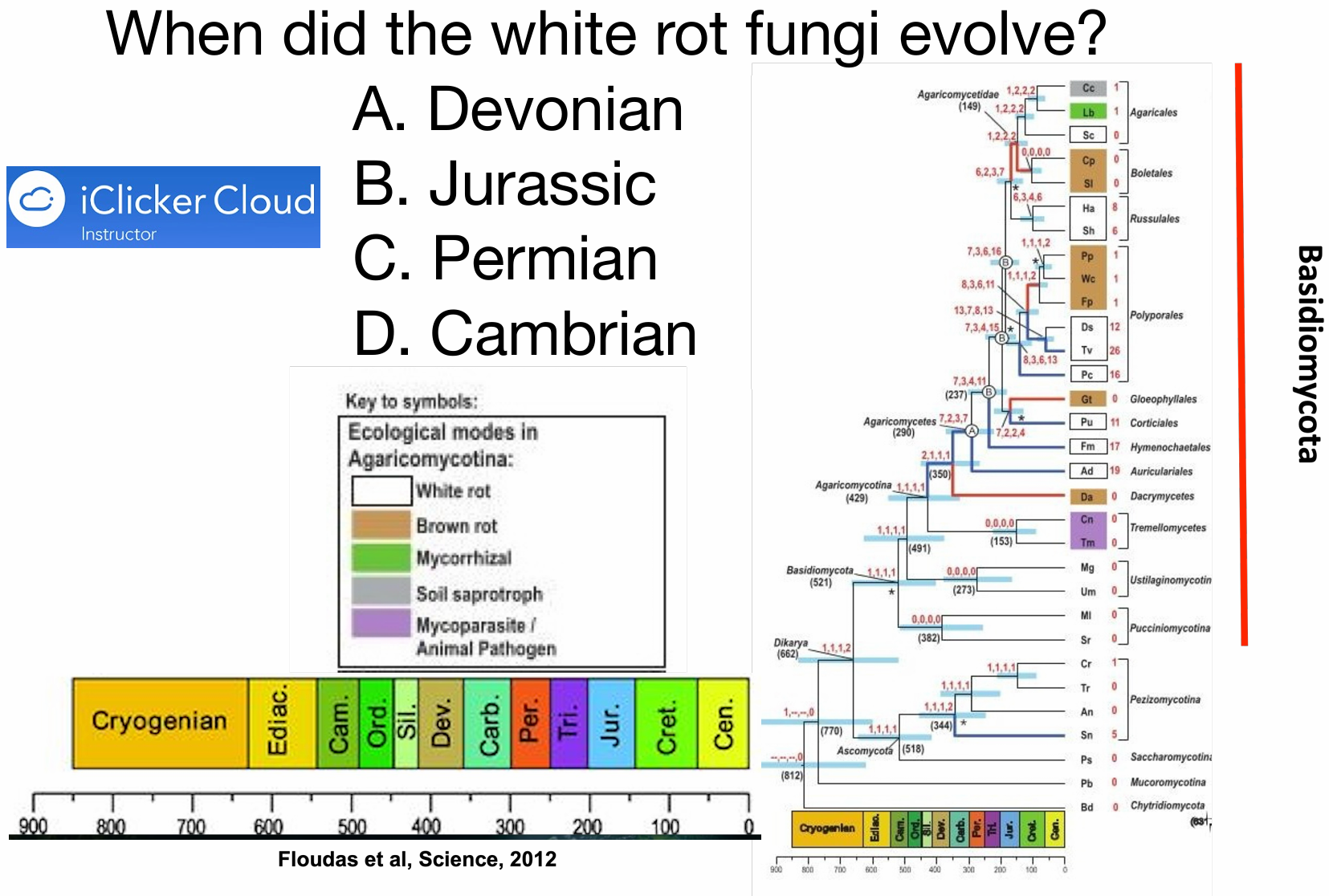
When did the white rot fungi evolve?
A. Devonian
B. Jurassic
C. Permian
D. Cambrian
C. Permian
When did the white rot fungi evolve?
Permian
Post-Carboniferous Period
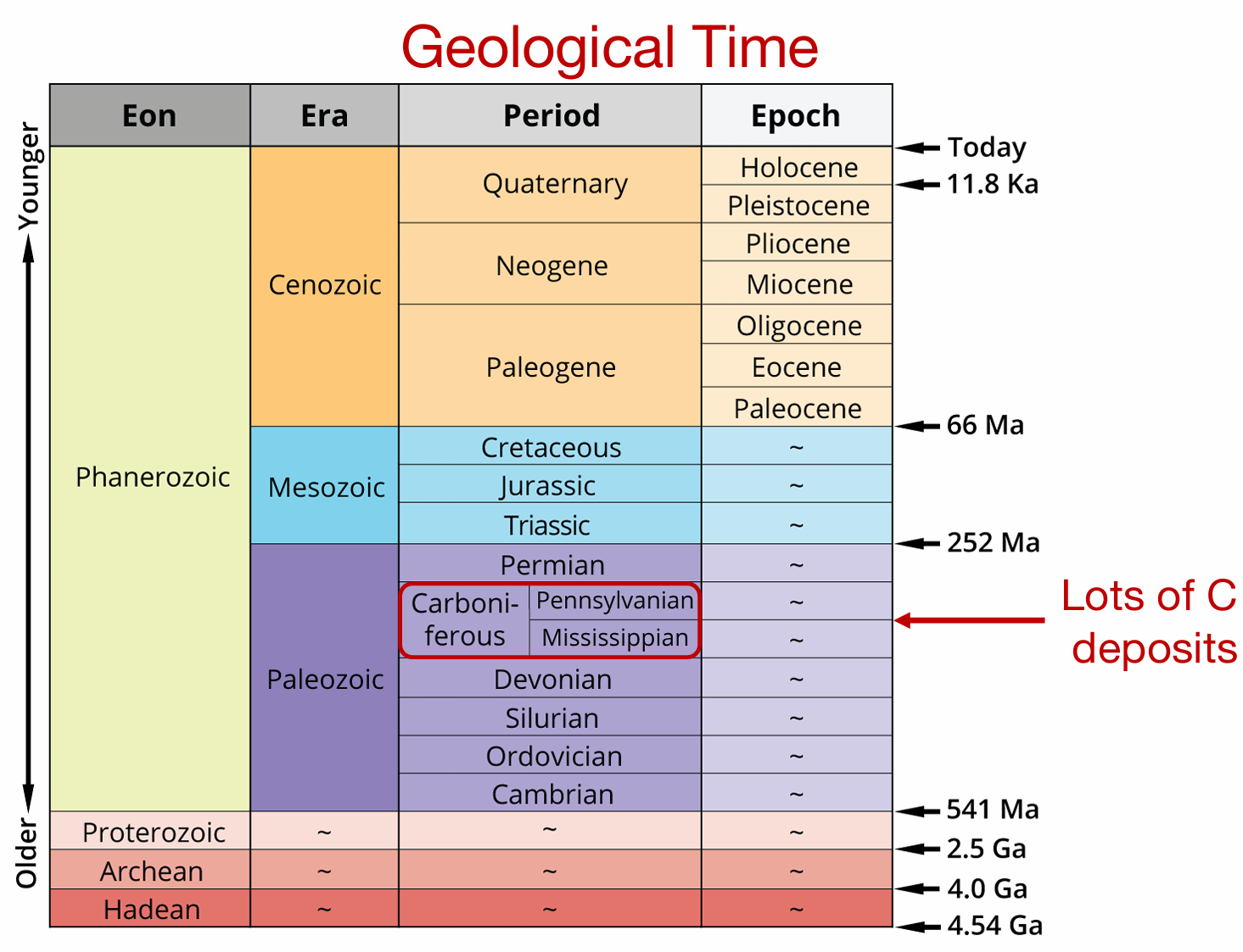
Carboniferous Period
(~ 360-300 mya)
Lycophytes and early conifers were abundant and coal deposits were formed from these taxa.