APUSH Period 6 (1865–1898): Historical Figures
 Call Kai
 Learn
 Practice Test
 Spaced Repetition
 Match
 Flashcards
1/47

There's no tags or description
Looks like no tags are added yet.
48 Terms

Andrew Carnegie
Carnegie Steel Company, steel industry, vertical integration, Bessemer process, Gospel of Wealth (1889), philanthropy, Homestead Strike (1892)
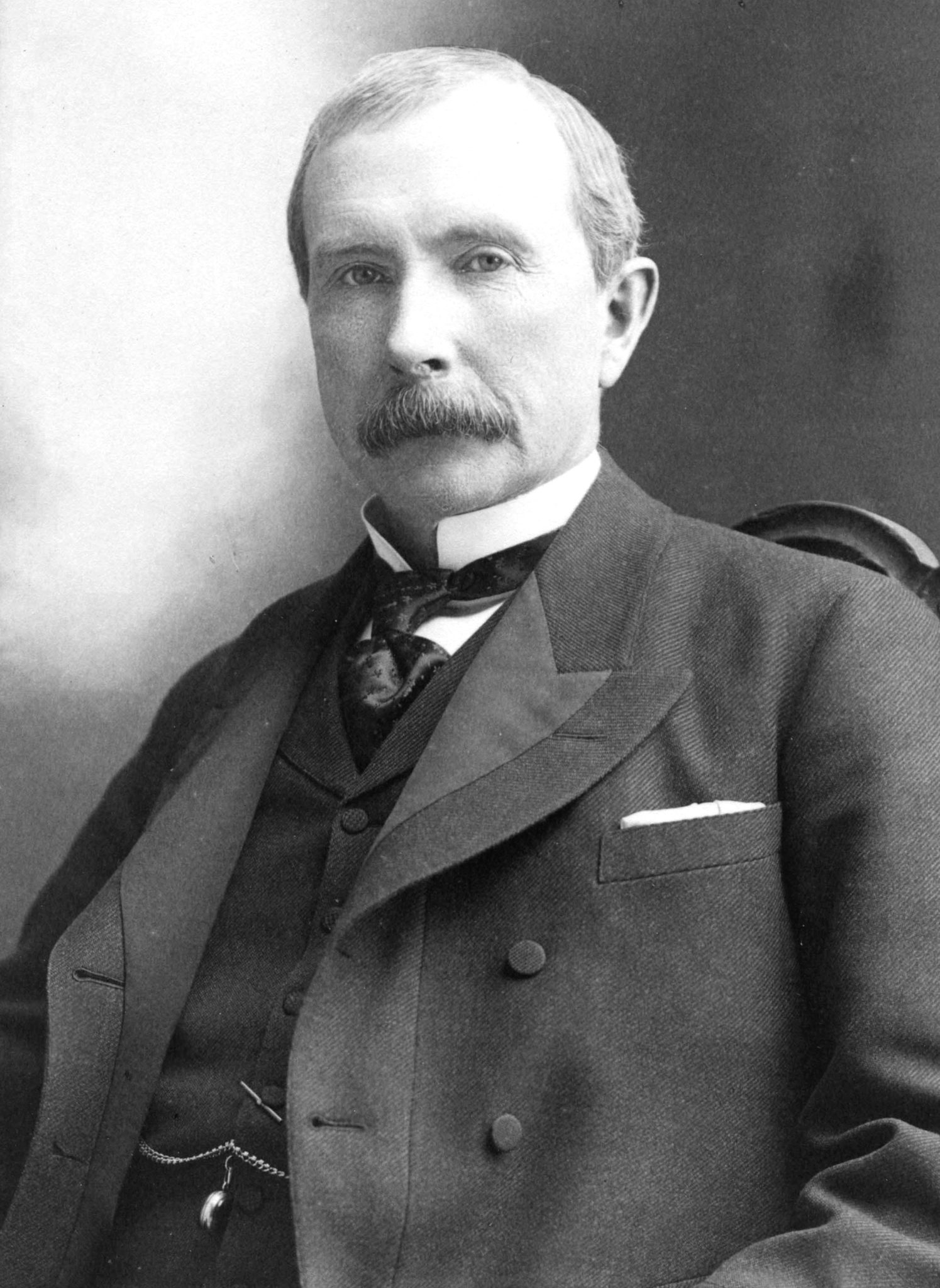
John D. Rockefeller
Standard Oil Company, oil industry, horizontal integration, trusts, monopolies, rebates, economies of scale, philanthropy

J. P. Morgan
investment banking, railroad consolidation, corporate mergers, financial reorganization, Panic of 1893, stabilization of federal gold reserves (1895)

Cornelius Vanderbilt
railroad consolidation, New York Central Railroad, transportation industry, railroad monopolies, Gilded Age wealth

George Westinghouse
alternating current electricity, electrical distribution, competition with Edison, Westinghouse Electric Company
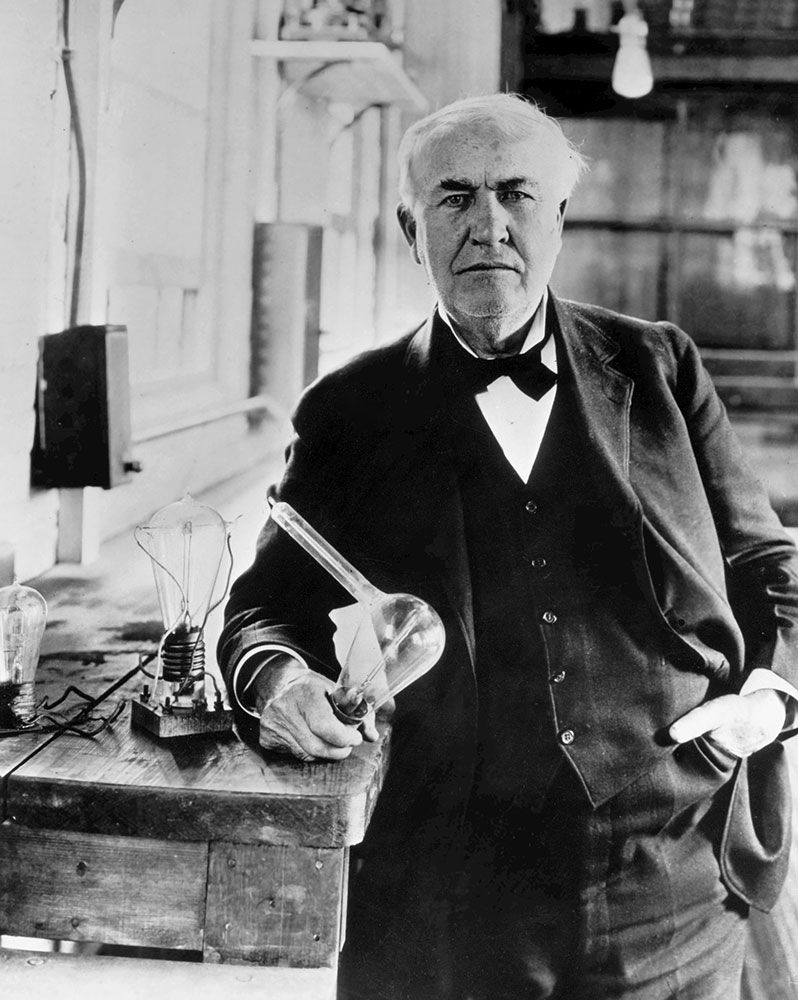
Thomas Edison
phonograph, practical incandescent lighting, electric power distribution, Menlo Park laboratory, direct current electricity

Alexander Graham Bell
telephone patent (1876), telecommunications industry, American Telephone and Telegraph's origins
George Pullman
Pullman Palace Car Company, railroad sleeping cars, company town, Pullman Strike (1894)


Gustavus Swift
meatpacking industry, refrigerated railroad cars, Chicago meatpacking, national meat distribution
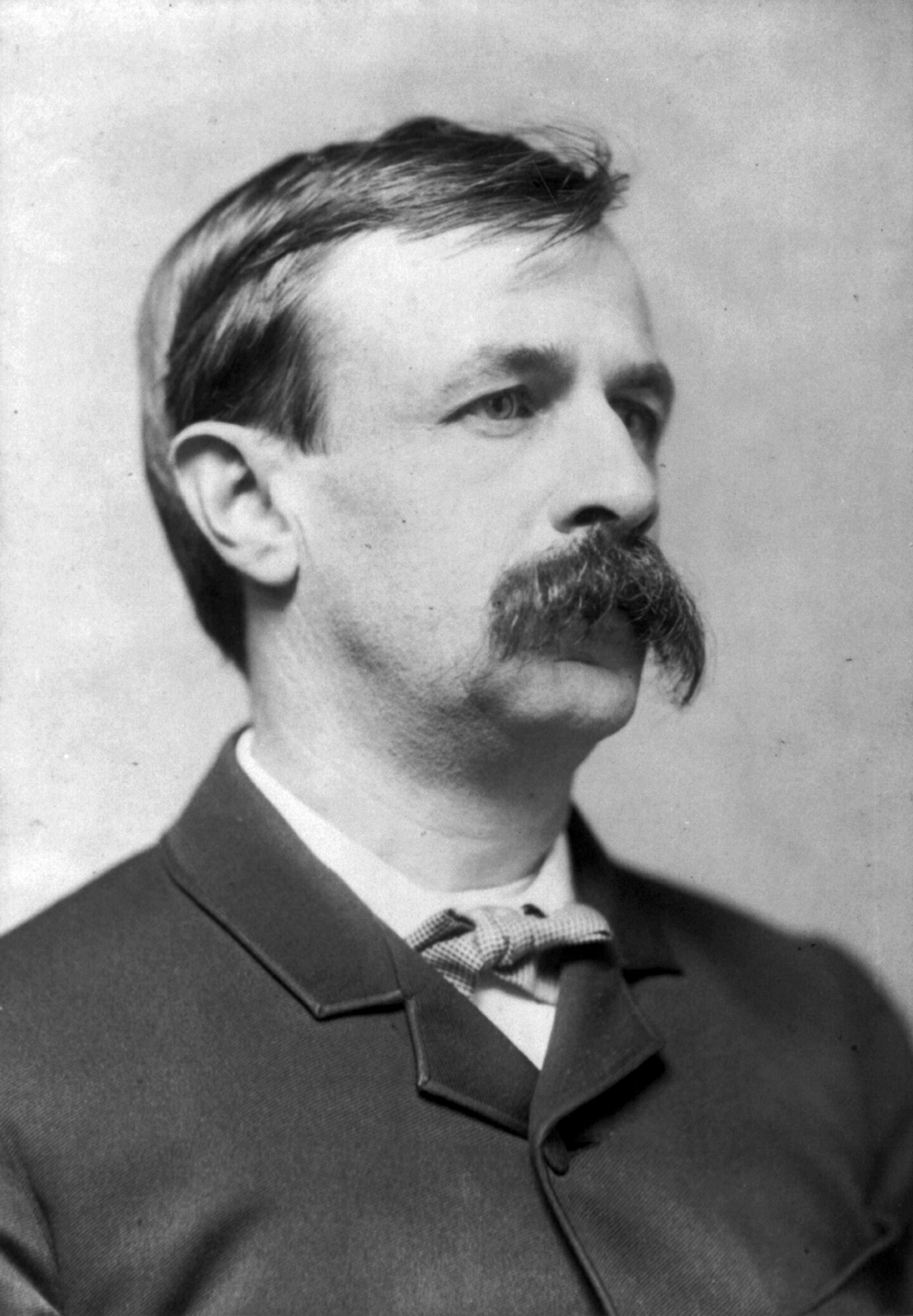
Edward Bellamy
Looking Backward (1888), utopian socialism, criticism of industrial capitalism, Nationalist movement


Samuel Gompers
American Federation of Labor (AFL), skilled workers, collective bargaining, higher wages, shorter working hours, bread-and-butter unionism

Terence V. Powderly
Knights of Labor, inclusive labor organizing, eight-hour workday, opposition to child labor, cooperative ownership

Eugene V. Debs
American Railway Union, Pullman Strike (1894), federal injunctions, imprisonment, emerging socialist movement

Henry Clay Frick
Carnegie Steel management, Homestead Strike (1892), Pinkerton detectives, antiunion policies

Ulysses S. Grant
18th president, Reconstruction enforcement, Enforcement Acts, suppression of Ku Klux Klan, Crédit Mobilier scandal during presidency, Whiskey Ring scandal, Panic of 1873

Rutherford B. Hayes
disputed Election of 1876, Compromise of 1877, withdrawal of remaining federal troops from South, end of Reconstruction, civil service reform efforts, Great Railroad Strike of 1877

James A. Garfield
20th president, assassination (1881), civil service reform movement, opposition to patronage abuses

Chester A. Arthur
21st president, Pendleton Civil Service Act (1883), merit-based federal employment, Chinese Exclusion Act (1882)

Grover Cleveland
22nd and 24th president, Bourbon Democrats, limited government, Interstate Commerce Act (1887), Dawes Act (1887), Panic of 1893, Pullman Strike, federal intervention in labor disputes

Benjamin Harrison
23rd president, Sherman Antitrust Act (1890), Sherman Silver Purchase Act, McKinley Tariff (1890), federal spending

William McKinley
Election of 1896, gold standard, protective tariffs, Republican Party, defeat of free silver movement

William Jennings Bryan
Populist-supported Democratic candidate, Cross of Gold speech (1896), free silver, bimetallism, inflationary monetary policy, farmers' interests

James G. Blaine
Half-Breed Republicans, patronage politics, presidential Election of 1884, secretary of state, Pan-Americanism
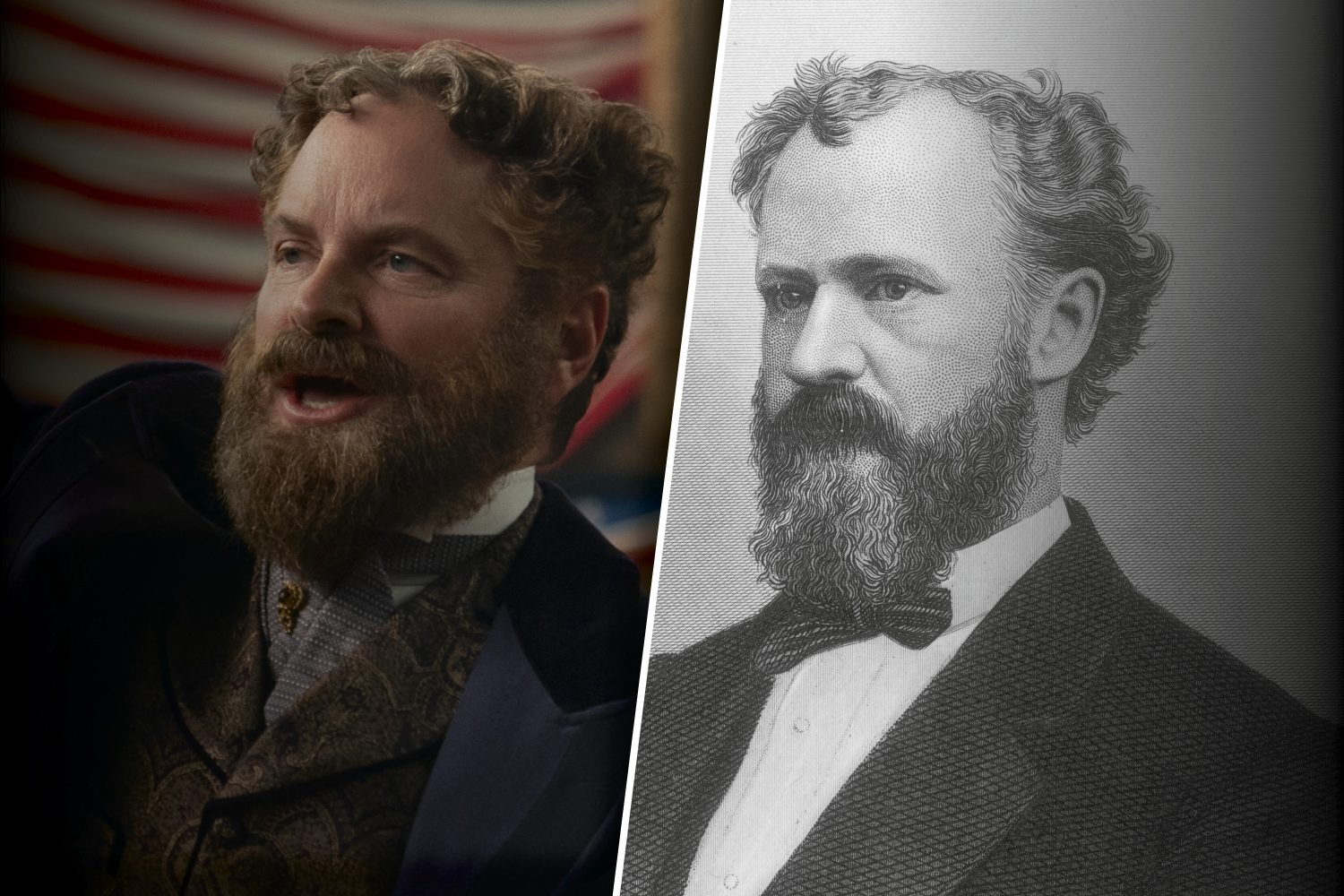
Roscoe Conkling
Stalwart Republicans, political patronage, spoils system, opposition to civil service reform

Thomas Nast
political cartoons, Harper's Weekly, attacks on Boss Tweed, Tammany Hall corruption, Republican Party elephant, popularization of Uncle Sam and Santa Claus imagery


William “Boss” Tweed
Tammany Hall, New York City political machine, patronage, bribery, corruption, Tweed Ring


Mary Elizabeth Lease
Populist movement, Farmers' Alliance, criticism of banks and railroads, free silver, agrarian protest, “raise less corn and more hell” slogan traditionally attributed to her

James B. Weaver
People's Party presidential candidate (1892), free silver, government ownership of railroads, Populist reform

Oliver H. Kelley
founding of the Grange (1867), Patrons of Husbandry, agricultural cooperation, railroad regulation

Jacob Riis
How the Other Half Lives (1890), photojournalism, tenement housing, urban poverty, immigration, housing reform


Florence Kelley
Hull House with Jane Addams, National Consumers League (1899, Period 7), factory inspection, child labor reform, working women's rights

Booker T. Washington
Tuskegee Institute (1881), vocational education, economic self-help, Atlanta Compromise speech (1895), accommodation to segregation

Ida B. Wells
anti-lynching movement, investigative journalism, Southern Horrors (1892), A Red Record (1895), African American civil rights
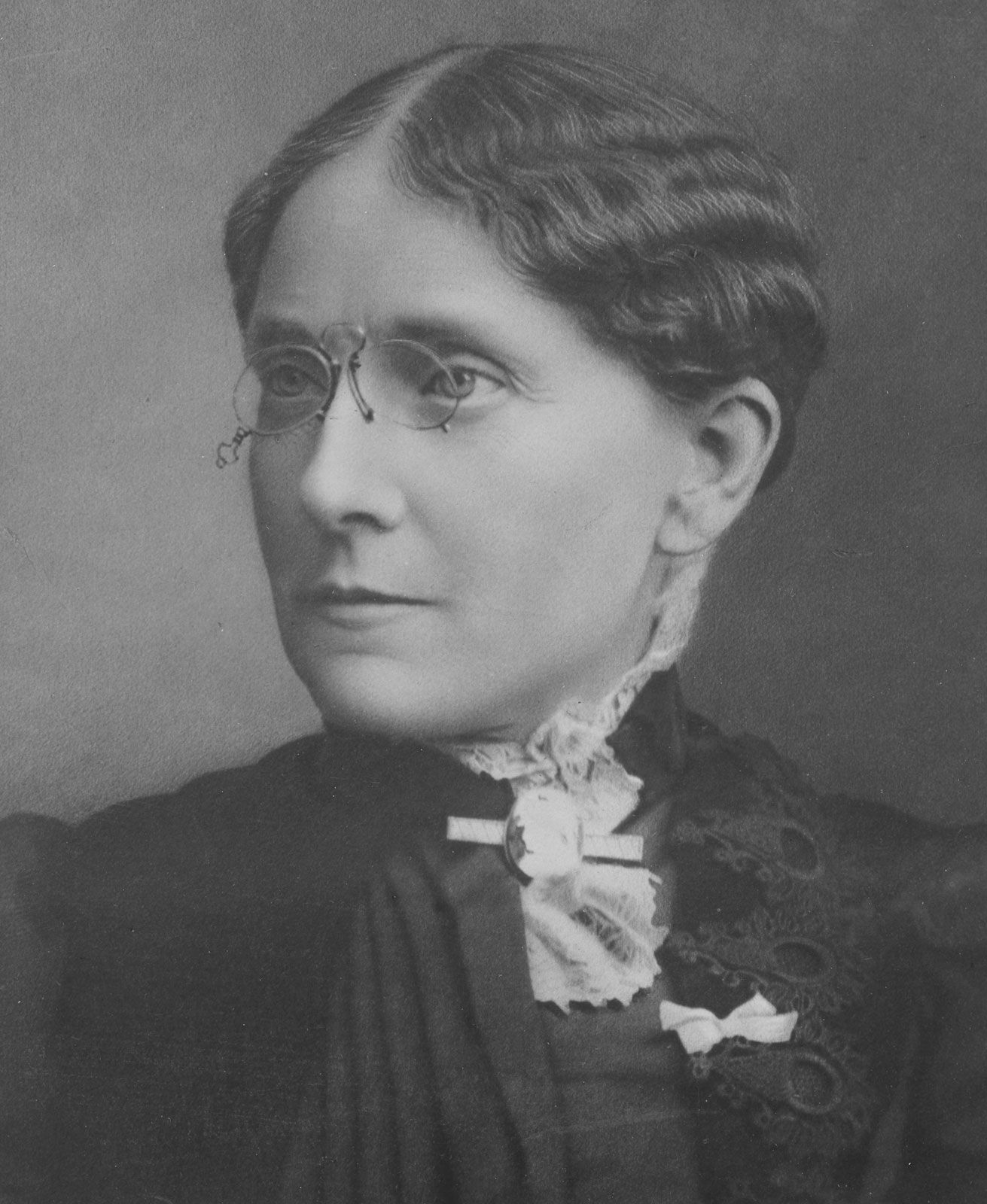
Frances Willard
Woman's Christian Temperance Union (WCTU), temperance movement, women's suffrage, social purity reform

Susan B. Anthony
women's suffrage, National Woman Suffrage Association, women's voting rights, arrest for voting (1872), proposed federal suffrage amendment

Elizabeth Cady Stanton
women's suffrage, National Woman Suffrage Association, women's rights, The Woman's Bible (1895)

Homer Plessy
challenge to Louisiana Separate Car Act, Plessy v. Ferguson (1896), segregation, separate but equal doctrine

Frederick Douglass
Reconstruction-era civil rights, Black suffrage, equal citizenship, opposition to racial discrimination, federal government appointments, continued abolitionist legacy

Blanche K. Bruce
African American U.S. senator from Mississippi, Reconstruction political participation, Black political leadership

Hiram Revels
first African American U.S. senator (1870), Reconstruction, Black political participation

Sitting Bull
Hunkpapa Lakota leader, resistance to U.S. expansion, Battle of Little Bighorn (1876), Ghost Dance movement, death in 1890

Wovoka
Paiute religious leader, Ghost Dance movement, Native spiritual revival, hopes for restoration of Native life

Helen Hunt Jackson
A Century of Dishonor (1881), criticism of federal Indian policy, Native American rights advocacy


George Armstrong Custer
U.S. cavalry, Battle of Washita River (1868), Battle of Little Bighorn (1876), U.S. military campaigns against Native peoples

Frederick Jackson Turner
Frontier Thesis (1893), American frontier, individualism, democracy, significance of western settlement, 1890 census frontier declaration

William “Buffalo Bill” Cody
Buffalo Bill's Wild West show, romanticization of the West, frontier mythology, popular entertainment

Horatio Alger Jr.
rags-to-riches stories, individualism, upward mobility, self-made man ideal

Herbert Spencer
Social Darwinism, survival of the fittest, influence on American laissez-faire ideology