Unit 4 Ap Art History
 Call Kai
 Learn
 Practice Test
 Spaced Repetition
 Match
 Flashcards
 Knowt Play
1/21

There's no tags or description
Looks like no tags are added yet.
22 Terms

Name: Kollwitz memorial sheet
Identifiers:
Artist: Kathe Kollwitz
Date: 1919-1920 CE
Location: German
Culture: German
Medium: Woodcut print
Comdemns the violence, and invokes compassion and sorrow in the viewer

Name: Rottgen Pieta
Identifiers:
Date: 1300 - 1325 CE
Culture: German
Medium: Painted Wood
was made for prayer, and to invoke passion, reflection on the sacrifice of Christ, to seek personal emotional connection

Name: Giottos Arena Chapel with Giottos Lamentation
Identifiers:
Artist: Giotto di Bondone
Date: 1303 - 1305 CE
Culture: Italian
Medium: Frescos
Enrico wished to repair his families image, through making the chapel, and the chapel is meant to create a relgious experience through the grief and sorrow experienced by the death of Christ

Name: Kaaba
Identifiers:
Artist: Unknown
Date: 631-632 C.E.
Location: Mecca, Saudi Arabia
Culture: Islamic
Medium: Granite, Silk, and gold
Technique: Embroidery
Religious site made for worship and pilgrimage
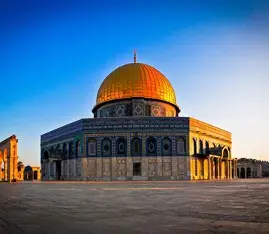
Name: Dome of The Rock
Identifiers:
Date: 691 - 692 C.E.
Location: Jerusalem
Culture: Islamic, Umayyad
Medium: Stone, marble, Mosaics; Later ceramic tiles
Houses a important relic, and sits on a religious site. The relic is called the foundation stone, and sits on where al-Isra took place

Name: Great Mosque-CATHEDRAL of Cordoba
Identifiers:
Patron: Abd al_Rahman I
Date: 785 - 786 C.E.
Location: Cordoba Spain
Culture: Umayyad Dynasty
Medium: Stone, Brick, Marble, Granite, Jasper
Monumental mosque to legitimize a new state. Fuses religious unity and political authority

Name: The Great Mosque of Isfanhan, Iran
Identifiers:
Date: 700 CE
Location: Isfahan, Iran
Culture: Islamic, Persian, Seljuk
Medium: Brick, stone, stucco tile
Expanded the congregational mosque expressed piety, political authority and control of the city’s sacred center

Name: The Alhambra
Identifiers:
Patrons: Yusuf I and Mihammad V
Date: 14th century CE
Location: Granada, Spain
Culture: Islam, Nasrids
Medium: Stucco, Wood, tile, marble, and water
With political uncertainty they made displays of wealth, stability, and legitimacy
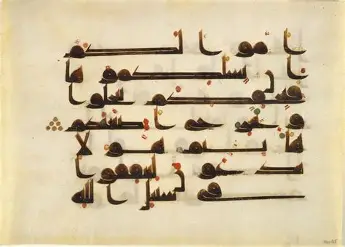
Name: Abbasid Qur’an
Identifiers:
Date: 8th - 9th century
Culture: Abbasid Dynasty
Medium: colored ink and gold on parchment
Islamic scripture, a foundation of belief and law, and was generally made by hand before printing existed
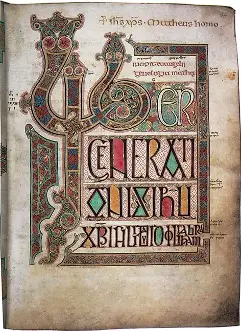
Name: The Lindisfarne Gospels
Identifiers:
Artist: Eadfrith
Date: 700 CE
Location: Lindisfarne monastery, England
Culture: Christianity - Hiberno Saxon
Medium: Ink, pigments, and gold on vellum
Incite religious devotion and teahing about christianity

Name: Pyxis of al - Mughira
Identifiers:
Patronage: Technical sophistication signals elite consumption and trade access
Date: 968 CE
Location: Umayyad, Islamic Spain
Culture: Islamic
Medium: Carved Ivory
Technique: Low and High relief blanket the surface with precision
A symbol of power, patronage, identity, and innovation for the dynasty

Name: Baptistere of St. Louis
Identifiers:
Artist: Muhammad ibn al-Zayn
Date: 1320-1340
Culture: Mamluk
Medium: Brass inlaid with gold and silver
Courtly sophistication, military skill, noble conduct, and conspicuous wealth are exhibited in the object
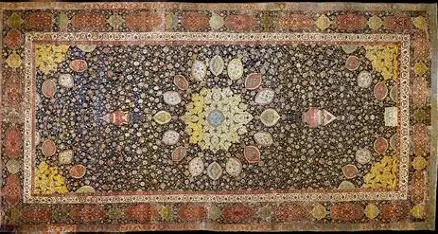
Name: Ardabil Carpet
Identifiers:
Artist: Maqsud of Kashan
Date: 1539-1540 CE
Location: Iran
Culture: Safavid,
Medium: Wool pile, Silk foundation
Monumental floor covering for a sacred setting, beautified and ordered the shrine. and Pilgrims and worshippers encountered devotion through luxury and scale

Name: Bahram Gur fights the Karg
Identifiers:
Date: 1330 - 1340 CE
Culture: il-Khanid Persia
Medium: Ink, Opaque watercolor, gold on paper
Illustrates the Shahnama, and preserves history and my, and Made for elite patrons and court viewers

Name: Court of Gayumars
Identifiers:
Patron: Sultan Muhammad
Date: 1522-1525 CE
Location: Safavid Persia
Culture: Safavid
Medium: Ink, Opaque watercolor, gold, silver, and paper
Expression of kingship, through imagery and an epic

Name: Merovingian Looped Fibulae
Identifiers:
Date: Mid sixth century CE
Medium: Silver-gilt, filigree, garnet and colored stone inlays
Expression of wealth, and status, through the use of expensive materials like gold

Name: Church of Ste. Foy
Identifiers:
Date: 1050 - 1130 CE
Location: Conques, France
Culture: Romanesque, Europe
Medium: Stone masonry, barrel vaults, and sculptural relief
Keeps worship flowing, inspires devotion in pilgrims, clergy and locals, while teaching beliefs
Houses the Last Judgement Tympanum

Name: Bayeux Tapestry
Identifiers:
Date: 1066 - 1080 CE
Location: Europe
Culture: Romanesque, Europe
Medium: Embroidery on Linen, wool yard
Functions as a historical narrative, political propaganda, and celebration of Norman victory

Name: Chartres Cathedral
Identifiers:
Date: 1194- 1220 CE
Location: Europe
Culture: Gothic, Europe
Medium: Limestone masonry,
The Chartres Symbolise the heavenly Jerusalem described in the revelation, while biblical stories cover portals windows, and walls

Name: Dedication page with Blanche of Castile and King Louis IX
Identifiers:
Date: 1226 - 1234 CE
Location: Europe
Culture: Gothic Europe
Medium: Ink, tempera, and gold leaf on vellum
Shows authority, devotion, and education

Name: Golden Haggadah
Identifiers:
Artist: Jewish artists
Date: 1320 CE
Location: Barcelona Spain
Medium: Pigment and gold leaf on vellum
Type: Illuminated manuscript
A guide through the passover meal, and telling of the Exodus, and Makes belief accessible and memorable, and unifies family in belief

Name: Mosque of Selim II
Identifiers:
Artist: Mimar Sinan
Patron: Sultan Selim II
Date: 1568 - 1575
Location: Edirne, Turkey
Culture: Ottoman
Medium: Brick and Stone
Buuilt to communicate political authority and legitimacy