Chapter 27- bacteria and archea
 Call Kai
 Learn
Learn Practice Test
 Spaced Repetition
 Match
Match Flashcards
 Knowt Play
1/31

There's no tags or description
Looks like no tags are added yet.
Name | Mastery | Learn | Test | Matching | Spaced | Call with Kai | Chat |
|---|
No analytics yet
Send a link to your students to track their progress
32 Terms
Bacteria
Microscopic single-celled prokaryotic organisms that lack a membrane-bound nucleus and organelles.
Archaea
Microscopic single-celled prokaryotes that lack a membrane-bound nucleus, featuring unique membrane lipids and cellular chemistry, frequently found in extreme environments.
What do bacteria and archaea have in common?
Both are microscopic, single-celled, prokaryotic organisms that lack a membrane-bound nucleus.
Peptidoglycan
A polymer consisting of sugars and amino acids that forms a structural component of the bacterial cell wall.
Polysaccarides and protiens
Archaea cell wall is made of…
Gram staining
Bacteria species separated using a special stain

Gram-positive
colored by gram stains, simpler cell walls
Gram-negative
not affected by gram stains, complex cell walls
Endospores
can help cell structure. It copies chromosomes and surrounds them, stopping metabolism. (like hibernation)
Fimbraie
hair-like structures that help archaea stick to things
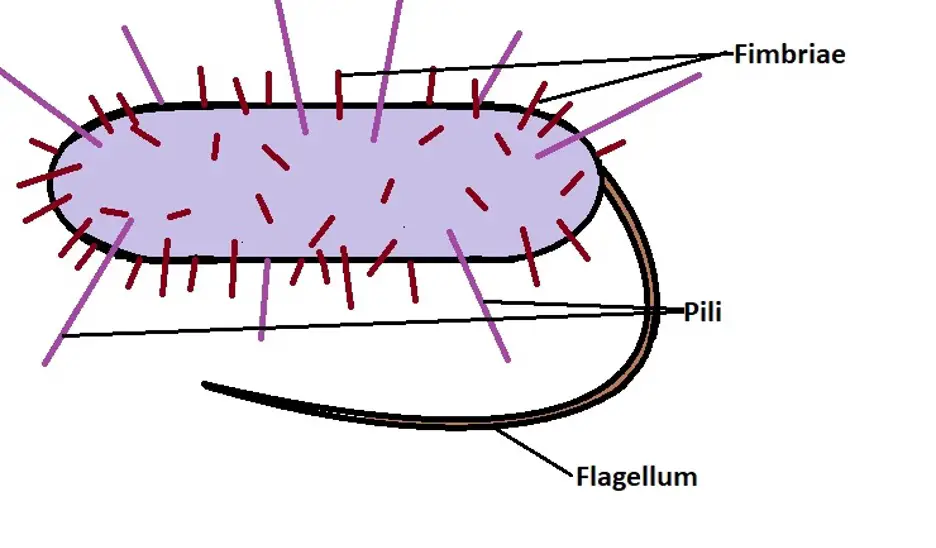
Pili
appendages that pull two cells together

Chemotaxis
movement pattern directed by chemicals
Flagellum

Bacterial flagellum parts
Motor, hook, and filament.

Exaptation
one function takes on a new function

Binary Fisson
bacteria reproduction. Cell divides into 2…then 4…and so on. Stops when the cell runs out of energy.

Reasons for genetic diversity
rapid reproduction, rapid mutation, and genetic recombination
Genetic recombination
the physical exchange of DNA segments between genetic materials

Transformation
foreign DNA picked up and incorporated
Transduction
carrying genes between host to cell
Conjugation
DNA transferred from two parent prokaryotes
Horizontal gene transfer
another species incorporated into a genome
R plasmids
a small, circular piece of DNA outside a bacterium's main chromosome that gives the cell resistance to antibiotics or other environmental poisons
Oxygen metabolism
the biochemical process by which cells use oxygen to convert nutrients into cellular energy
Obligate aerobes
cannot grow without oxygen
Obligate anaerobes
poisoned by oxygen
facultative anaerobes
use oxygen, but can use other things
Nitrogen metabolism
the set of biochemical processes that convert and use nitrogen-containing compounds across living organisms, while safely removing or recycling toxic nitrogen waste
Cooperation
colonies of prokaryotes
Anabacteria
can use photosynthesis
Proteobacteria
large, diverse, gram-negative bacteria
Extremorphiles
archaea that live in extreme environments
