Cells Chp. 4 AP Bio Cann
 Call Kai
 Learn
Learn Practice Test
 Spaced Repetition
 Match
Match Flashcards
 Knowt Play
1/35

There's no tags or description
Looks like no tags are added yet.
Name | Mastery | Learn | Test | Matching | Spaced | Call with Kai | Chat |
|---|
No analytics yet
Send a link to your students to track their progress
36 Terms
Types of Cells
Prokaryotes
Eukaryotes
Prokaryotes
Domain Bacteria and Archaea
No nucleus
DNA in a nucleoid
Cytosol
No organelles other than ribosomes
Small size
Primitive
Eukaryotes
Protist, Fungi, Plants, Animals
Have nucleays and nuclear envelope
Cytosol
Membrane-bound organelles with specialized structure
Much larger in size
More complex
Surface Area (SA)
Large SA allows increase rates of chemical exchange
Cells need large surface are to volume ratio
Villi
Finger like projections on small intestine wall
Microvilli
projections on each cell
Examples for Surface Area
Animal: Small intestine, highly folded surface to increase absorption of nutrients
Plant: Root hairs, extensions of root epidermal cells; increase surface area for absorbing water and minerals
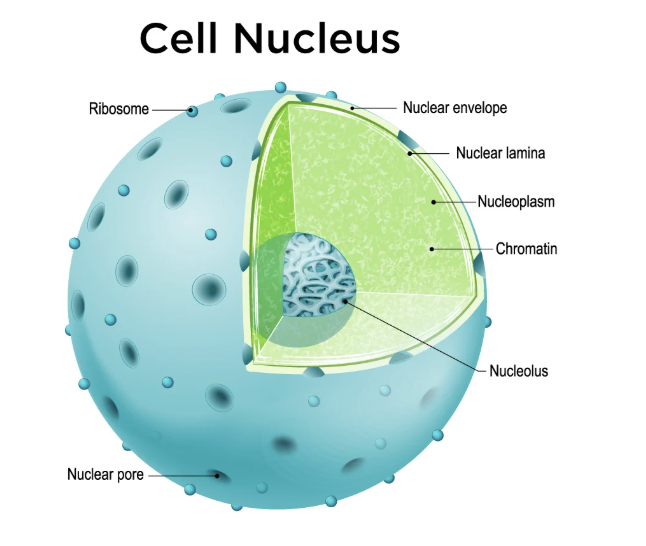
Nucleus
Function:control center of the cell
Contains DNA (and mRNA), nuclear pores, chromatin, and nucleolus
Surrounded by double membrane (nuclear envelope)
continuous with rough ER
Nuclear pores
Control what enters/ leaves nucleus
Chromatin
COmplex of DNA and proteins; makes up chromosome
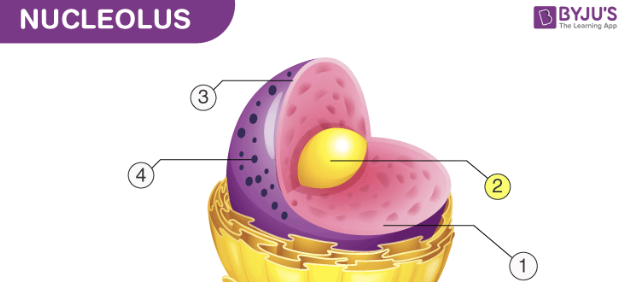
Nucleolus
Region where ribosomal subunits (rRNA + proteins are formed)
Ribosome
Function: Protein synthesis
Composed of rRna and protien
Large subunit and small subunit
2 types
Free and bound
Free Ribosome
Float in cytosol, produce proteins used within cell
Bound Ribosomes
Attached to ER, make proteins for export from cell
Endomembrane System
Regulates protein traffic and performs metabolic functions
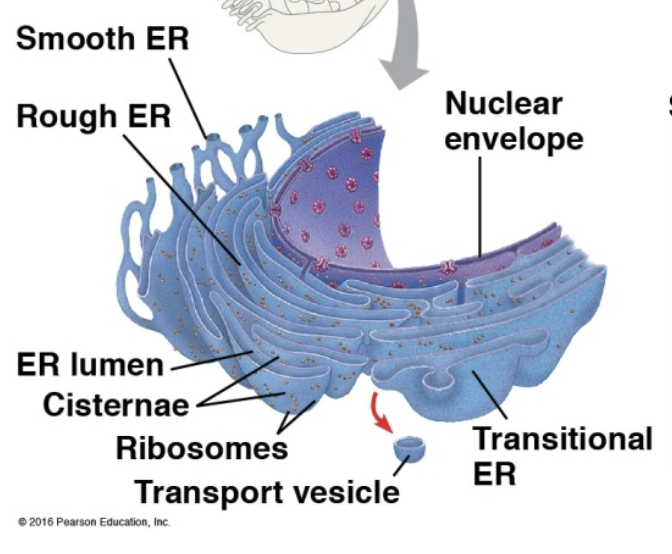
Endoplasmic Reticulum
Network of membranes and sac
Types: Rough ER and Smooth Er
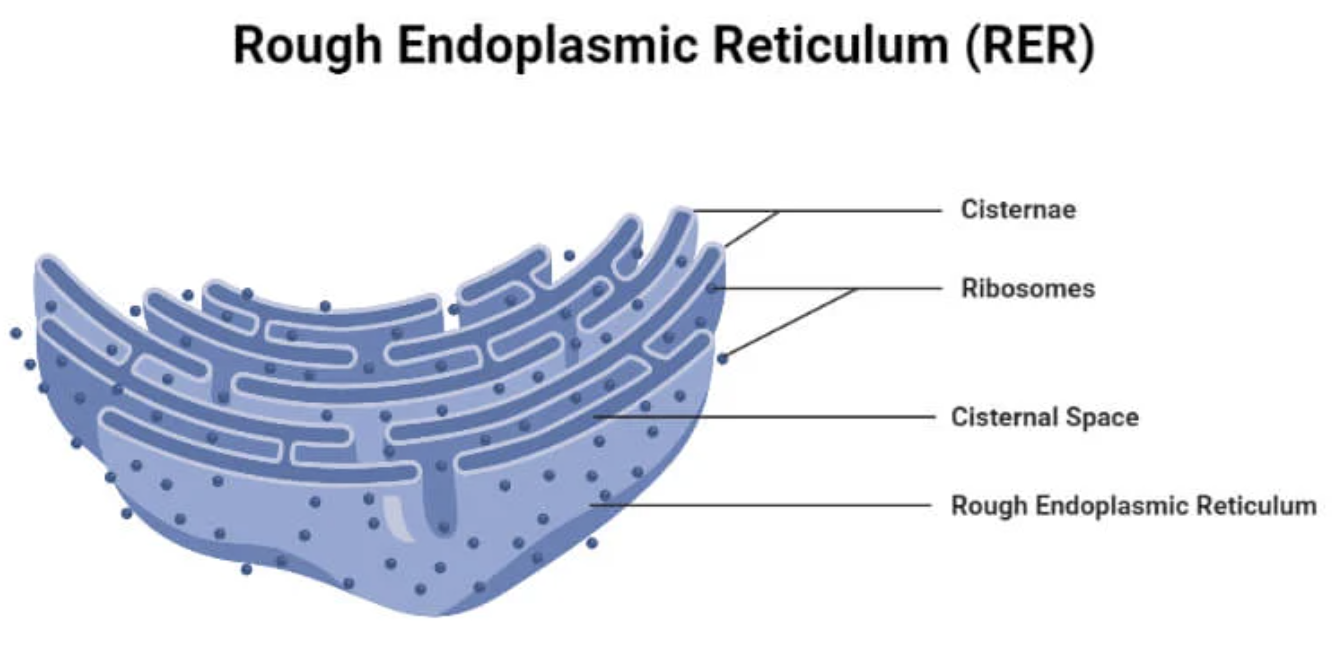
Rough ER
Ribosomes on surface
Runction: package proteins for secretion send transport vesicles to Golgi, make replacement membrane
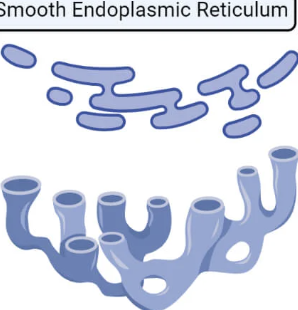
Smooth ER
No ribosomes on surface
Function: synthesize lipid, metabolize carbs, detox drugs and poisons, store Ca2+
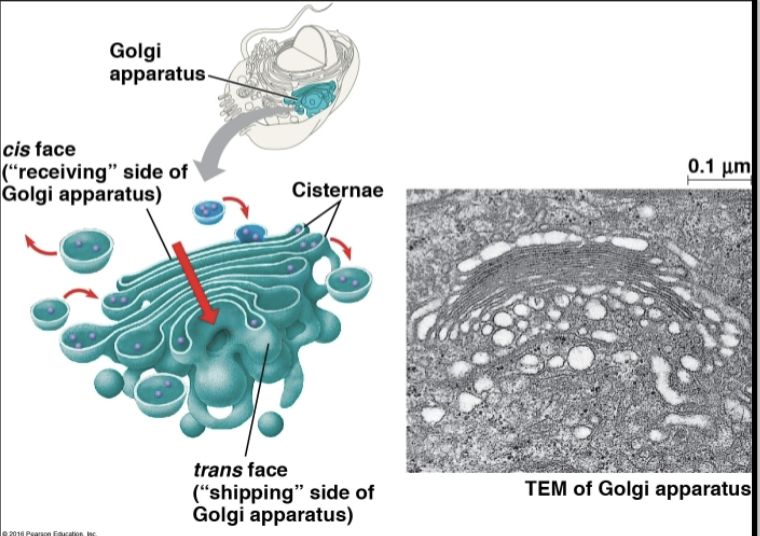
Golgi Apparatus
Function;: Synthesis and packaging of materials (Small molecules) for transport (in vesicles); produce lysosomes
Series of flattened membrane sacs (cisternae)
Cis Face: receives vesicles
Chris receives vanilla
Trans Face: ships vesicles
Trina ships vanilla
Lysosomes
Function: intracellular digestion; recycle cell’s materials; programmed cell death (apoptosis)
Contains hydrolytic enzymes
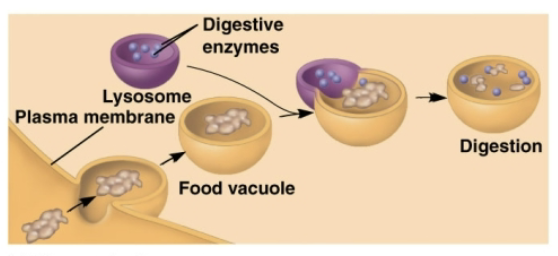
Phagocytosis
process by which a cell (phagocyte) engulfs and digsts particles particles like bacteria, dead cells and debris
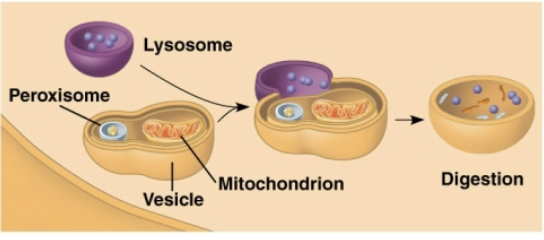
Autophagy
Body;s natural process of self-cleaning, cell break down and recycle their own damaged or old components, like proteins and organelles
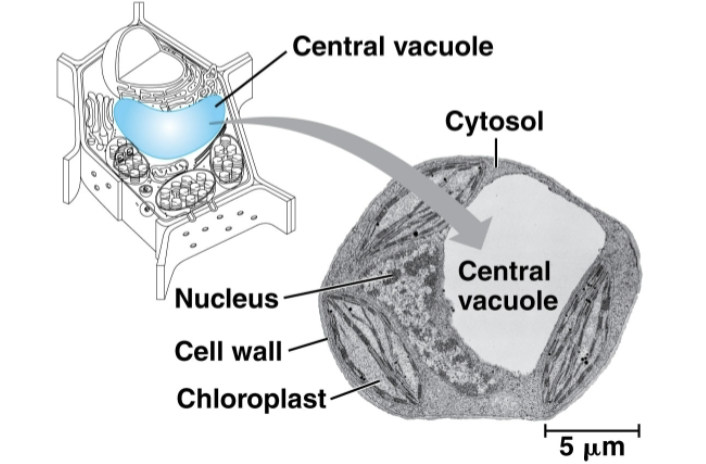
Vaculoles
Function: storage of materials (foo, water, minerals, pigments, and poisons)
Membrane-bound vesicles
food vacuoles, contractile vacuoles
Plants : large central vacuole → stores water and ions; retains water for turgor pressure (pressure of water against cell wall to maintain shape and rigidity of plant cells)
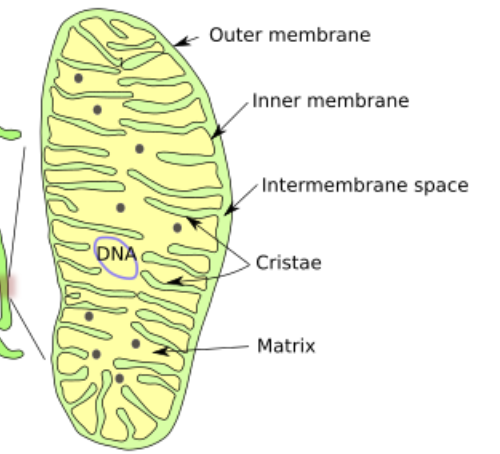
Mitochondria
Function: site of cellular respiration
Fouble membrane: outer and inneer membrane
Cristae
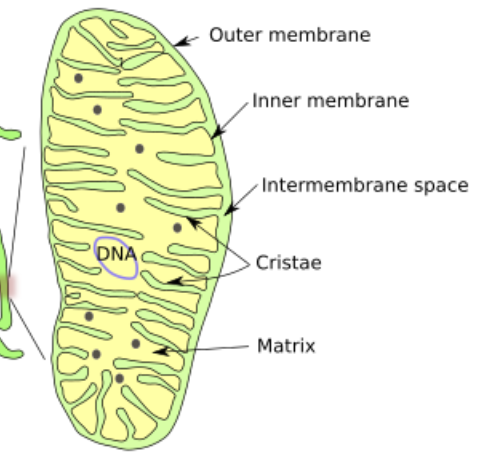
Matrix
Cristae
Folds of inner membrane; contains enzymes for ATP production; increase SA to increase ATP made
Matrix
fluid-filled inner compartment
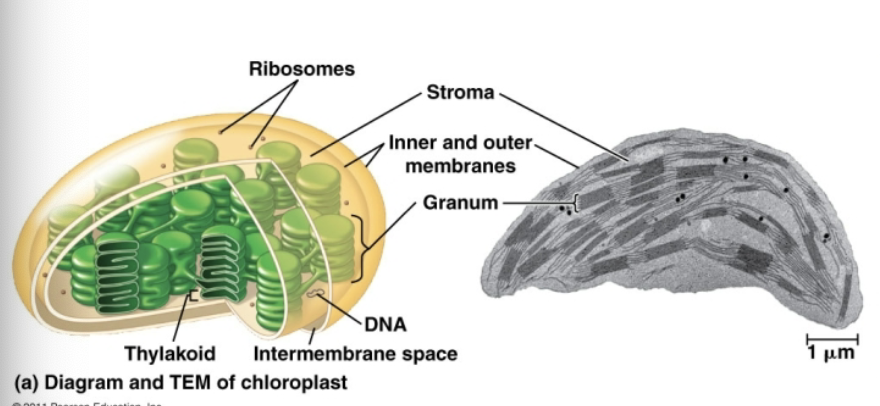
Chloroplasts
Functions site of photosynthesis
Double membrane
Thylakoid disks in stacks (grana); stroma (fluid)
Contains chlorophylls (pigments) for capturing sunlight energy
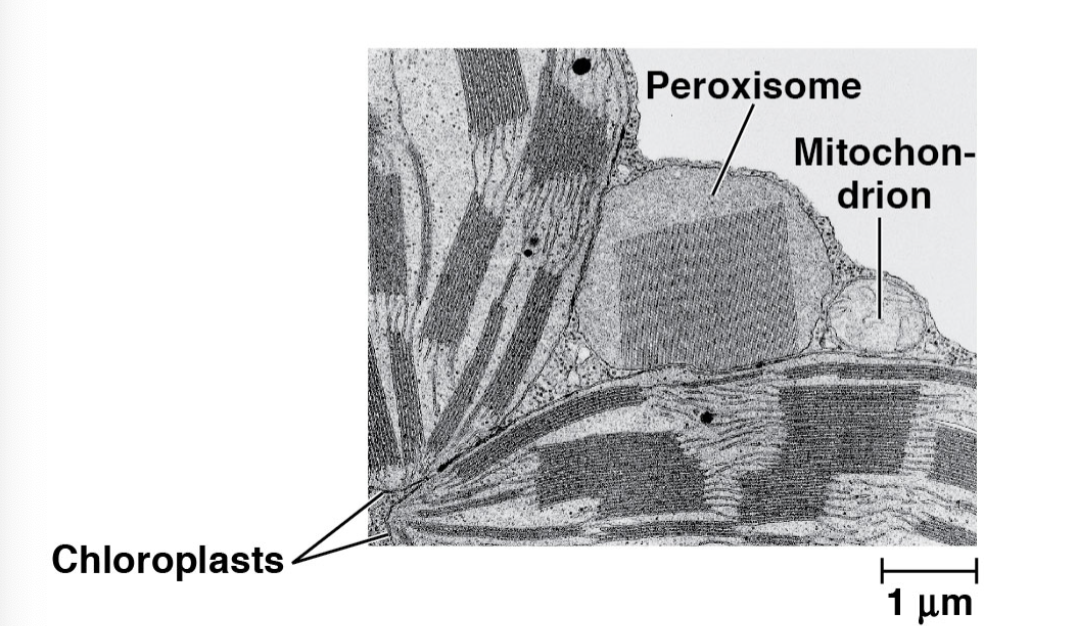
Peroxisomes
FUnctions: break down fatty acids: detox alcohol
Involves production of hydrogen peroxide (H202
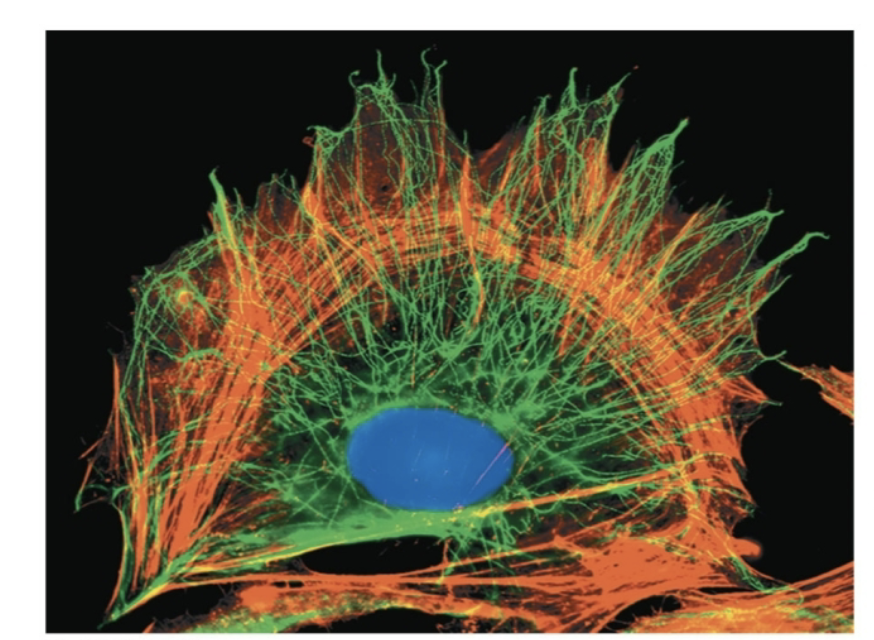
Cytoskeleton
Network of protein fibers
Function: support, motility, regulate biochemical activities
ex. actin, keratin, microtubules, microfilaments, and intermediate filaments
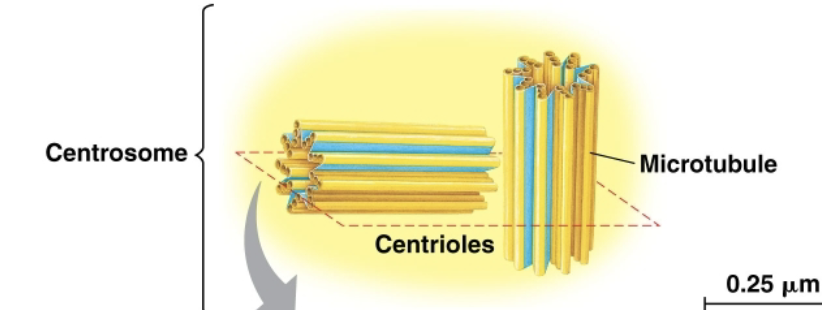
Centrosomes (aka microtubule organizing center)
Region from which microtubules grow
Animal cells contain centrioles
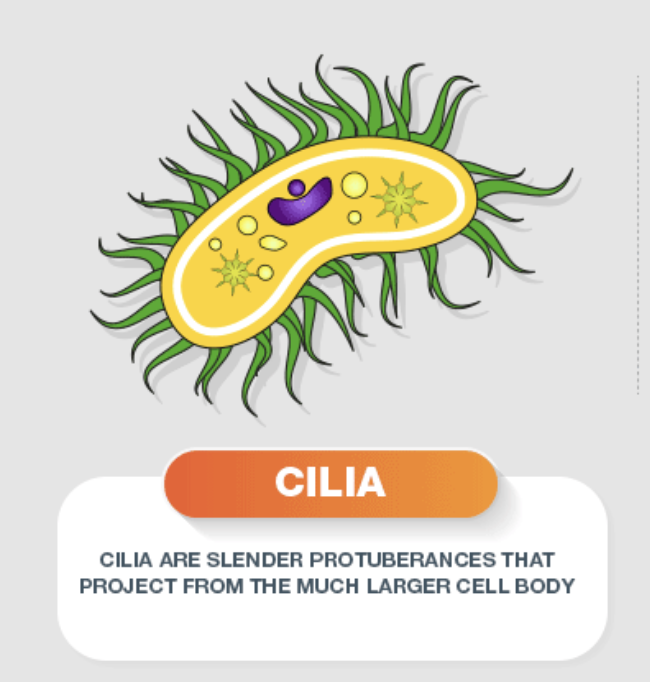
Cilia
Short and numerous; locomotion or move fluids
covering entire surface of the cell
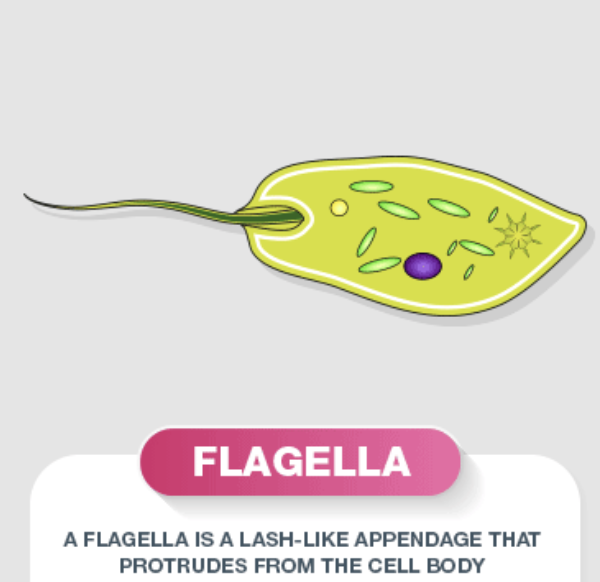
Flagella
long and few; propel through water
one of few points on cell
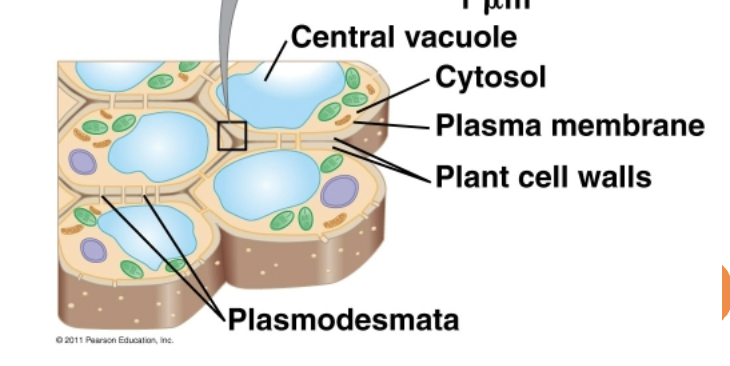
Plant cells
Cell wall: protect plant, maintain shape
composed of cellulose
Plasmodesmata
channels between cells to allow passage of molecules from cell to cell
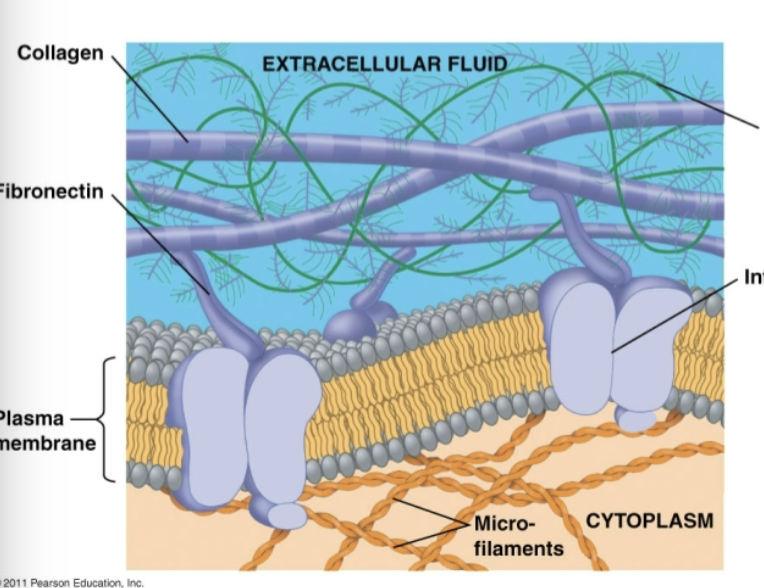
Extracellular Matrix (ECM)
Function: Strengths tissues and transmits external signals to cell
Outside plasma membrane of animal cells
COmposed of glycoproteins
ex. collagen
Plant Cell ONLY
centeral vaculoles
Chloroplasts
cell wall of cellulose
plasmodesmata
Animal Cells ONLY
Lysosomes
Centrioles
Flagella, culla
Desmosomes, tight and cap junctions
Extracellular Matrix (ECM)