Teas Properties of Matter/ chemistry
 Call Kai
 Learn
 Practice Test
 Spaced Repetition
 Match
 Flashcards
 Knowt Play
1/54

There's no tags or description
Looks like no tags are added yet.
55 Terms
Matter & Its Properties 🧪
There are two BIG categories you need to know:
Physical properties = What something LOOKS like or what we can MEASURE.
Chemical properties = How something can CHANGE into a NEW substance.
1. What is matter?
Anything that takes up space AND has mass.
Let's break that down:
Takes up space: It occupies a place.
Mass: The amount of matter (stuff) something contains.
Examples of matter:
Water
air
a table
a can
Remember: If it takes up space and has mass, it's MATTER!
What is mass?
Mass = How much STUFF is inside something.
Imagine:
A golf ball has more mass than a ping-pong ball.
Why? Because the golf ball contains more matter.
Memory trick: Mass = Amount of stuff!
2. What is a substance?
is matter that has a definite and uniform composition.
Let's translate those difficult words:
Definite: It stays the same.
Uniform: It's the same throughout.
Composition: What something is made of.
In other words:
A substance has the same makeup throughout.
Example: Table sugar (sucrose)
All pure table sugar is made of sucrose.
It doesn't matter which sample you pick. Pure sucrose has the same chemical makeup.
What about lemonade?
Lemonade is NOT a pure substance.
Why?
Because one pitcher might have:
More sugar.
Less lemon juice.
More water.
Every pitcher can have a different mixture.
Memory trick:
Substance = Same recipe!
Mixture = Different amounts can be mixed together!
3. Physical properties vs. Chemical properties
A. Physical properties
Physical property = Something you can observe or measure WITHOUT changing what the substance is.
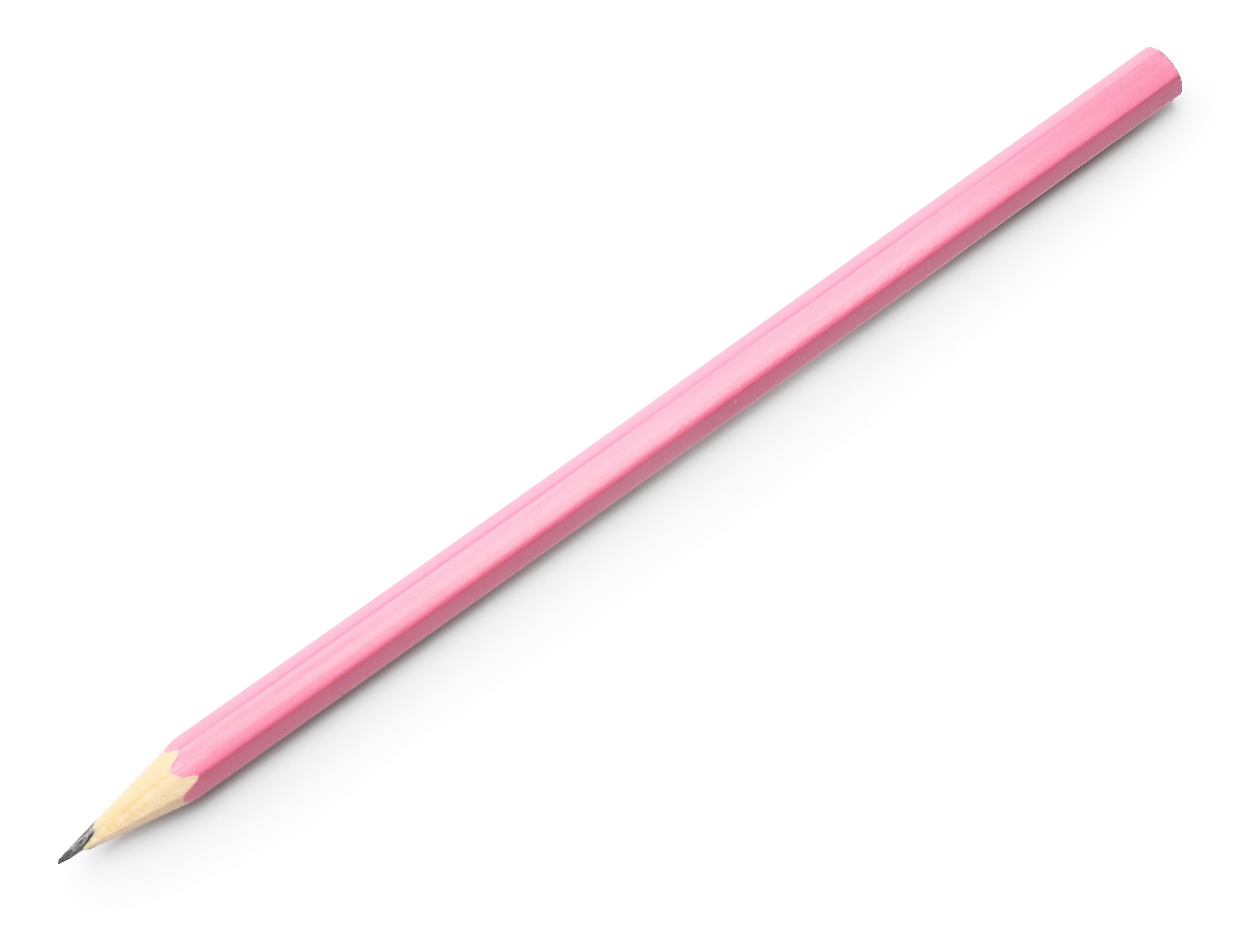
Think about looking at a pencil.
You can observe:
Color: Pink.
Shape: Long.
Size: Small.
Mass: How much matter it contains.
Volume: How much space it takes up.
Density: How tightly matter is packed together.
Notice something important:
The pencil is STILL a pencil!
You haven't changed what it's made of. You've only observed its characteristics.
Physical properties to memorize
Property | Super easy meaning |
|---|---|
Color | What color is it? |
Shape | What form does it have? |
Size | How big is it? |
Mass | How much matter? |
Volume | How much space? |
Density | How tightly packed? |
Solubility | Can it dissolve? |
Odor | What does it smell like? |
Hardness | How difficult is it to scratch? |
Boiling point | Temperature when it boils. |
Memory trick: LOOK & MEASURE!
If you can LOOK at it or MEASURE it without changing what it is, think PHYSICAL.
B. Chemical properties
The ability of a substance to react and form a NEW substance.
Let's use iron as an example.
When iron reacts with oxygen and water, it forms rust.
Here's what happened:
You started with iron.
Iron reacted with oxygen and water.
A NEW substance formed: rust.
That's a chemical change!
Chemical properties to memorize:
Property | Super easy meaning |
|---|---|
Flammability | Ability to catch fire and burn. |
Rusting | Ability of iron to form rust. |
Burning | Reacting in a way that produces heat and often light. |
Corrosion | Ability to break down through chemical reactions. |
Reactivity | How easily something reacts with another substance. |
Memory trick: NEW = CHEMICAL!
If a NEW substance forms, think CHEMICAL.
4. Let's understand the confusing physical properties
Density
Density = How tightly packed the matter is.
Imagine two containers that are the same size:
Something with HIGH density has more matter packed into the same amount of space.
Something with LOW density has less matter packed into the same amount of space.
Density = How PACKED something is!
Volume
Volume = How much space something takes up.
For example:
A swimming pool has a large volume.
A small cup has a smaller volume.
Memory trick: Volume = SPACE!
Solubility
Solubility = The ability of something to dissolve in a liquid.
Example: Sugar dissolves in water.
Memory trick: Solubility = Can it dissolve?


5. What exactly is the difference between a chemical property and a chemical change?
Think of it this way:
Chemical property: The ability to change into something new.
Chemical change: The actual process of changing into something new.
Example: Wood.
Flammability = Wood's ability to burn (chemical property).
Burning = The actual reaction that creates new substances (chemical change).
Another example:
Iron's ability to rust = Chemical property.
Iron actually forming rust = Chemical change.
Remember: PROPERTY = ABILITY. CHANGE = ACTUAL EVENT.
Your picture is comparing physical properties on the LEFT and chemical properties on the RIGHT.
LEFT: Physical properties
The pencil's color, shape, size, mass, and volume can be observed or measured without turning it into something else.
Still the same substance
RIGHT: Chemical properties
The match has the ability to burn. Burning involves a chemical reaction that produces new substances.
New substances form
The entire picture is teaching you:
Physical = Observe it without changing its identity.
Chemical = Ability to react and create something new.
7. Your TEAS cheat sheet — memorize this!
Physical properties | Chemical properties |
|---|
Physical properties | Chemical properties |
|---|---|
Color | Flammability |
Shape | Rusting |
Size | Burning |
Mass | Corrosion |
Volume | Reactivity |
Density | Ability to react |
Solubility | Ability to form new substances |
Odor | — |
Hardness | — |
Boiling point | — |
THE TWO MEMORY TRICKS
PHYSICAL = LOOK & MEASURE 👀
No new substance forms.
CHEMICAL = NEW SUBSTANCE 🧪
A chemical reaction can create something new.
PHYSICAL = LOOK & MEASURE. CHEMICAL = NEW SUBSTANCE.
1. Which is a physical property?
Color
can be observed without changing what the substance is.
2. Which is a chemical property?
Flammability
describes the ability to react and burn.
3. What is matter?
Anything that takes up space and has mass
Matter takes up space and has mass. Air is matter, too!
4. Why is lemonade not a pure substance?
Its ingredients can vary
Different lemonade mixtures can contain different amounts of water, sugar, and lemon juice.
5. Iron reacts with oxygen and water to form rust. What type of change is this?
A new substance (rust) forms, so this is a chemical change.
Intensive vs. Extensive Properties 🧪
There are only TWO things you need to understand:
Intensive = Does NOT depend on how much matter you have.
Extensive = DOES depend on how much matter you have.
Let's start from zero.
1. First, what does "amount of matter" mean?
Matter = Anything that takes up space and has mass.
The amount of matter simply means how much stuff you have.
Imagine you have a small glass of water and a HUGE pitcher of water.
The glass has LESS water.
The pitcher has MORE water.
They are both water, but the amount is different.
Now we can understand the two types of properties!
Intensive properties
Doesn't matter HOW MUCH you have!
INTENSIVE = INDEPENDENT
An intensive property stays the same even if you have a little or a lot of a substance.
Let's use water!
Imagine:
You have a tiny glass of pure water.
You have a giant pitcher of pure water.
Both have the same:
Boiling point (at the same pressure).
Freezing point (at the same pressure).
Density.
Even though one has more water, these properties stay the same!
Why? Because they DON'T depend on how much water you have.
Intensive properties to memorize
Property | Easy meaning |
|---|---|
Density | How tightly packed matter is |
Melting point | Temperature when a solid melts |
Boiling point | Temperature when a liquid boils |
Temperature | How hot or cold something is |
Color | What color it is |
Memory trick:
INTENSIVE = INDEPENDENT!
It doesn't care if you have a little or a lot.
Extensive properties =
DOES depend on how much you have!
EXTENSIVE = AMOUNT
An extensive property changes when the amount of matter changes.
Let's use water again!
Imagine:
A small glass of water.
A giant pitcher of water.
The pitcher has MORE:
Mass: More matter.
Volume: Takes up more space.
Total energy: More energy overall.
Why?
Because the pitcher contains MORE water!
Extensive properties to memorize
Property | Easy meaning |
|---|---|
Mass | How much matter |
Volume | How much space |
Energy | Total energy |
Memory trick:
EXTENSIVE = EXTRA AMOUNT!
More stuff = More mass, more volume, and generally more total energy.
Density vs. Mass vs. Volume
Your lesson says:
Mass = Extensive.
Volume = Extensive.
Density = Intensive.
But WHY?
Let's break it down.
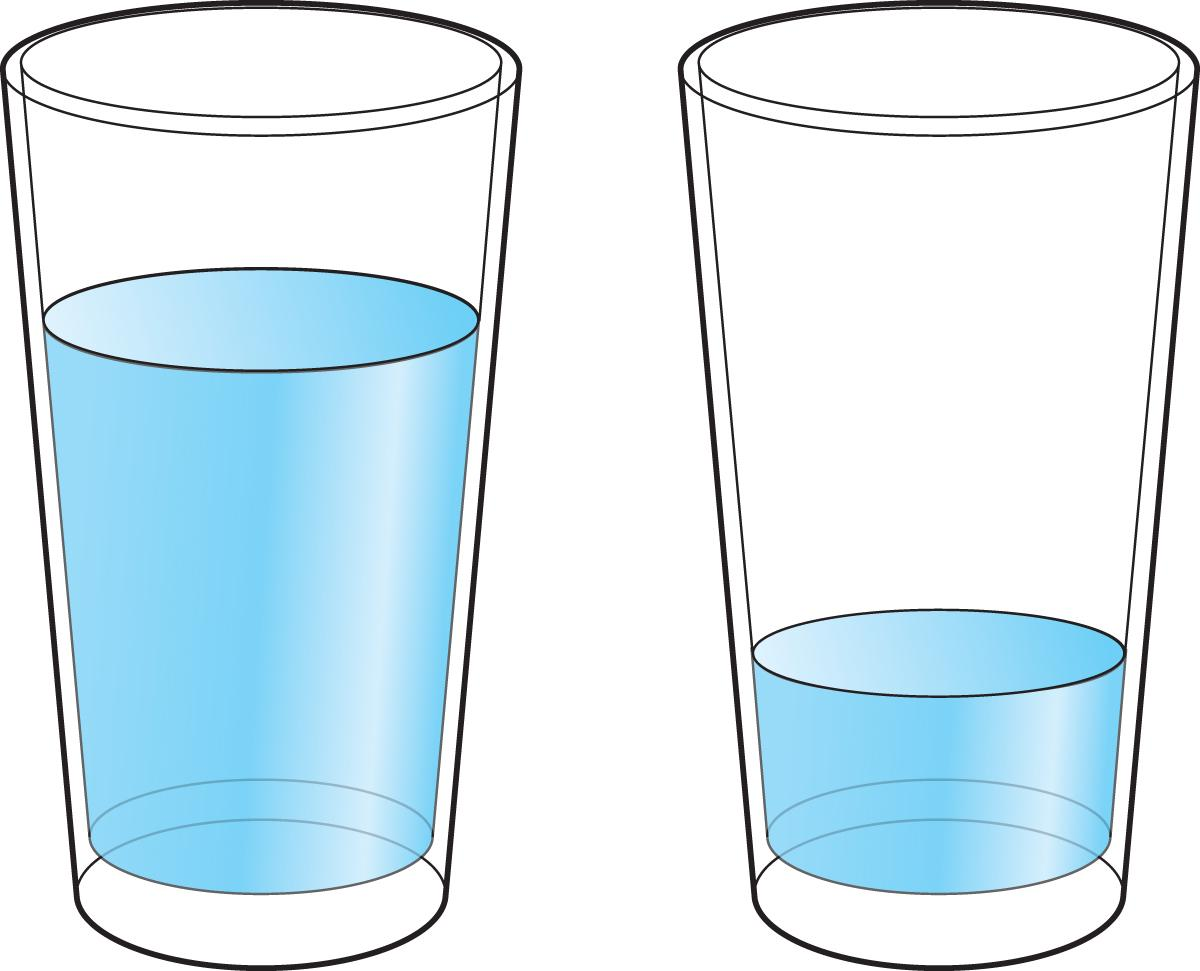
Imagine you have:
Container A: 1 cup of water.
Container B: 5 cups of water.
Container B has:
More mass.
More volume.
BUT the density of the water stays the same!
Why? Because density tells you how tightly packed the matter is, not how much water you have.
Here's the relationship:
Think of it this way:
Mass = How much stuff?
Volume = How much space?
Density = How packed is the stuff?
Density is a RATIO (a comparison) of mass to volume.
That's why density is intensive: when you have more of the same substance, both mass and volume increase together, so the ratio stays the same.
What your picture is showing you
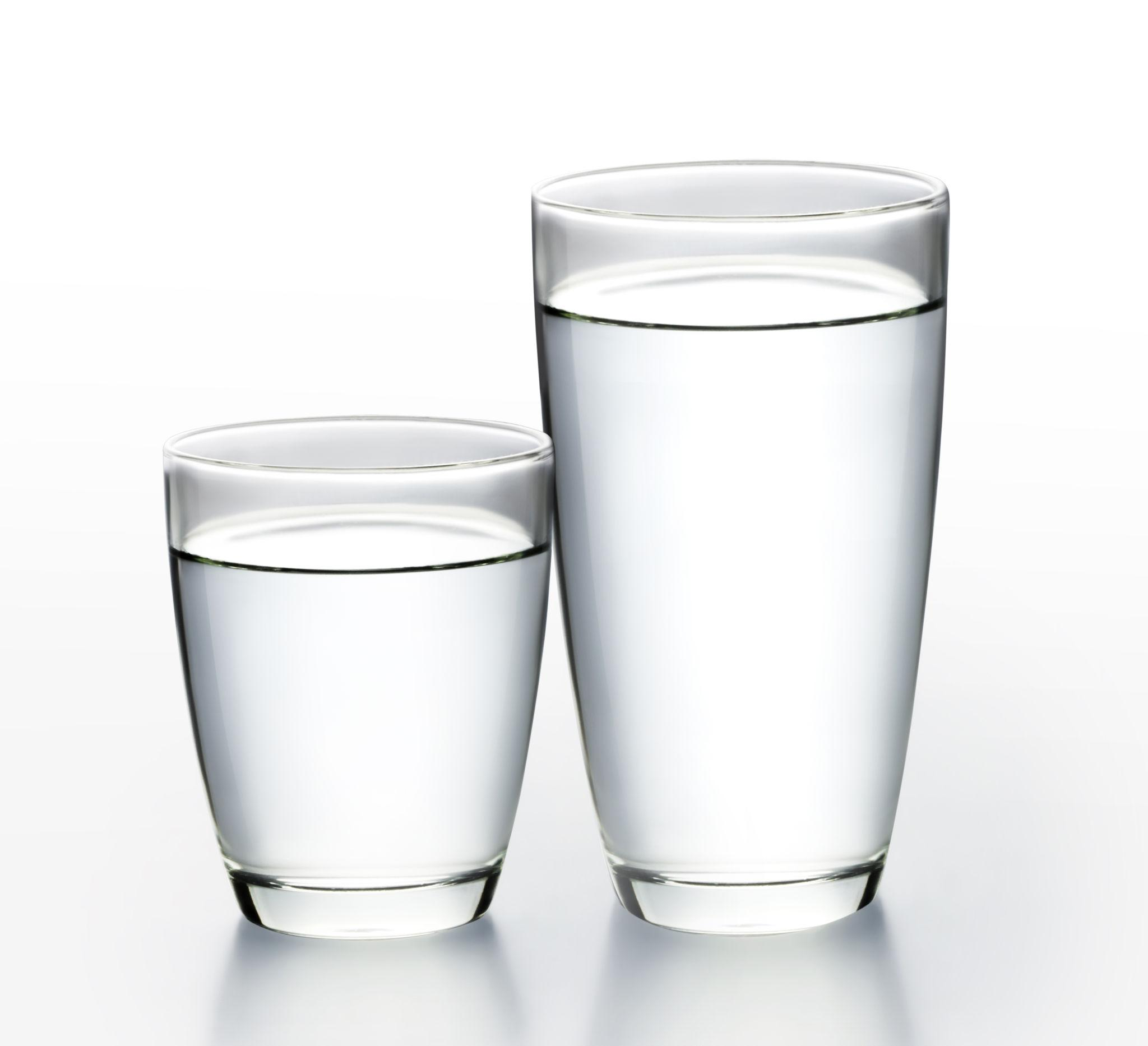
Your picture is a side-by-side comparison.
INTENSIVE (LEFT)
Does NOT depend on amount.
Example: A small amount of pure water and a large amount of pure water have the same density.
EXTENSIVE (RIGHT)
DOES depend on amount.
Example: The large pitcher has more mass and volume than the small glass.
The picture is teaching you that some properties stay the same, while others change depending on how much matter you have.
6. Your ultimate TEAS cheat sheet ⭐
This is what I want you to memorize:
intesive vs extensive
INTENSIVE 🔵 | EXTENSIVE 🟢 |
|---|---|
Independent of amount | Depends on amount |
Stays the same | Changes with amount |
Density | Mass |
Melting point | Volume |
Boiling point | Total energy |
Color | — |
Temperature | — |
Catchy memory tricks
INTENSIVE = INDEPENDENT
Doesn't matter HOW MUCH you have.
Think: Same density, same boiling point (under the same conditions).
EXTENSIVE = EXTRA
More matter = More amount.
Think: More mass, more volume!
If I have MORE of this substance, does this property change?
YES → Extensive.
NO → Intensive.
Which is an intensive property?
Density
stays the same for the same substance under the same conditions, regardless of sample size.
You have a small glass of pure water and a large pitcher of pure water. Which property stays the same?
Density stays the same because both samples are the same substance.
Which is an extensive property?
Mass
depends on how much matter you have.
What does extensive mean?
Depends on amount
Extensive properties depend on the amount of matter.
Which TWO are extensive properties?
Mass and volume
both increase when you have more of the same material.
1. Imagine you have ONE bottle of water. 💧
Now imagine you have 5 bottles of water.
You went from having a little water to having MORE water.
Here's the important question:
What changes when you have more water?
You have more water (more matter).
The total weight increases.
The amount of space the water takes up increases.
But something DOESN'T change!
The water is still the same kind of water. Its density stays the same!
WHY? Because having more water doesn't make each little bit of water more tightly packed.
That's the secret!
🟢 EXTENSIVE =
MORE STUFF = MORE AMOUNT
Extensive properties care about HOW MUCH stuff you have.
Imagine you have one glass of water.
Now imagine you pour more water into a bigger container.
What happens?
A. MASS (weight of matter)
More water = More matter = More mass.
Why? Because you literally added more stuff!
B. VOLUME (space)
More water = More space taken up = More volume.
Why? Because the extra water needs somewhere to go!
So:
Mass = Extensive.
Volume = Extensive.
Remember: If you ADD more stuff, the amount increases.
🔵 INTENSIVE =
DOESN'T CHANGE JUST BECAUSE YOU HAVE MORE
Now let's understand WHY density is different.
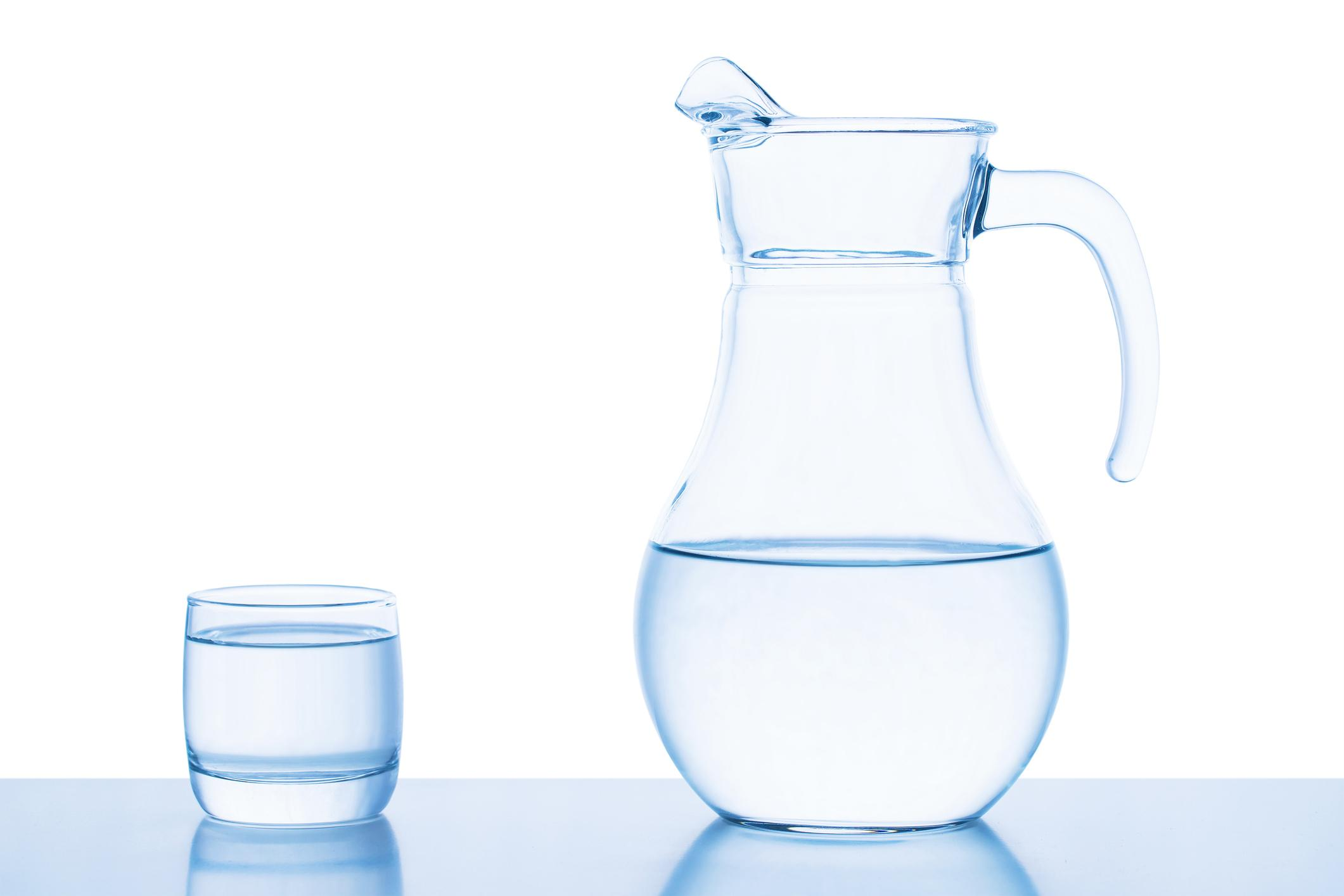
Imagine you have a tiny glass of water and a huge pitcher of water.
Both contain the SAME kind of water.
Think about density:
Density = How tightly packed the matter is.
Imagine a box with 10 little balls packed inside.
Now imagine a bigger box with 100 little balls packed inside, with the same amount of space per ball.
The bigger box has:
More balls.
More mass.
More space.
BUT the balls are packed just as tightly!
That's why the density stays the same.
You added MORE stuff, but you didn't change how tightly it is packed.
That's intensive!
3. Here's the easiest way to understand WHY
Imagine you cut a chocolate bar in half.
You now have a smaller piece.
What changed?
Property | What happened? |
|---|---|
Mass | Decreased |
Volume | Decreased |
Density | Stayed the same |
Melting point | Stayed the same |
WHY?
The smaller piece has less chocolate, so it has less mass.
It takes up less space, so it has less volume.
But it's still the same chocolate, packed the same way.
It still melts at the same temperature under the same conditions.
THAT is the difference!

4. The most important comparison
all
Ask yourself... | Answer |
|---|---|
Does more stuff mean more mass? | YES → Extensive |
Does more stuff mean more volume? | YES → Extensive |
Does more stuff mean more density? | NO → Intensive |
Does more stuff mean a higher boiling point? | NO → Intensive |
Does more stuff mean a different melting point? | NO → Intensive |
5. One last memory trick
EXTENSIVE = HOW MUCH?
More stuff = More mass and volume.
Think: Adding more chocolate makes the bar heavier and bigger.
INTENSIVE = WHAT KIND?
The characteristic stays the same for the same substance under the same conditions.
Think: A small piece and a big piece of the same chocolate have the same density.

Imagine you have a small piece of pure gold and a HUGE piece of pure gold.
The HUGE gold nugget has more mass.
But does it have a different density just because it's bigger?
No, because it's still the same gold packed the same way

TEAS Science: PHASE CHANGES 🧊💧☁
The entire lesson is about ONE thing: Matter changing from one form to another.
For example:
Ice turns into water.
Water turns into steam.
Steam turns back into water.
Those are called PHASE CHANGES.
1. First: What is a phase?
A phase is just another word for a state or form of matter.
There are 3 main states you need to know:
SOLID 🧊
Has its own shape. Particles are packed closely together and mainly vibrate in place.
LIQUID 💧
Flows and takes the shape of its container. Particles can move around each other.
GAS ☁
Spreads out to fill the space available. Particles move freely and are far apart.
What are particles?
Particles are the tiny pieces that make up matter.
Imagine them like tiny little balls.
Solid = Tiny balls packed together.
Liquid = Tiny balls can slide around.
Gas = Tiny balls spread far apart.
IMPORTANT: When matter changes state, the particles are still the same substance. They are just moving differently and arranged differently!

2. The BIG secret: HEAT!
Before learning the six phase changes, understand this:
Adding heat = Particles gain energy and move faster.
Removing heat = Particles lose energy and move slower.
Think of it like this:
Imagine the particles are little kids:
Solid: Everyone stays close together.
Liquid: Everyone can move around.
Gas: Everyone spreads out and moves freely.
Adding heat gives particles more energy to move around. Removing heat takes energy away.
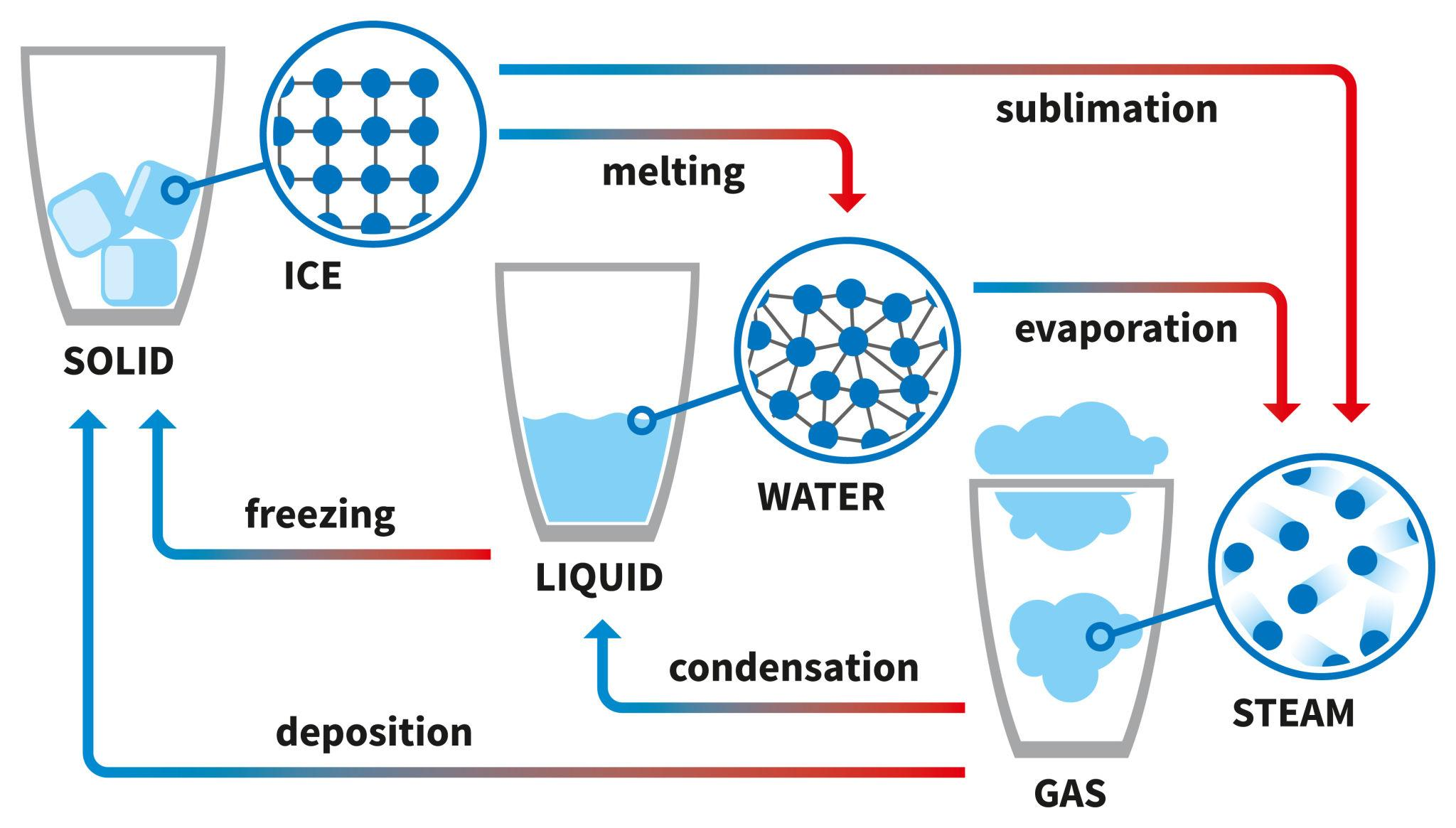

3. The six phase changes
1-2
1. MELTING: Solid → Liquid
ADDING HEAT 🔥
Melting = Something SOLID turns into a LIQUID.
Example: Ice melting into water.
What's happening?
You add heat to the ice.
The particles gain energy.
They move around more.
They can slide past each other.
The ice becomes liquid water!
Memory trick: MELTING = ICE MELTS!
Think of an ice cube sitting outside on a hot day.
2. FREEZING: Liquid → Solid
REMOVING HEAT ❄
Freezing = Something LIQUID turns into a SOLID.
Example: Water turning into ice.
What's happening?
You remove heat from the water.
The particles lose energy.
They move slower.
They become arranged in a solid structure.
The water becomes ice!
Memory trick: FREEZING = FREEZER = ICE!

3. The six phase changes
3. EVAPORATION: Liquid → Gas
ADDING HEAT 🔥
Evaporation = A LIQUID turns into a GAS from its surface.
Example: A puddle disappearing on a sunny day.
What's happening?
The sun warms the water.
Some water particles gain enough energy to escape.
They leave the surface.
They enter the air as water vapor (gas).
Water vapor = Water in gas form.
Important: The water doesn't disappear! It changes into a gas and mixes with the air.
Memory trick: EVAPORATION = WATER ESCAPES!
4. CONDENSATION: Gas → Liquid
REMOVING HEAT ❄
Condensation = A GAS turns into a LIQUID.
Example: Water droplets forming on the outside of a cold glass.
What's happening?
Water vapor in the air touches the cold glass.
The water vapor loses heat.
Its particles slow down.
The gas turns into liquid water droplets.
Memory trick: CONDENSATION = DROPLETS!
Think of a cold drink on a hot day. The outside gets wet because water vapor in the air condenses into liquid.


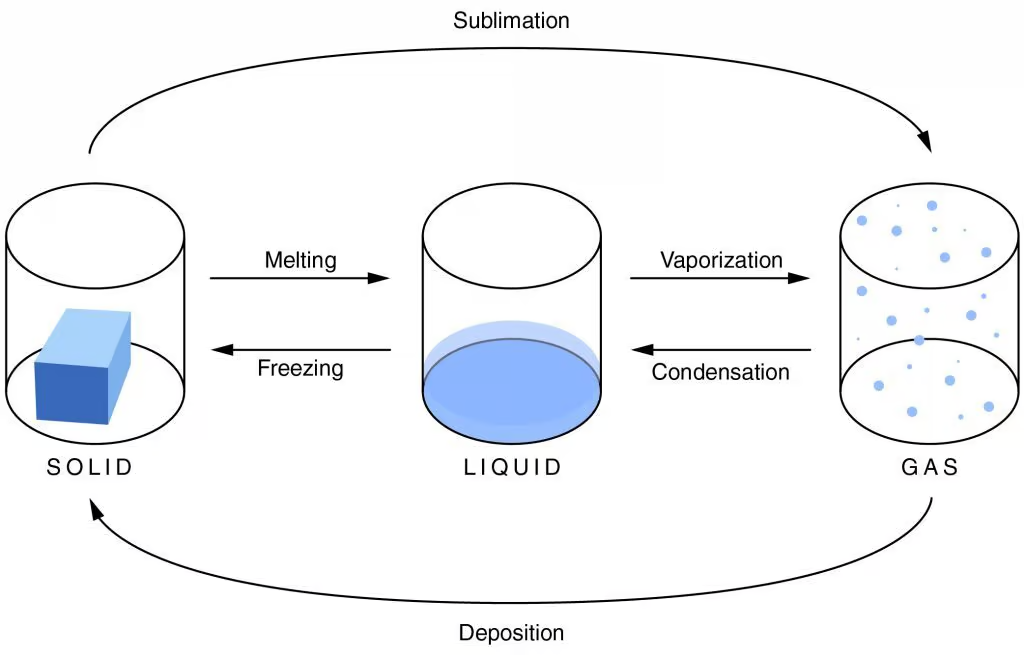
3. The six phase changes
SUBLIMATION
Solid → Gas
ADDING ENERGY 🔥
Sublimation = A SOLID turns DIRECTLY into a GAS.
It skips the liquid stage!
Example: Dry ice.
Dry ice is frozen carbon dioxide.
It changes directly from solid carbon dioxide into carbon dioxide gas.
It does NOT become liquid first under ordinary atmospheric pressure.
Memory trick: SUBLIMATION = SKIPS THE LIQUID!
Think: Solid → WHOOSH → Gas!
6. DEPOSITION: Gas → Solid
REMOVING ENERGY ❄
Deposition = A GAS turns DIRECTLY into a SOLID.
It skips the liquid stage!
Example: Frost forming on a cold window.
What's happening?
Water vapor in the air touches a very cold surface.
It loses energy.
It changes directly into ice crystals.
Frost forms!
There is NO liquid water in between.
Memory trick: DEPOSITION = GAS DROPS INTO SOLID!
Think: Gas → WHOOSH → Solid!

4. THE MOST IMPORTANT CHEAT SHEET: All six together!
Adding heat = Gaining energy 🔥
MELTING
Solid → Liquid
Ice becomes water.
EVAPORATION
Liquid → Gas
Water becomes vapor.
SUBLIMATION
Solid → Gas
Dry ice becomes gas.
Removing heat = Losing energy ❄
FREEZING
Liquid → Solid
Water becomes ice.
CONDENSATION
Gas → Liquid
Vapor becomes water.
DEPOSITION
Gas → Solid
Vapor becomes frost.
5. The easiest way to remember the opposites
These are THREE PAIRS:
First change | Its opposite |
|---|---|
Melting: Solid → Liquid | Freezing: Liquid → Solid |
Evaporation: Liquid → Gas | Condensation: Gas → Liquid |
Sublimation: Solid → Gas | Deposition: Gas → Solid |
Catchy trick:
Melt ↔ Freeze
Evaporate ↔ Condense
Sublimate ↔ Deposit
If you know one, you can remember its opposite!
Evaporation vs. Boiling
Both are LIQUID → GAS, but they're not exactly the same.
EVAPORATION
Happens at the surface.
Can happen at many temperatures.
Usually happens gradually.
BOILING
Happens throughout the liquid.
Bubbles form inside.
Happens at the boiling point (at a given pressure).

Memory trick:
Evaporation = Surface.
Boiling = Bubbles throughout!
One more important correction from your notes:
Your reading says the evaporation point is the same as the freezing point. That's incorrect. Evaporation does NOT have one specific temperature. It can happen below the boiling point, too.

7. What happens to temperature during a phase change?
Remember when we talked about adding and removing heat?
Here's something important for TEAS:
When a pure substance is changing from one state to another at a fixed pressure, its temperature generally STAYS CONSTANT during the actual phase change.
For example, ice melting:
Before melting: Ice gets warmer.
During melting: Temperature stays at its melting point while ice changes into water.
After all the ice melts: The liquid water can get warmer.
Why? The energy is being used to change how the particles are arranged, rather than increasing their average kinetic energy (motion).
This is why adding heat doesn't always mean the temperature immediately increases!
8. Your ultimate memory sheet
ADD HEAT = GAIN ENERGY 🔥
Particles move more.
Melting: Solid → Liquid
Evaporation: Liquid → Gas
Sublimation: Solid → Gas
REMOVE HEAT = LOSE ENERGY ❄
Particles move less.
Freezing: Liquid → Solid
Condensation: Gas → Liquid
Deposition: Gas → Solid
1. Ice turns into liquid water. What is this called?
Melting is
solid → liquid. Ice gains heat and becomes water.
2. Water vapor turns into liquid droplets on a cold glass. What is this?
Condensation
is gas → liquid. The vapor loses heat.
3. Which phase change goes directly from solid to gas?
Sublimation skips the liquid stage!
4. Frost forms directly from water vapor. What is this called?
Deposition is gas → solid, skipping the liquid stage.
5. What happens to particles when heat is removed?
They lose energy and move slower
Removing heat means particles lose energy and generally move slower.
6. Where does evaporation happen?
At the surface of the liquid
Evaporation happens at the liquid's surface and can occur at many temperatures.
7. Water turns into ice. What is this called?
Freezing is liquid → solid. Water loses heat.
Water's Molecular Properties 💧
Cohesion vs. Adhesion
There are TWO things you need to learn:
Cohesion = Water sticks to WATER.
Adhesion = Water sticks to OTHER things.
That's the entire foundation of this lesson!
But let's start from the beginning so you understand WHY.
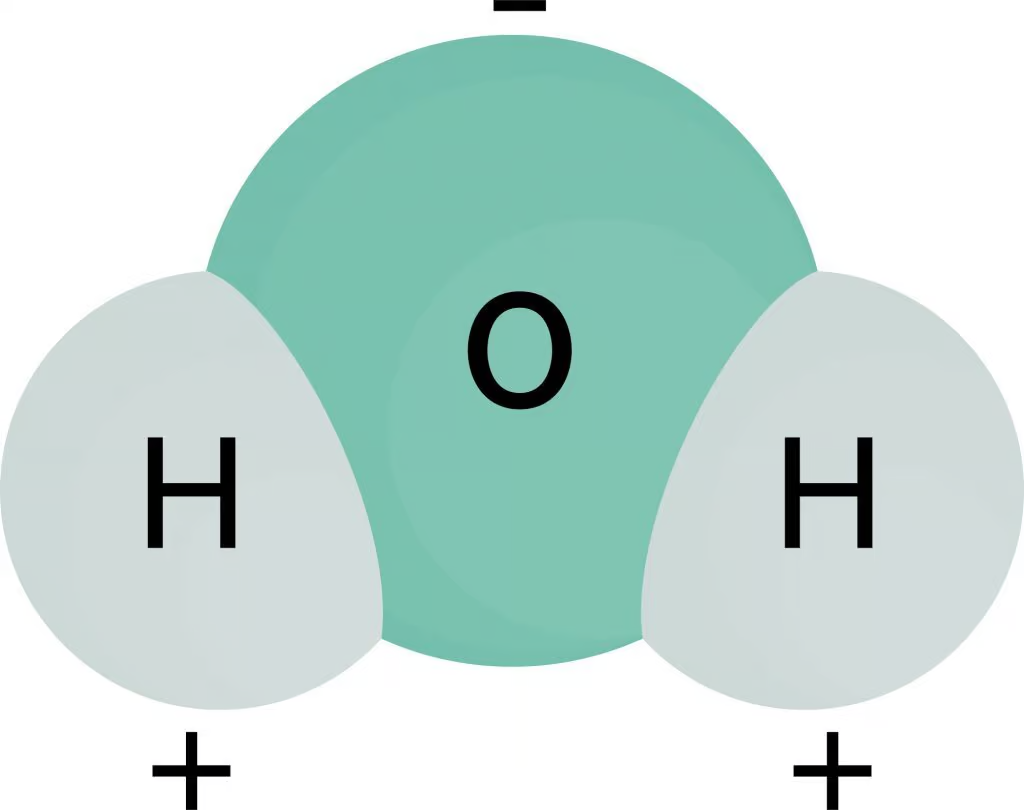
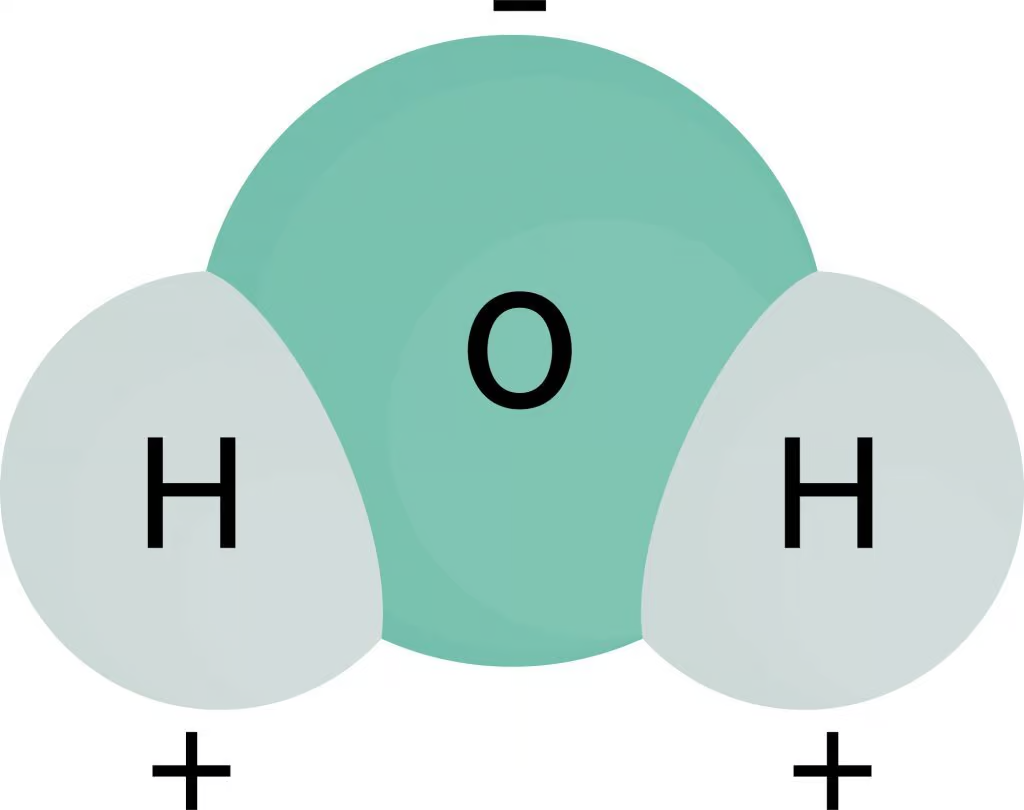
1. First, what is a water molecule?
Look at your first picture.
Water's chemical formula is H₂O.
That means every water molecule has:
2 hydrogen atoms (H).
1 oxygen atom (O).
What is a molecule?
A molecule is simply two or more atoms joined together.
Think of the water molecule as a little team:
H = Hydrogen.
H = Hydrogen.
O = Oxygen.
Together they make WATER!
2. What does POLAR mean?
This is another big word in your reading.
Polar = One side is slightly negative, and the other side is slightly positive.
Look at your first picture. It shows the water molecule with:
Oxygen (O) = Slightly negative side (−).
Hydrogen (H) = Slightly positive side (+).
Why?
Oxygen pulls the shared electrons more strongly toward itself than hydrogen does.
Let's break down that sentence:
Electrons: Tiny negatively charged particles inside atoms.
Pulls more strongly: Oxygen attracts those electrons closer to itself.
Because of that, oxygen becomes slightly negative, while the hydrogen side becomes slightly positive.
IMPORTANT: These are PARTIAL charges, not full positive and negative charges.
Memory trick:
O = Negative (−)
H = Positive (+)
Think: O is negative, H is positive!
3. COHESION =
Water sticks to WATER 💧
WATER + WATER
Cohesion means molecules of the SAME substance stick to each other.
Let's imagine you have a few drops of water.
What happens?
Water molecules are attracted to other water molecules.
They want to stay together!
WHY?
Remember:
Oxygen has a slightly negative side.
Hydrogen has a slightly positive side.
Opposite charges attract, so neighboring water molecules attract each other.
This attraction helps water molecules stick together. It's called cohesion.
Real-life example: Water droplets
Imagine water falling onto a table.
Instead of every tiny bit of water spreading out separately, water molecules attract each other and form droplets.
That's COHESION!
Memory trick:
COHESION = CLOSER TO ITS OWN KIND!
Or even easier:
COHESION = WATER LOVES WATER.
4. ADHESION =
Water sticks to OTHER things
WATER + SOMETHING ELSE
Adhesion means water is attracted to a DIFFERENT substance or surface.
For example, imagine water touching the side of a glass.
The water is attracted to the glass.
That's ADHESION!
Other examples:
Water sticking to a paper towel.
Water sticking to glass.
Water sticking to the walls of tiny plant tubes.
Memory trick:
ADHESION = ATTACHES TO ANOTHER THING!
Think: Water sticks to OTHER things.
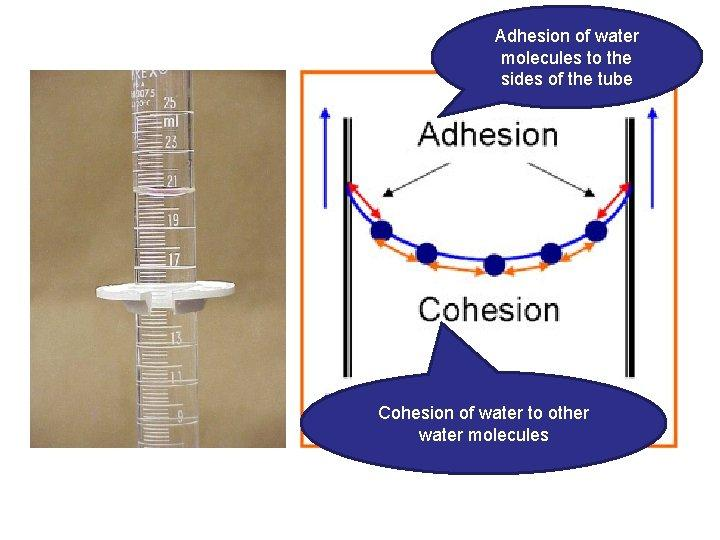
5. Now let's understand your SECOND picture!
This picture shows BOTH cohesion and adhesion happening at the same time.
COHESION (middle)
The water molecules attract OTHER water molecules.
ADHESION (sides)
The water molecules are attracted to the sides of the surface.
Both help water move through tiny spaces.
Here's a really easy way to picture it:
Imagine a line of people holding hands while also holding onto the walls beside them.
Holding hands with each other = COHESION.
Holding onto the walls = ADHESION.
That's what your picture is trying to teach you!

6. WHY does this matter in plants? 🌱
Your reading talks about how water travels UP a plant.
But wait...
How does water travel up a plant when gravity pulls things DOWN?
Let's break it down.
Plants have tiny tubes called xylem.
Xylem = Tiny tubes that transport water from the roots up to the stems and leaves.
Here's what happens:
The roots absorb water from the soil.
Water enters the xylem tubes.
Cohesion: Water molecules stick to each other, forming a connected column of water.
Adhesion: Water molecules are attracted to the walls of the xylem tubes.
Together, these properties help water move upward through the plant.
Why is this important?
Because plants need water to reach their leaves!
Memory trick:
COHESION = Water sticks together.
ADHESION = Water sticks to the tube walls.
XYLEM = The tubes that carry water.
One extra detail: Water evaporating from leaves (transpiration) helps pull the connected water column upward. Cohesion and adhesion help support that movement.

7. Your ultimate TEAS cheat sheet
This is what I want you to memorize!
Word | Super easy meaning | Example |
|---|---|---|
Polar | One side slightly +, other slightly − | Water molecule |
Cohesion | Water sticks to water | Water droplets |
Adhesion | Water sticks to other things | Water sticking to glass |
Xylem | Tubes that carry water in plants | Water traveling to leaves |
COHESION = SAME
Water + Water 💧
ADHESION = DIFFERENT
Water + Something else 💧
COHESION = SAME (water + water).
ADHESION = DIFFERENT (water + glass).
POLARITY = One slightly positive side and one slightly negative side.
XYLEM = Water-carrying tubes in plants.

Diffusion vs. Osmosis 💧
The biggest thing I want you to remember is:
DIFFUSION = Particles spread out.
OSMOSIS = WATER moves through a special membrane.
Both involve movement, but they are NOT the same thing.
Let's build your understanding step by step.
1. First, understand what concentration means
Before we learn diffusion and osmosis, you need to understand one little word:
Concentration = How MUCH of something is in a certain space.
Imagine two rooms:
HIGH concentration
Lots of people in one space.
LOW concentration
Very few people in one space.
Think about it:
HIGH = A LOT.
LOW = A LITTLE.
That's all concentration means!
Memory trick: HIGH = MANY. LOW = FEW.


2. What does movement from HIGH to LOW mean?
Imagine you spray perfume in one corner of a room.
At first:
One corner has LOTS of perfume particles.
The other side has very FEW perfume particles.
What happens?
The perfume particles spread throughout the room.
Eventually, the perfume becomes more evenly spread out.
That's movement from:
HIGH concentration → LOW concentration.
Why?
Particles move randomly in all directions. But because there are more particles in the crowded area, the overall movement is from the crowded area toward the less crowded area.
This is called DIFFUSION.
3. DIFFUSION = Particles spread out
DIFFUSION = HIGH → LOW
Diffusion is when particles move from an area of HIGH concentration to an area of LOW concentration.
Let's use another example.
Imagine you put a drop of food coloring into a glass of water.
At first:
One area has LOTS of food coloring.
The rest of the water has very LITTLE food coloring.
Then the food coloring spreads throughout the water.
Eventually, it becomes evenly spread out.
That's DIFFUSION!
Why does this happen?
Particles are always moving randomly.
They spread out from crowded areas into areas where there are fewer particles.
Another real-life example: Your lungs!
Your lungs contain tiny air sacs called alveoli.
Here's what happens:
There is MORE oxygen in the air inside the alveoli.
There is LESS oxygen in the blood arriving at the lungs.
Oxygen moves from the alveoli into the blood.
This movement is called DIFFUSION.
Memory trick:
DIFFUSION = EVERYDAY PARTICLES SPREAD OUT!
Perfume, food coloring, oxygen — all examples of diffusion.

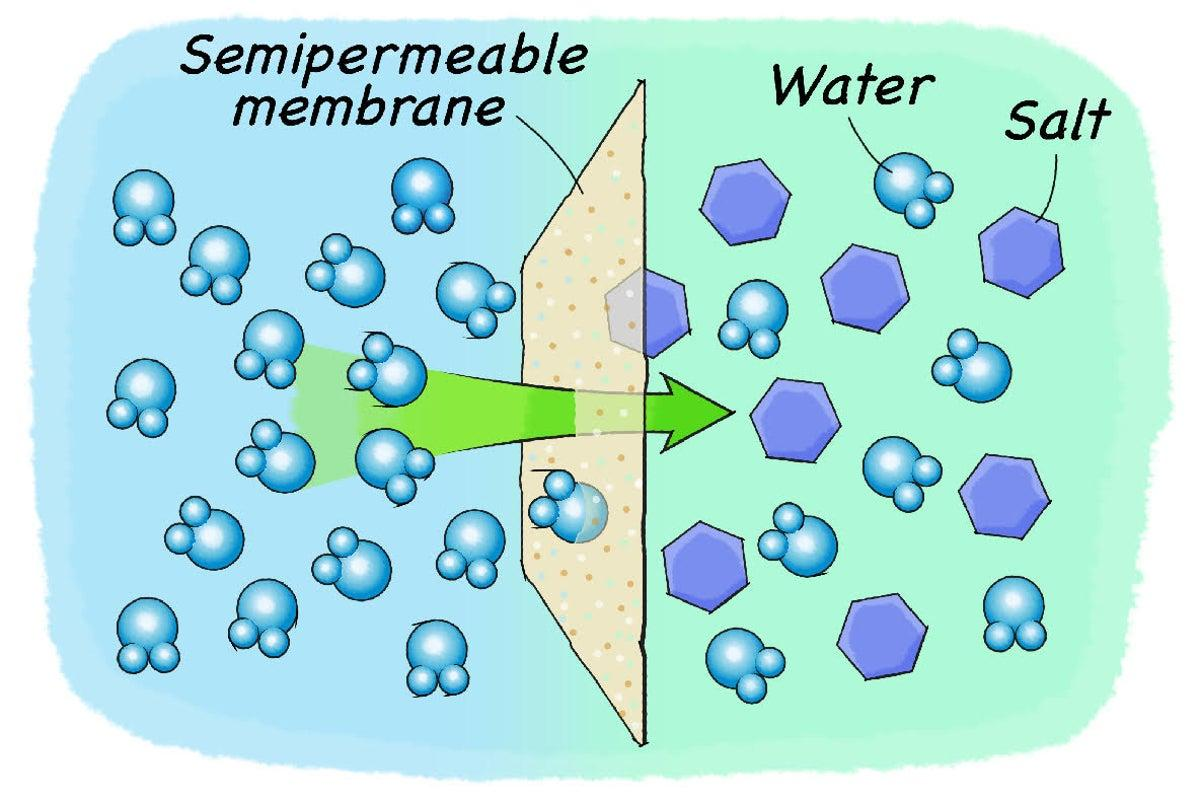
4. Now, what is a membrane?
This is VERY important because osmosis involves a membrane.
A membrane is like a thin wall or barrier that separates two areas.
Imagine a wall with tiny openings.
Your cells have membranes!
But here's the important part:
A semipermeable membrane is a special barrier that allows SOME substances to pass through but prevents OTHERS from passing through.
Break down the word:
Semi = Some or partly.
Permeable = Able to pass through.
So:
Semipermeable = Some things can pass through, but not everything.
Think of a security gate:
Some people are allowed in.
Others are not.
That's how a cell membrane works!
5. OSMOSIS =
WATER moves through a membrane
OSMOSIS = WATER ONLY
Now we're ready!
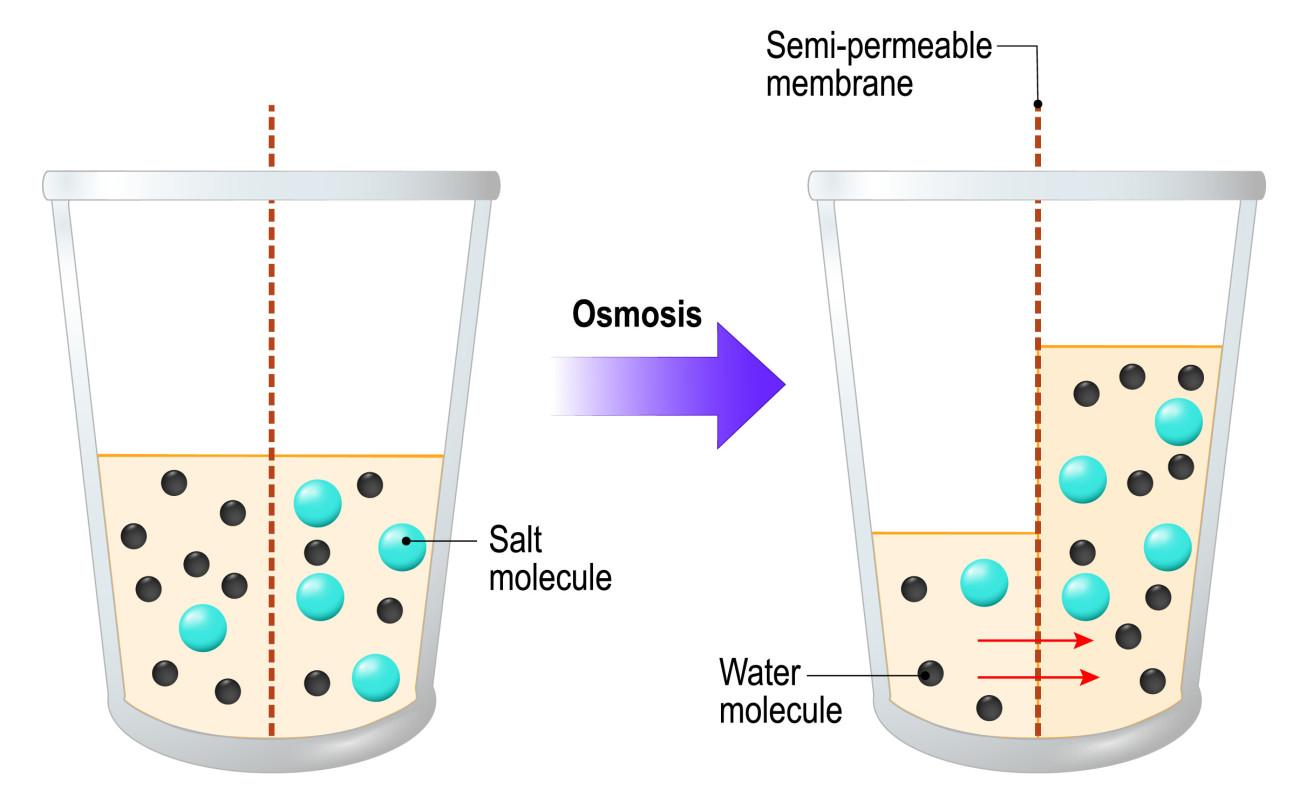
Osmosis is the movement of WATER through a semipermeable membrane, toward the side with MORE dissolved solute.
Whoa! That sounds complicated. Let's break it down.
First, two new words:
Solute = Something that gets dissolved. Example: Salt or sugar.
Solvent = The liquid that dissolves something. Example: Water.
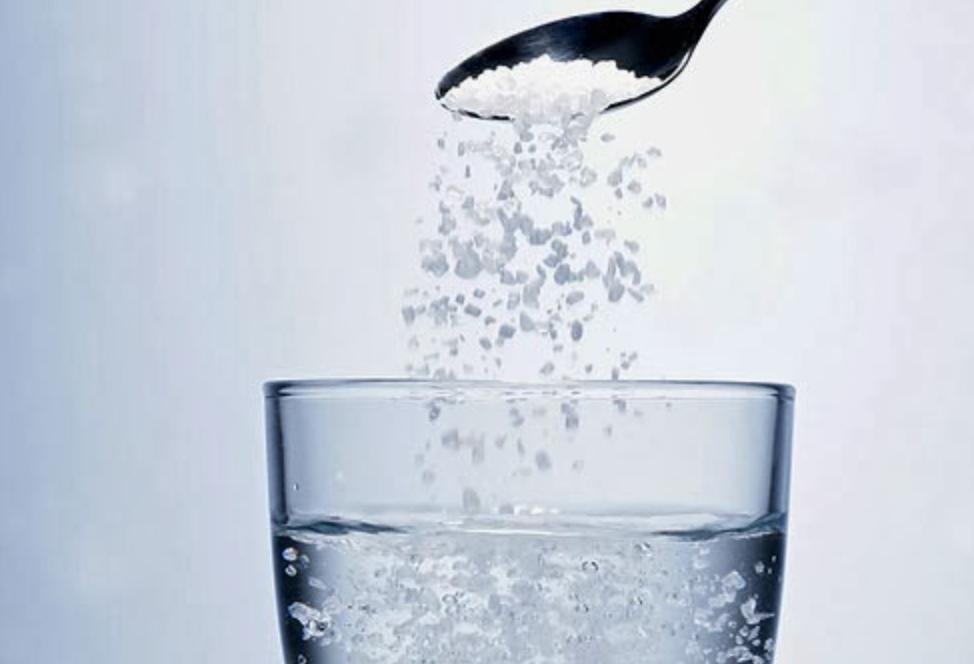
Imagine putting salt into a glass of water.
Salt = Solute.
Water = Solvent.
Now imagine two sides separated by a special membrane.
SIDE A
MORE FREE WATER
More water, less dissolved salt.
SIDE B
MORE SOLUTE
Less free water, more dissolved salt.
The membrane allows water to pass through, but the salt cannot pass through.
What happens?
Water moves from SIDE A → SIDE B.
Why?
Because SIDE B has MORE dissolved salt and a lower concentration of free water.
Water moves toward the side with MORE solute.
That's OSMOSIS!
The most important thing to memorize:
More free water → Less free water.
Less solute → More solute.
Water moves toward the side with MORE SOLUTE.
Memory trick: OSMOSIS = WATER WANDERS!


6. Why does water move toward MORE salt?
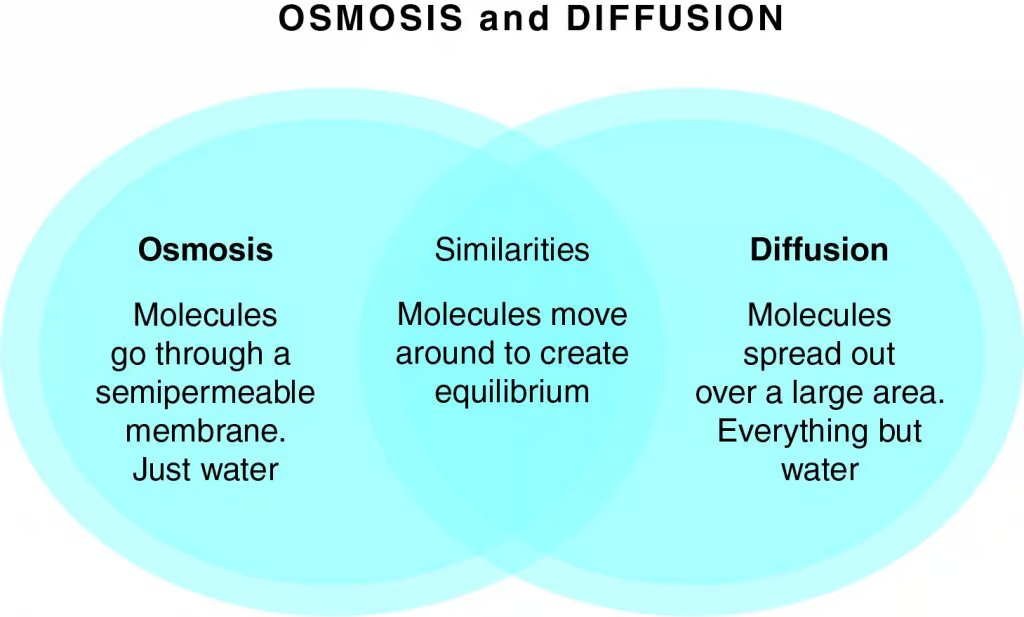
Imagine two sides:
LEFT: A lot of water and just a little salt.
RIGHT: A lot of salt and less free water.
Water can cross the membrane, but salt cannot.
Water moves toward the RIGHT because that side has more dissolved salt.
Think of it like this:
Water moves toward the side that has MORE SOLUTE.
Why? Because that side has a lower concentration of free water.
Eventually, the difference becomes smaller, and the system reaches equilibrium.
What does equilibrium mean?
Equilibrium = Balanced.
It means the concentrations have reached a balance, so there is no NET movement of water in one direction.
Important: Water molecules are STILL moving! They just move equally in both directions overall.

. Diffusion vs. Osmosis: Side-by-side comparison
DIFFUSION
What moves?
Different types of particles (such as oxygen, perfume, and dissolved substances).
Direction: High concentration → Low concentration.
Membrane required? No.
OSMOSIS
What moves?
Water.
Direction: Toward the side with higher solute concentration (lower free-water concentration).
Membrane required? YES!
What do they have in common?
Both:
Involve particles moving randomly.
Have a NET movement down a concentration gradient.
Move toward equilibrium.
The biggest difference:
Diffusion = Different particles can spread out.
Osmosis = Water moves through a semipermeable membrane.
DIFFUSION = SPREAD OUT
Perfume spreading through a room.
HIGH → LOW concentration.
OSMOSIS = WATER MOVES
Water crosses a membrane toward MORE solute.
LOW solute → HIGH solute.
teas words
osmosis vs diffusion
Word | Easy meaning |
|---|---|
Concentration | How much of something is in an area |
High | A lot |
Low | A little |
Solute | What gets dissolved |
Solvent | What does the dissolving |
Membrane | A thin barrier |
Semipermeable | Allows some things through |
Equilibrium | Balanced |
ONE LAST THING TO REMEMBER:
If the TEAS mentions:
Perfume spreading → DIFFUSION.
Oxygen entering blood → DIFFUSION.
Water crossing a cell membrane → OSMOSIS.
Water moving toward more salt → OSMOSIS.
1. Perfume spreads throughout a room. What is happening?
Diffusion
Perfume particles spread from an area of high concentration to low concentration. That's diffusion.

What moves during osmosis?
water
Osmosis is specifically the movement of water through a semipermeable membrane.
3. What does high concentration mean?
A lot of something in an area
What does a semipermeable membrane do?
Allows some substances through but blocks others
During osmosis, water moves toward which side?
The side with more solute
Water moves toward the side with higher solute concentration (lower free-water concentration).
7. Oxygen moving from the lungs' alveoli into the blood is an example of:
Diffusion
6. What does equilibrium mean?
There is no net movement in one direction
Particles continue moving, but movement is balanced in both directions.
so who's moves from high to low?
BOTH! Diffusion AND osmosis involve movement from HIGH to LOW. But there's one important difference:
1. DIFFUSION
Particles move from HIGH concentration → LOW concentration.
Example: Perfume spreads throughout a room.
2. OSMOSIS
WATER moves from HIGH free-water concentration → LOW free-water concentration.
That means water moves toward the side with MORE dissolved solute.
Remember this chart:
Process | What moves? | Direction |
|---|---|---|
Diffusion | Particles | High → Low concentration |
Osmosis | WATER only | High → Low water concentration |
THE MEMORY TRICK 🧠
Diffusion = Particles spread out.
Osmosis = Water moves through a membrane.
BOTH move DOWN their own concentration gradient (high to low)!
The confusing part is that osmosis is usually described using SOLUTE:
Water moves toward HIGH solute, which is the same as moving from HIGH water concentration to LOW water concentration.