Plant Adaptation, Evolution, and plant breeding
 Call Kai
 Learn
 Practice Test
 Spaced Repetition
 Match
 Flashcards
 Knowt Play
1/29

There's no tags or description
Looks like no tags are added yet.
30 Terms
Evolution
Change over time
Natural selection
theorized mechanism for evolution
Theory
highly documented well-established concept
published Theory of Natural Selection
Charles Darwin
key features of natural selection
process of editing not a creative mechanism
takes generations even with species that reproduce rapidly
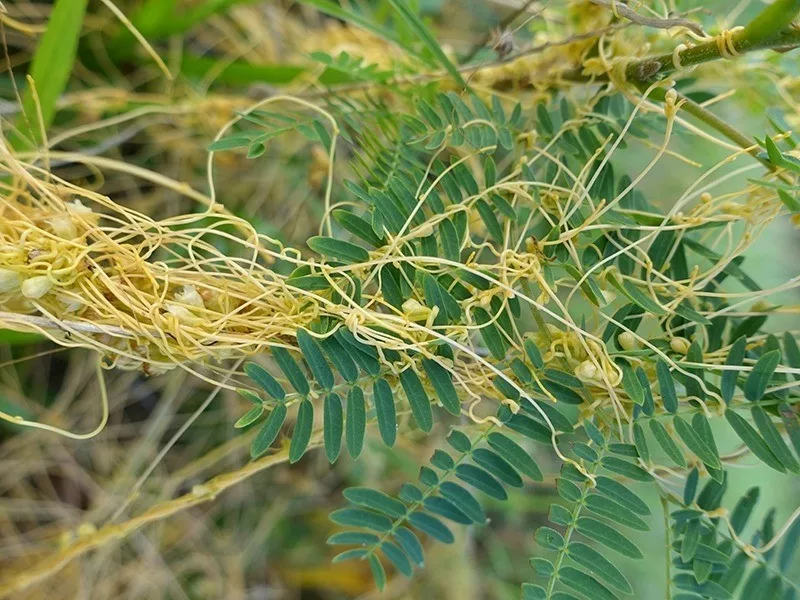
parasitic plant
plants contain no chlorophyll and become dependent on others for their nutrition

Dodder
parasites- create peg like projections that penetrate the outer tissue and tap into the xylem and phloem of host

Ghost plant
saprotrophs- obtain nutrients from dead and decaying materials in the soil

Epiphyte
a plant that grows above the ground, physically supported by another plant deriving its nutrients and water, rain, and the air

Storage Roots
root organs swell to provide large storage areas for food (for later growth) or water (to use when soil is lacking)

Aerial Roots
roots exposed to the air to aid in the absorption of rain or surface water
Prop Roots (Aerial Roots)
lift entire plant into the air, support the plant in high wind

Rhizome (Stem Adaptations)
horizontal stem- (main stem of the plant) Grows just underground near surface of soil
Roots grown from under the surfaces

Runner (Stem Adaptations)
Horizontal stem that grows on the surface of soil- above ground

Bulb (Stem Adaptations)
Short stem with fleshy leaves or leaf bases, large buds surrounded by fleshy leaves (leaves store food)

Thorn (Stem adaptions)
a modified stem with a sharpened point

Spines (leaf adaptations)
a highly modified leaf with structures with a sharp point, reduces water loss, protection, photosynthetic systems

Storage leaves (leaf Adaptations)
leaves that store water or nutrients

Window Leaves (leaf adaptations)
translucent area where sunlight can enter into the interior surfaces of the plant’s modified leaf where photsynthesis can occur

Reproductive leaves (Leaf Adaptations)
Leaves that produce new plants at their tips

Bracts
Floral like leaves found at the bases of flowers or flower stalks

Insect Trapping Leaves
Leaves modified to aid in trapping insects. Help gain nitrogen which is lacking in tropical soils

Pitcher Plant (insect trapping leaves)
cone shaped leaves fill with water, leaves secrete nectar to attract pollinators who fall in, walls are slippery due to extra cuticle waxes built up and bug cant climb out, bugs drown or digested by enzymes plant secretes

Sundews (Insect trapping leaves)
leaves covered with glandular hairs that contain digestive enzymes, sparkles attract pollinators, hairs bend and surround insect and digest them

Venus Fly Trap (insect trapping leaves)
leaves hinged at midrib, tiny trigger hairs on inside surface, snap together and digest bug
Plant breeding
a method used to accelerate the evolution of a plant species guided by human selection rather than natural selection
Domesticated plant
Plant that has been altered to meet human needs
Hybrid Seeds
seed produced by controlling pollination and by combining two or more lines, varieties, or species.
Heirloom Varieties
open pollinated plant populations
Genetically modified
acquires genes by artificial means