Age of Exploration Unit Review
 Call Kai
 Learn
 Practice Test
 Spaced Repetition
 Match
 Flashcards
1/18

Earn XP
Description and Tags
A comprehensive vocabulary review set covering foundational concepts, key historical figures, trade systems, and technological innovations of the Age of Exploration.
19 Terms

Vasco da Gama
A Portuguese explorer who led the 1497–1499 expedition around the southern tip of Africa (Cape of Good Hope) to reach India, establishing the first direct sea route from Europe to Asia.

Ferdinand Magellan
A Portuguese explorer sailing under the Spanish flag whose expedition (beginning September 1519) rounded South America and crossed the Pacific Ocean, resulting in the first crew to successfully circumnavigate the globe.
Prince Henry the Navigator
A member of the Portuguese royal family who spearheaded Portugal's early lead in exploration by establishing a navigation center, financing voyages down the western coast of Africa, and promoting innovations in navigational technology.

Columbian Exchange
The extensive transfer of agricultural goods (such as potatoes, corn, and chocolate), cultures, and diseases across the Atlantic Ocean between the Old World and the New World following European contact.
Conquistador
A Spanish soldier and adventurer during the Age of Exploration renowned for invading, subduing, and conquering indigenous empires in the Americas.

Middle Passage
The forced transatlantic voyage of enslaved Africans across the ocean to the Americas, serving as the central leg of the triangular trade network.

Triangle Trade
A triangular transatlantic commercial network in which Europe exported manufactured goods to Africa, enslaved Africans were shipped to the Americas, and raw agricultural materials were sent back to Europe.
Mercantilism
An economic doctrine holding that a country's wealth, strength, and security depended primarily on accumulating large reserves of bullion, specifically gold and silver.

Treaty of Tordesillas
A 1494 agreement that divided global territories for colonization between Spain and Portugal, designating all newly discovered lands west of the meridian boundary to Spain and all lands east to Portugal.

Encomienda System
A labor system utilized by the Spanish crown in Latin America that granted colonists authority over Native Americans, subjecting them to forced labor and heavy tributes.
Bartolome de las Casas
A Spanish Catholic clergyman and author who openly condemned and campaigned against the brutality and exploitation of indigenous peoples under the encomienda system.
Hernan Cortes
A Spanish conquistador responsible for marching into Central America and executing the overthrow of the Aztec Empire.
Francisco Pizarro
A Spanish conquistador who campaigned in South America and conquered the Inca Empire.
Sir Francis Drake
An English sea captain and privateer who became the first Englishman to circumnavigate the globe.

Caravel
A light, agile sailing vessel developed during the 15th century fitted with triangular sails that permitted navigation against the wind.

Astrolabe
A celestial measurement instrument adapted by navigators during the Age of Discovery to establish latitude at sea.
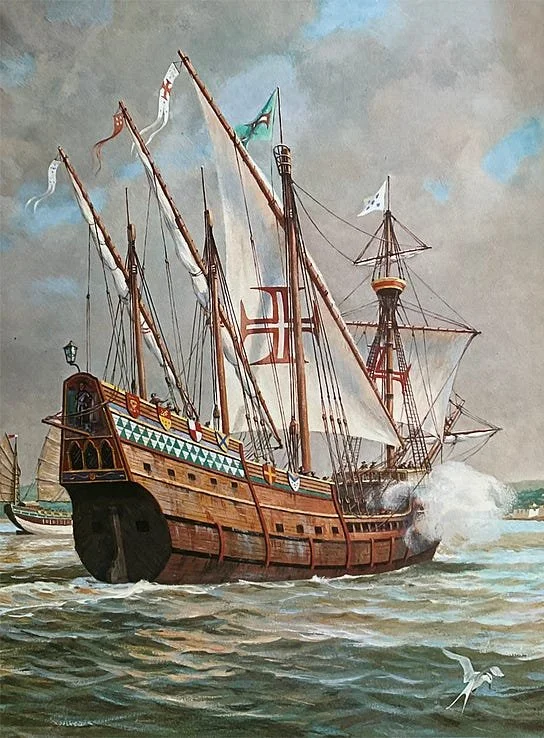
Lateen Sail
A triangular sail design adopted by European explorers that enabled ships to tack and effectively maneuver against head winds.

Aztec Empire
A major indigenous civilization based in Central America that fell to Spanish conquistadors led by Hernan Cortes.
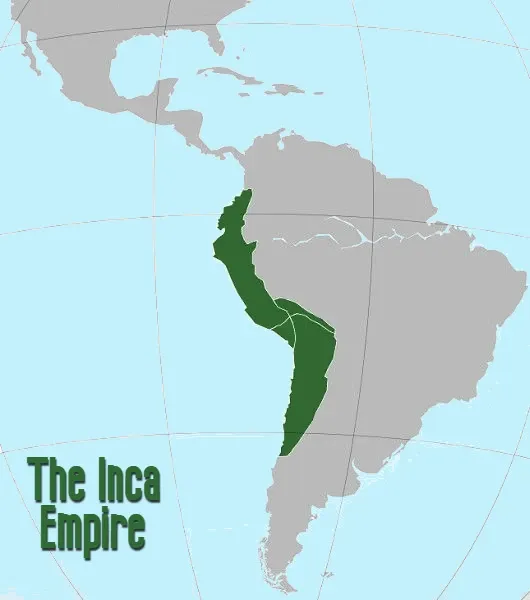
Inca Empire
An extensive indigenous civilization situated in western South America that was conquered by Francisco Pizarro.