Language Patterns Exam 1
 Call Kai
 Learn
Learn Practice Test
 Spaced Repetition
 Match
Match Flashcards
 Knowt Play
1/40

Earn XP
Description and Tags
definitions & maps
Name | Mastery | Learn | Test | Matching | Spaced | Call with Kai | Chat |
|---|
No analytics yet
Send a link to your students to track their progress
41 Terms
case
the form of a noun phrase (or elements within it) indicating the role of that noun phrase within a sentence. Nominative is the case of subjects, accusative is the case of direct objects, dative is the case of indirect objects, instrumental is the case of instruments, ergative is the case of transitive subjects, etc.
classifier
a morpheme that classifies nouns into grammatical categories based on shape, function, etc. typically used with numerals, demonstratives, or possessors.
clause
traditional term for a sentence-like unit that is embedded within another sentence. a relative clause is a clause that is interpreted as modifying a noun. an adverbial clause is a clause that is interpreted as modifying another clause. a complement clause is a clause that functions as an argument.
compound
a word formed from two roots or two words
dependent-marking vs head-marking
dependent-marking: when the grammatical role of an argument in a clause is on the argument. head-marking: when the grammatical role of an argument is marked on the predicate
infix
an affix that is placed inside of another morpheme. its placement is usually described with respect to the left or right edge of the morpheme, and in terms of some prosodic unit
part of speech
a category of word or root in a language that is useful in describing its grammar. most languages have nouns (category containing things), and verbs (category containing actions).
semantic roles
linguists sometimes find it helpful to distinguish arguments based on the role they play within a sentence (ie agent, actor, experiencer, patient, theme, etc)
typology/comparative linguistics
systematic comparison of languages in search of tendencies or patterns in sounds, grammar, lexicon, etc
word
a term generally used for the smallest element in a language that makes sense when you say it by itself and that can appear in different places within a sentence. often felt to have a fixed reference to a type
open vs closed
an open lexical class is one that has many members. closed lexical classes often contain a fixed membership and are often function words and often derive historically from open classes

Afro-Asiatic

Nilo-Saharan

Niger-Congo

Mongolian

Turkic

Uralic

Paleo-Siberian (several families)

Dravidian

Australian

Sino-Tibetan

Tungusic
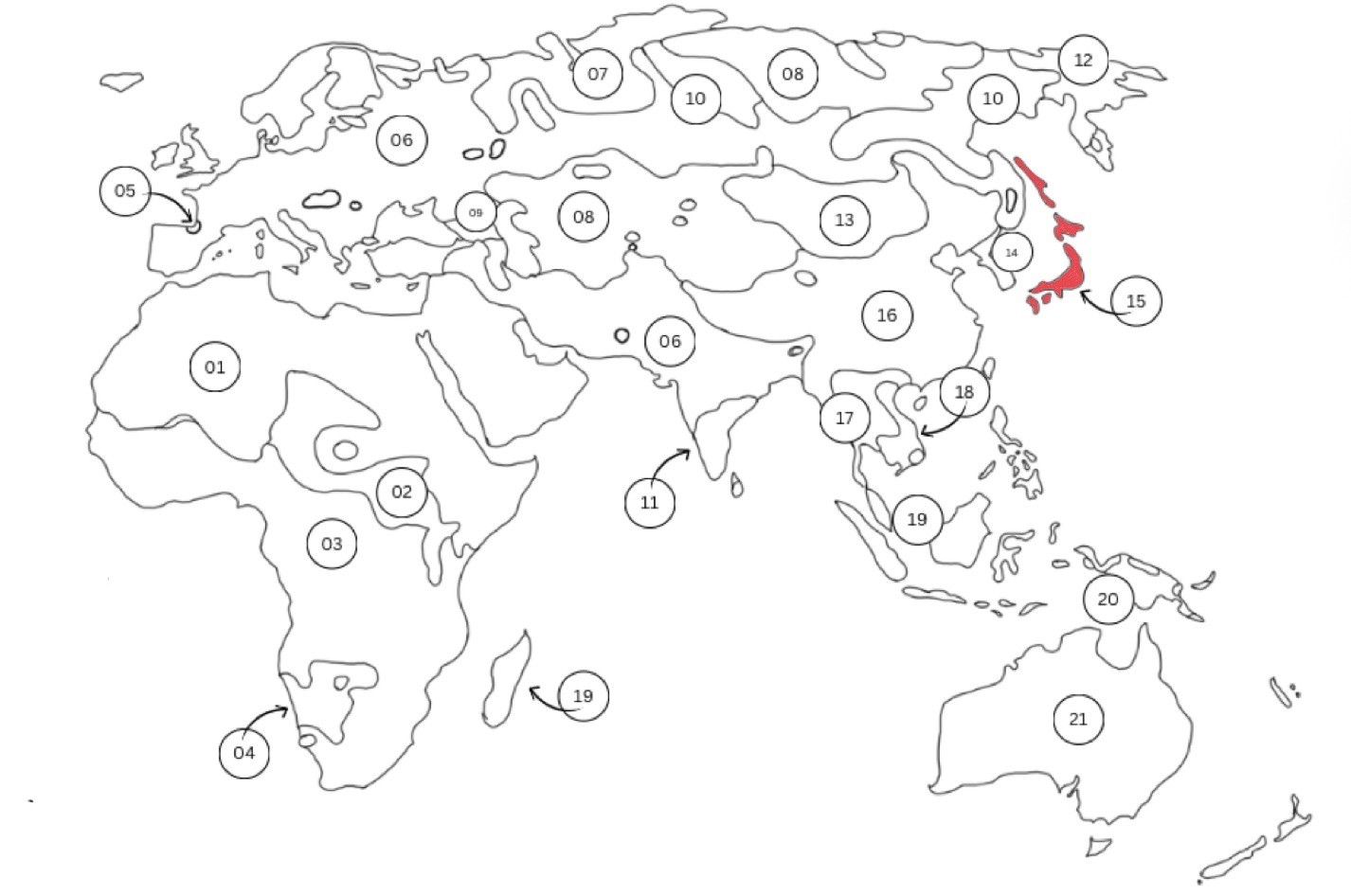
Japanese (possible Altaic)

Korean (possibly Altaic)

Tai-Kadai

Khoisan (several families)

Austronesian

Indo-European

Basque

Caucasian

Papuan (several families)

Austro-Asiatic
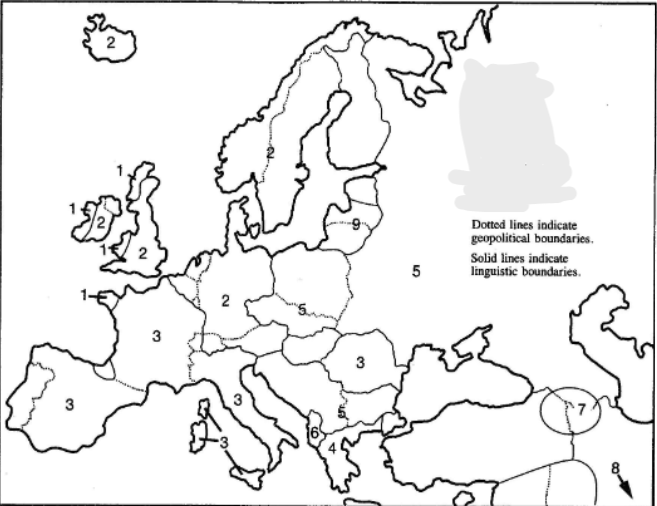
1
Celtic

2
Germanic

3
Romance

4
Hellenic

5
Slavic

6
Albanian

7
Armenian

8
Indo-Iranian

9
Baltic