Renaissance, Reformation, and Scientific Revolution Vocabulary
 Call Kai
 Learn
Learn Practice Test
 Spaced Repetition
 Match
Match Flashcards
1/21

Earn XP
Description and Tags
Vocabulary terms and definitions covering the key people, concepts, and events of the Renaissance, Reformation, and Scientific Revolution.
Name | Mastery | Learn | Test | Matching | Spaced | Call with Kai | Chat |
|---|
No analytics yet
Send a link to your students to track their progress
22 Terms
Dante Alighieri
An Italian author who influenced Renaissance literature by writing his works in the vernacular (everyday language.)

William Shakespeare
An English Renaissance playwright and poet who developed a new form of tragedy and wrote comedic plays, historical plays, and sonnets.

Italian City-States
Urban centers in Renaissance Italy that functioned as major hubs for trade and art.
Humanism
An intellectual movement during the Renaissance that shifted focus away from medieval Church-centered beliefs toward human potential, classical texts, and liberal arts education.
Francesco Petrarca
An Italian poet and philosopher considered to be the founder of the humanist movement.

The School of Athens
A famous Renaissance painting by Raphael depicting ancient scholars that reflects reverence for classical Greek ideas.

Jan van Eyck
A Northern Renaissance painter whose artwork demonstrated the mastery of detailed painting and fine details.

Printing Press
A Northern Renaissance technology whose development spread literacy and new knowledge across Europe.
John Calvin
A Protestant reformer who taught that God chose specific people to be saved, introducing the doctrine of predestination.

Protestant Reformation
A 16th-century religious movement that increased access to religious ideas through vernacular translations of the Bible and led to new religious geographies across Europe.
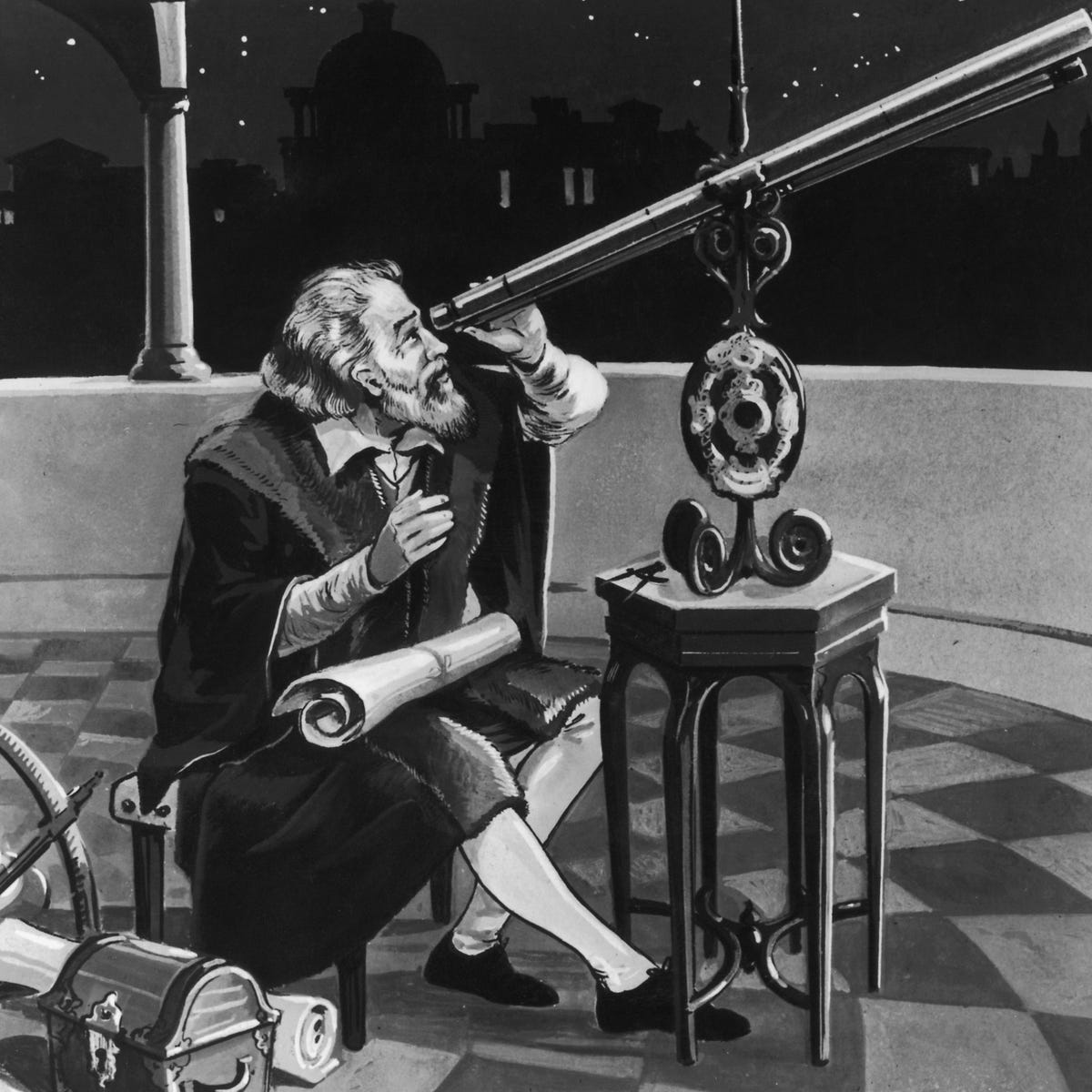
Galileo Galilei
An astronomer tried by the Roman Inquisition in 1632 because his published findings supported the heliocentric model against Church teaching.

Peace of Augsburg
A 1555 agreement that resulted in legal toleration (acceptance) for Lutheranism within the Holy Roman Empire.

Niccolò Machiavelli
The Renaissance political thinker who authored The Prince to advise political rulers on how to maintain power.
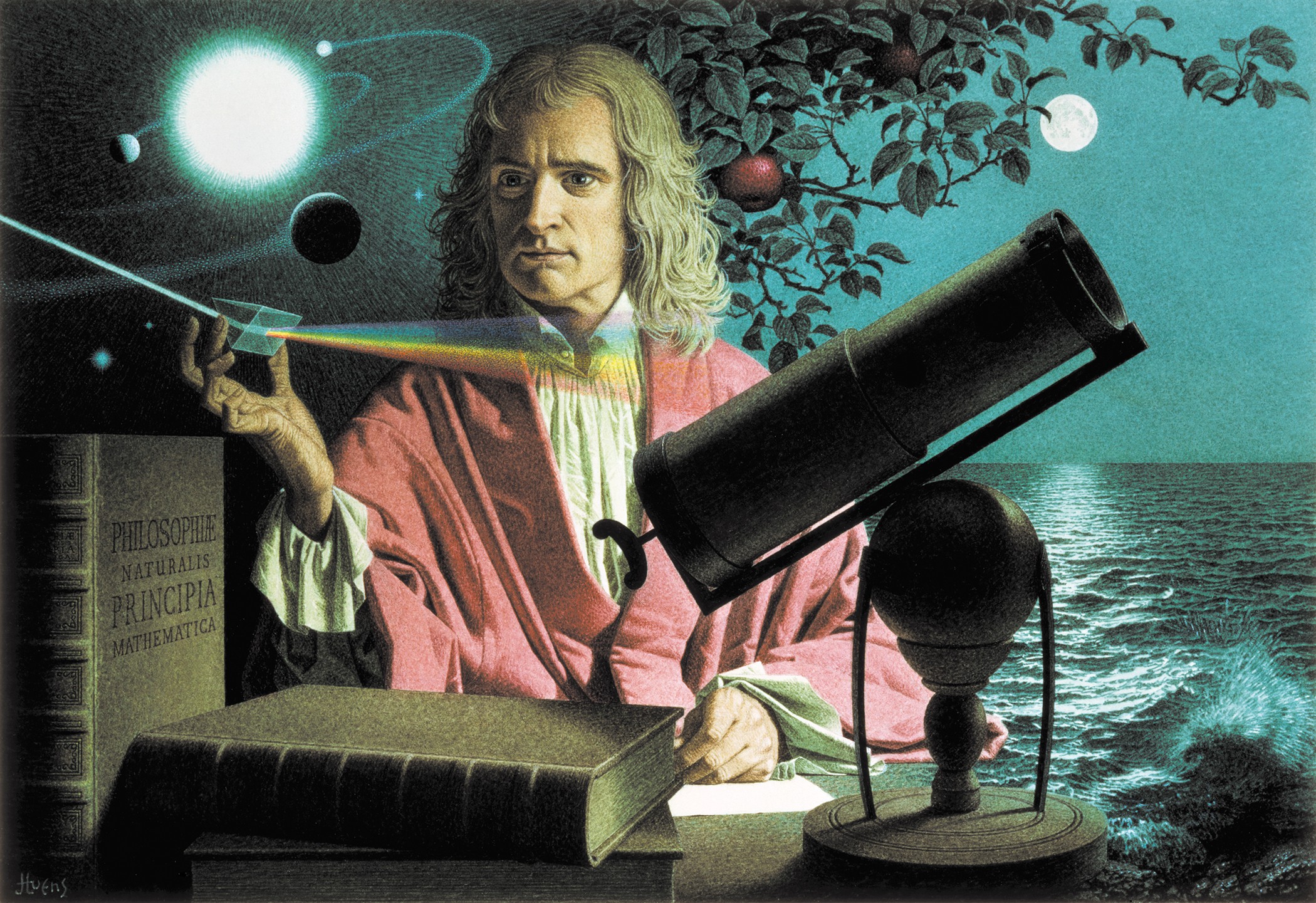
Scientific Revolution
A period of intellectual change where scholars replaced reliance on traditional authorial claims with models of systematic inquiry and experimentation.

Spanish Inquisition
A judicial institution created in Spain with the goal of eliminating or punishing heretics, such as Protestants.
Henry VIII
The English monarch who broke away from Catholic authority and declared himself head of the Church of England when the pope refused to annul his marriage. (divorce his wife.)
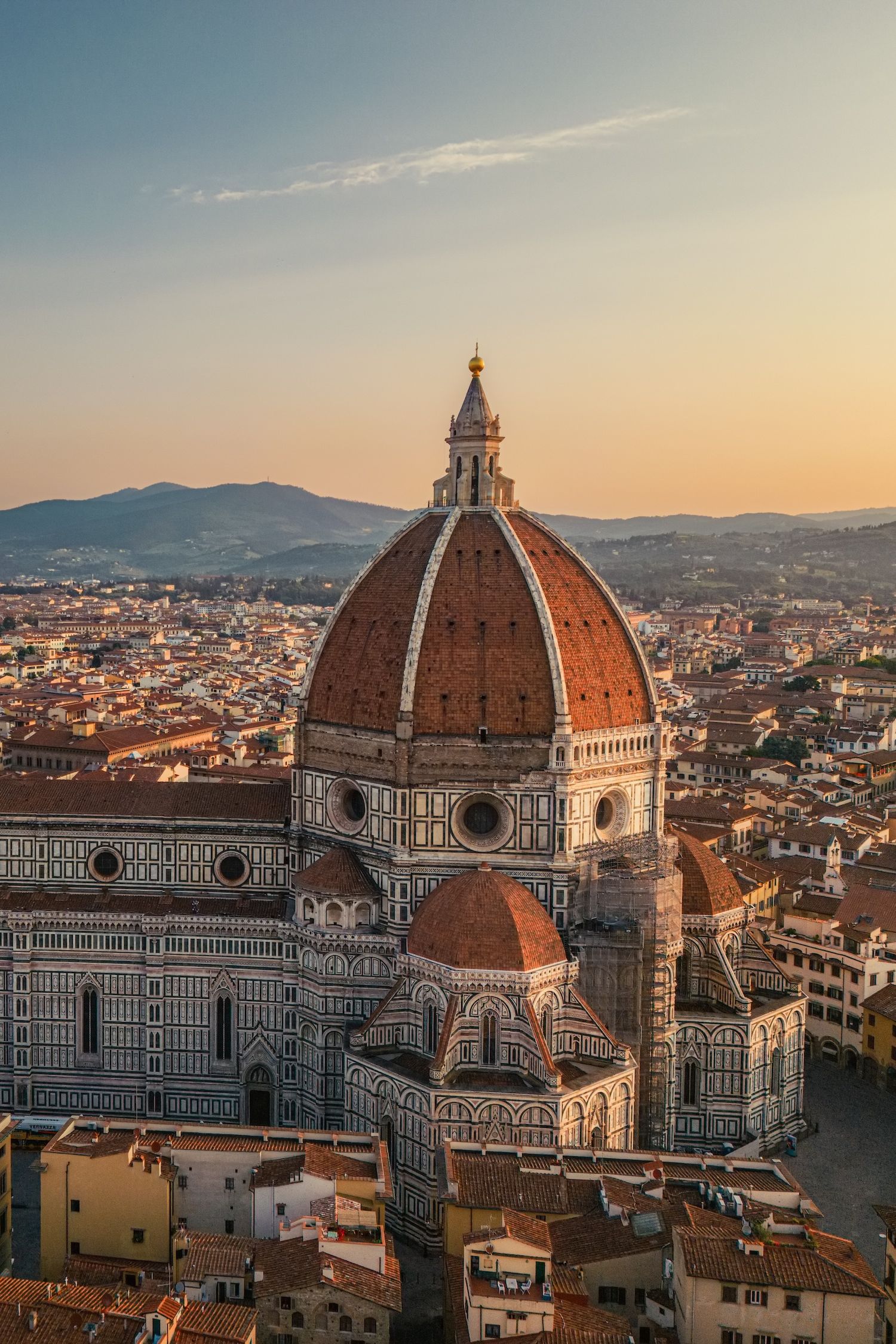
Renaissance
A period of renewed cultural, artistic, and scientific achievement in Europe; literal translation means 'Rebirth'.
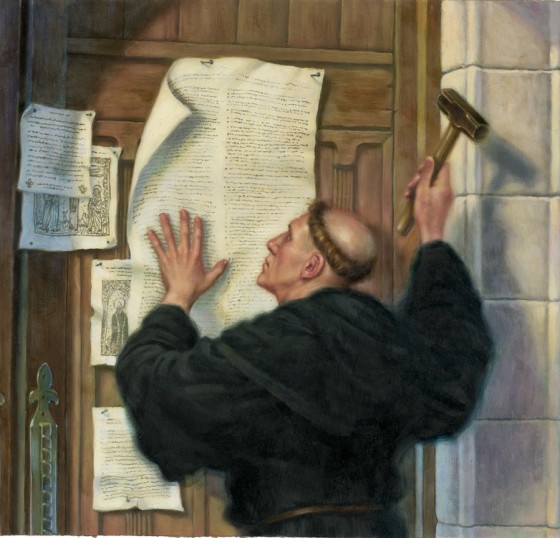
Ninety-Five Theses
A document written by Martin Luther in 1517 primarily protesting the Catholic Church's practice of selling indulgences.
Francis Bacon
An English philosopher who advocated that true knowledge must be derived from observation and experiments.
Jesuits (Society of Jesus)
A Catholic religious order established to spread the Catholic faith around the world.

Council of Trent
A series of Catholic Church meetings that reaffirmed and clarified doctrines while implementing reforms for clergy training.

Nicolaus Copernicus
An astronomer who proposed the heliocentric model, challenging the long-accepted belief that Earth was the center of the universe.