chapt 24 respiratory system
 Call Kai
 Learn
 Practice Test
 Spaced Repetition
 Match
 Flashcards
 Knowt Play
1/72

There's no tags or description
Looks like no tags are added yet.
73 Terms
respiratory epithelium lines entire tract except
oropharynx, laryngopharynx, smallest bronchioles, and alveoli
respiratory epithelium consists of
pseudostratified ciliated columnar epithelium, mucous cells, and mucous glands
where is mucous swept towards
pharynx
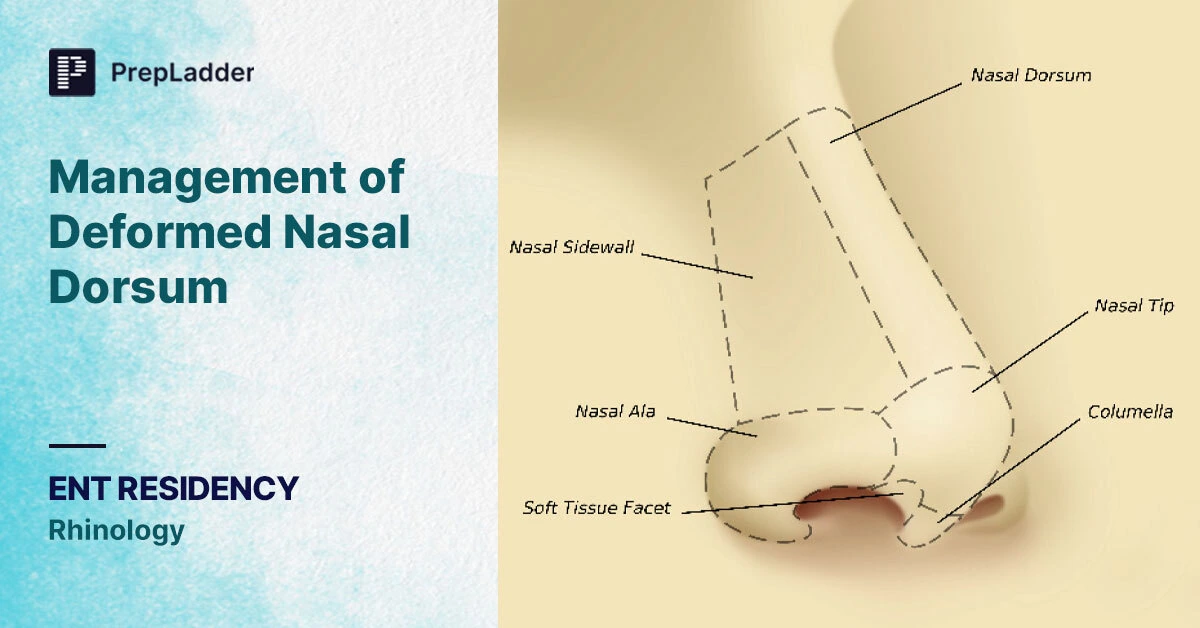
how are the alae and apex supported
by cartilage and connective tissue
what supports the dorsum
nasal bones superiorly and cartilages inferiorly
dorsum
how is the nasal septum formed
anteriorly by cartilage and posteriorly by vomer and perpendicular plate of the ethmoid
nasal septum

vibrissae

what are the borders of the nasal cavity
cribriform plate of ethmoid superiorly
palate inferiorly
what does the hard palate contain
contains maxilla and palatine
soft palate is what
soft tissue only
what divides the nasal cavity
nasal septum
what region is the superior portion in the nasal cavity
olfactory
What increases mucosal surface area and help to warm, moisten, and filter inspired air
Superior, middle, and inferior nasal
conchae

what keeps the nasal cavity clean and moist
tears from nasolacrimal duct and mucus from paranasal sinuses in the frontal, sphenoid, ethmoid, and maxillae
paranasal sinuses
secrete mucus in nasal cavity
rest in frontal, sphenoid, ethmoid, and maxillae
how is the nasal cavity connected to the pharynx
posterior nasal apertures
posterior nasal apertures

3 portions of the pharynx
nasopharynx
oropharynx
laryngopharynx
nasopharynx
Provides passage for air (soft palate and uvula prevent food from entering from oral cavity)
Connected to tympanic cavities via auditory tubes
Location of pharyngeal tonsil
uvula
flap of soft tissue that dangles down from the middle of the soft palate at the back of the throat

oropharynx
Provides passage for air and food
Bounded anteriorly by palatal arches and connected to oral cavity by the fauces
Location of palatine and lingual tonsils
fauces
the narrow anatomical passage or opening at the back of the mouth that leads into the throat

laryngopharynx
Provides passage for air and food
Posterior to epiglottis
Ends at junction between esophagus and larynx
larynx structures include
Glottis
Thyroid cartilage
Cricoid cartilage
arytenoid cartilages
arytenoid cartilages
Three pairs of smaller cartilages that help to support and move the vocal cords
laryngeal musculature includes
extrinsic laryngeal muscles, intrinsic laryngeal muscles
extrinsic laryngeal muscles
Attached to sternum, hyoid, skull, and other surrounding structures
Position and stabilize the larynx
Elevate larynx during swallowing
Intrinsic laryngeal muscles
Insert on various cartilages within the larynx
One group regulates tension in vocal cords, while another group opens/closes the glottis
how can the pitch of the voice be modulated
by the tension, length, and mass of the vocal cords. It can also be influenced by airflow and the shape of the resonating cavities. The tension and length are changed by laryngeal muscles.
laryngitis
they will have swollen and stiff vocal folds from irritation or infection. The vocal cords lose their normal elasticity and this makes an individuals voice change and can even cause them to lose their voice. Laryngitis can be either acute or chronic. The main causes of laryngitis are viral upper respiratory infections, vocal strain, or bacterial infections, acid reflux can cause it, smoking, allergies.
trachea
connects the larynx to main bronchi
what lines the trachea
respiratory epithelium with mucus-producing submucosa
what is the trachea made up of
c shaped tracheal cartilages with trachealis muscle posteriorly
trachealis muscle
involuntary smooth muscle on the posterior wall of the trachea that bridges the open ends of the C-shaped hyaline cartilage rings.
sits in front of the esophagus
adjusts the diameter of the windpipe
sequence of the bronchial tree
main bronchi→lobar bronchi→segmental bronchi→even smaller bronchi→bronchioles
bronchioles
< 1 mm in diameter with minimal cartilaginous rings and more smooth muscle
terminal bronchioles
The smallest airways that carry air. They do not exchange gases.
respiratory bronchioles
Small airways where gas exchange begins.
alveolar ducts
Tiny passageways that carry air toward the alveolar sacs.
alveolar sacs
Groups of alveoli (tiny air pockets) clustered together.
alveoli
Tiny air sacs where oxygen enters the blood and carbon dioxide leaves the blood.
pulmonary lobule
everything that is connected to a single terminal bronchiole
what are alveoli covered by and surrounded with
capillaries and elastic fibers
where does gas exchange occur
across respiratory membrane
what types of cells are alveoli made of
type 1 alveolar cells and type 2 alveolar cells
type 1 alveolar cells
simple squamous epithelial cells
type 2 alveolar cells
produce surfactant
surfactant
lowers surface tension so your air sacs stay open and do not collapse when you breathe out
alveolar macrophages
free ranging and phagocytize anything that reaches the alveolar surface
which lung is smaller than the other and why
left lung
2 lobes instead of 3 has a cardiac notch
hilum of lungs
inner medial surface of lung
Bronchi, nerves, lymphatic vessels, and blood vessels enter/exit
pulmonary arteries
delivers o2 poor blood
pulmonary veins
o2 rich blood carried away
bronchial arteries
arise from aorta to provide o2 rich blood to lung tissue (except alveoli)
inhalation/inspiration is
increase in volume of thoracic cage
increase in volume of lungs
decrease pressure in lungs
air flows into lungs
exhalation/expiration is
decrease in volume of thoracic cage
decrease in volume of lungs
increase pressure in lungs
air flows out of lungs
inhalation involves the coordinated action of the
diaphragm, external intercostals, and other accessory muscles (e.g., pectoralis minor, serratus anterior, sternocleidomastoid) to enlarge the thoracic cavity
exhalation occurs when
inspiratory muscles relax, and elastic recoil of lungs and thoracic cage cause thorax to return to normal volume
forced exhalation uses
internal intercostals, rectus abdominis, external oblique, and internal oblique to further reduce thorax volume
Chronic obstructive pulmonary disease (COPD)
group of disorders marked by restricted airflow and reduced alveolar ventilation
asthma
reversible obstructive condition caused by an immune response that causes victims to wheeze and gasp for air due to inflammation and constriction of the respiratory passages
pneumonia
infectious inflammation of the lungs, in which fluid and/or pus accumulates in the alveoli
____ most common cause of death in the US (young and old are most at risk)
8th
more than _____ different varieties of pneumonia (most bacterial or viral can also be fungal)
50
complications of pneumonia include
bacteremia, lung abscess, pleural effusion, and dyspnea
two primary types of lung cancer
non-small cell lung cancer
small cell lung cancer
non-small cell lung cancer
(85–90%)
Includes squamous cell carcinoma, adenocarcinoma, and large cell carcinoma
majority of the lung cancer cases. They are larger cells. It includes adenocarcinoma which starts in the mucus-making cells and is common in non smokers and squamous cell carcinoma where it starts in airway-lining cells
small cell lung cancer
10-15%
Originates around main bronchi and grows in small clusters within mediastinum
treated with chemotherapy and radiation therapy
Metastasizes very rapidly
emphysema
thin delicate walls between the alveoli, loss of the alveoli's elasticity, merging of alveoli (decreases surface area for gas exchange), stale air can stay stuck in the alveoli. The symptoms of emphysema include shortness of breath, coughing, fatigue, barrel chest (rounded shape of chronic overinflation of lungs), hypoxemia. complications include pulmonary hypertension (high blood pressure in lung arteries), collapsed lung, frequent respiratory infections, and respiratory failure.
chronic bronchitis
the lining of the bronchial tubes are constantly inflamed and irritated. It also involves a persistant mucus-producing cough. The causes include smoking, air pollution and smog, dust and fumes, repeated respiratory infections.