BIO-UN2: CELLS VOCAB
 Call Kai
 Learn
Learn Practice Test
 Spaced Repetition
 Match
Match Flashcards
 Knowt Play
1/57

There's no tags or description
Looks like no tags are added yet.
Name | Mastery | Learn | Test | Matching | Spaced | Call with Kai | Chat |
|---|
No analytics yet
Send a link to your students to track their progress
58 Terms
3 Points of Cell Theory:
All organisms are made of cells 2. Cells are the basic unit of life 3. All cells come from existing cells
What main idea does Cell Theory support?
→ All living things share similar structures (Cells)

What is the typical range of the diameter of cells?
5-50 Micrometers/microns
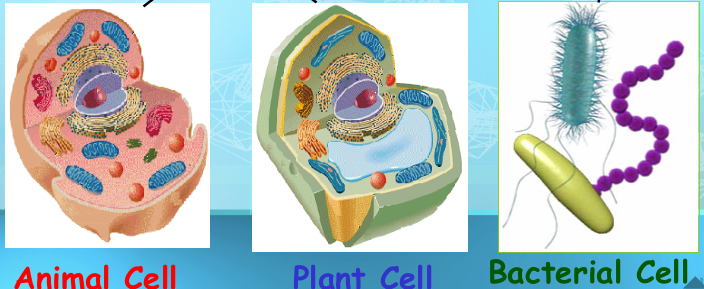
Cell Types
Prokaryotic + Eukaryotic
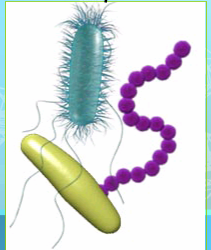
Prokaryotic Cells:
→ First and simplest cell that lack nucleus/membrane-bound organelles. These types are typically bacteria and have circular DNA

Eukaryotic Cells:
→ Complex cells that have a nucleus/membrane-bound organelles. These include all cells (ex. protists,fungi,animal,plant) EXCLUDING bacteria
Cell Organelles
‘Little organs’ that perform a specific function in eukaryotic cells

Cell Membrane
‘Phospholipid Membrane’ that contains a double layer of phospholipids + protein and control what exits/enters cells
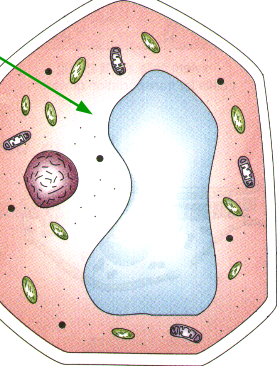
Cytoplasm
Jelly-like substance that holds organelles + site of chemical reactions; enclosed by cell membrane
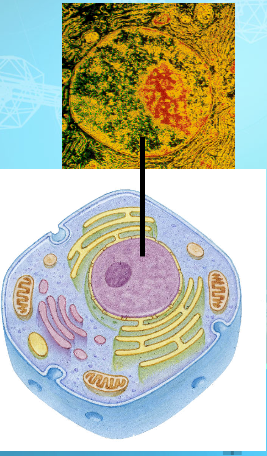
Nucleus
‘Control center’ bounded by a nuclear envelope/membrane with pores; controls cell activities & contains DNA.
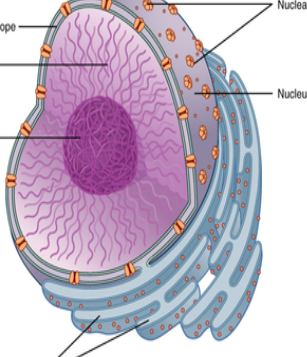
Nucleolus
Organelle inside nucleus made out of rRNA & proteins; site of ribosome synthesis

Cytoskeleton
Made of proteins; maintains shape & moves organelles
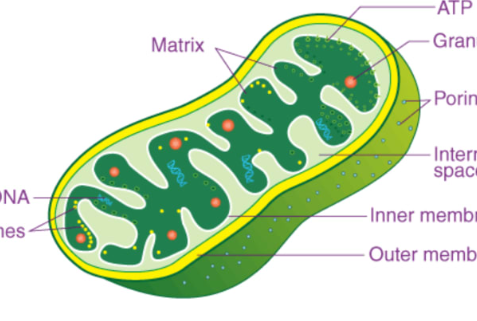
Mitochondria
‘Powerhouse’; Generates Cellular energy (ATP) & site of cellular respiration (burning glucose)
More active cells have ____
More mitochondrias

Ribosomes
Made of rRNA + Proteins; site of protein synthesis
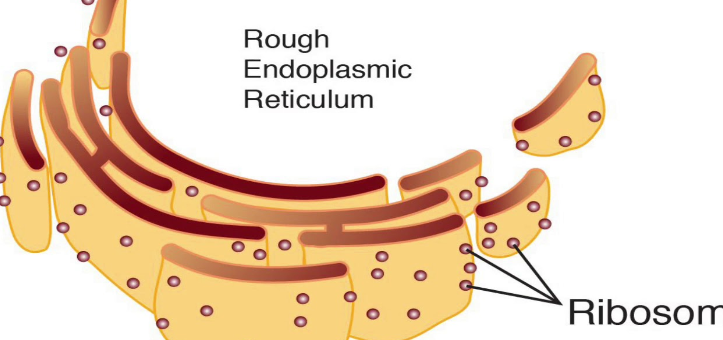
Rough ER
Connects to nuclear envelope & Cell Membrane; transports proteins
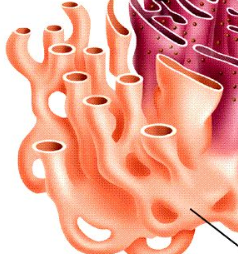
Smooth ER
Connects to nuclear envelope & Cell Membrane; makes membrane lipids (steroids)
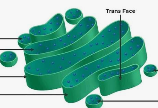
Golgi Bodies/Apparatus
Receives proteins from ER→ Modifies, sorts, and packages proteins OR transport proteins out w/ vesicles
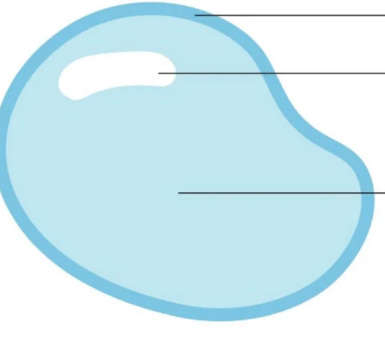
Vacuoles
Fluid-filled sacs for waste storage, water, nutrients (plants→ central/Large, animals → small)

Cillia & Flagella
Move cells, fluids, or small particles across surface (MOVEMENT); cilia are shorter and more numerous, flagella are longer and usually only 1-3 per cell
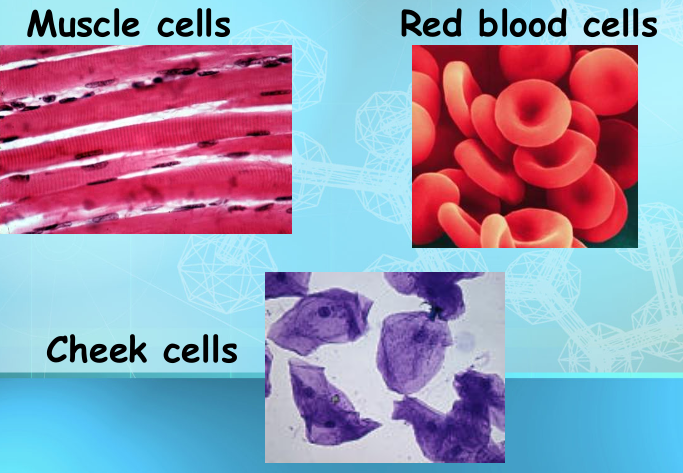
Specialized Animal Cells
Cheek, blood cell, muscle cells
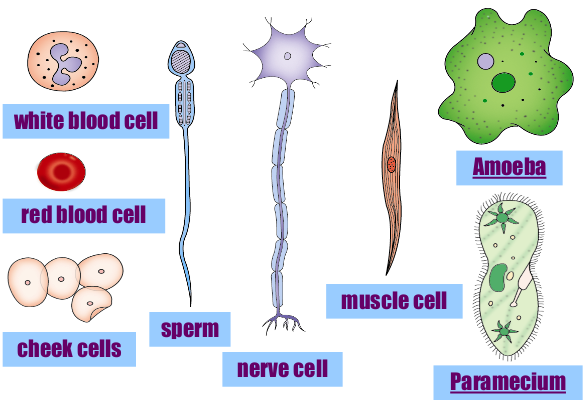
Kinds of Animal Cells
Amoeba, muscle, blood cells, nerve, sperm, cheek, paramecium
Specific Animal Cell ONLY Organelles
Centrioles, lysosomes, peroxisome
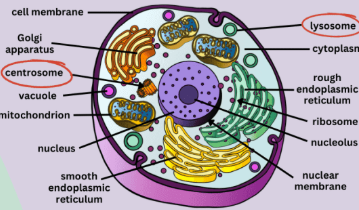
Characteristics of Animal Cells
→Smaller size, irregular shape, no cell wall/chloroplast, nucleus in the center

Specialized Plant Cells
Guard, zylem, pollen cells
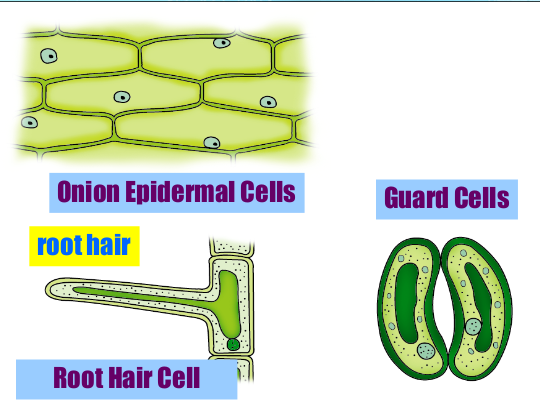
Kinds of Plant Cells
Onion epidermal, guard, root hair cells
Specific Plant Cell ONLY organelles
Cell wall, chloroplast
Characteristics of Plant cells:
Larger size, regular shape, cell wall + chloroplast + central vacuole, nucleus near cell wall
Centrioles
ANIMAL ONLY; assist in cell division
Lysosomes
ANIMAL ONLY; produced by golgi bodies to break down food, bacteria, worn out cell parts w/ digestive enzymes
Peroxisome
ANIMAL ONLY; produced by ER to digest fats and cleans up after lysosome (produced by liver to break down alcohol)
Cell wall
PLANT (+ protists, bacteria) outside of membrane; protects + supports cell (bacteria + protists have),
Chloroplast
PLANT ONLY) chloroplast → only in producers/organisms that have cholorphyll pigment to use energy from sunlight to make glucose (photosynthesis)
What is the Cell Membrane?
Boundary around cell made of proteins, carbs, and phospholipids
Functions of Cell Membrane
→ Separates components of cell from environment, selectively permeable (somethings can pass through), maintain homeostasis (internal balance)
Phospholipid Part of Cell
Made of glycerol + phosphate head and 2 fatty acid chains
Hydrophilic & Hydrophobic Parts of Phospholipid
Hydrophilic head (loves water) & Hydrophobic Tails (can not mix w/water)
Phospholipid bilayer
Two layers of phospholipids; hydrophobic tails face each other in the center to keep water from leaking & hydrophilic heads face outside + inside
Transport Proteins
Proteins that transport larger molecules through the cell membrane; integral/channel transports into cell membrane and peripheral transports to the side of membrane (outside/inside)
Carbohydrates
Stick to proteins/lipids & recognizes cells/help cells stick together
Carbohydrates PT.2
Glyco- Sugar
GlycoProtein- Carbs that stick to Proteins
GlycoLipid- Carbs that stick to Lipids
Cell Membrane
Fluid (flexible) Mosaic (many parts) Model
Solute
dissolved substance in solution
Cholestrol
Help maintain structure
Solvent
Substance that dissolves solute
Solution
Mixture of 2+ evenly mixed substances
Concentration
Amount of solute in solution
Concentration gradient:
Difference in concentration of substance across space (Ex> high one 1 side, low on another)
Equilibrium
Equal concentrations: molecules naturally move to equilibrium
Types of Cellular Transport
Passive & Active
Passive Transport
→ Doesn’t require energy and travels from high concentration → low concentration
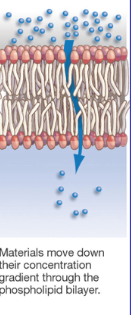
Simple Diffusion
Molecules move from high → low using oxygen; mainly small non-polar molecules (lipids) that travel straight down the phospholipid bilayer
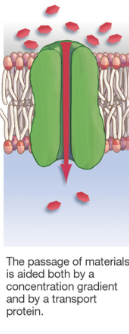
Faciliated Diffusion
Molecules move from high → low using transport proteins; mainly bigger POLAR molecules (carbs/ GLUCOSE)

Osmosis
Diffusion of water through selectively permeable membrane; high→low concentration
Rule about Osmosis:
Low SOLUTE always moves to High SOLUTE (technically high solvent/water → low solvent/water)

Isotonic Osmosis
Iso=same; same concentration outside and inside cell membrane/ equal water in and out
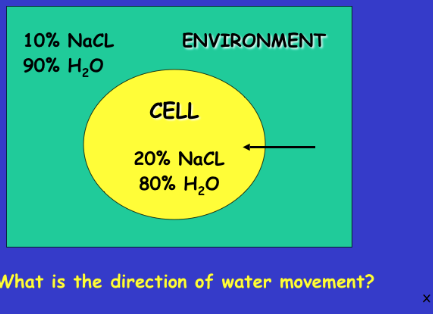
Hypotonic Osmosis
Hypo= below/less; smaller concentration outside than inside cell membrane → more solvent moves in causing enlargement of cell

Hypertonic Osmosis
Hyper= more/above; higher concentration outside than inside cell membrane → more solvent moves outside causing shrinking cell