Modern Dental Assisting - Chapter 19 Disease Transmission & Infection Prevention
 Call Kai
 Learn
 Practice Test
 Spaced Repetition
 Match
 Flashcards
 Knowt Play
1/49

There's no tags or description
Looks like no tags are added yet.
50 Terms
_____has symptoms that are quite severe and of short duration.
acute infection

An infection of long duration is called a _____.
chronic infection

The _____ is designed to protect employees against occupational exposure to blood-borne pathogens.
OSHA Blood-borne Pathogens Standard

_____is touching or contact with a patient's blood or saliva.
direct contact

____ is touching or contact with a contaminated surface or instrument.
indirect contact

_____Type of exposure, enters through the skin, such as through needle sticks, cuts, and human bites.
percutaneous or parenteral

_____exposure contacts mucous membranes, such as the eye or the mouth.
permucossal
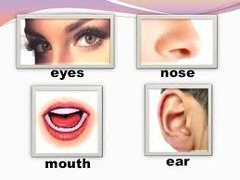
_____is any reasonably anticipated skin, eye, or mucous membrane contact, or percutaneous injury with blood or any other potentially infectious materials, that occurs during work hours.
occupational exposure

_____is a standard of care that is designed to protect healthcare providers from pathogens that can be spread by blood or any othe body fluid, excretion, or secretion.
standard precautions

Items such as protective clothing,masks,gloves,and eyewear to protect employees are considered_____.
Personal Protection Equipment (PPE)

_____is waste that presents a danger to humans or to the enviroment.
hazardous waste

_____is waste that is capable of transmitting an infectious disease.
infectious waste

Contaminated needles, scalpel blades, orthodontic wires, and endodontic instruments are considered_____.
sharps

_____are contaminated items that may contain body fluids of patients, such as gloves and patient napkins.
contaminated waste

The most severe for of immediate allergic reaction is_____.
anaphylaxis

Infections that can be spread from another person or through contact with body fluids are called_____.
communicable disease

_____is immunity that is present at birth.
inherited immunity

_____is immunity that is developed during a person's lifetime. (can be from illness (natural) or vaccinations (artificial))
acquired immunity

_____occurs when a person has contracted and is recovering from a disease.
natural active immunity

_____occurs as the result of a vaccination.
artificial acquired immunity
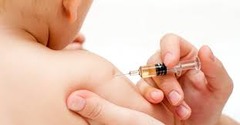
What infection control measures help prevent disease transmission from the dental team to the patient?
Hand washing, PPE

The purpose of the OSHA Blood-borne Pathogens Standard is to_____.
protect employees

How often must the Exposure Control Plan be reviewed and updated?
annually

Standard Precautions are used to_____.
protect healthcare providers from pathogens

A Non-Regulatory agency that releases infection control guidelines and recommendations?
Centers for Disease Control (CDC)

What is true about latex allergies?
no specific cure for latex allergies

What must an employee do if he or she does not want the hepatitis B vaccine?
sign an informed refusal form

Long, artificial nails and rings should be avoided when one is working in a dental office because_____.
they can harbor pathogens

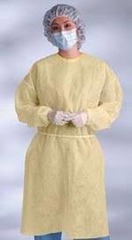
Some examples of PPE are_____.
gloves, mask, goggles, lab coat

What determines the type of PPE that should be worn?
risk of exposure
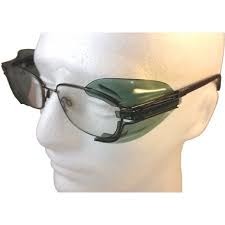
An example of protective eyewear is_____.
side shields
What is perhaps the most critical PPE?
gloves

Sterile gloves are most commonly worn in a______.
surgical procedure

When should utility gloves be worn?
when disinfecting the treatment area and preparing instruments for sterilization

What type of gloves should be worn to open drawers during a dental procedure?
over gloves

An example of contaminated waste is_____.
used patient napkins, used barriers

Another term for infectious waste is_____.
regulated waste

A place where microorganisms normally live and reproduce (Chain of Infection)
Reservoir

A means for a pathogen to Enter the Body (Chain of Infection)
Portal of Entry

A means for a pathogen to leave/exit the body (Chain of Infection)
Portal of Exit

Means of spreading pathogens (how infections/disease is spread) (Chain of Infection)
Mode of Transmission

A pathogen must be present in sufficient numbers to cause infection- (Chain of Infection)
Infectious Agent

A person who is Unable to resist infection by a particular pathogen (chain of infection)
Susceptible Host

Airborne Transmission is the spread of disease through droplets of moisture that contain bacteria or viruses; also known as
Droplet Infection

Generated during dental treatment, contains blood, saliva, and nasal secretions-usually carrying potentially infectious materials.
Aerosols, sprays, splatter

Allows the body to resist disease, and prevents foreign bodies from causing infection.
Immunity

Lead foil, amalgam scraps and developing chemicals are examples of
Hazardous (regulated) Waste

Extracted 3rd molars, gauze sopping wet with saliva or blood, soft tissue from a biopsy is
Infectious (regulated) Waste

Personnel in the dental office MOST at Risk - routinley exposed to blood or saliva- Dental assistant, hygienist, dentist
Occupational Exposure Category I

Personnel in the dental office at SOME risk for exposure to blood saliva-Front desk person who sometimes disinfects the operatories.
Occupational Exposure Category II
