Lab 1 Anatomical Directional terms and mitosis
 Call Kai
 Learn
Learn Practice Test
 Spaced Repetition
 Match
Match Flashcards
 Knowt Play
1/76

There's no tags or description
Looks like no tags are added yet.
Name | Mastery | Learn | Test | Matching | Spaced | Call with Kai | Chat |
|---|
No analytics yet
Send a link to your students to track their progress
77 Terms

superior

inferior

anterior or ventral

posterior or dorsal

ventral or anterior

lateral
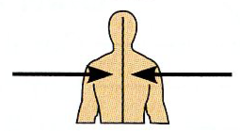
medial
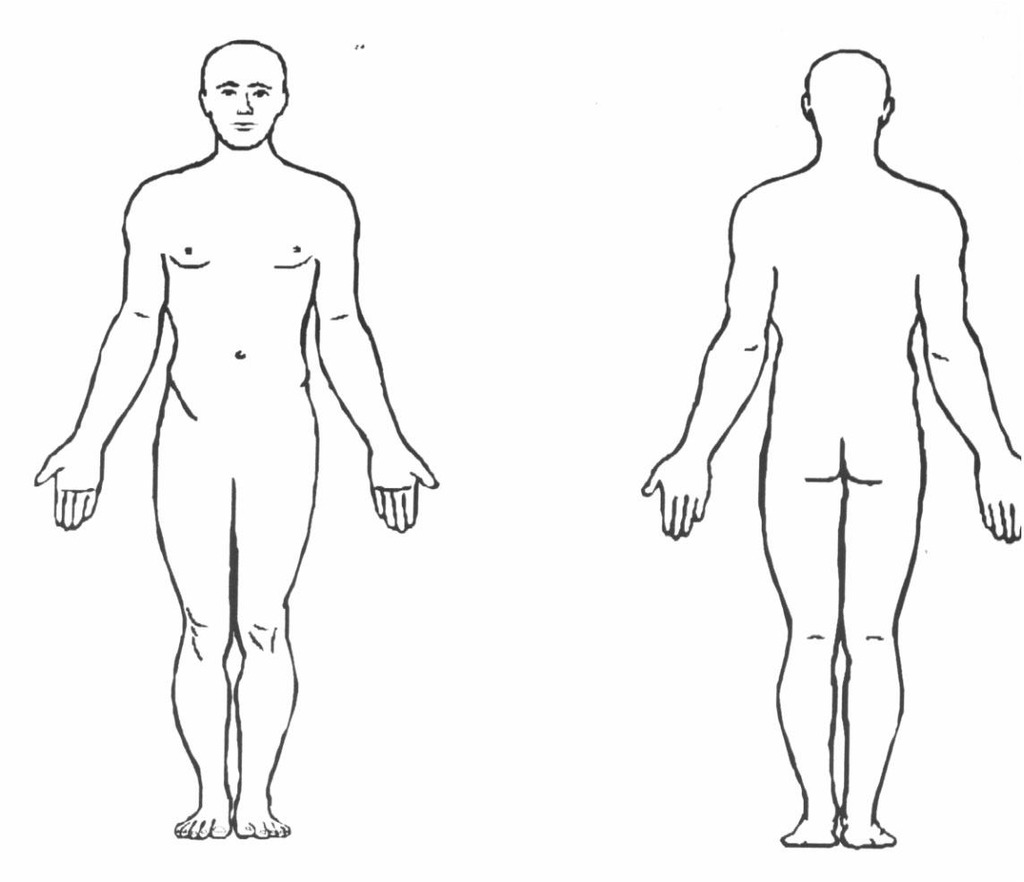
towards the head
cephalad or cranial
towards the feet
caudal
towards the surface
superficial
away from the surface
deep

proximal

distal
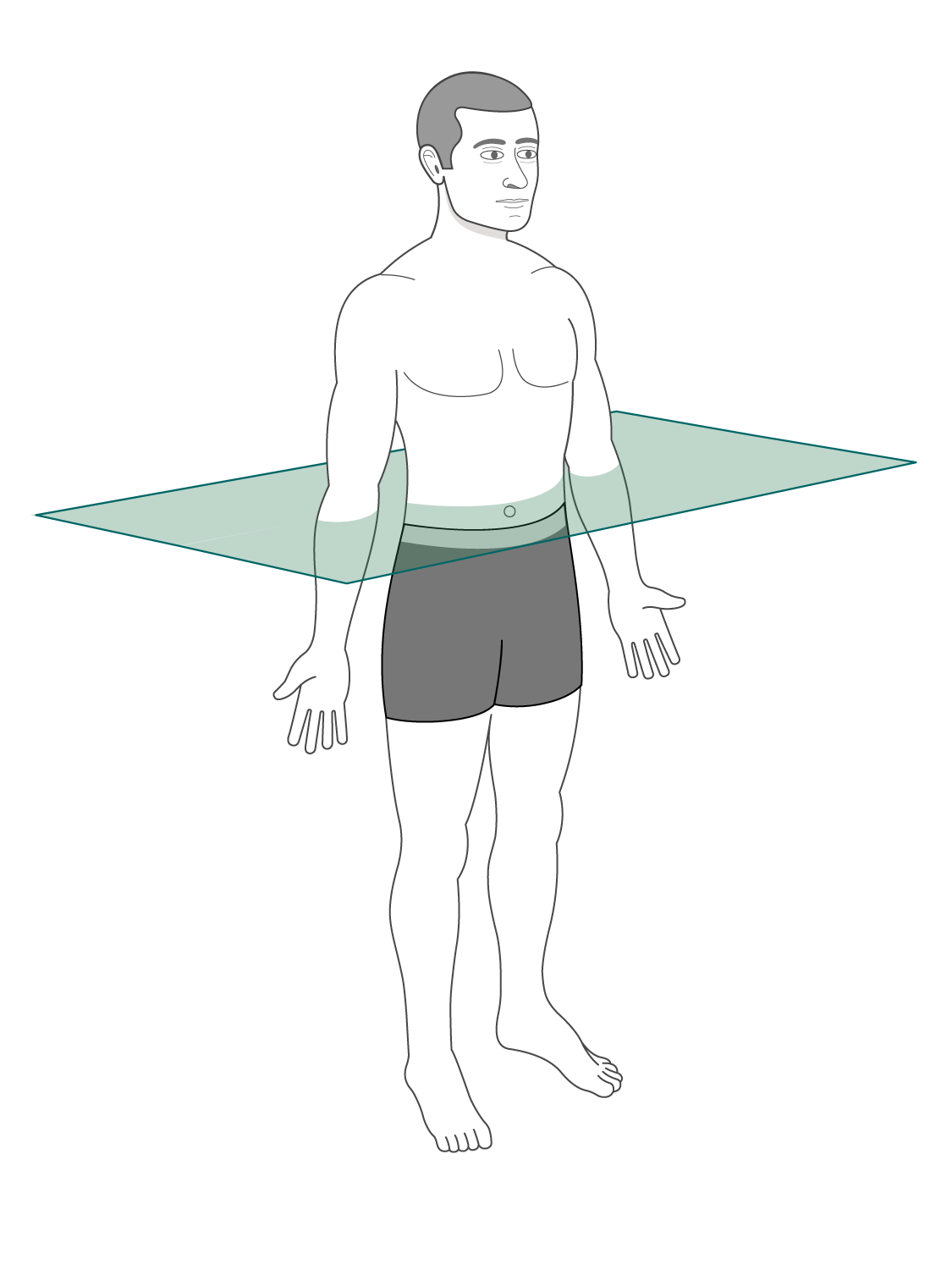
transverse plane

sagittal plane

frontal plane
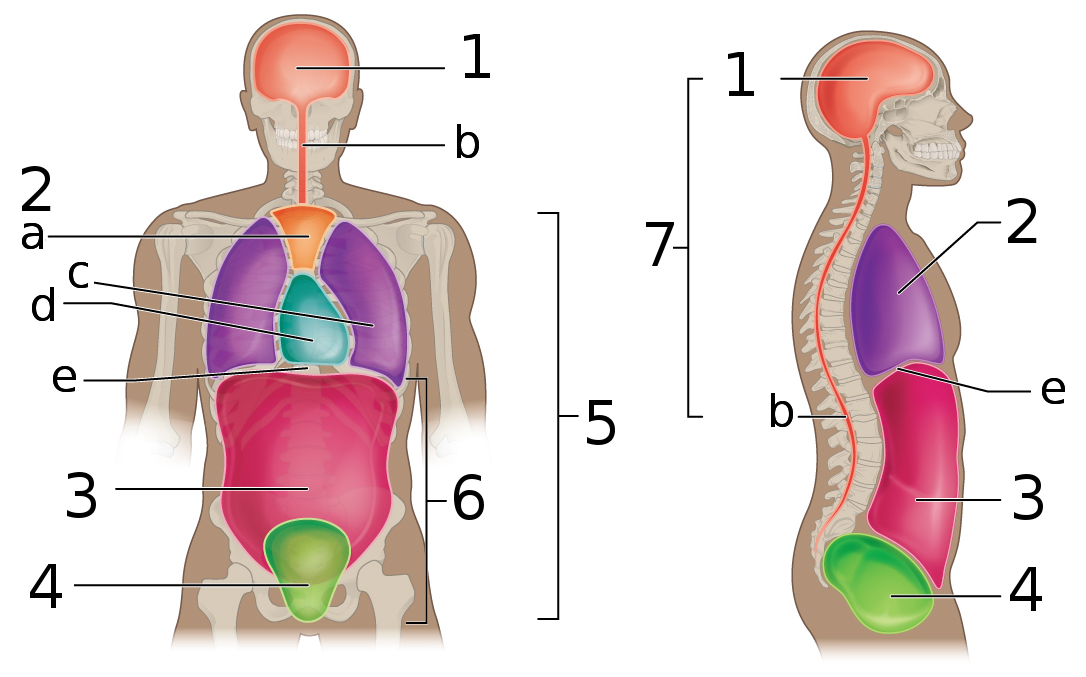
7 containing both 1 and b
Dorsal body cavity

1
cranial cavity

3
vertebral cavity

All the red cavities
Ventral body cavity

4
thoracic cavity

c
pleural body cavity

a
superior mediastinal cavity

D
pericardial cavity

3 and 4
abdominopelvic cavity

3
abdominal cavity

4
pelvic cavity
organs located in the cranial cavity
brain
organs located in the vertebral cavity
spinal cord
organs located in the pleural cavity
lungs
organs located in the superior mediastinal cavity
trachea and esophagus
organs located in the pericardial cavity
the heart
organs located in the abdominal cavity
stomach
organs located in the pelvic cavity
urinary bladder and reproductive organs

upper right quadrant

B
upper left quadrant

C
lower right quadrant
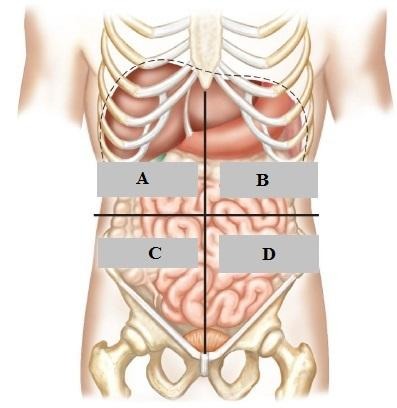
D
lower left quadrant
what organs are in the upper right quadrant
liver, gallbladder
what organs are in the upper left quadrant
stomach, spleen
what organs are in the lower right quadrant
appendix and cecum
what organs are in the lower left quadrant
sigmoid colon and left ureter

prophase

early prophase

late prophase

metaphase

anaphase

telophase

cytokenesis

interphase

interphase
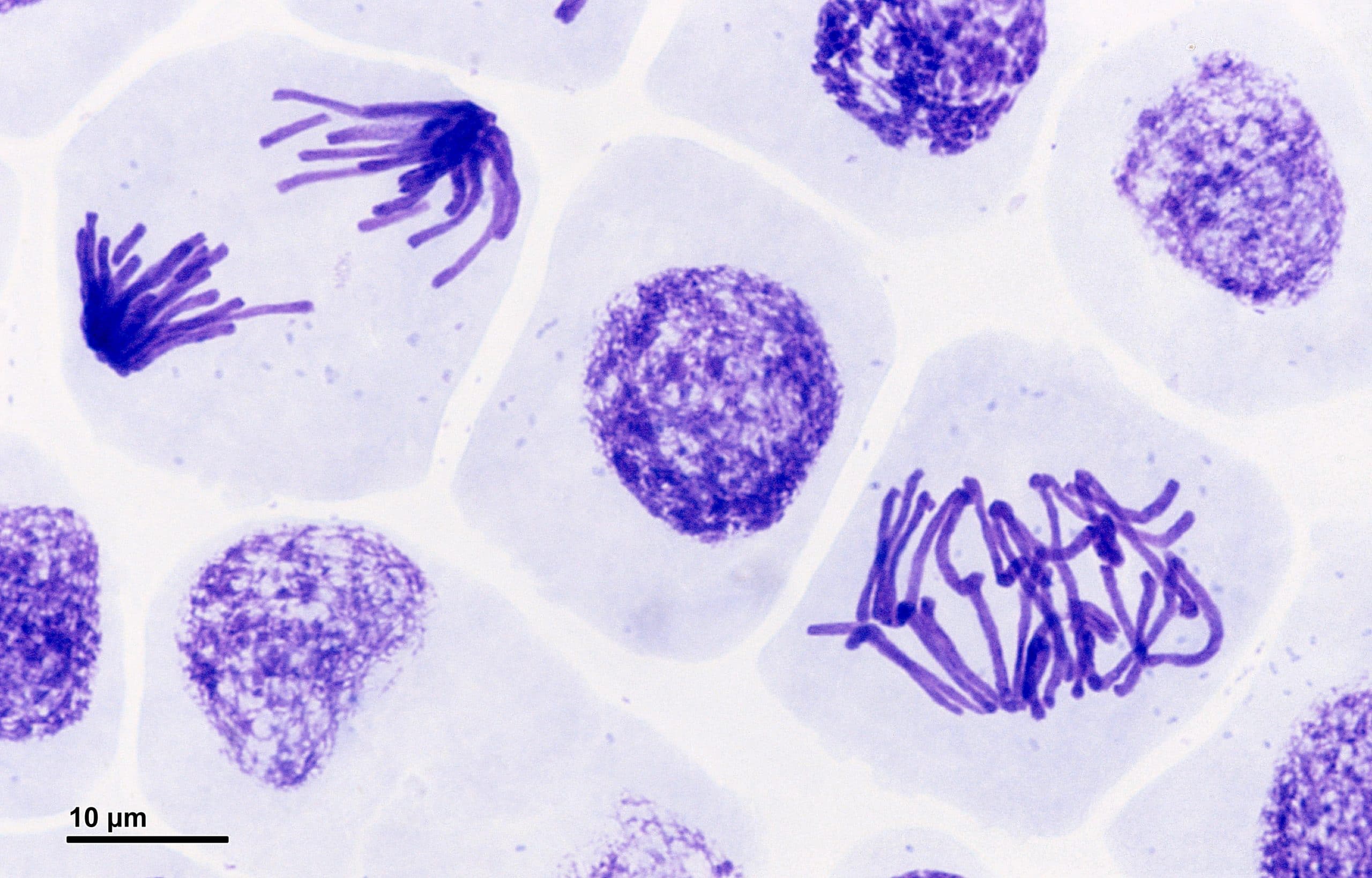
the one in the center
early prophase

late prophase

metaphase

anaphase

telophase

completely split
cytokinesis
chromatin
the spaghetti like unwound DNA inside the nuclear envelope during interphase
kinetochore
located in the centromere area of a chromosome.
Spindle microtubules attach to it
allows the spindle to move the chromosomes during mitosis.
centromere
The area where 2 sister chromatids are held together
aster
star-shaped microtubule arrays that extend from the centrosomes
equator
imaginary line around cell that evenly splits cell in 2
During metaphase, chromosomes line up here
chromosome
a tightly coiled DNA and proteins
carries the genetic information of a cell
cleavage furrow
Indentation that forms in the cell membrane during cytokinesis and helps divide the cell
spindle
microtubules that form from the centrosomes.
attach at the kinetochore in the centromere region of a chromatid
It helps pull and move move the chromosomes during mitosis.
chromatid
Condensed form of chromatin
becomes visible during prophase
2 make sisters
centriole pair
Pair of cylindrical structures within a centrosome that help organize microtubules
90 degrees from each other
Describe the appearance of a cells genetic material during prophase
Chromatin condenses into visible chromosomes.
List at least 3 changes that occur in a cell during prophase
Nuclear envelope breaks down
nucleolus disappears
chromosomes condense
spindle fibers begin forming.
How can you tell if a cell is in early or late prophase?
Early = chromosomes beginning to condense.
Late = chromosomes fully condensed and clearly visible.
Describe the appearance of a cells genetic material during metaphase
Condensed chromosomes lined up in a single row.
At what specific location within the cell is the genetic material located during metaphase
Middle/equator of the cell (metaphase plate).
Describe the appearance of a cells genetic material during anaphase
Sister chromatids separate and move toward opposite poles.
Why are the pieces of genetic material V shaped during anaphase
The centromere is pulled first, causing the chromatids to form a V shape as they move toward the poles.
describe the appearance of a cells genetic material in telophase
Chromosomes have reached opposite poles and begin to uncoil/decondense.
List at least 3 changes that occur in a cell during telophase
Nuclear envelopes reform;
nucleoli reappear;
chromosomes uncoil;
spindle fibers disappear.
How can you tell if a cell is in early or late telophase?
Early = chromosomes still condensed and are at opposite ends of pole
nuclei beginning to reform
Late = chromosomes mostly uncoiled, two distinct nuclei formed.