recognition of pain
 Call Kai
 Learn
 Practice Test
 Spaced Repetition
 Match
 Flashcards
 Knowt Play
1/10

There's no tags or description
Looks like no tags are added yet.
11 Terms
importance of recognising pain
upholds veterinary oath
legal compliance with welfare standards
prevents unnecessary suffering
what is pain
a complex sensory and emotional experience
stress triggers and indicators
triggers - handling, illness, environment
indicators - HR, cortisol, hiding, pacing
pain in relation to stress and suffering
pain leads to stress, chronic stress causes distress
chronic diseases reduces immunity, healing
suffering includes fear, boredom, frustration
acute pain behaviours
vocalisation, rapid breathing, increased heart rate
flinching, guarding, limping
hunched posture, lack of movement
reduced appetite, aggression or withdrawal
chronic pain behaviours
lethargy or depression
loss of appetite, weight loss
dull coat, poor grooming
changed social behaviour
physiological indicators of pain
increased HR, RR, BP
pupil dilation
cortisol levels elevated
reduced immune responses
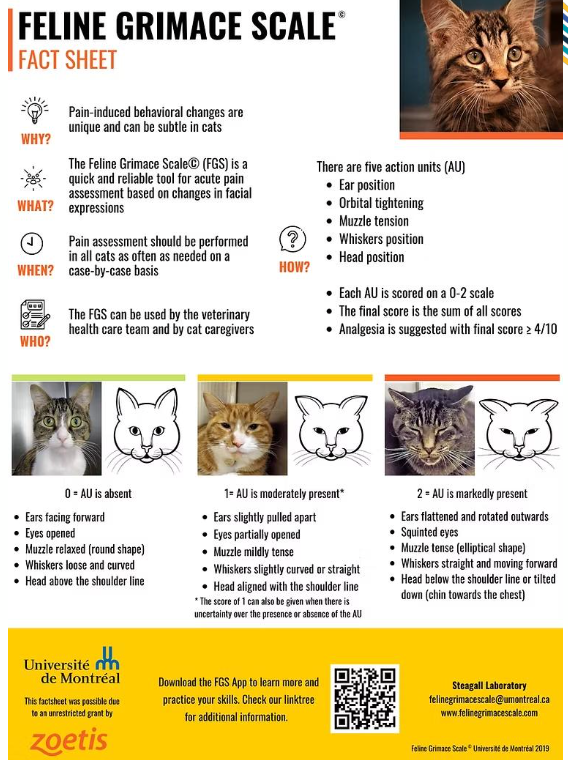
describe cat grimace scale
ear position, muzzle shape, whiskers, head position
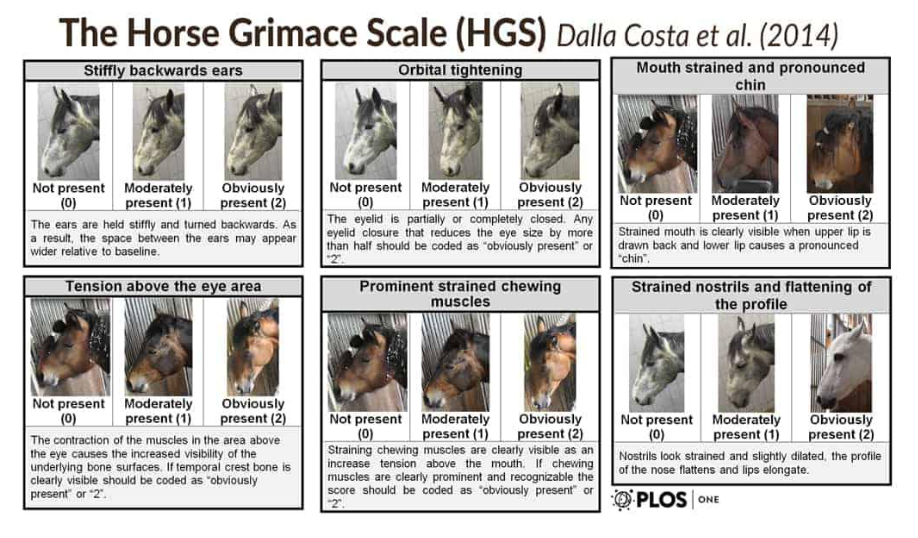
horse grimace scale
ear position, orbital tension, nostril shape, chewing
quality of life factors
physical health - pain, injury, illness
emotional health - fear, anxiety, depression
social interactions - companionship, aggression
environment - space, enrichment, routine
procedures - frequency and impact of interventions
qualitative welfare assessment
observational - demeanour, coat, movement
animal history and known behaviour
clinical examination and mental state
response to treatments or pain relief
numerical scoring systems
standardised observation sheets
defined criteria for intervention