Chemistry - Enzymes
 Call Kai
 Learn
 Practice Test
 Spaced Repetition
 Match
 Flashcards
 Knowt Play
1/27

There's no tags or description
Looks like no tags are added yet.
28 Terms
What are enzymes
Biological catalysts that follow rules of catalyst. Accelerate reaction by decreasing activation energy
3 main characteristics of enzymes
Can be reused/regenerated
DOESNT change equilibrium, only the reaction rate
Large proteins that may need assistance
Substrate =
Reactant
Active site =
enzyme’s specific pocket where substrate binds
Specificality
usually specific to substrate
What is ES Cycle
Enzyme + Substrate = ES Complex → Enzyme Product (EP) → E + P
Enzyme Structure
Proteins w/ 3D shape
Cofactors are
Metal/organic compounds that help in a reaction
What does a coenzyme refer to
Organic Compound ONLY (ex: water soluble)
How do you get cofactors
Diet source + water soluble vitamin intake
Cofactor has a
nonprotein component
Apoenzyme is the…
protein portion of enzyme
Holoenzyme
protein + cofactor
Oxidoreductases enzymes do
Oxidation/reduction

Transferase enzymes ____ one funct. group from 1 molecule to another
move; ATP as reactant
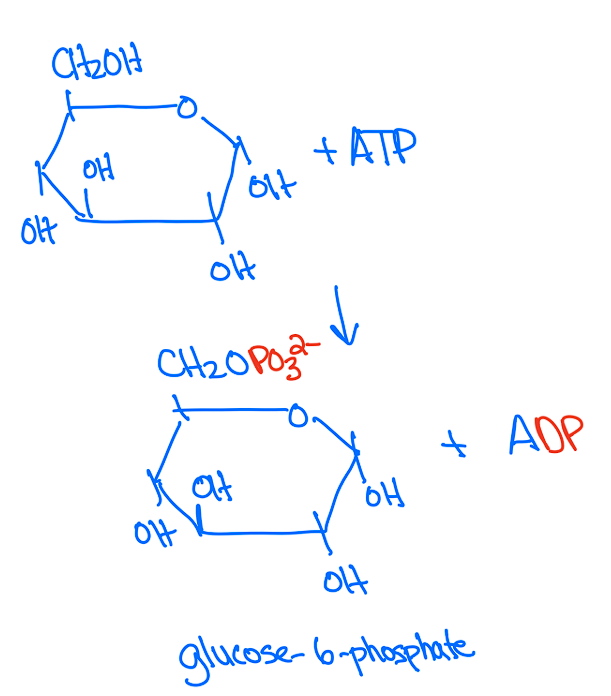
Hydrolases
Hydrolysis; add or remove H2O

Lyase
Form OR break C-C bond w/o ATP

Ligase
Form OR break C-C bond WITH ATP

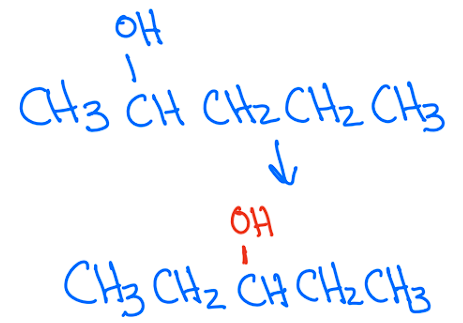
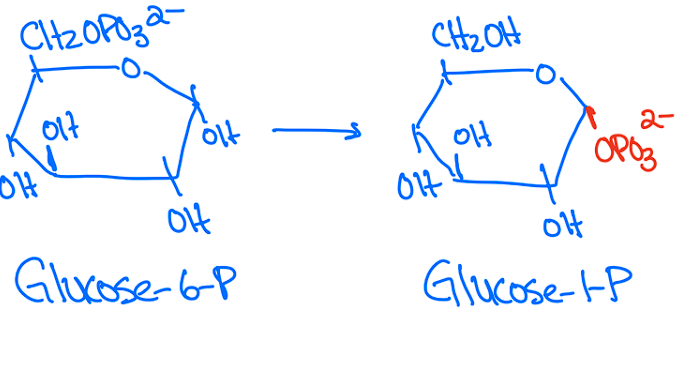
Isomerase
Atom rearrangement
What are the enzyme specificity models
Lock + Key AND Induced Fit
What is the function of an enzyme (hint: 2 functions)
bring reactant together + hold reactant in correct orientation and distance
Michaelis-Mention Equation
V=Km+[S]Vmax[S]
Equation Parts
Vmax = Max reaction rate
Km= M-M constant (describes specificity)
[S] = Substrate concentration
What are the two kinds of enzyme inhibition
Irreversible and reversible
Irreversible inhibition
Broken down enzyme due covalent bind (ex: lead)
Reversible inhibition
No enzyme damage (ex: ibuprofen); two subtypes!
Competitive reversible enzyme inhibition
Bind at enzyme’s active site
Non-competitive reversible enzyme inhibition
bind enzyme to NON-active site to change active site’s shape → less accessible substrate