History and Methods of Psychology | Quizlet
 Call Kai
 Learn
 Practice Test
 Spaced Repetition
 Match
 Flashcards
 Knowt Play
1/310

There's no tags or description
Looks like no tags are added yet.
311 Terms
Cartesian dualism
(Descartes) that mind and body are separate, opposites must be mutually exclusive
- 17th century
- created when the Catholic Church had the say over the 'mind' & science had the say over the 'body'
- sensory experience is untrustworthy, thinking is independent from the body
- body is spatial and divisble; mind is non-spatial and indivisible
- mind and body have nothing in common, totally distinct
spiritualism
religion that emerged in the 19th century; believing that the dead's souls in this world cause paranormal phenomena; psychology was associated with it
Tabula Rasa hypothesis
(Locke) argued that human infants were like "blank slates", implied that human beings were "perfectible"; no longer accepted by scientists
new psychology
(Wundt) the first psychology lab; combines 3 strands of thinking
1. sensory physiology
2. philosophy of the mind for higher processes
3. medical findings that show higher/cognitive processes are related to the brain
sensory physiology
(Weber) the study of how stimulation of sensory nerves cause sensations
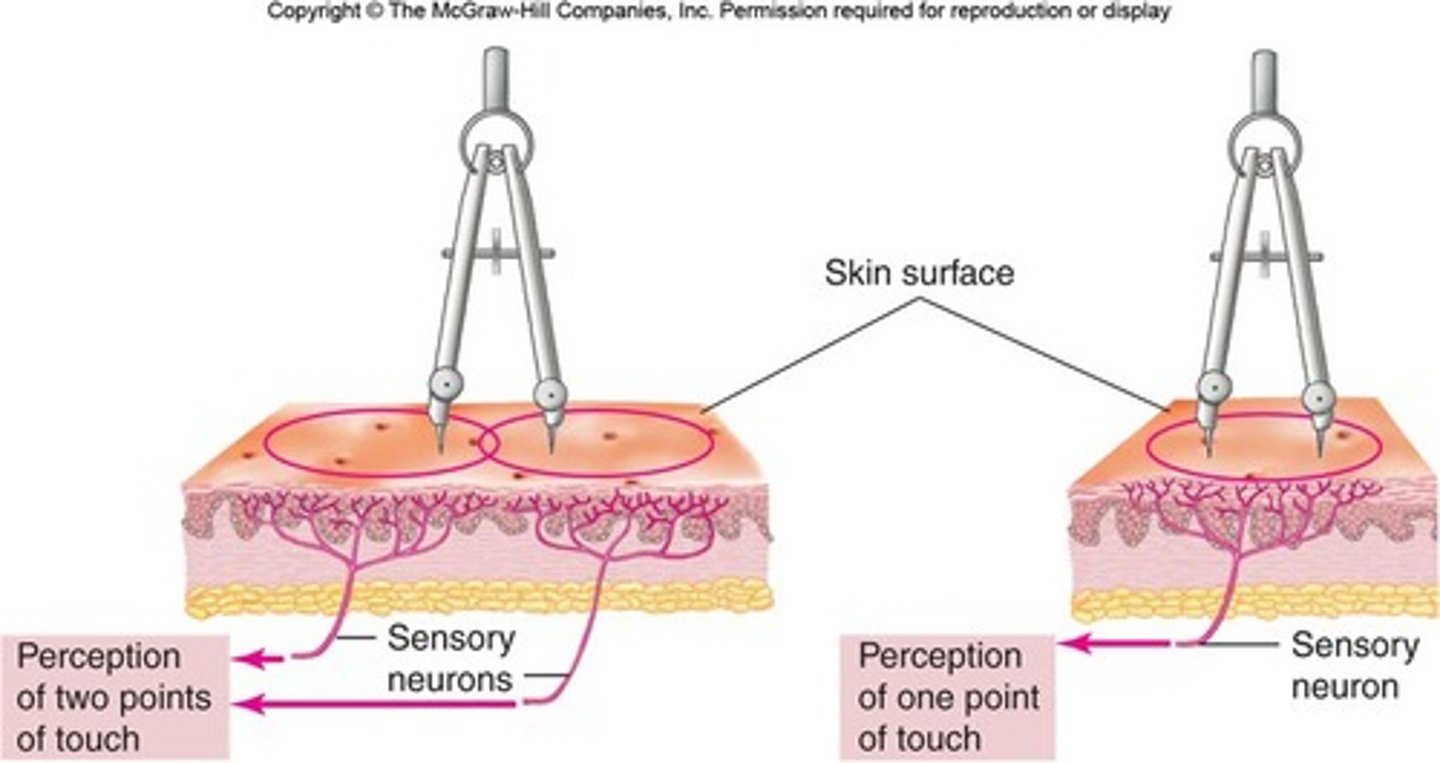
two-point threshold
(Weber) the smallest distance needed to detect that the skin is being touched by two different points rather than feeling them as one; measured by an aesthesiometer
just noticeable difference (JND)
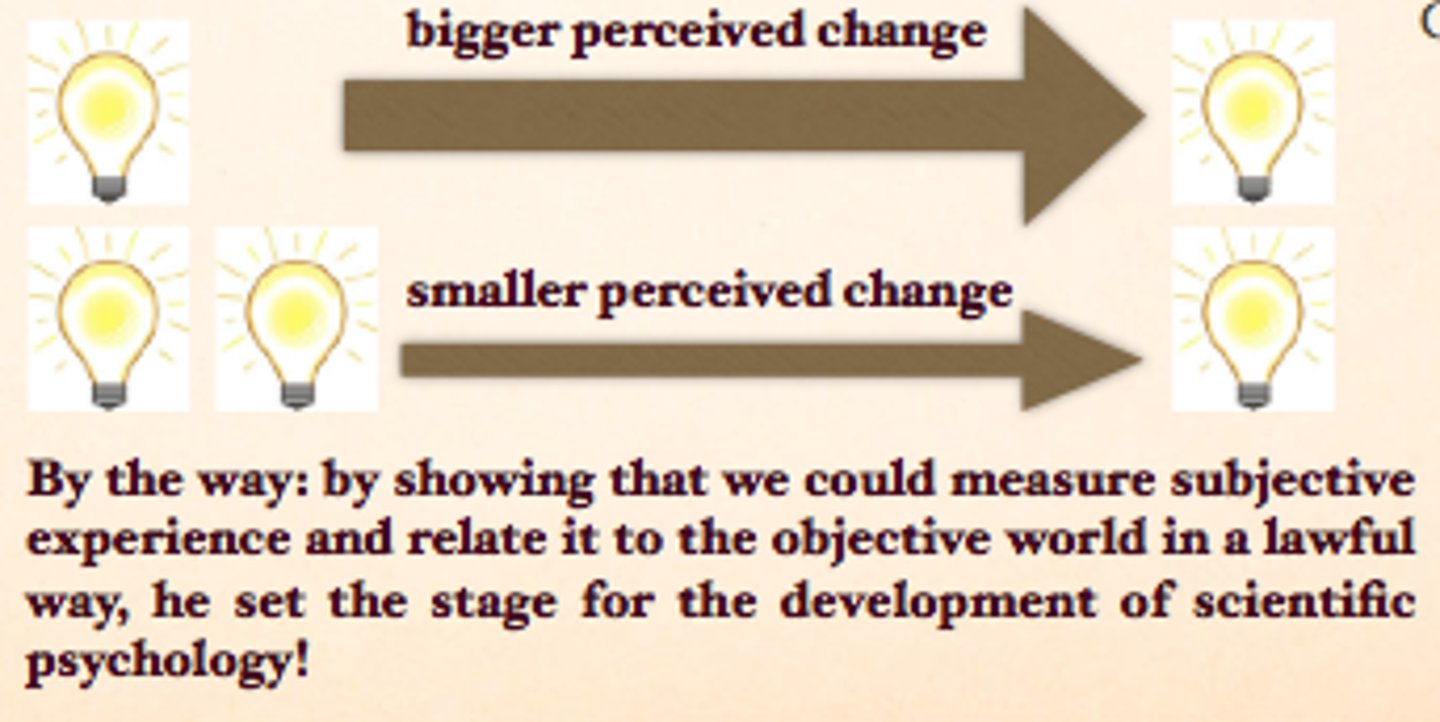
the minimal change in a stimulus that can just barely be detected
Weber's law
the just noticeable difference of a stimulus is a constant proportion despite variations in intensity
- (JND/stimulus intensity) = constant
- the smallest change in stimuli that can be percieved
Ernest Weber (1795-1878)
founder of sensory physiology
- researched how to measure sensations and touch
- just noticeable difference (JND)
psychophysics
(Fechner) the study of relationships between the physical characteristics of stimuli
- such as their intensity, and our psychological experience of them
- Fechner's adaptation of sensory physiology
- helped develop signal detection theory
psychophysics methods
1. present pairs of objects & subject answers if they are different, objects become gradually more similar, where people get more errors
2. average error/method of adjustment
average error / method of adjustment
a psychophysics method where the subject adjusts a stimulus to be the same as another
Fechner's law
larger and larger increases in physical energy are required to produce equal increases in perception; S = k x logR
-psychological sensation (S)
-constant (k)
-physical stimulus intensity (R)
experimental aesthetics
(Fechner) study of aesthetic perception; e.g. most attractive ratios
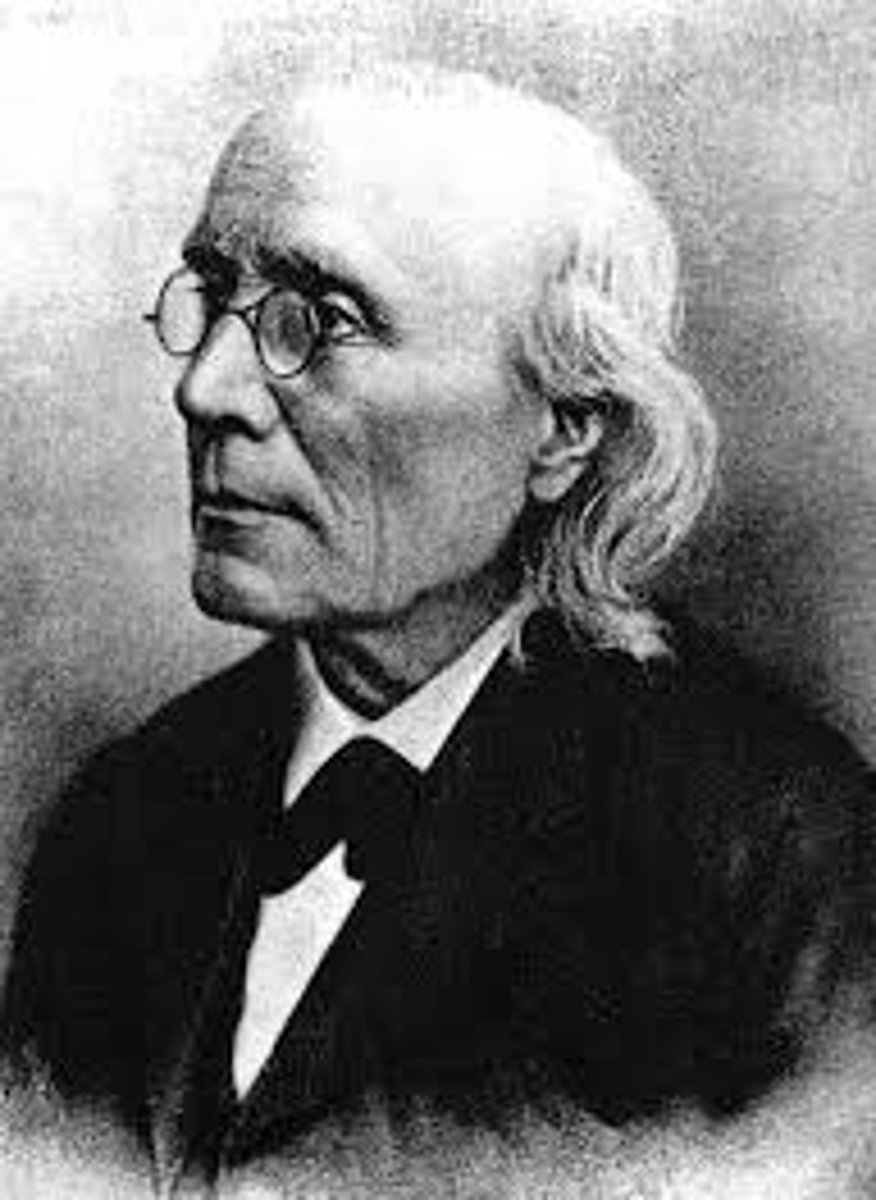
Gustav Fechner (1801-1887)
founder of psychophysics
- expanded on Weber's research
- developed new methods of measurement
- non-linear relationship between psychological sensation and physical intensity
- Weber-Fechner Law
associationist philosophy
the belief that people were born with blank minds and ideas comes from experience; people either believed in the coalescence or brick wall hypothesis
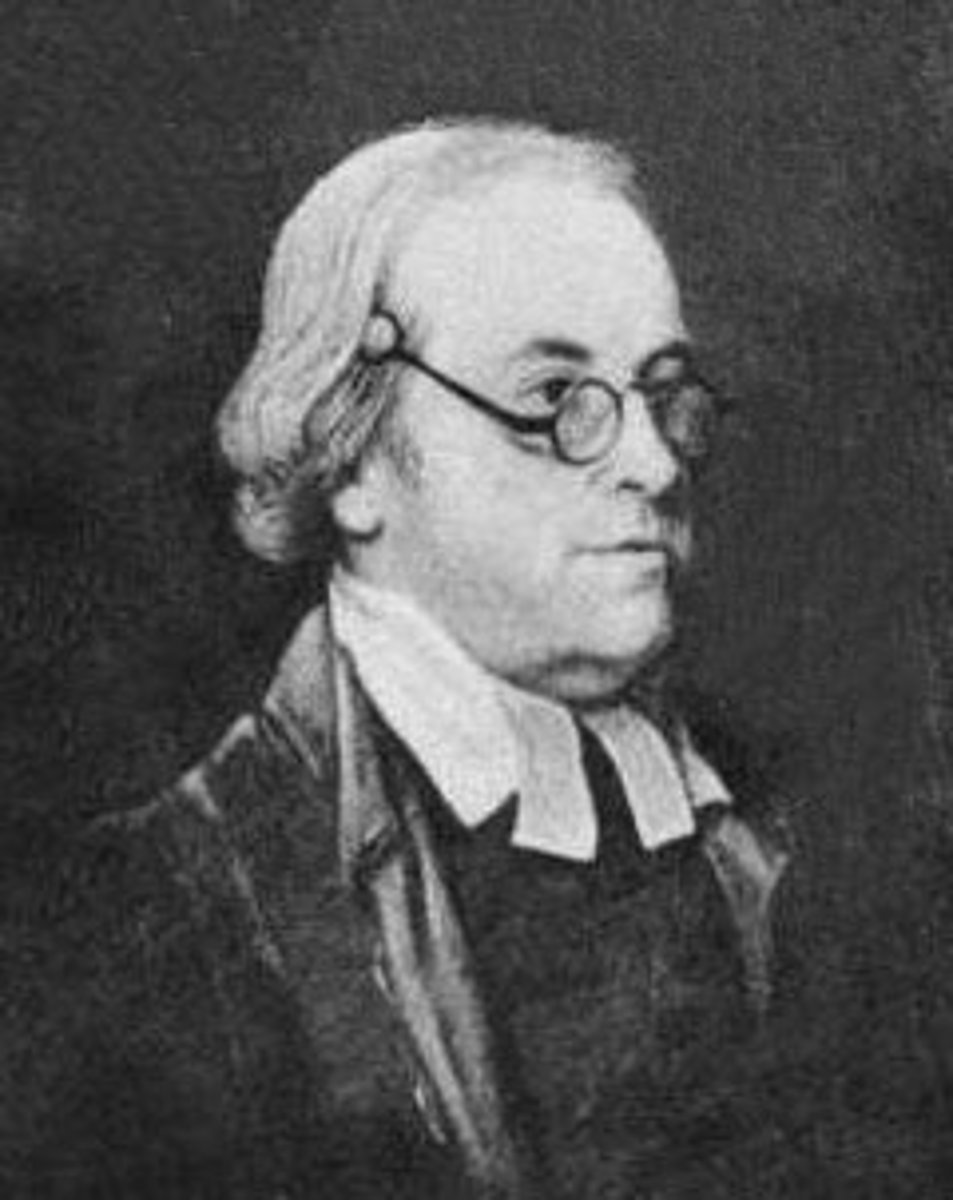
David Hartley (1705-1757)
physician and philosopher; famous associationist; one of the firsts to connect the nervous system to thoughts
coalescence hypothesis
(Hartley) when original ideas merge, they become something completely new and different from the individual ideas; opposite of brick wall hypothesis; e.g. lemonade is a taste of its own that is NOT just a combination of lemon and sugar
brick wall hypothesis
(Mill) when original ideas merge, they each retain their own original identities; opposite of coalescence hypothesis; e.g. lemonade's taste is the combination of lemon and sugar
Broca's area
controls language expression; an area of the frontal lobe, usually in the left hemisphere, that directs the muscle movements involved in speech; its findings helped support the developing claim that the brain causes thoughts
Wernicke's area
controls language reception; a brain area involved in language comprehension and expression; usually in the left temporal lobe; its findings helped support the developing claim that the brain causes thoughts
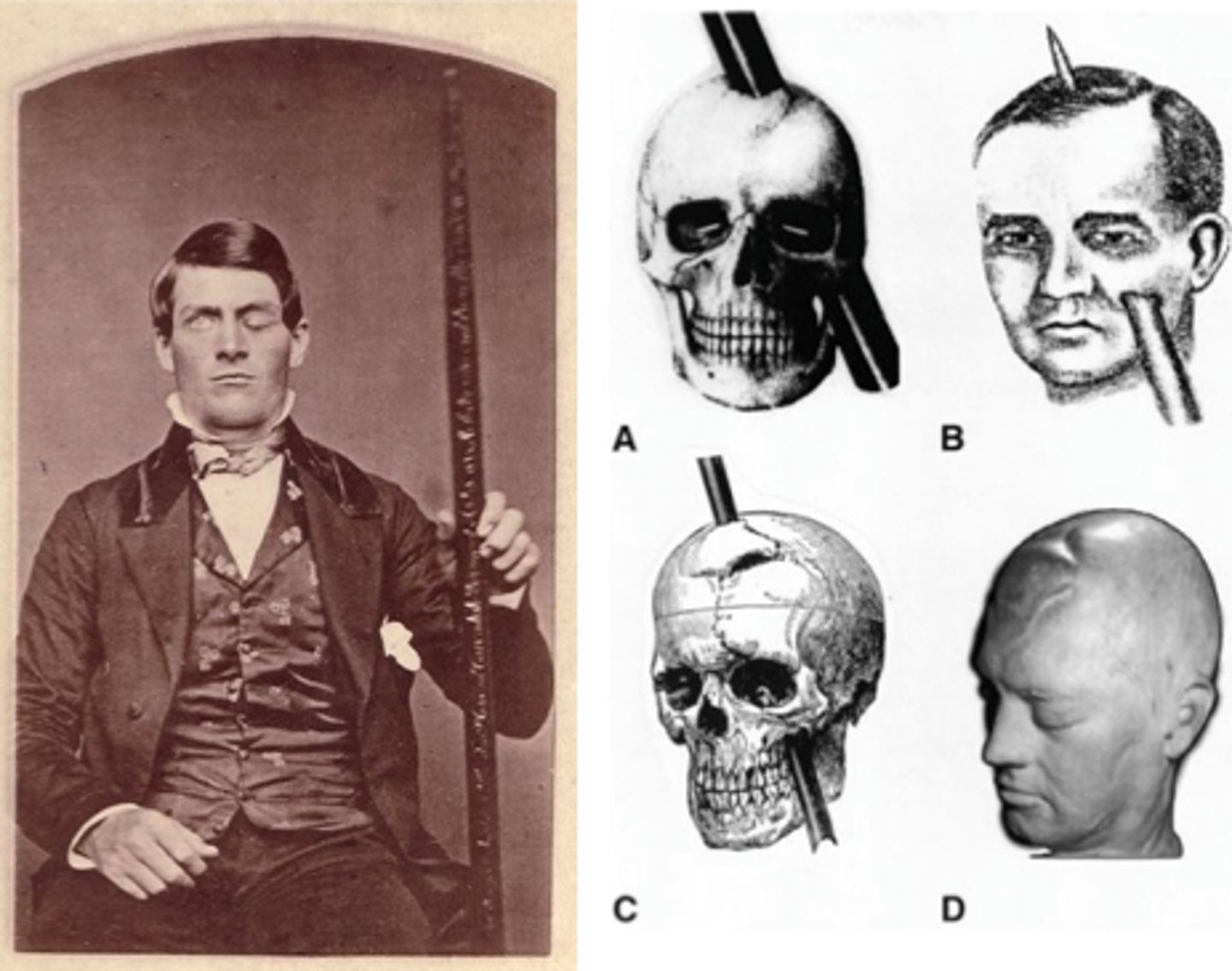
Phineas Gage
railroad worker who survived a severe brain injury that dramatically changed his personality
- helped show a connection between brain areas and cognition, frontal lobes and personality/behavior
Ancient Greek - before psychology
- addressed psychological questions with philosophy (mind-body, introspection, epistemology, free will)
- old medicine treated psych disorders
- before 1870 psychology was not its own discipline
Plato
(427-347BC)
- truth must be 1. true in all times and places and 2. rationally justifiable
- rationalism
- nativism
- mind and body problem
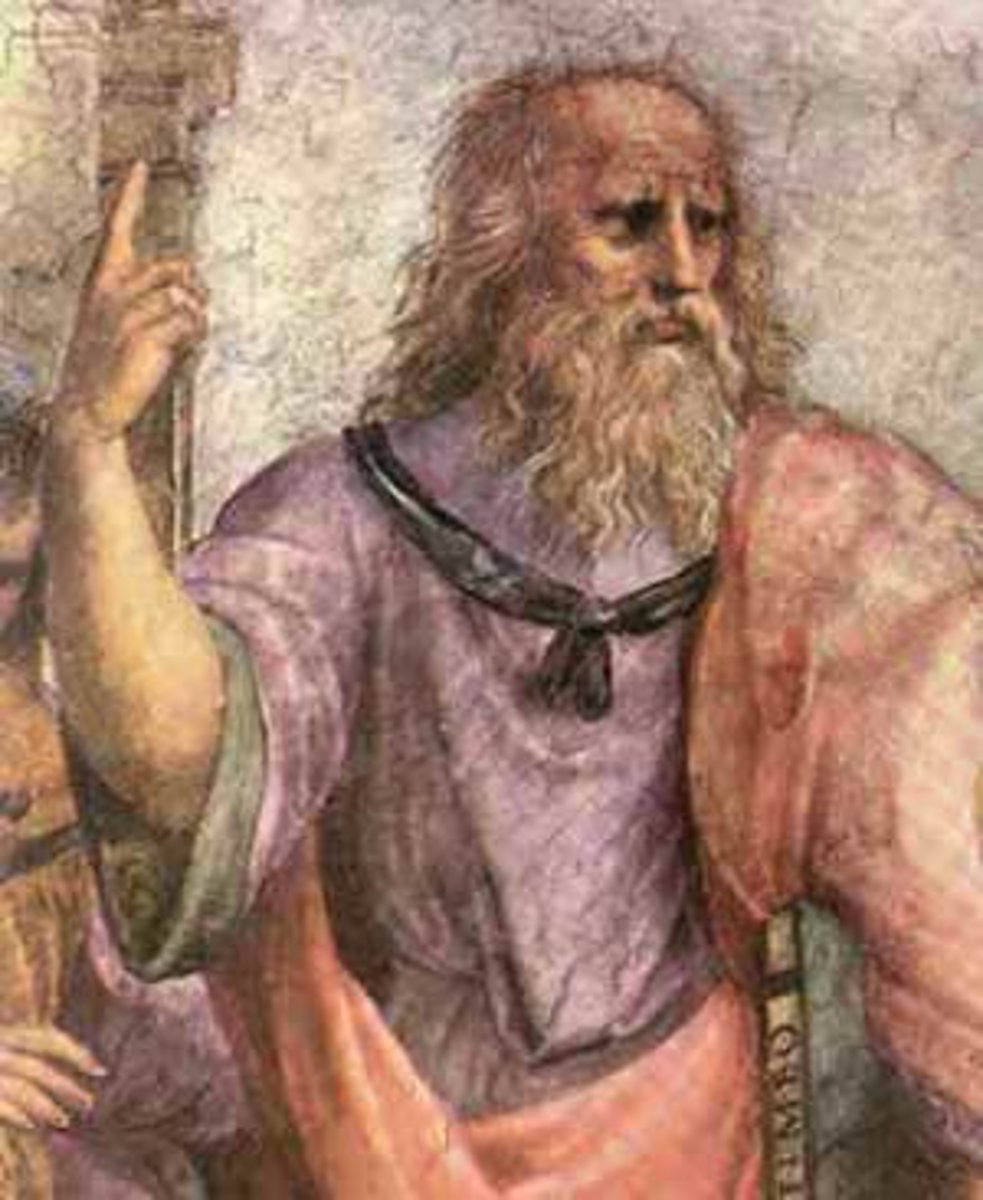
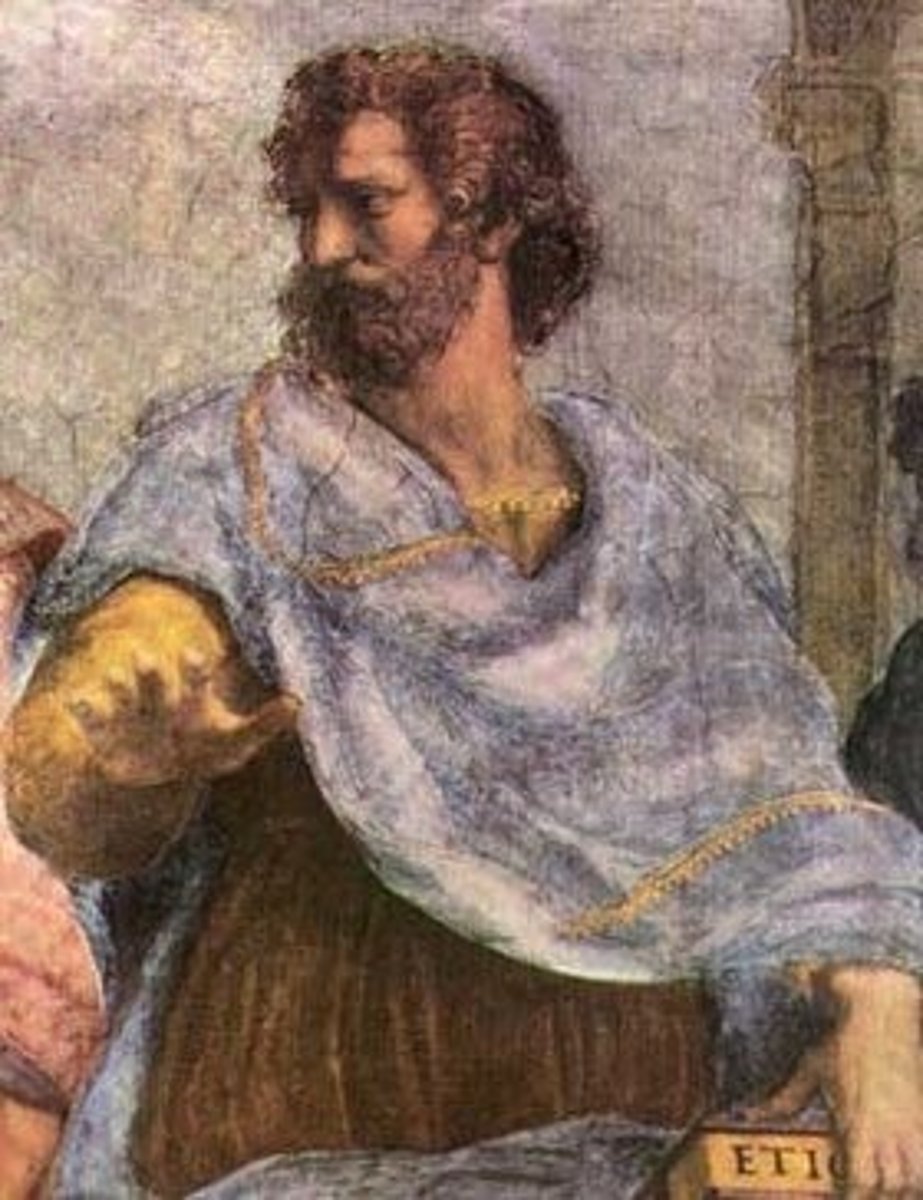
Aristotle
(384-322BC)
- empiricism
- non-dualist
- believed that all beings have souls but humans have rational souls
- theorized about learning, memory, motivation, emotion, perception, and personality
- logical principles
Rène Descartes
(1596-1650)
- 'I think, therefore I am'
- Cartesian Dualism
- believed the body is a machine to be studied
- believed in some inborn knowledge (e.g. God)
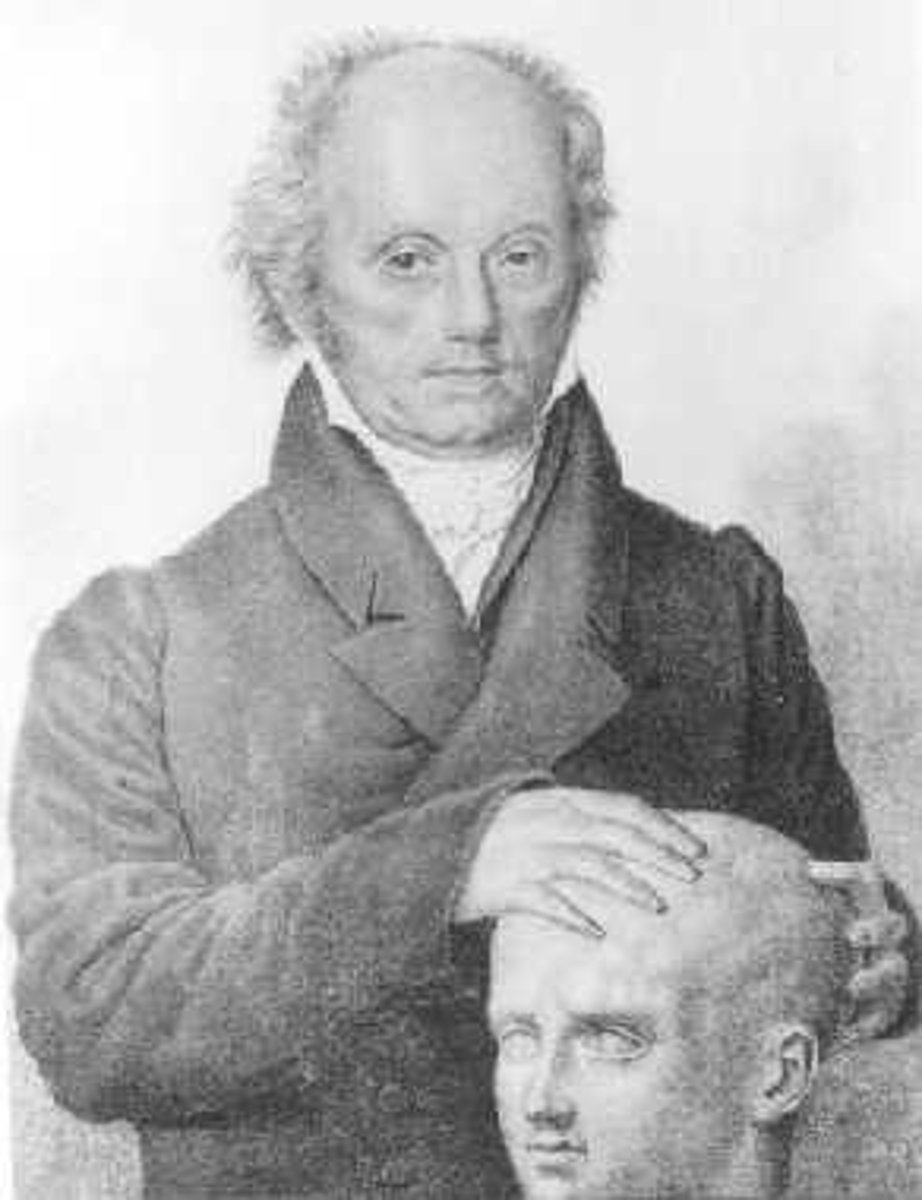
Franz Gall
(1758-1828)
founder of phrenology
- probably some weird freak lmao
phrenology
(Gall) the study of skull shapes, believing that it reveals mental faculties and personality traits
- believed that the mind and personality depends on the brain
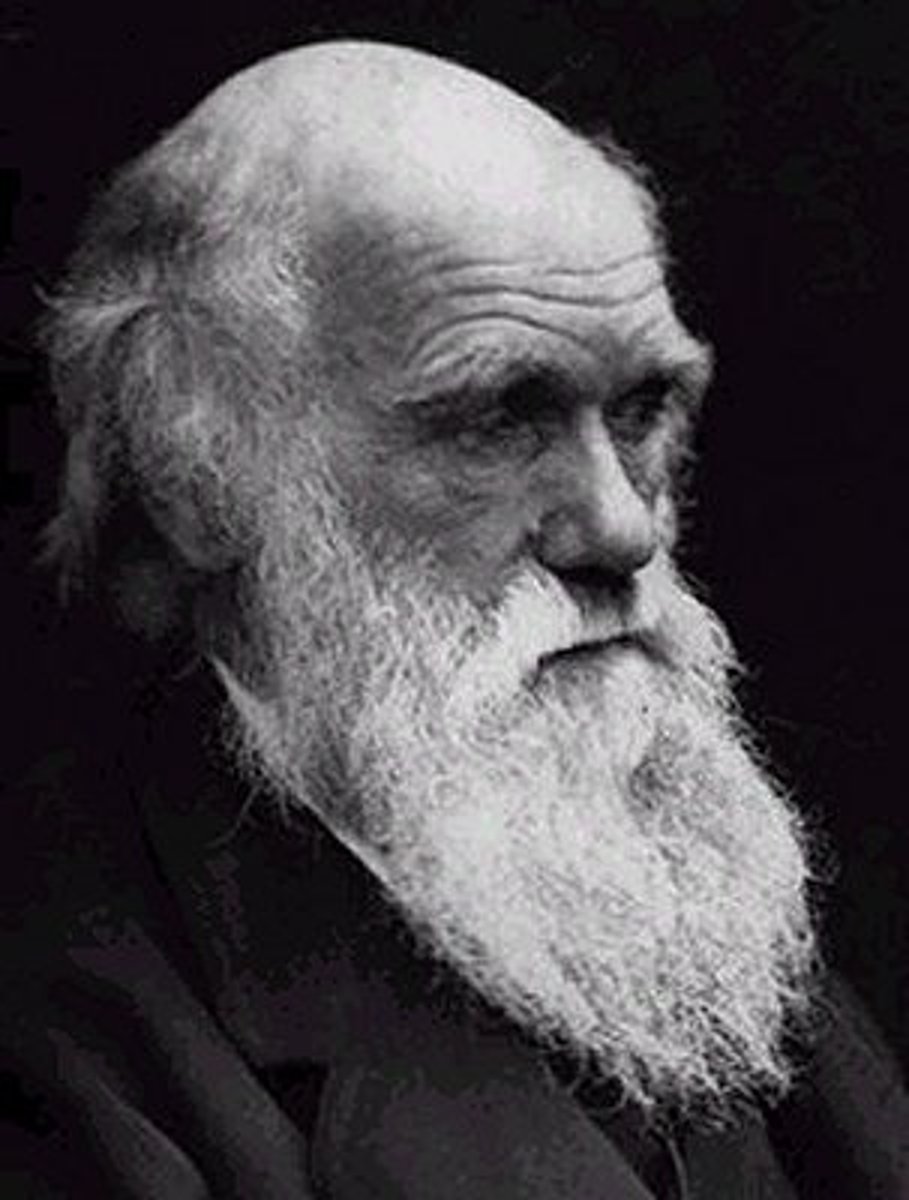
Charles Darwin
(1809-1882)
founded law of natural selection and theory of evolution
- inspired school of functionalism (James)
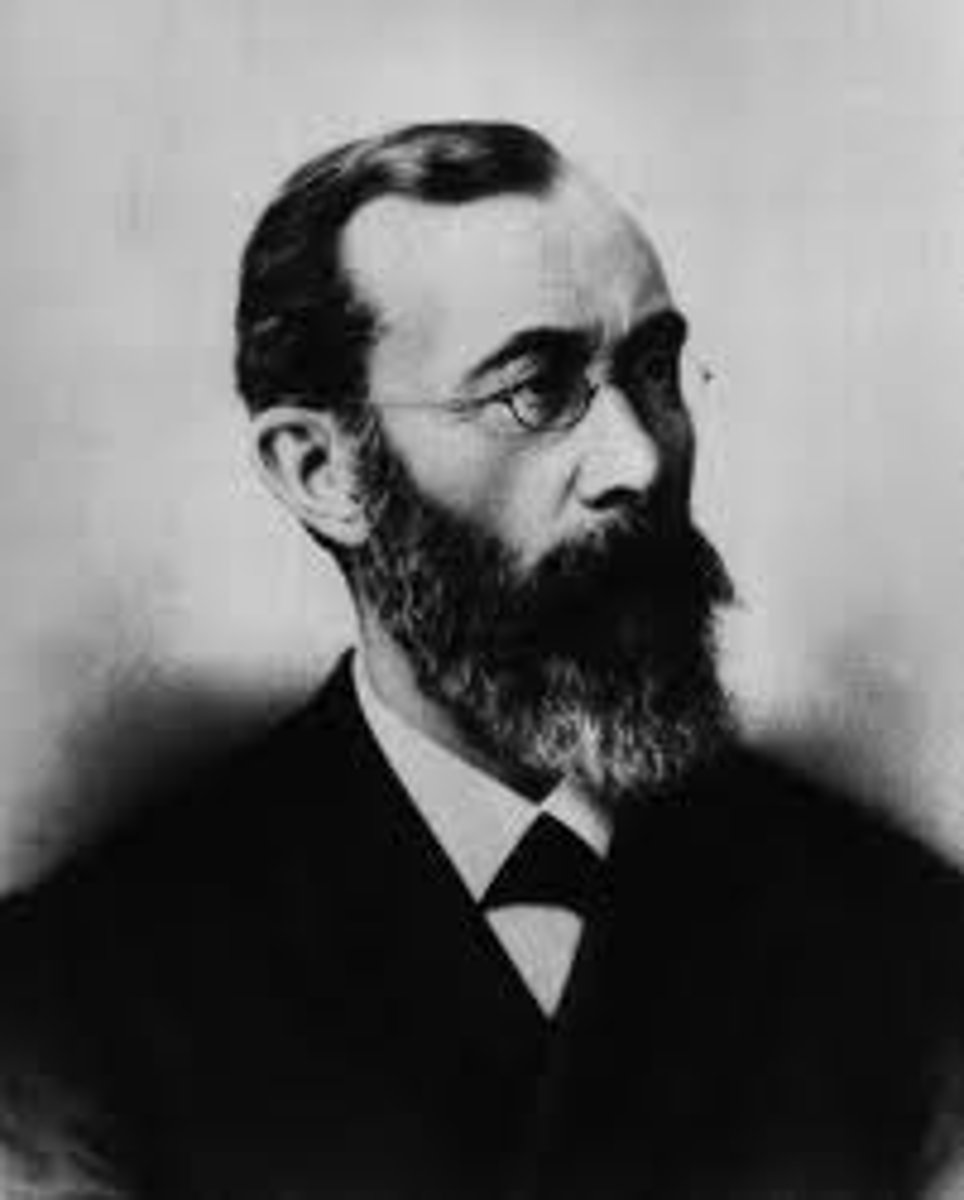
William Wundt (1832-1920)
father of psychology
- studied the building blocks of the mind, conscious experiences
- introspection
- believed that there should be experimental psychology and folk psychology
- restricted psychology to scientific experimentation, making it a 'real' science
- first experimental psychology textbook (1874)
- first experimental psychology lab (1879)
- coined "New psychology"
immediate experience
(experimental psychology) immediate reaction of something independent of prior knowledge, interpretation, or context
mediate experience
(experimental psychology) reactions mediated by knowledge and understanding; applies to most knowledge
psychic causality
(experimental psychology) that there are different rules in place for causality of psychological processes that cannot be explained by physical causality
inner perception / introspection
(experimental psychology) a scientific activity by Wundt where one focuses on the experiencing of a sensation itself, not interpretation; needs heavy training
goals of psychology (Wundt)
1. consciousness: sensations and feelings
2. association and apperception
three-dimension theory of feelings
(Wundt) each feeling is not connected to a specific modality like sensations, but follow these dimensions
1. pleasurable/unpleasurable
2. exciting/depressing
3. relaxing/straining
voluntarism
(Wundt) the system of association and apperception; reflecting a voluntary act done by a person; believes that one can has control over associating elements together
associations
(Wundt) passive association of elements/events without intention
apperception
(Wundt) active association of elements/events with intention and attention
creative synthesis
(Wundt) that complex ideas formed from simple ideas take on new qualities; the combination of the mental elements creates something greater than or different from the sum of the original elements
folk psychology (Völkerpsychologie)
Wundt's study of higher mental processes that he thought cannot be studied scientifically; more similar to modern anthropology
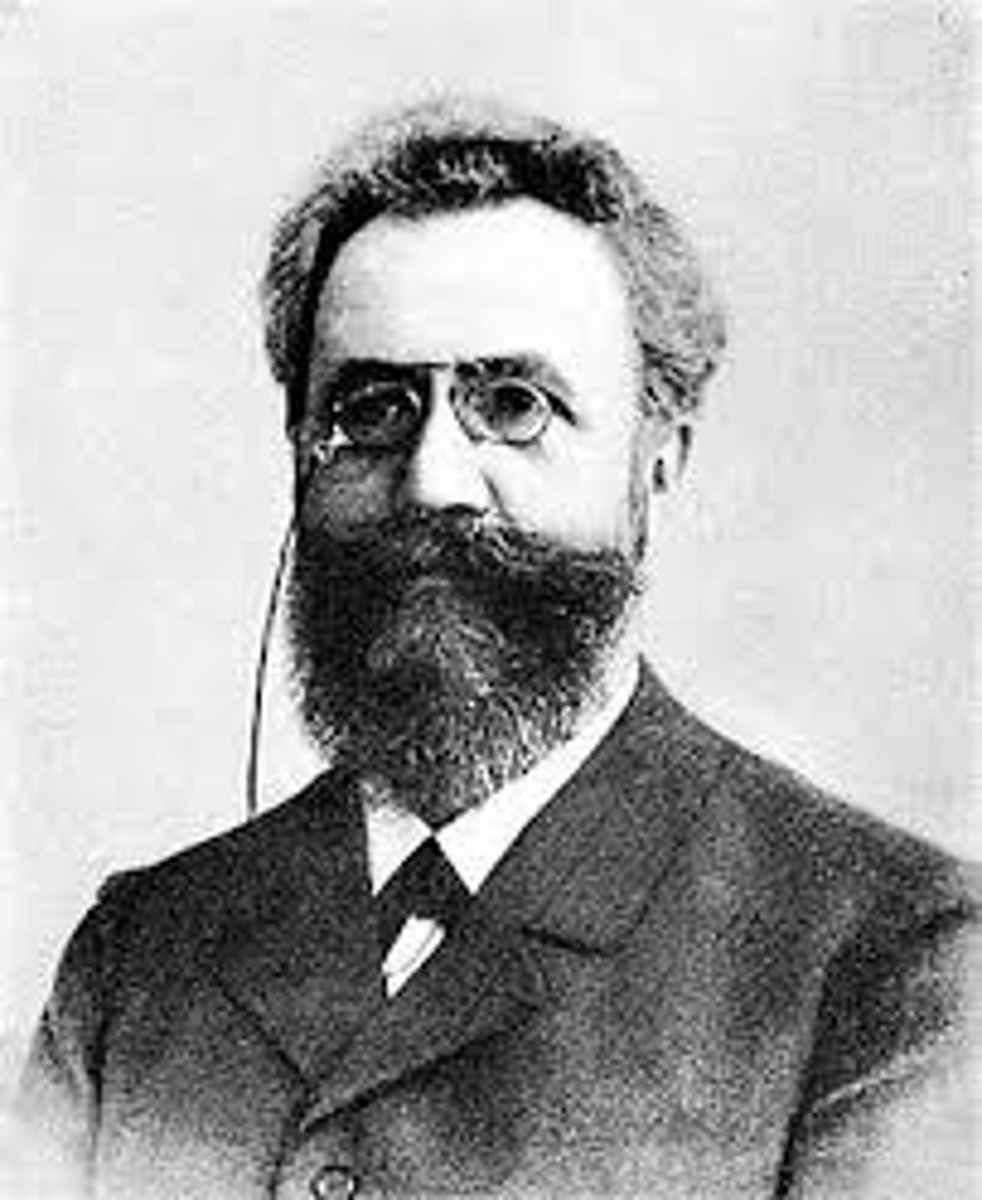
Herman Ebbinghaus
(1850-1909)
- studied learning and memory with self-experiments
- the forgetting curve, Ebbinghaus illusion
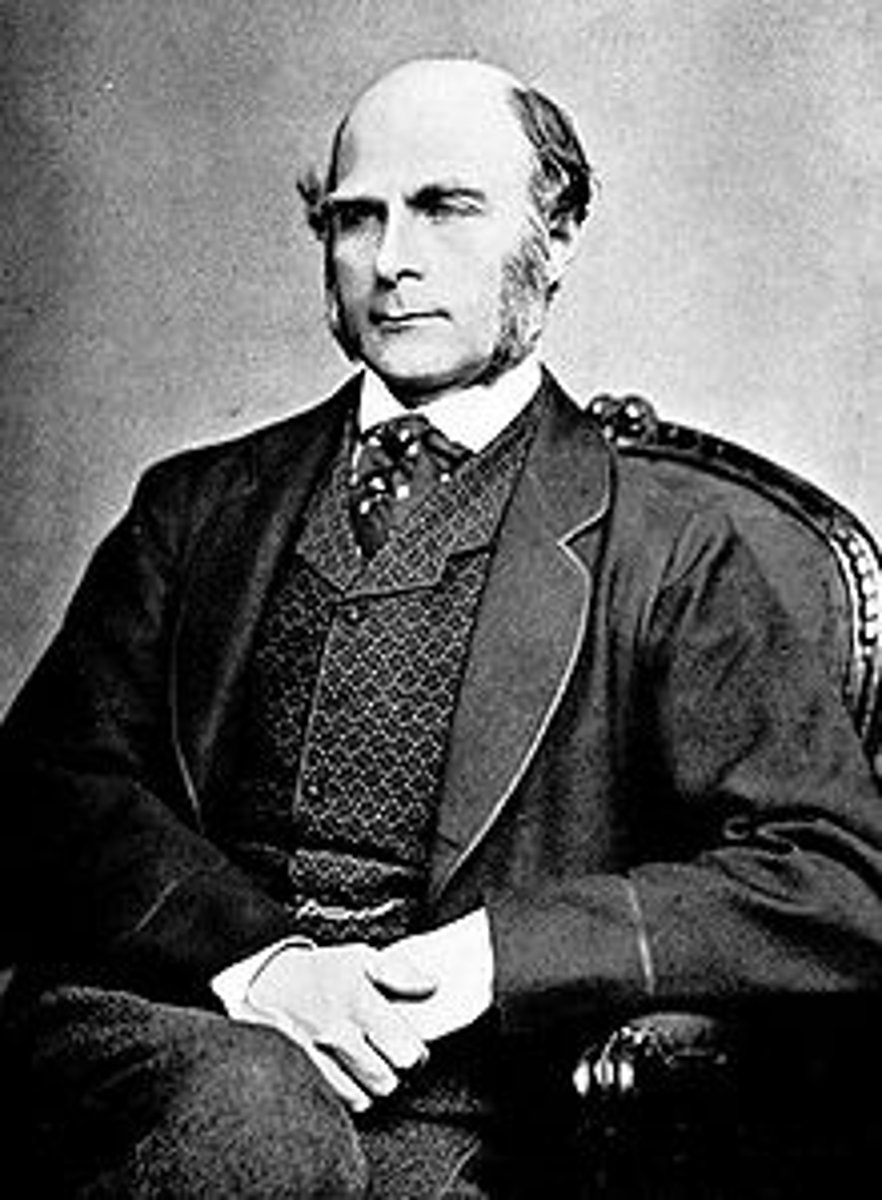
Francis Galton
founder of psychological tests
- founder of the eugenics
- studied individual differences
- first lab for IQ measurement
- researched for a link between heredity and intelligence
pure science
scientific research whose main purpose is to enrich the scientific knowledge base without real-world applications; opposite of applied science; like physics compared to engineering
Why was psychology pushed as a pure science in early Europe?
before the industrial revolution, there was prejudice against applied science as a lower class activity, so psychology was pushed as 'pure' to become a 'real' science taught in universities
beginning of psychology in America
- William James
- did not discriminate against it as an applied science like Europe
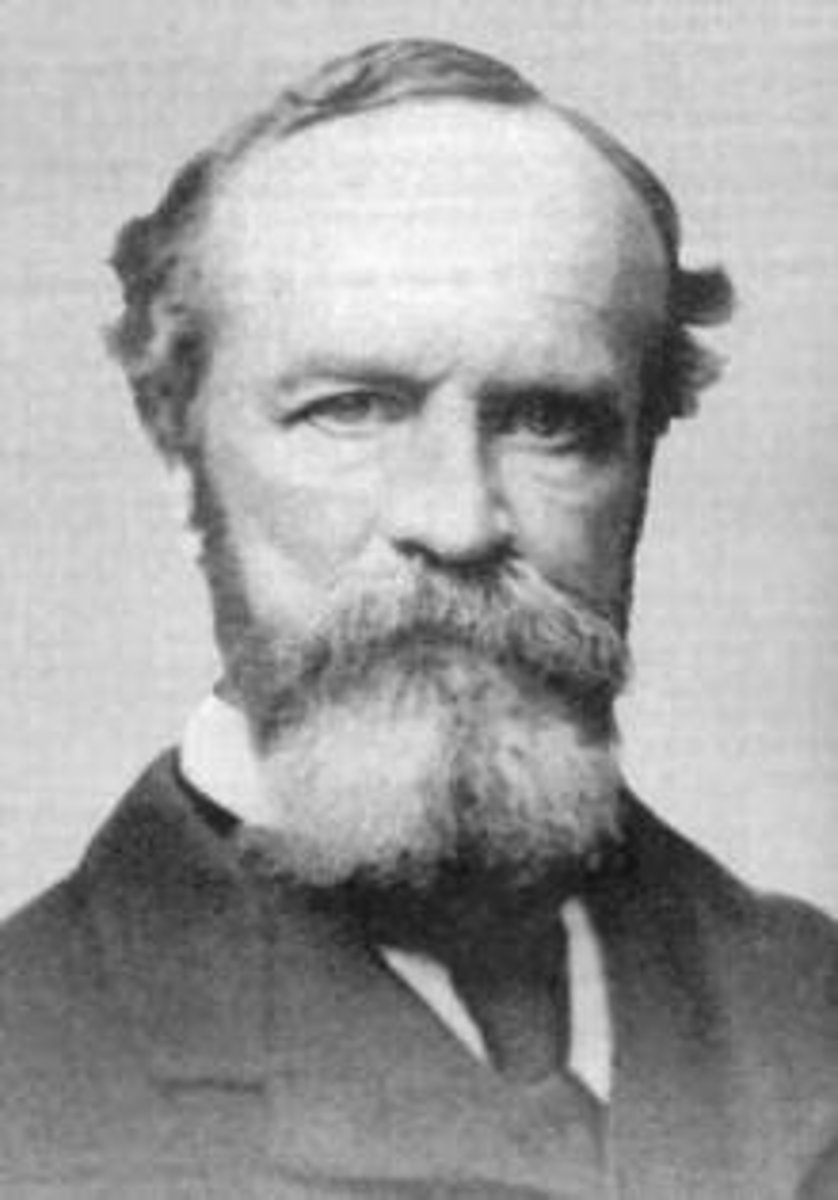
William James (1842-1910)
the father of psychology in America
- helped make psychology a 'real' science
- applied psychology
- inspired by Darwin & Peirce that the brain has a survival function
- contributed to educational psychology by advising about learning, but they're all theory based without any testing
structuralism vs. functionalism
- structuralism: Europe; interpreting perception
- functionalism: America; understand functions of brain areas
both used introspection but differently
Stanley Hall (1844-1924)
set up the first psychology lab in the US (1883)
- founded the APA (1892)
- ex-student of William James
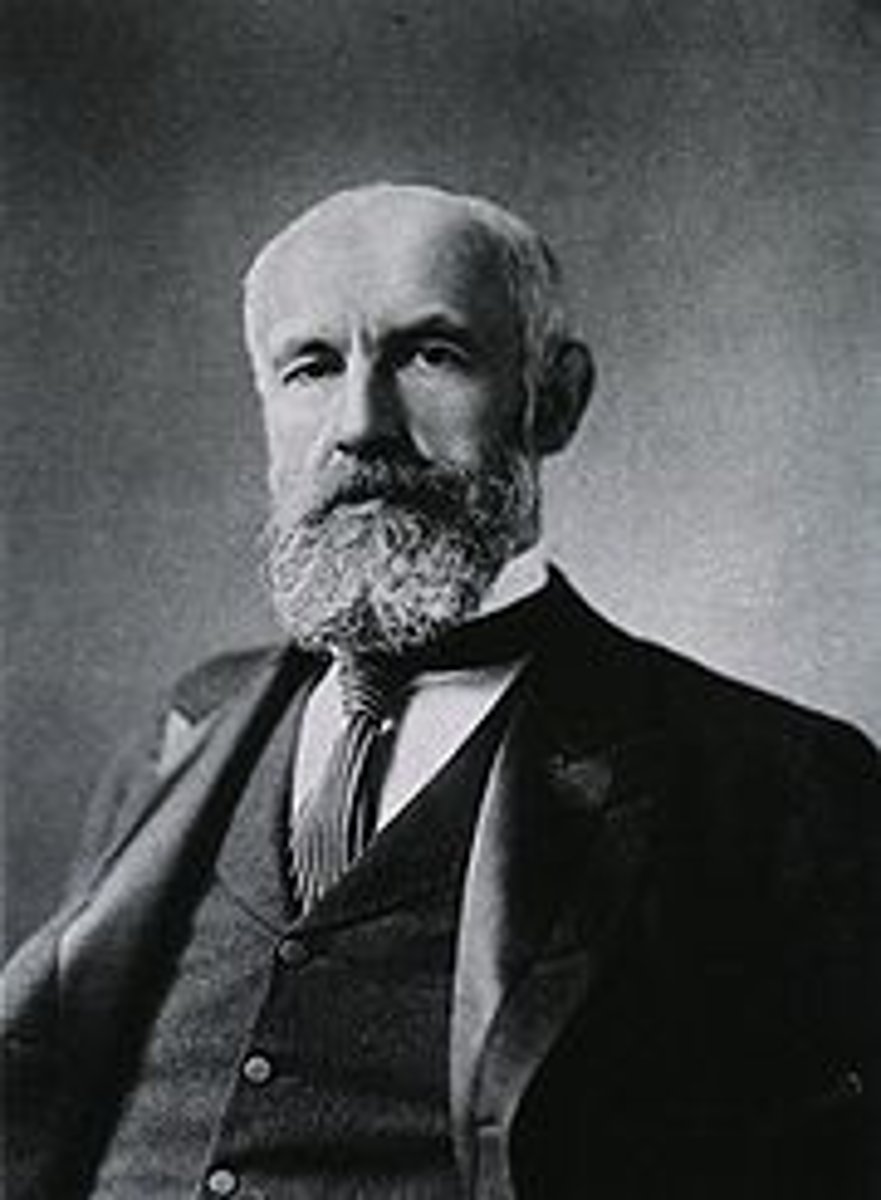
James McKeen Catell
first USA psychology professor
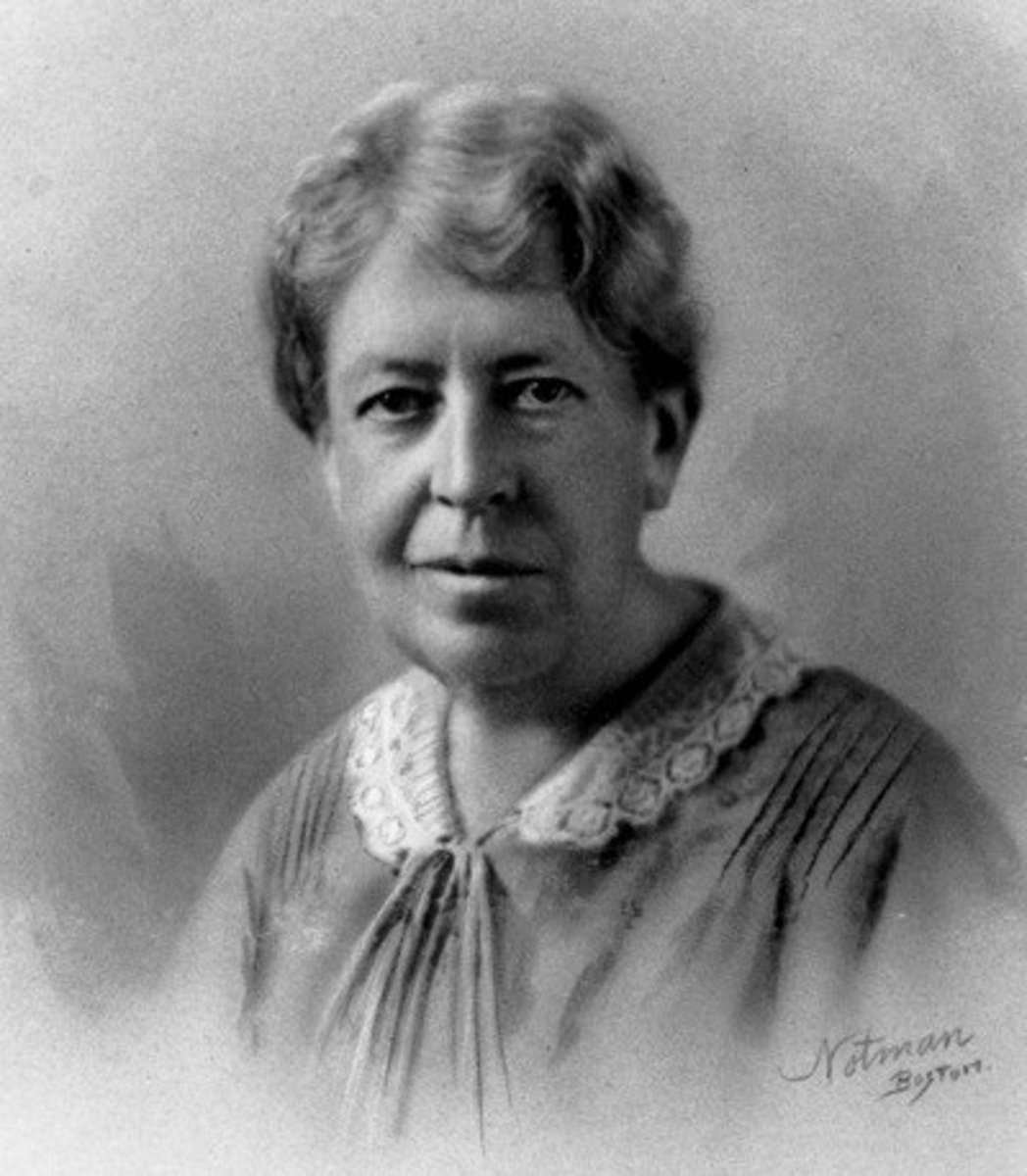
Mary Whiton Calkins
first female researcher to form a psychology lab
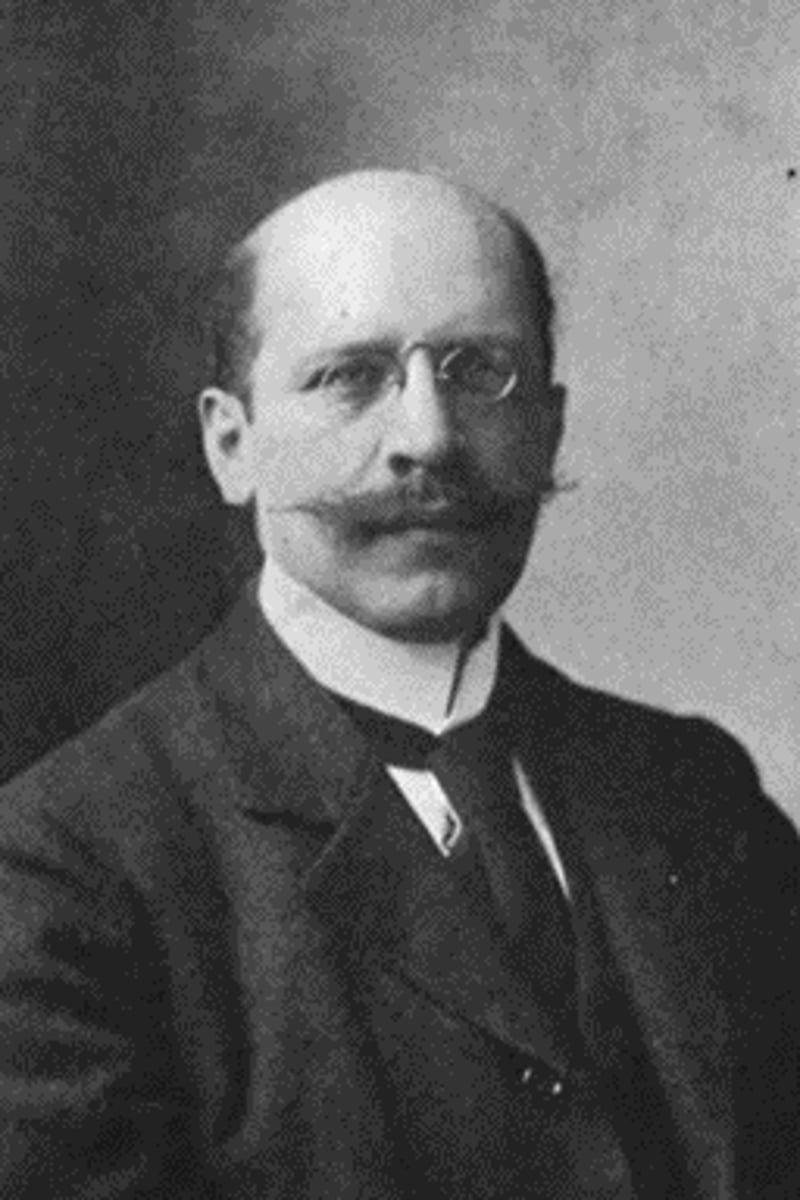
Hugo Münsterberg (1863-1916)
father of applied psychology
- criticized Wundt about pure psychology
- contributed forensic psychology, showed that witnesses have unreliable memory
applied psychology
the study of psychological issues that have direct practical significance and the application of psychological findings; opposite of pure psychology; engineering compared to physics
first clinical psychology clinics
- Lightner Witmer (1867-1956)
- believed that mental illness is caused by poor environment, treated by exposure to better environments
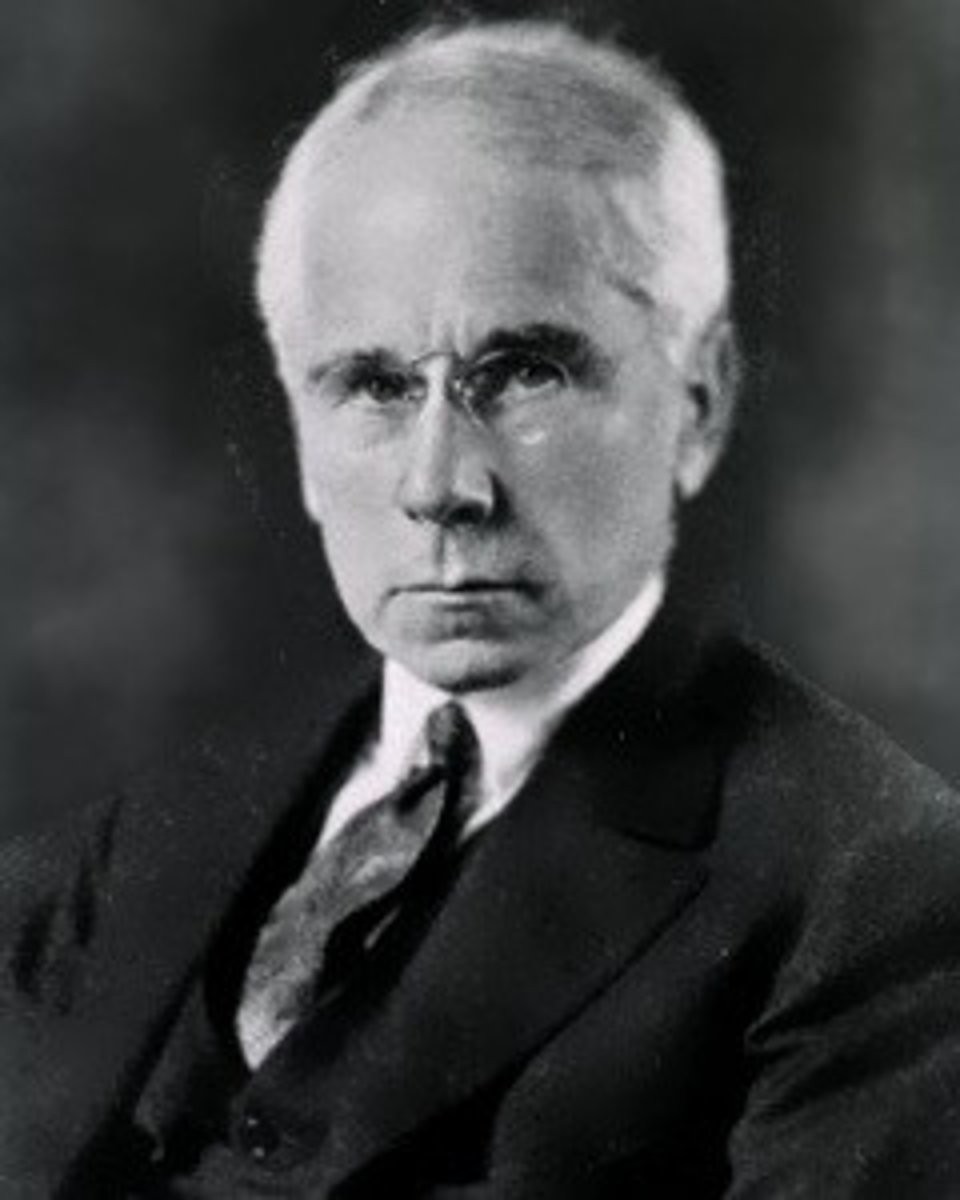
Lightner Witmer (1867-1956)
father of clinical psychology
- helped children with learning difficulties
- set up first speech clinic (1896)
- clinical with a focus on educational psychology
moral treatment
a 19th century alternative approach to treating mental illness; believed in hereditary cause; used by religious and non-medical people
Walter Dill Scott (1869-1955)
an applied psychologist pioneering industrial psychologist with advertising and personnel testing; gave recommendations but without testing
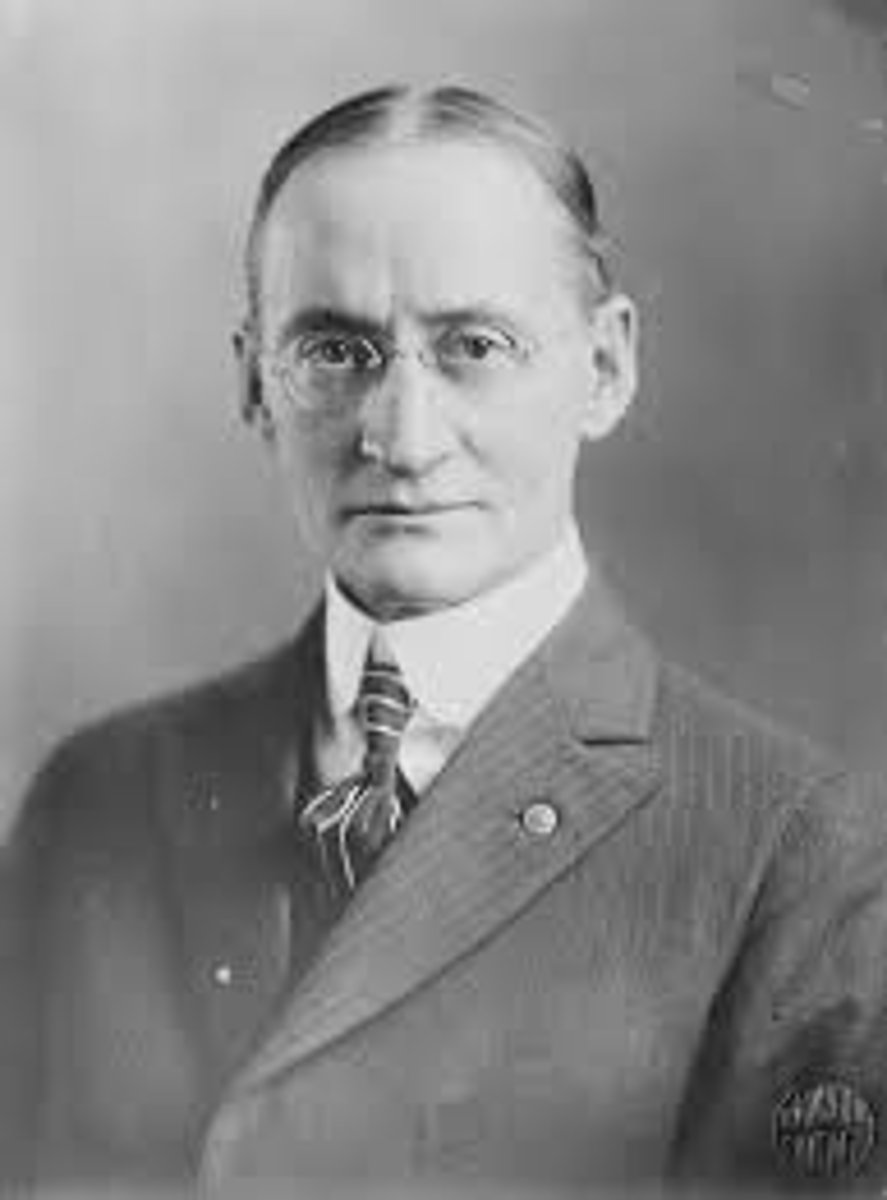
psychological testing
- Alfred Binet, Theodore Simon
- Charles Spearman
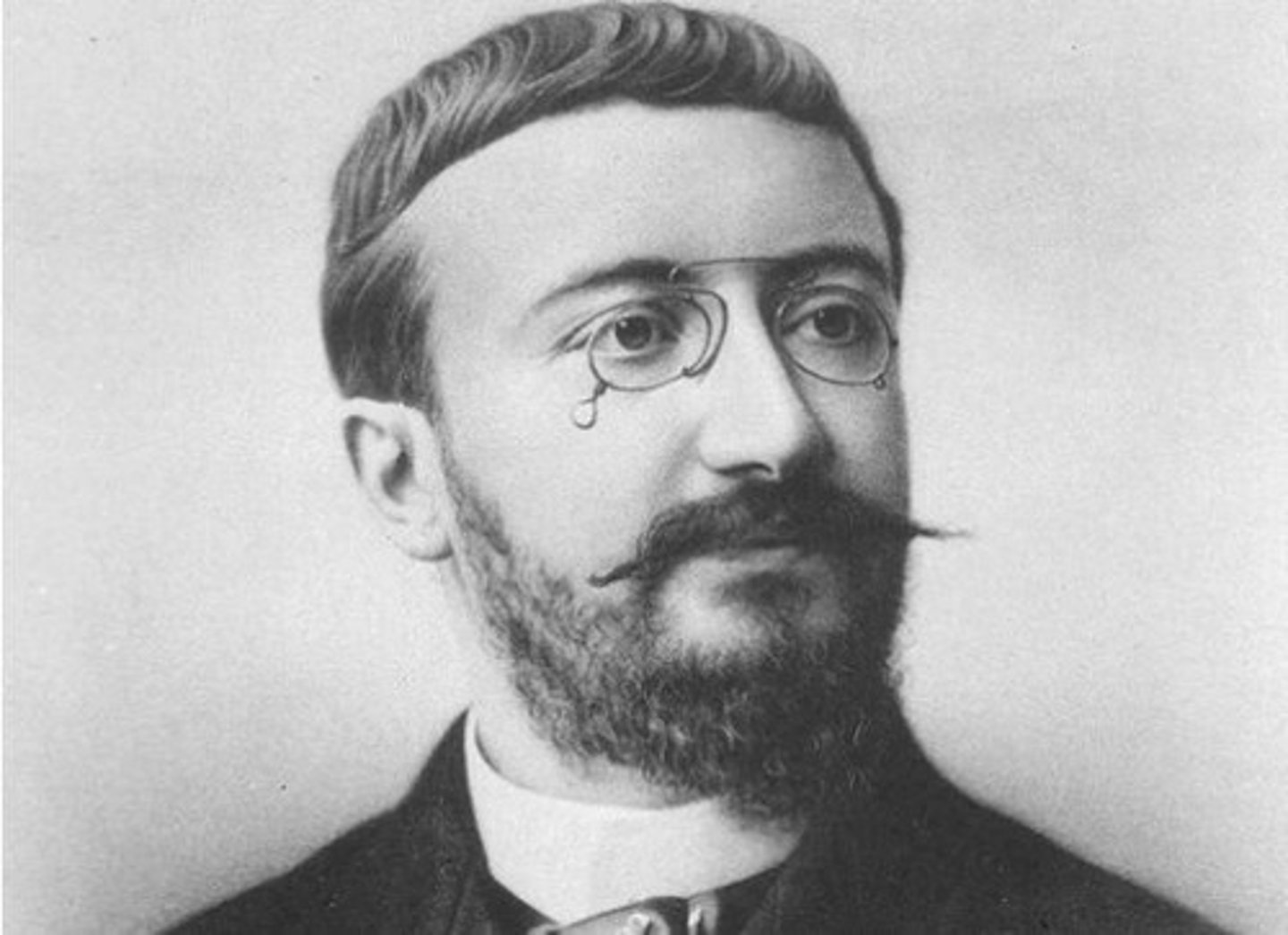
Alfred Binet (1857-1911)
made the first practical IQ test with Simon
- created concept of mental age
- used to measure people with intellectual disabilities
- find mental faculties of pupils to sort them
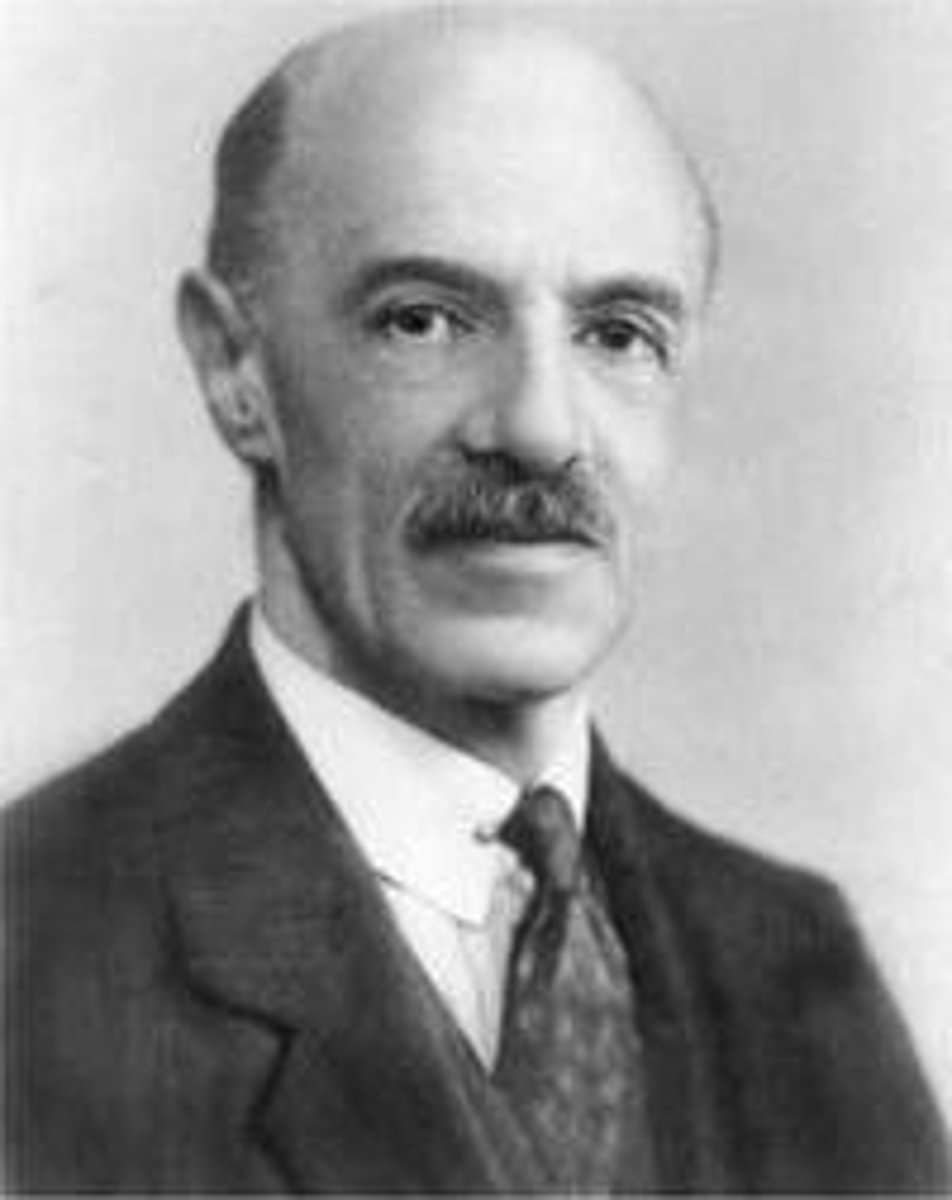
Charles Spearman (1863-1945)
advanced the theory of general intelligence (g factor)
- used it to allocate UK children to different schools
general intelligence (g factor)
the underlying construct that affects all mental faculties
How psychology was made into an applied science in the UK
- in early Europe, pure was associated with rich academic elites
- in the UK, polytechnics grew till they became universities
- universities competed for research money from the government, which depended on their research output, so the government added societal impact as a factor with REF, giving applied research a higher status
Research Excellence Framework (REF)
the UK government's system for evaluating the research quality of universities
- replaced the Research Assessment Exercise (RAE), incorporated societal impact in research output
- defines impact with reach (how many people affected) + significance (how much the people were affected)
- and must be research-based, not only observations
data-led vs. theory-led research
continuum of research for whether the theory is made before or after collecting data
- data-led research only makes impact from application
- theory-led research can impact in many ways, translational research can make it applicable
translational research
research that develops an application for pure research
women in early psychology
- APA was relatively accepting compared to universities
- Mary Calkins: first female APA president (1905)
- experimentalists excluded women because they believed pure psychology was masculine and non-emotional, along with intellectual snobbery
rejection of introspection
- studies found that introspection doesn't always help explore higher mental processes
- determining tendency (Ach)
- inconsistent results from different lab
Narziss Ach (1871-1946)
studied motivation (called 'the will'); found the idea of determining tendency
determining tendency
a tendency to achieve a goal without conscious attention; e.g. intending to go to a place but ending up somewhere else
- cannot be explained by introspection, which contributed to its rejection
Edward Thorndike (1874-1949)
one of the first psychologists to study animals, turned it towards educational psychology
- suggested the law of effect (people do more/less of things depending on enjoyment) and the law of exercise, they are common sense nowadays but they haven't been explored in animals before
beginning of behaviorism
- John Watson
- stimulus-response bond
- methodological behaviorism
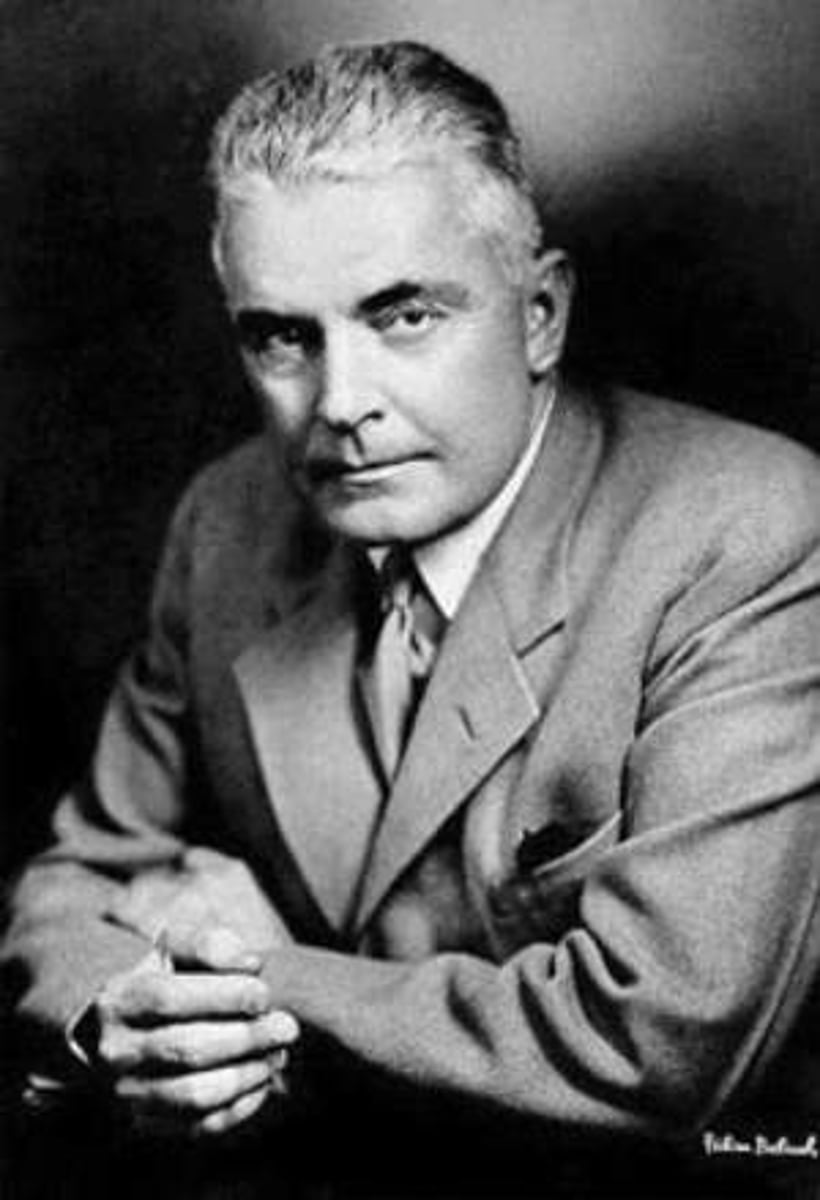
John Watson (1878-1958)
founder of behaviorism
- methodological behaviorism
- rejected introspection in favor of animal experiments
- focused on advertising and publishing books after being kicked from university for being a creep
behaviorism
the science of behavior that focuses on observable behavior only
- complete rejection of the mind, which greatly helped psychology reach 'science' status
- believes that there are no fundamental differences between humans and animals
stimulus-response bond
the connection between stimulus and response; causes habits
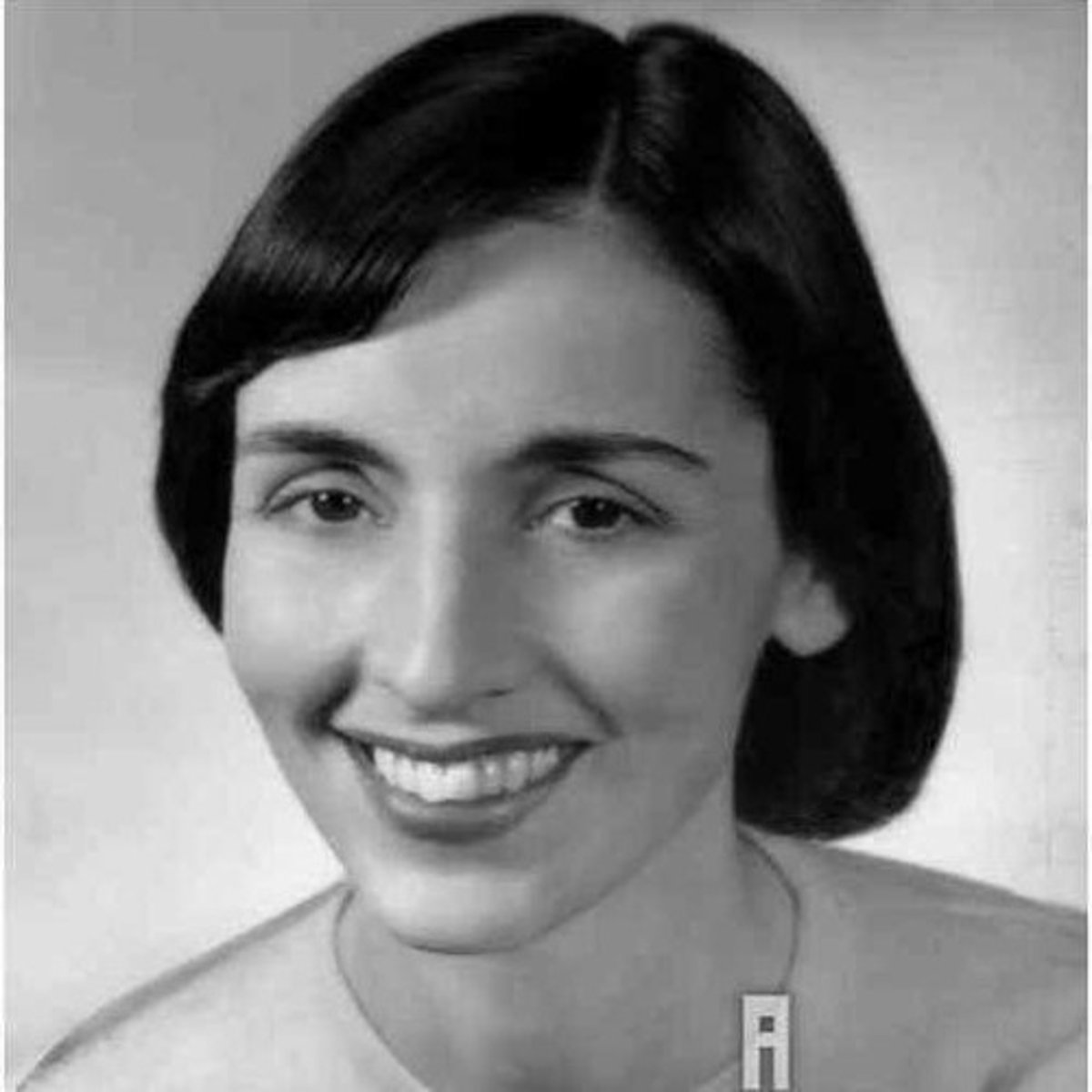
Rosalie Rayner (1900-1935)
Watson's student who became his wife
- did much research with him but not always credited
- disagreed with Watson on behaviorist child-rearing practices
methodological behaviorism
(Watson) a type of behaviorism that believes in studying behavior with methods developed in animal psychology
radical behaviorism
(Skinner)
- based on the disregard of theoretical terms and only focus on observation terms
- suggested that even complex higher mental functions like human language are nothing more than stimulus-outcome associations
stimulus-organism variable-response
the way an organism responds to a stimulus depends on what the stimulus means to it; modelled after the "observation terms -> theoretical terms -> observation terms" link
organism variable
considered the link between stimulus and response, the theoretical explanation that cannot be observed
- radical behaviorists consider it useless once stimulus and response are known
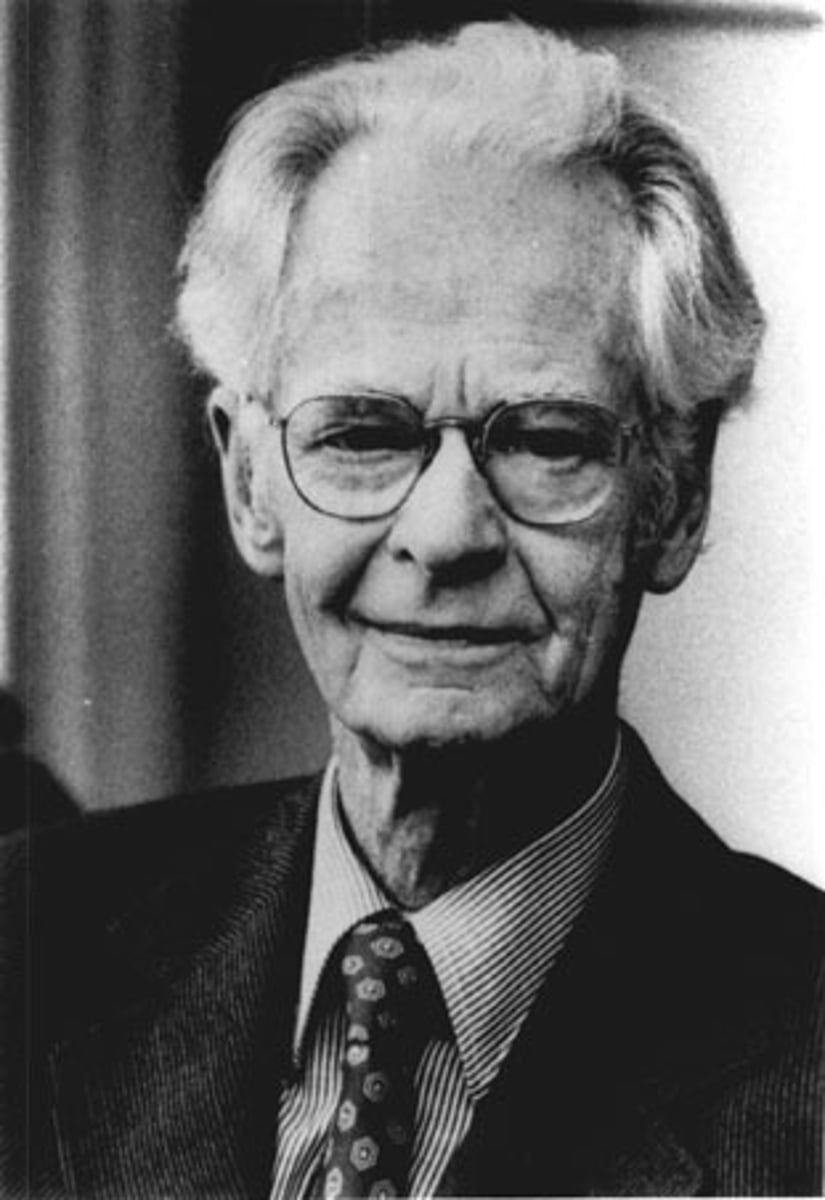
B.F. Skinner (1904-1990)
founder of operant conditioning
- using rat experiments
- promoted positive reinforcement as the key to human happiness
neobehaviorism
a brand of behaviorism that allows certain organism variables/theoretical terms, but only if they're operationally defined
- Clark Hull
- Edward Tolman
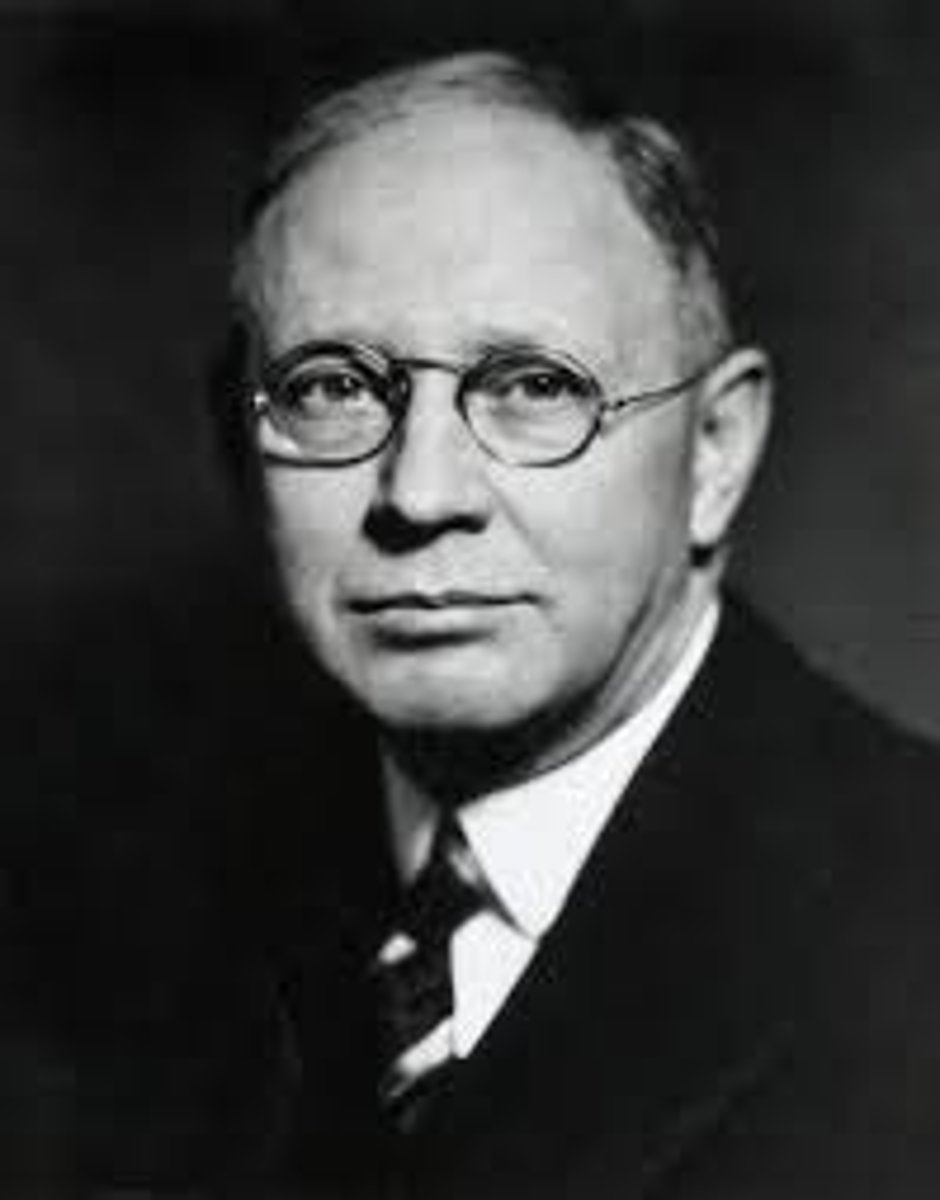
Clark Hull (1884-1952)
behaviorist; focus on mathematical description of learning
- founded quantitative theory of behavior
quantitative theory of animal behavior
(Hull) a neobehaviorist approach to psychology; involving a math formula with 3 organism variables
- explains that drive energizes behavior and habit directs it
- later, Hull discovered more influencey variables that made the theory too complex
- forgotten nowadays due to failure to simplify behavior
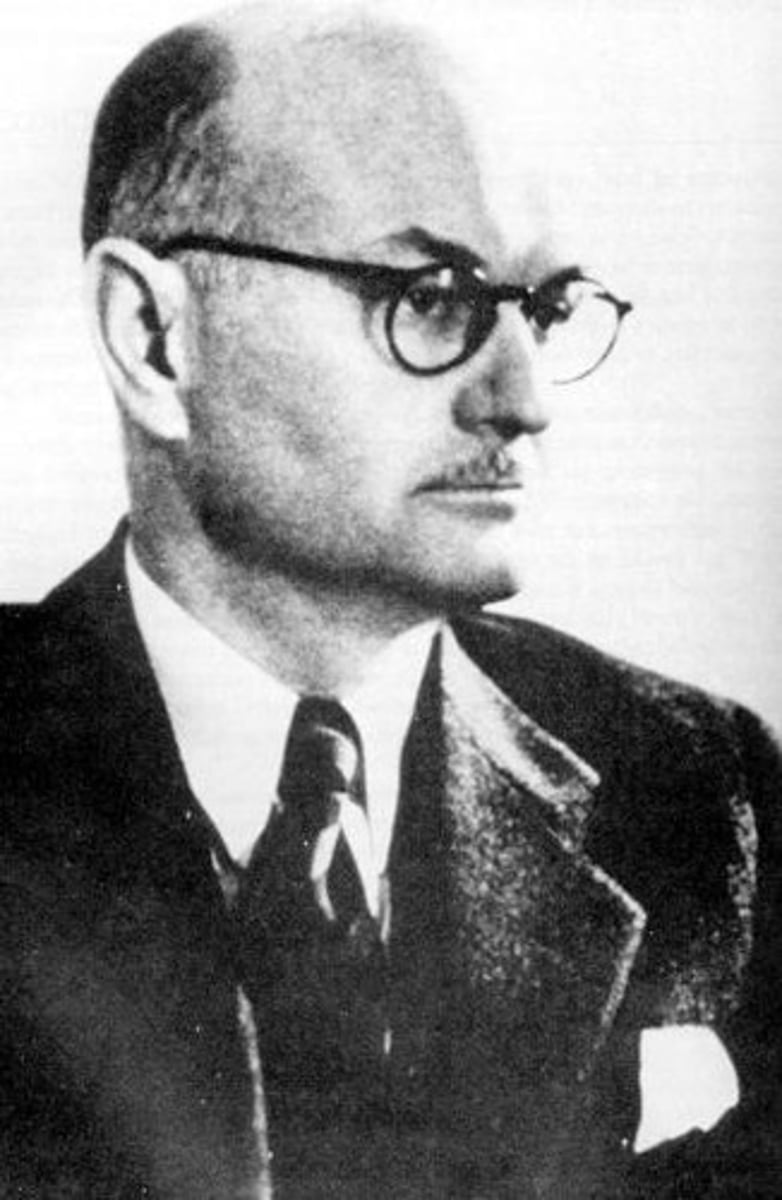
Edward Tolman (1886-1959)
behaviorist
- founded purposive behaviorism
purposive behaviorism
(Tolman) asserts that all behavior serves a purpose or is goal-directed, and should be analyzed in those terms
- cause of behavior is all-or-nothing, not gradual
- stimulus-stimulus bonds
- intervening variables
intervening variables
(Tolman) variables that may come between stimulus and response
Hull vs. Tolman
behavior comes from-
- Hull: gradual S-R bonds, from drive reduction and habits
- Tolman: S-S bonds that form cognitive maps from an action/goal
intervening variable vs. hypothetical construct
(MacCorquodale & Meehl) a concept-
- intervening: is defined by its operation/measurement
- hypothetical: exists independently from its operations, operations only describe it
how behaviorism shifted to cognitive paradigm
- Noam Chomsky started the change to cognitive psychology by criticizing Skinner's language theory, suggesting a genetic "language acquisition device"
- people got bored of behaviorism due to lack of things to theorize
- computer development led to more interest in information processing
cognitive paradigms's differences to behaviorism
- refers to hypothetical constructs as personal variables
- 'S->O->R' to 'situation/environment -> person -> behavior'
- 'need' instead of 'drive' as a person variable
- some behaviorist ideas were adopted into cognitive theories
- later expanded to cover any explanations that used personal variables that is linked to thought
cognitive psychology
the scientific study of information processing mechanisms
- inspired by computers
- person variables
- focuses on both conscious thoughts and implicit influences
person variables
variables contained within the person that determine how he or she responds to a situation; concept in cognitive psychology
- does not need to be operationally defined
- asserts that constructs exist on their own
- e.g. personality construct
psychological models
the term used to describe theories in cognitive psychology; describes how a theory resembles something else's form
mechanism and determinism
(Leucippus & Democritus) that everything is from atoms coming together
- materialist
- any change is caused by quantitative differences of atoms
- no soul, spirit, etc..
elementalism
seeks to understand phenomena by breaking them down into component parts (e.g. a body's subsystems)
- all components are biological and at the same level (non-reductive)
- pluralist
- supported by atomists
reductionism
believes that any psychological processes can be reduced to lower-level, small, biological components
- ignores sociocultural contexts, individual experiences, etc.
Parmenides on epistemology
believes it is impossible to gain true knowledge because of the constant change of everything
- "Being" and "Becoming"
"Being"
(Parmenides) what is eternal and constant, where true knowledge lies
"Becoming"
(Parmenides) the essential nature of material objects, always changing appearance and illusions
Heraclitus
Pre-Socratic philosopher who taught that change is the essence of the universe
- "Becoming" in contrast to "Being"