COMM1000 M1: Process of Communication
 Call Kai
 Learn
 Practice Test
 Spaced Repetition
 Match
 Flashcards
 Knowt Play
1/18

There's no tags or description
Looks like no tags are added yet.
19 Terms
4 purposes of communication
Keeps us alive
Meets needs (relational, identity, spiritual, instrumental)
Skill
Employers value it

Human communication
Process by which we use signs, symbols, and behaviors → exchange information & create meaning
Source of human communication
Originator of thought or idea

Messages
Elements of communication → give people meaning
Verbal/nonverbal
Intentional/unintentional

Channels
Pathways through which messages = conveyed

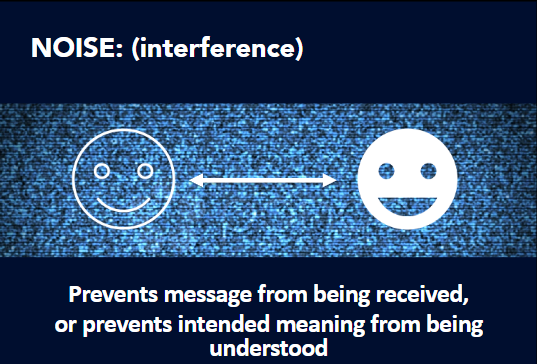
Noise (interference)
Prevents message from being received or intended message from being understood
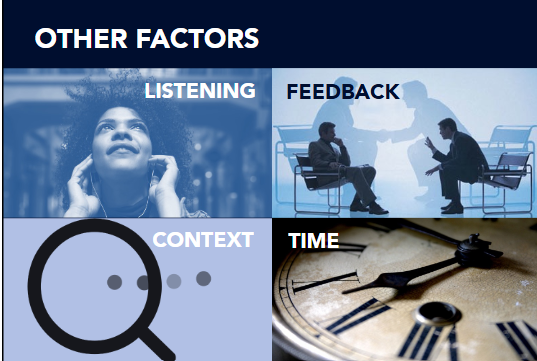
4 other factors of human communication
Listening
Feedback
Context
Time
Action Model of Communication
One-way process:
Sender → encodes idea → channel
Receiver → receives → decodes idea

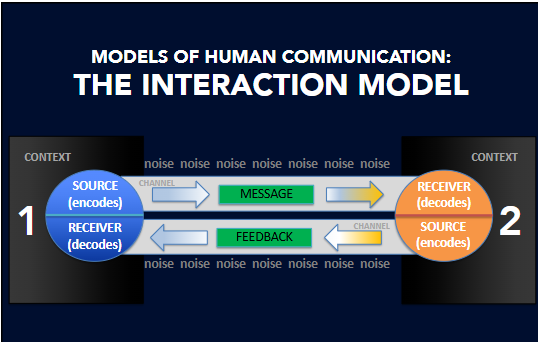
Interaction Model of Communication
Two-way process:
Participants take turns acting as sender and receiver
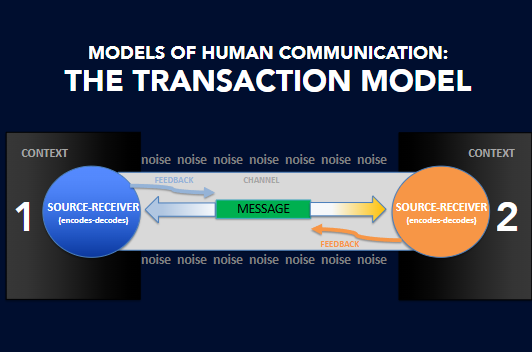
Transactional Model of Communication
Interactions = simultaneous, ongoing process
Participants = communicators
Send & receive messages @ same time
Intrapersonal communication
Communication within a person

Interpersonal communication
Communication w/ another (dyadic)

Small group communication
3+ members of a group influencing e/o

Interviewing
Question-Answer Pattern

Organizational communication
Structured process & system within institution/company exchanges information, ideas, and meaning to coordinate work & achieve common goals

Public communication
Sharing messages, information, or ideas from single sender to large group or specific public audience through different channels
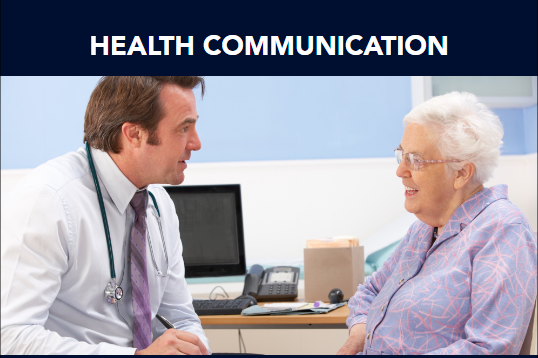
Health communication
Study & use of communication strategies to inform individual and community decisions to enhance health
Mass communication & media
Process of creating, encoding, and transmitting messages from source to large, anonymous audience through physical or electronic channels

5 things to communicate effectively
Use different skills + styles across contexts
Be self-aware
Be adaptable & empathic
Accept communication = complicated
Act ethically