Igneous Rocks
 Call Kai
 Learn
 Practice Test
 Spaced Repetition
 Match
 Flashcards
 Knowt Play
1/63

There's no tags or description
Looks like no tags are added yet.
64 Terms
Granite
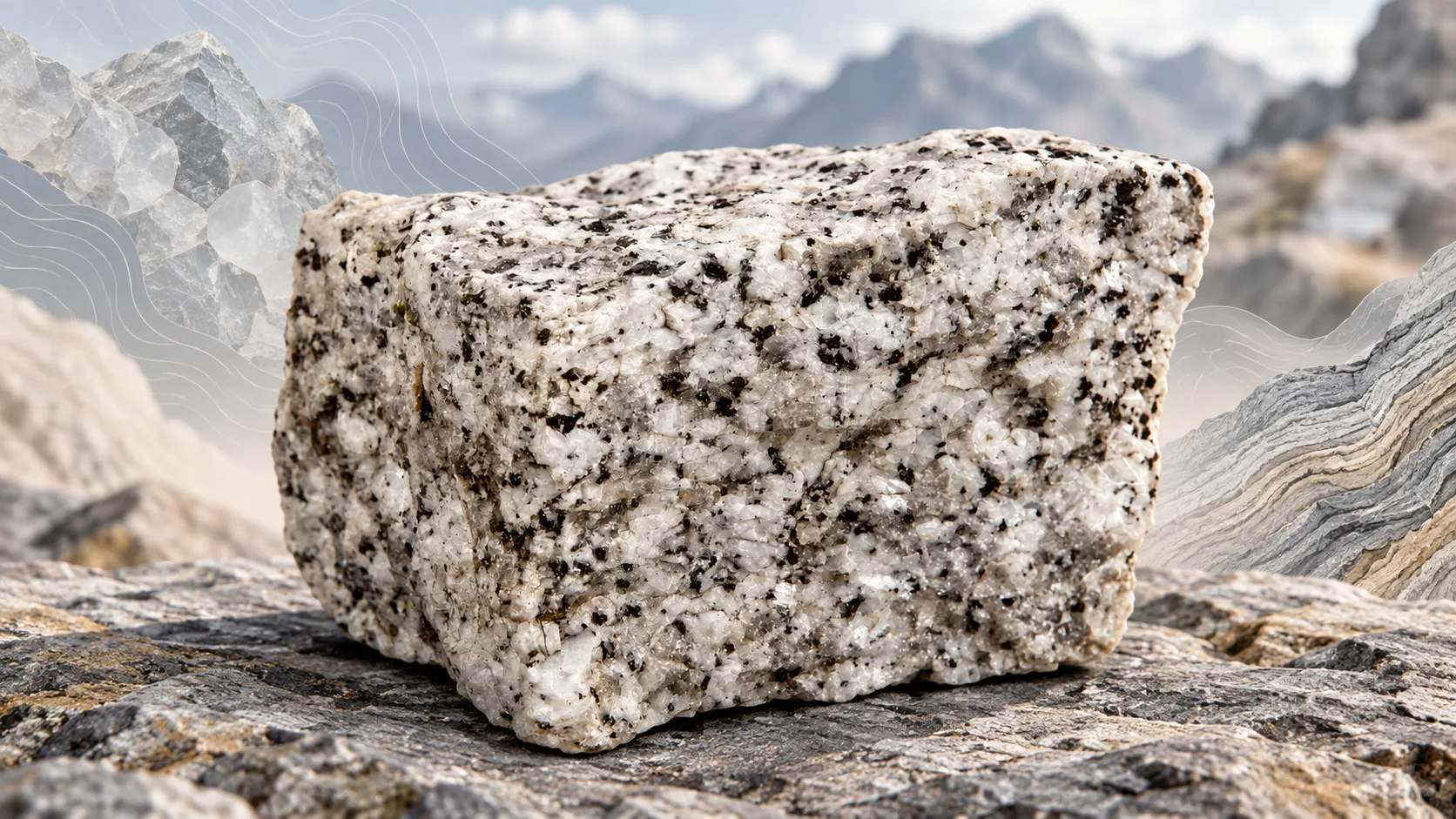
Is Granite plutonic or volcanic?
Plutonic
Approximate Mineral Content of granite
More than 20% quartz
Dominantly K-feldspar or subequal K-feldspars and plagioclase feldspars
Biotite and/or amphibole
May contain muscovite
Rhyolite

Is rhyolite plutonic or volcanic?
Volcanic
Approximate mineral content in rhyolite
More than 20% quartz
Dominantly K-feldspar or subequal K-feldspars and plagioclase feldspars
Biotite and/or amphibole
May contain muscovite
Dacite

Is dacite volcanic or plutonic?
Volcanic
Approximate mineral content in dacite
More than 20% quartz
Dominantly plagioclase feldspar
Biotite and/or amphibole
Granodiorite

Is granodiorite plutonic or volcanic?
Plutonic
Approximate mineral content of granodiorite
More than 20% quartz
Dominantly plagioclase feldspar
Biotite and/or amphibole
Andesite

Is Andesite volcanic or plutonic?
Volcanic
Approximate mineral content of Andesite
0-10% quartz
Plagioclase is the only feldspar
Dominantly amphibole
Diorite

Is diorite volcanic or plutonic?
Plutonic
Approximate mineral content of diorite
0-10% quartz
Plagioclase is the only feldspar
Dominantly amphibole
Basalt

Is Basalt volcanic or plutonic?
Volcanic
Approximate mineral content of basalt
No quartz
Plagioclase is the only feldspar
Dominantly pyroxene
Dolerite
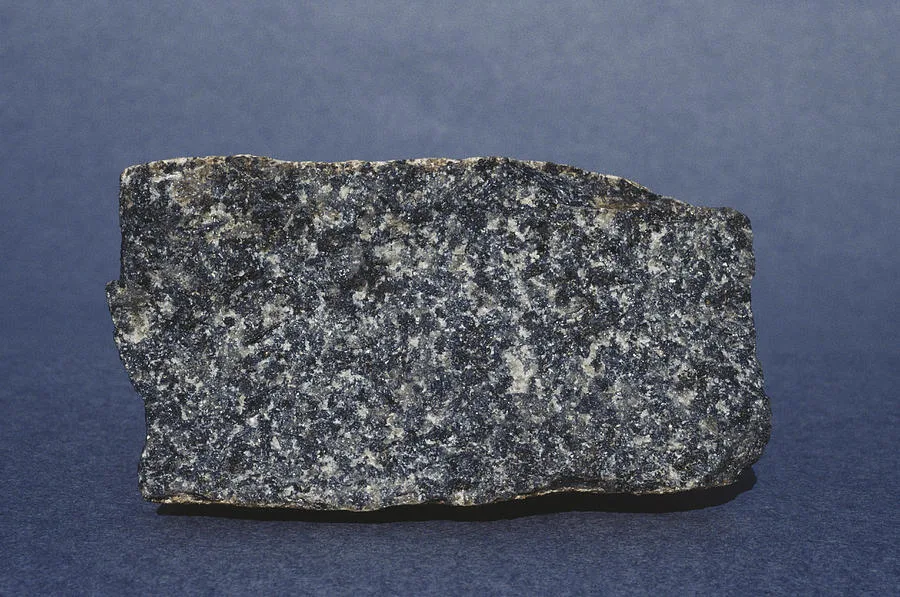
Grain size of dolerite
Medium grained
Gabbro

Is gabbro volcanic or plutonic?
Plutonic
Approximate mineral content of gabbro
No quartz
Plagioclase is the only feldspar
Dominantly pyroxene
Periodite
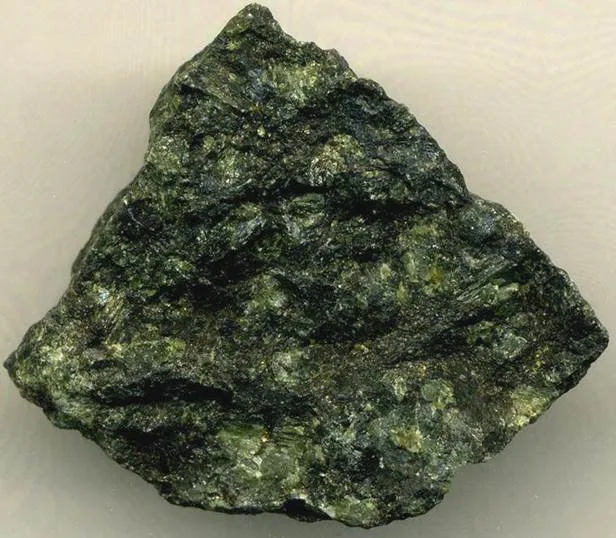
Is periodite volcanic or plutonic?
Plutonic
Approximate mineral content of periodite
More than 90% olivine and pyroxene
May have some plagioclase
No quartz
Felsic rocks
Granite, rhyolite
Intermediate rocks
Diorite, andesite
Mafic rocks
Basalt, gabbro
Ultramafic rocks
Peridotite, Komatilite
Earth’s structure
Solid inner core (iron and nickel), outer core ( liquid), lower and upper mantle, crust
Mineral trends with ultramafic and felsic rocks
Silica (SiO2) increases from roughly 40% in ultramafic rocks to 75% in felsic rocks
Iron, magnesium and calcium increase toward the mafic/ultramafic end
Melting temperature trend with ultramafic and felsic rocks
Melting temperature is much higher for ultramafic rocks compared to felsic rocks
Basaltic eruptions characteristics
Low silica so therefore low viscosity (runny)
As gas escapes easily from runny magma, basaltic eruptions are generally less explosive.
Typically produce lava flows, fire fountains and broad shallow-sloped volcanoes
The tectonic settings for basaltic volcanoes
Hotspot volcanism, Divergent plate boundaries
Hotspot volcanism occurs when
Superheated rock from deep inside the Earth’s mantle rises upward in a narrow column called a mantle plume
This hot plume melts the bottoms of the tectonic plate above it, created pools of melted rock or magma
This magma pushes up through cracks in the crust and erupts onto the surface as lava building a volcano
The hotspot stays in one place but the Earth’s tectonic plate drifts
As the plate moves, the old volcano is carried away from the hot plume, loses its magma supply and dies
A new volcano forms over the hotspot, creating a long line of volcanoes or islands
How do divergent plate boundaries form?
Occurs where two tectonic plates are pulling away from each other (due to convections currents)
As the plates separate, the crust between them stretches, becomes thin and cracks
With the heavy crust pulling apart, the pressure on the hot mantle below drops. This pressure drop causes the mantle rock to melt into magma
The magma rises through the news crack and cools in the cold air or water and hardens into new basalt filling the gap
Main two types of divergent plate boundaries
Mid ocean ridge (underwater), rift valley (terrestial)
Intraplate volcanism occurs
When stresses within a single tectonic plate cause the crust to stretch or deep mantle processes create localized heat
Magma takes takes advantage of these weak zones to push to the surface
What is a Monogenic volcano?
A volcano that erupts during one single multi-week, multi-month or multi-year episode and then never erupts again
How do hydrothermal ore deposits form?
Hot metal-rich hydrothermal fluids migrate through rock fractures at oceanic rifts and precipitate metal ores in concentrated veins or disseminated deposits
The subduction zone i.e formation of intermediate rocks
Plates collide and one heavy ocean plate slides under another plates and slides deep into the earth
The diving ocean plate carries seawater-soaked rocks and mud with it
As it goes deeper and hotter it gets squeezed like a wet sponge, driving water upward into the mantle rock above it
Adding water to hot mantle rock lowers its melting point
The water gets baked directly into the minerals forming hydrous minerals like amphibole
Arc volcanoes
A curved chain or belt of volcanoes that forms above a subduction zone where one tectonic plates beneath another
Two types - island arcs and continental arcs
Island arc volcanoes
Formed in the ocean when one oceanic plate slides under another oceanic plate, creating a chain of volcanic islands
Continental volcano arcs
Formed on land when an oceanic plate slides under a continent creating a chain of volcanoes along the edge of the land
What is a magma chamber?
A pool beneath the earth’s surface where molten rock collects and stays stored
Underground evolution of magma in volcano arc magma chambers
Compared to short lived basaltic conduits, arc volcanoes developed long lived magma reservoirs in the crust leading to mineralogically and chemically evolved systems
As magma slowly cools, early-formed high temperature minerals settle to the floor of the chamber, depleting the magma in iron/magnesium and enriching the remaining liquid in silica, sodium and potassium
Magma melts and incorporates surrounding continental wall rock, further driving the chemistry of the rock toward compositions higher in silica
Eruption dynamics of subduction volcanoes
High silica creates long polymer chains that make intermediate magmas thick and sticky. Trapped water gas bubbles expand as magma rises, building immense pressure
When the gas pressure exceeds rock strength, the magma blasts apart violently into hot gas and ash columns rather than extruding smoothly
Three main hazards when subduction volcanoes blow
Pyroclastic flows, lahars, ash fall and plumes
Pyroclastic flows
Superhot, high-speed avalanches of gas, ash and jagged rock fragments racing down the mountains
What is formed when pyroclastic flows cool down?
Ignimbrites
What are ignimbrites?
Fine matrix rocks containing trapped angular lithic rock fragments, flattened pumice and quartz crystal
What are lahars?
Giant, fast-moving volcanic mudflows created when hot ash mixes with melted mountain snow, ice or heavy rain
Ash fall and plumes
Huge ash clouds blasted tens of kilometers into the sky
Goldmine connection below subduction volcanoes
Underneath explosive volcanoes, giant underground magma pools cool down slowly over millions of years. As the rock solidifies, super-hot, metal-rich water gets squeezed out into the surrounding cracks. When these fluids cool, they deposit huge amounts of valuable metals like copper and gold
Glassy and frothy felsic products
When felsic magma erupts it can cool so rapidly that no crystals form, producing obsidian (volcanic glass) or trap expanding gas bubbles to create pumic
Underground magma bodies that cool without reaching the surface leave behind distinct geological formations including
Dikes, sills, plutons, batholiths

Economic mineral deposits in felsic systems
As a felsic magma chamber cools and solidifies, rare or incompatible elements that do not fit into common minerals get concentrated in the late-stage residual fluid
What are pegmatites?
Very coarse-grained felsic dikes formed from fluid-saturated, late-stage silicic magmas. They grow unusually large mineral crystals (such as giant quartz, mica and feldspar crystals)

Types of volcanoes/landforms formed around felsic rocks
Supervolcanoes, calderas
How do calderas form
Silica-rich magma bulges beneath the crust, cracking the roof rocks and creating circular ring fractures
Massive volumes of gas and ash shoot out as pyroclastic flows, rapidly emptying the reservoir
Derived of subterranean support, the overlying crust collapses downward into the emptied magma chamber, forming a giant crater called a caldera
Over time, slow magma refill from below pushes the caldera floor back upward, created an elevated resurgent dome