Calc 2
 Call Kai
 Learn
Learn Practice Test
 Spaced Repetition
 Match
Match Flashcards
 Knowt Play
1/37

There's no tags or description
Looks like no tags are added yet.
Name | Mastery | Learn | Test | Matching | Spaced | Call with Kai | Chat |
|---|
No analytics yet
Send a link to your students to track their progress
38 Terms
Product Rule

Quotient Rule

Riemann Sum Limit Formula
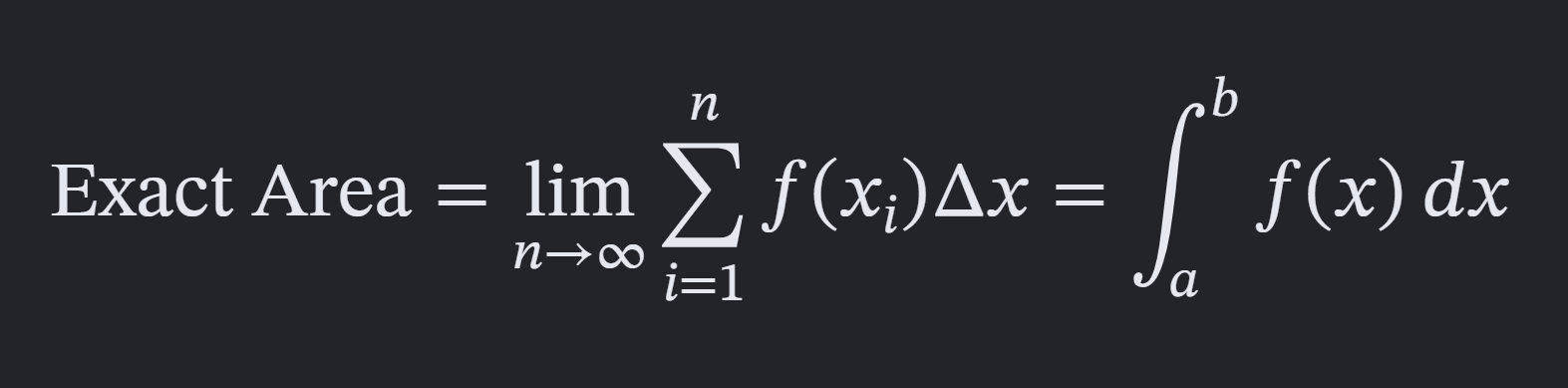
Fundamental Theorem Calc #1
Note If x is a function, the chain rule applies
also idk why it says 2nd

Fundamental Theorem Calc #2

integration by parts

How to choose “u” in int x parts

Fundamental Pythagorean Identity

Sine Power Reduction Formula
(sin²(θ)=?)

Cosine Power Reduction Formula
(cos²(θ)=?)

When integrating a function with sin or cos, and there is an odd power, which trig identity should we use?

When integrating a function with sin or cos, and there is only even powers, which trig identity should we use?

Sec/Tan Pythagorean Identity

Derivative of secx

Derivative of tanx

What must you always remember at the end of an indefinite integral problem?
+ C

Partial Fractions Distinct Roots


Partial Fractions Repeated Roots
Note If (x-b) was not included, the A and B parts of the formula would be the same


Partial Fractions Complex Roots
Note x² + bx + c cannot be factorized any further

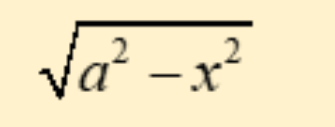
What should we trig. sub. here?
OR COS


What should we trig. sub. here?


What should we trig. sub. here?


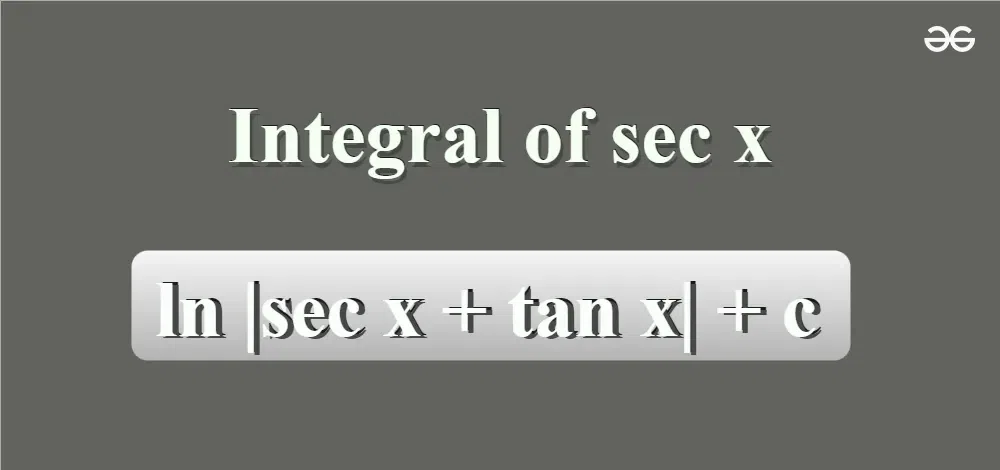


Note: It can be either form, they are equal


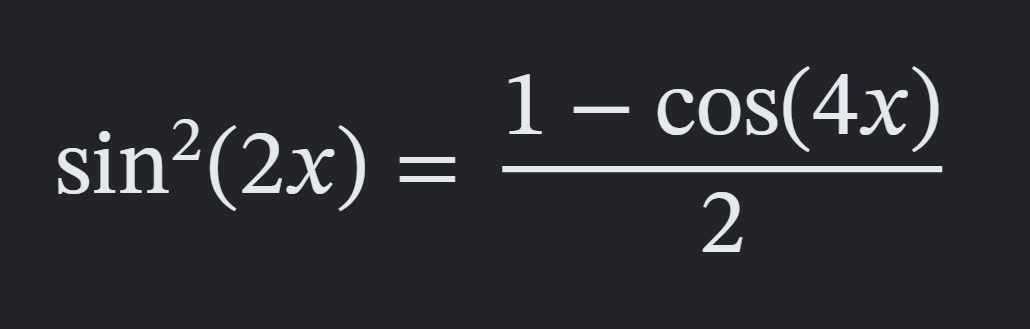
cos2theta
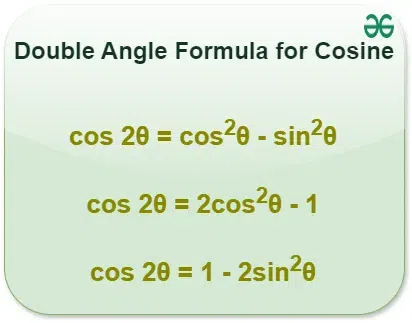
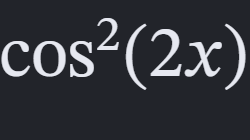
since it’s cos(2x), substitute the 2x into the double angle formula to get this

What is doubling time?
td or t2 —> time taken to double population
What is half life?
t1/2 —> time taken to half the population
Doubling Time Equation for k

Half Life Equation for k

Continuous Exponential Growth Formula
(usually y)

what does k represent for exponential growth?
growth/decay rate
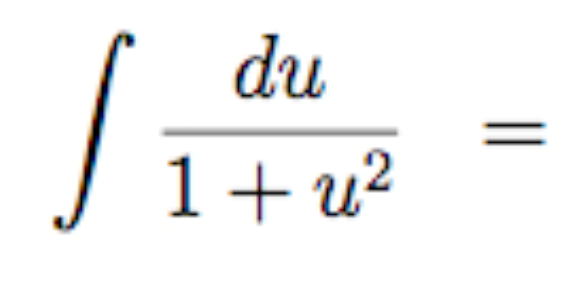

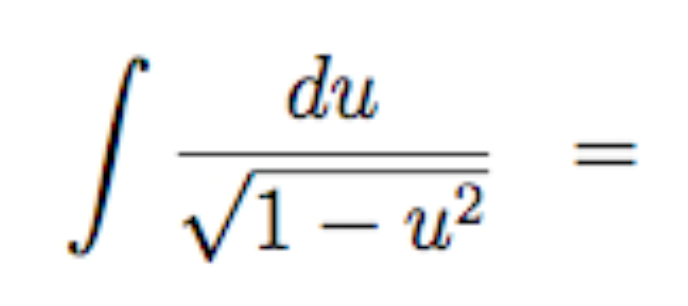

ln 1
0
ln e
1