Art History Midterm
 Call Kai
 Learn
 Practice Test
 Spaced Repetition
 Match
 Flashcards
 Knowt Play
1/26

There's no tags or description
Looks like no tags are added yet.
27 Terms

Sanchi Stupa 1, Madhya Pradesh, India Shunga Period, 1st century B.C.E. to 1st century C.E.
Stylistic: Aniconic representation of the Buddha using symbolic stand ins (Bodhi Tree, empty throne, footprints, dharmachakra wheel); dense, low relief continuous narrative crowded with figures on the carved torana

Bodhisattva / Buddha Sakyamuni, Mathura region, Uttar Pradesh, India, Kushan period, 2nd century
Stylistic Clues: Local mottled red sandstone medium; indigenous yaksha-derived fleshy physique with transparent clinging drapery worn over only the left shoulder.

Standing Buddha Offering Protection, Pakistan, Gandhara, Kushan period, 1st to 2nd century
Stylistic Clues: Gray schist stone; Hellenistic/Greco-Roman naturalism evident in the heavy, deeply folded toga-like drapery covering both shoulders and the Apollo-like facial rendering with wavy hair.

Bodhisattva, Pakistan, Gandhara, Kushan period, 3rd o 4th century
Stylistic Clues: Elaborate aristocratic secular adornment (turban, armbands, heavy beaded necklaces) reflecting royal princely status; muscular, classical Greco-Buddhist torso modeling
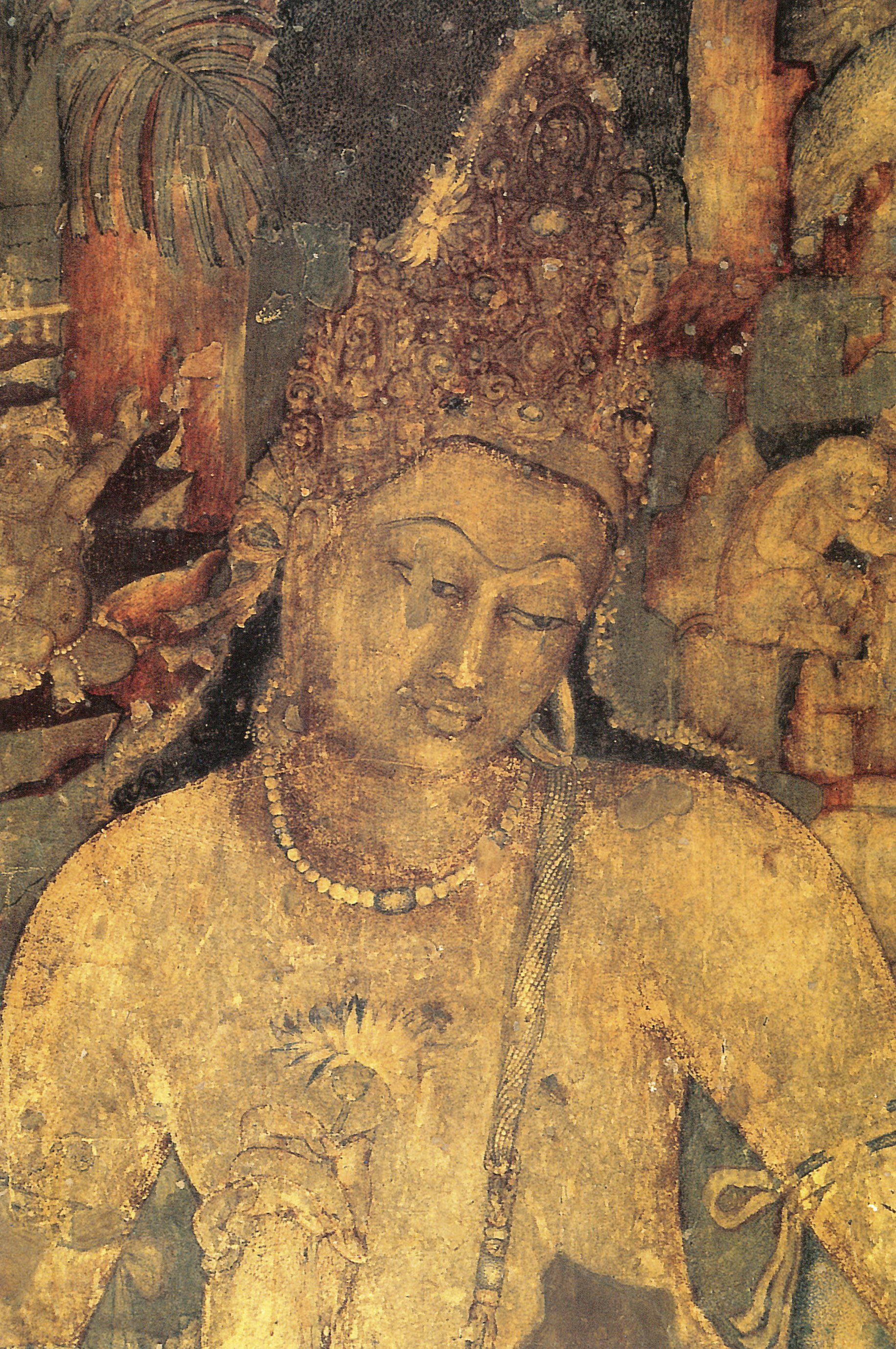
Padmapani, Ajanta Cave 1, Maharashta Province, India,
5th-6th c.

Buddha, Sarnath, Uttar Pradesh, India, Gupta period, ca. 465-485.

Ajanta Cave 26, Maharashta Province, India, 5th-6th c.

Dunhuang Cave 254, Dunhuang, Gansu Province, China, Northern Wei period, 5th Century.

Dunhuang Cave 275, Dunhuang, Gansu Province, China, Northern Wei period, 5th Century.

Colossal Buddha, Cave 20, Yungang, Shanxi Province, China, Northern Wei period, c. 460-480

Staatliche Museen zu Berlin, Museum für Asiatische Kunst

Seated Buddha and the Attendants, Central Binyang Cave, Longmen Grottoes, Henan Province, China, Northern Wei period, ca. 523

Offering Procession of the Empress and Her Court, Central Bingyang Cave, Longmen, Henan Province, China, Northern Wei period, ca. 523.
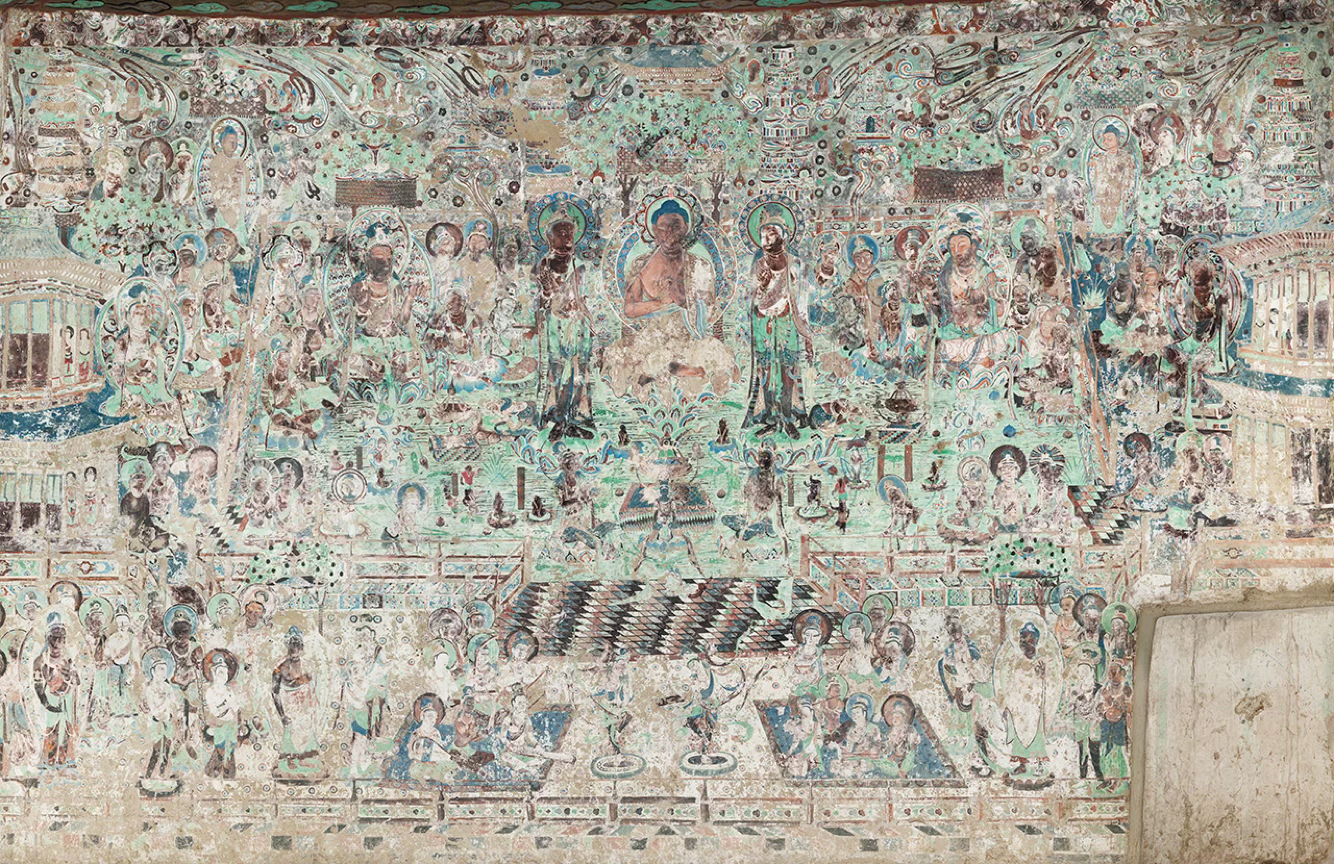
Amitabha’s Western Pure Land, Dunhuang cave 220,
Gansu Province, China, Early Tang dynasty, 642 C.E.
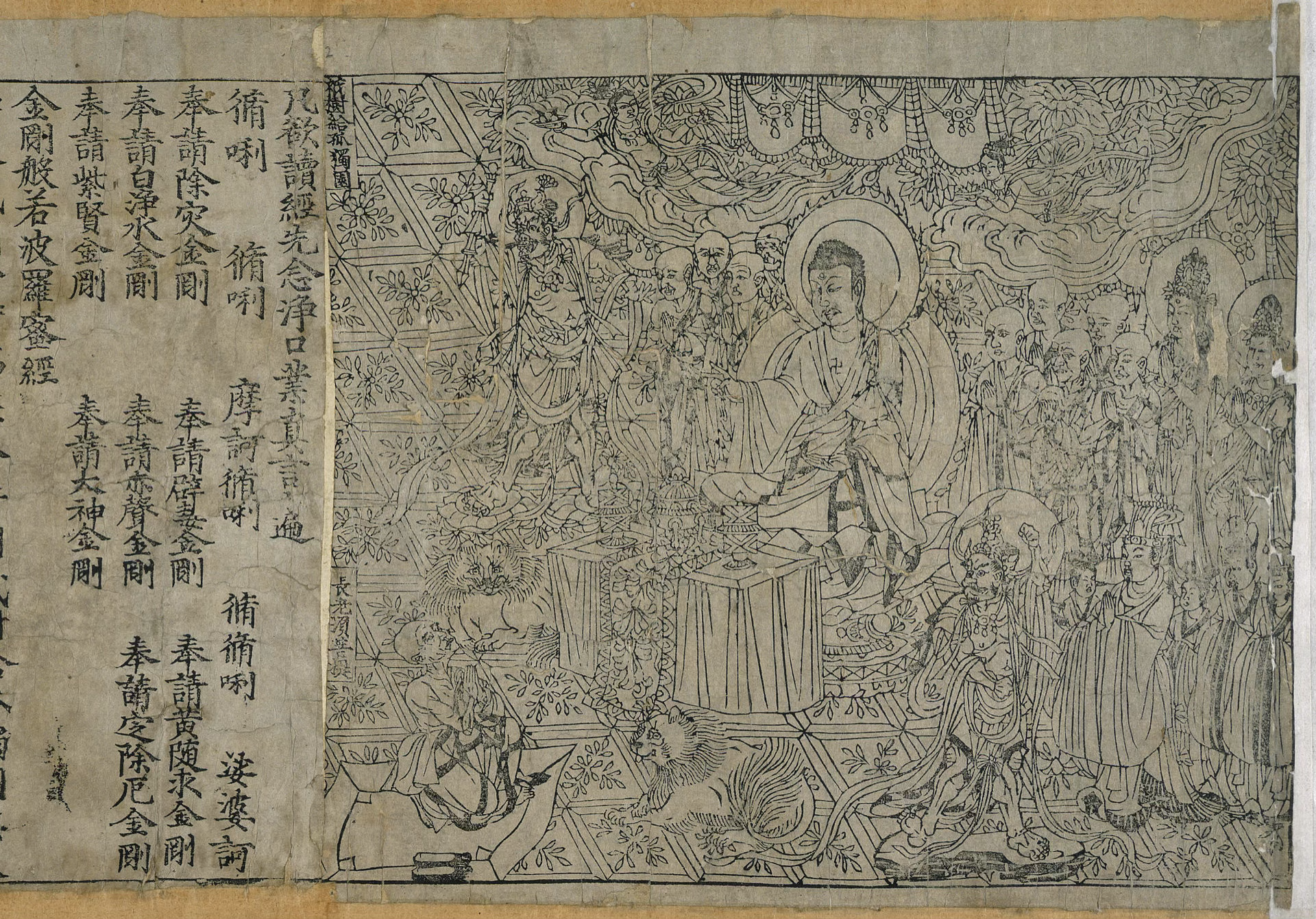
Frontispiece, The Diamond Sutra, Tang Dynasty, 868.

Buddha Vairocana with monk, bodhisattva, heavenly king, and thunderbolt holder, Fengxian Temple, Longmen Grottoes, Henan Province, China, 673-675

Standing Buddha, Goguryeo, Korea, Three Kingdoms period, 539.

Pensive bodhisattva, early 7th century,
Three Kingdoms

Seokguram Grotto, Unified Silla, c. 740-765 or 780
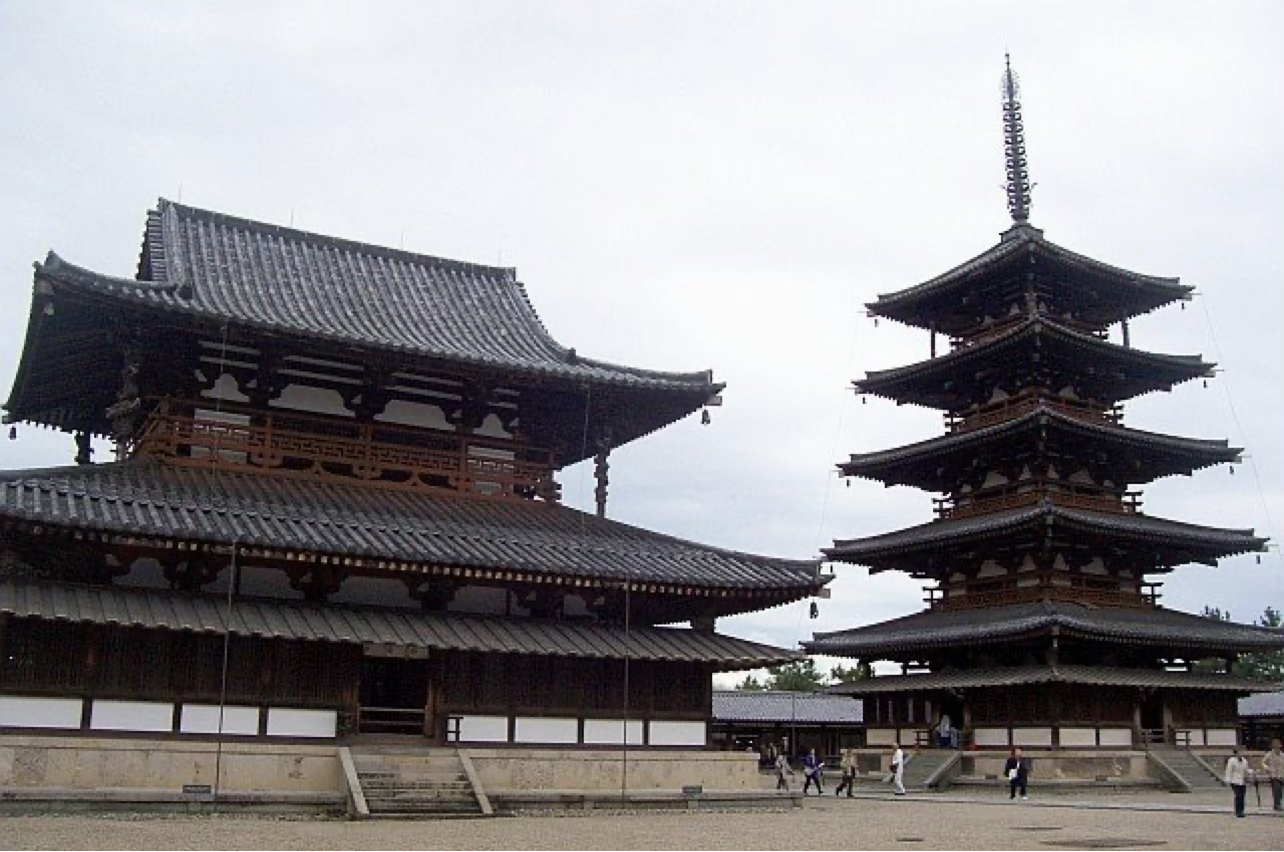
Hōryūji, Nara, Japan, 607, 670.

Vairocana Buddha, Tōshōdaiji Temple, Japan, c.759 C.E.

Diamond World Mandala, 2nd half of 9th century
Tō-ji Temple, Kyoto, Japan

Five leaves from Perfection of Wisdom manuscript, Nalanda Monastery, Bihar, India. 1073 C.E.

Seated Buddha Sakyamuni, Bihar Province, India, Palas Kingdom, 12th century

Cosmic Buddha with Royal Adorants, Jammu and Kashmir, Gilgit, 714.

Bodhisattva Avalokiteshvara
Nepal, 7th-8th century
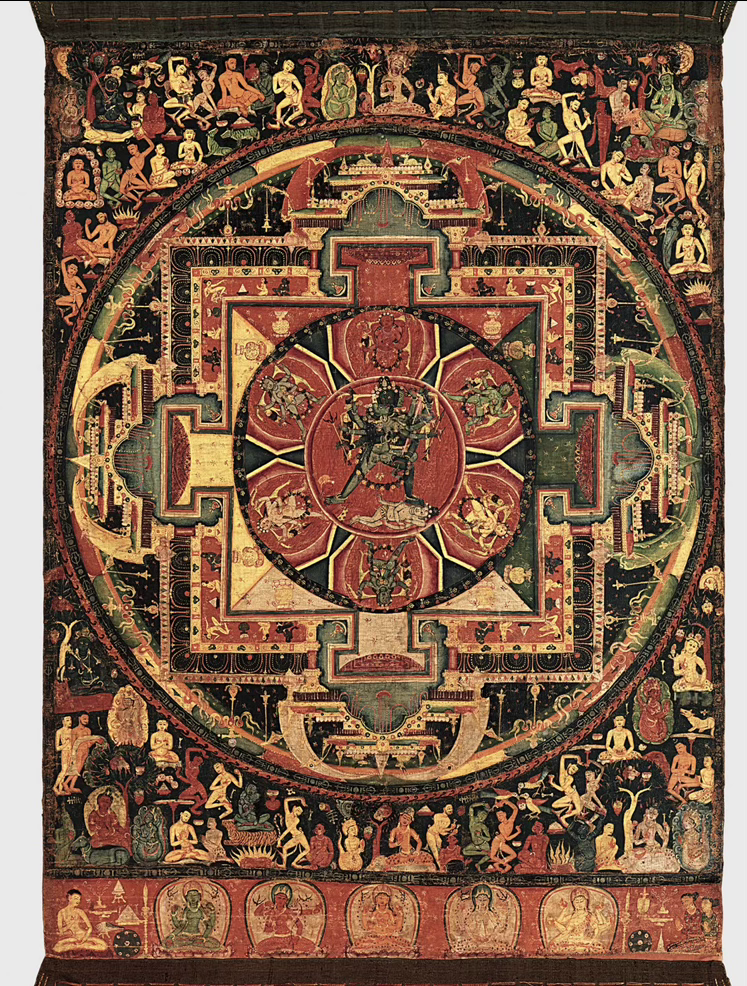
Chakrasamvara Mandala, Nepal, c. 1100.