MECH 3360 - Financial Accounting Introduction
 Call Kai
 Learn
 Practice Test
 Spaced Repetition
 Match
 Flashcards
 Knowt Play
1/36

Earn XP
37 Terms
What is the difference between accounting and financing?
Accounting is in charge of tracking data, while financing is using that data to get reduced costs, and increased revenue or bottom line.
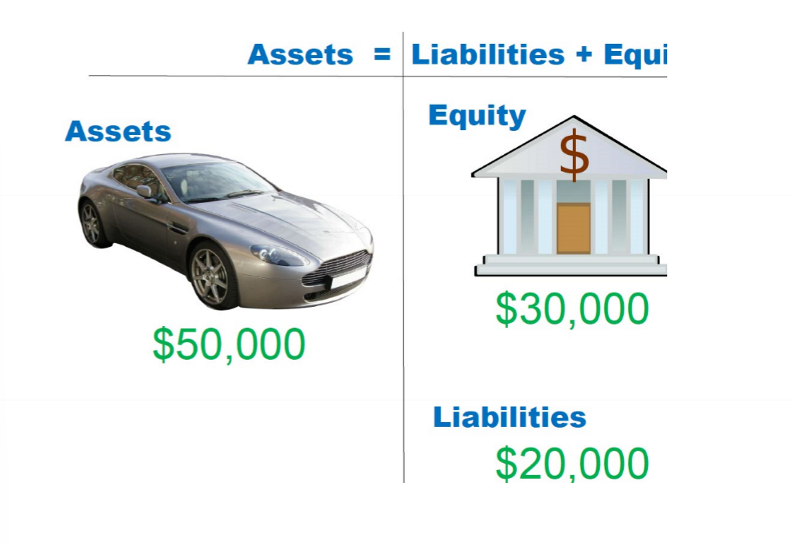
Colloquially, what are assets, liabilities, and equity?
Assets are what I have, liabilities are what I owe, and equity is what I own.
Profit is…
Revenue - Cost
Revenue is…
Price * Volume
Cost is…
Fixed cost + Variable cost
What is a balance sheet?
It is a snapshot of a firms financial position at a particular point in time.
What is an income statement?
A summary of revenues and expenses over a period of time.
What is a cash flow statement?
It is tracked cash flow over a period of time.
Balance sheets, income, and cash flow statements are all that make up what?
A financial report.
The difference between the amount of assets and liabilities is also known as?
Owners equity, or the value of the organization.
More formally speaking, what are assets?
Items to which the organization has legal title, and that have some value that can create future beneits.
What are current assets?
Asset that can be converted into cash within one year.
Provide examples of current assets.
Cash, accounts receivables, and inventory.
Define cash.
It is money on hand, or in a checking or savings account.
Define “accounts receivable”
It is the debts of other firms and individuals to the company.
Define inventory.
It is the purchased raw materials that the company uses the make products and goods ready for sale.
What are fixed assets?
These are assets that have a life greater than one year.
What are examples of fixed assets?
Equipment, buildings, and land.
More formally speaking, what are liabilities?
These are debts that a firm owes to suppliers, employees, the government, and other entities.
What are current liabilities?
Liabilities that can be paid within a year.
What are examples of current liabilities?
Money owed to suppliers, taxes, wages, bank loans.
What are long term liabilities?
Liabilities that is money owed later than in the current year.
What is an example of a long term liability?
Long term bank loans.
More formally speaking, what is equity?
The difference between assets and liabilities as a means of measuring what the firm is worth.
Equity commonly appears as two components on a balance sheet. Name both components.
Stock/shares, retained earnings.
Income statements have three major components. Name all three.
Revenue, expenses, and profits.
Where does revenue come from?
Sales of goods, services, interest on investments or savings, or rental income.
Where do expenses come from?
Cost of goods sold, rent, insurance, wages, depreciation, and interest paid on debt.
How do taxes play a part in income statements?
Taxes are deducted from profits to end up with net profits.
What does the “cash flow from operations” section on a cash flow statement show?
Transactions from all operational business activities, all combined to show the firms net income.
What does the “cash flow from investing” section on a cash flow statement show? What do analysts look out for in this section?
The results of investment gains and losses on property, plant, and equipment. Analysts look out for changes in capital expenditures.
In increase in capital expenditure typically means what?
There is a reduction in cash flow, indicating that the company is growing.
What does the “cash flow from financing” section on a cash flow statement show?
The measurement of cash flow between a company and its owners/creditors.
Values shown on financial statements are often estimated and do not perfectly reflect market values. How are they recorded?
They are recorded using the cost principle of accounting method.
The cost principle of accounting values assets on the basis of their original cost as opposed to their market value. Provide an example of this.
Land is often listed at the price paid and not its market value.
With a monthly cash flow, what is the main difference between buying and leasing?
Buying is usually cheaper over the life of the asset, while leasing generally requires less cash up front.
True or false, owning a small business exempts you from personal income taxes.
False. It does not exempt you from income taxes.