A&P I Lab 6 : Muscles of the Head & Neck
 Call Kai
 Learn
 Practice Test
 Spaced Repetition
 Match
 Flashcards
 Knowt Play
1/51

There's no tags or description
Looks like no tags are added yet.
52 Terms
Muscle fascicle
bundle of muscle fibers

Muscle cell
aka muscle fiber
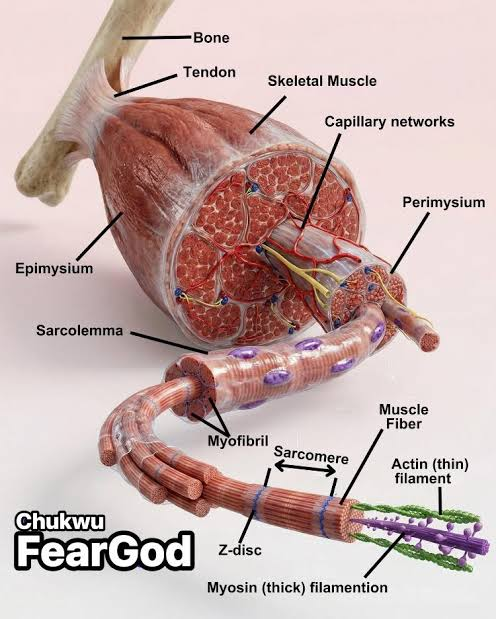
Epimysium
surrounds entire muscle

Perimysium
surrounds fascicles

Endomysium
surrounds individual muscle cells

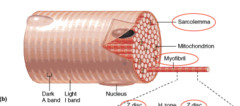
Sarcolemma
plasma membrane of a muscle fiber

Myofibril
tightly packed filament bundles found within skeletal muscle fibers
Triad
a specialized cellular structure in skeletal muscle fibers that drives excitation-contraction coupling
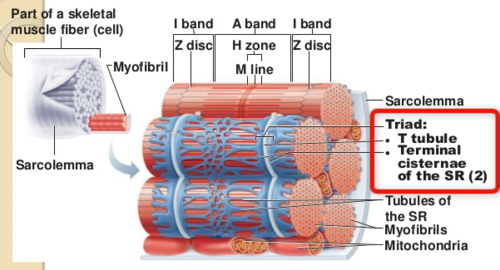
T-tubules
tubular infoldings of the sarcolemma which penetrate through the cell and emerge on the other side

Terminal cisternae
enlarged areas of the sarcoplasmic reticulum surrounding the transverse tubules.

Mitochondria
provide energy for muscle contraction

Sarcoplasmic reticulum
specialized endoplasmic reticulum of muscle cells
Sarcomere
contractile unit of a muscle fiber

Z Disc
coin-shaped sheet of proteins that anchors the thin filaments and connects myofibrils to one another

H Zone
thick filaments only

I Band
thin filaments only

A Band
dark area; extends length of the thick filaments

M Line
middle of sarcomere

Neuromuscular Junction
a specialized chemical synapse between a motor neuron terminal and a skeletal muscle fiber that converts electrical nerve impulses into muscle contraction

Synaptic bulb/knob
located at the end of the axon terminal, this releases neurotransmitters.
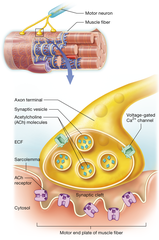
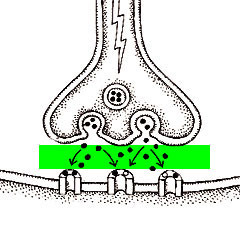
Synaptic cleft
a gap into which neurotransmitters are released from the axon terminal
Motor end plate
the flattened end of a motor neuron that transmits neural impulses to a muscle

Occipitofrontalis
Raises eyebrows, wrinkles forehead

Occipitalis
pulls scalp

Corrugator supercilli
moves eyebrows medially and inferiorly
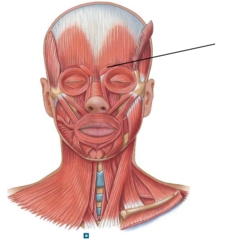
Orbicularis oculi
closes eye

Zygomaticus major
Pulls corner of mouth up & laterally (smiling)
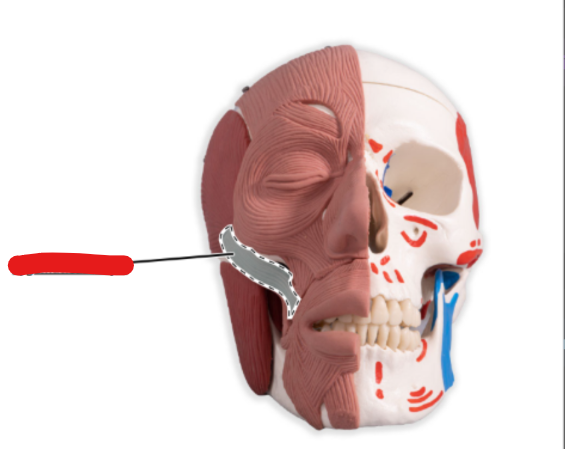
Zygomaticus minor
Pulls upper lip up & outward (snarling)
Buccinator
Compresses cheeks against teeth, lips (whistling, blowing)
Orbicularis oris
puckers lips (kissing)

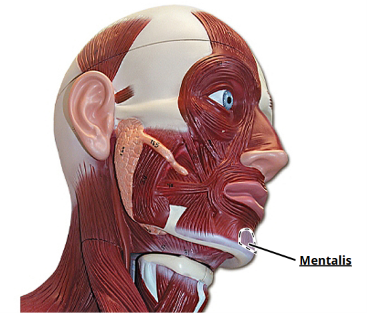
Mentalis
Pulls lower lip up & outward (pouting)
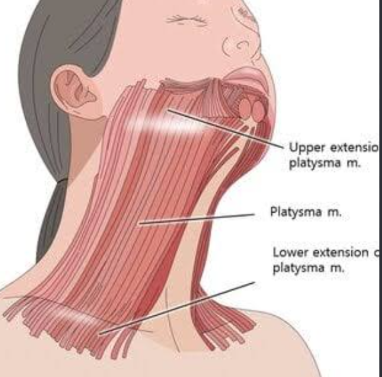
Platysma
Pulls lower lip, neck skin down & laterally (frown, fright)
Temporalis
Elevates mandible (closing mouth)

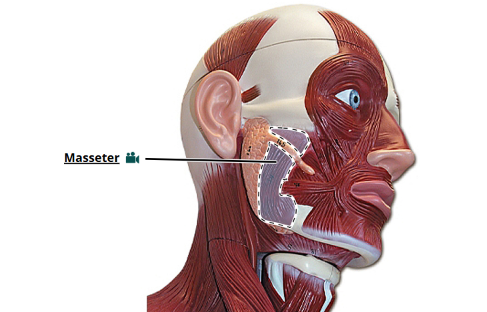
Masseter
Elevates mandible (closing mouth)
Digastric (anterior belly)
Depresses mandible (opens mouth)

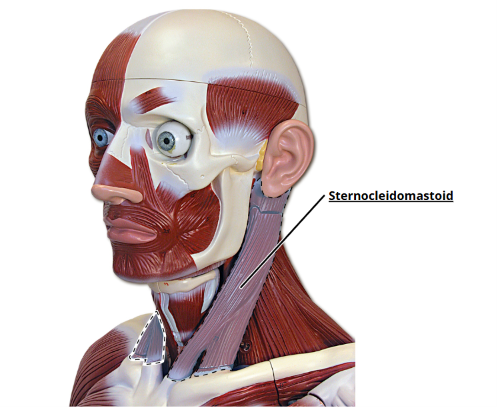
Sternocleidomastoid
Rotation head, flex neck
Splenius capitis
Extend head, extension, flexion

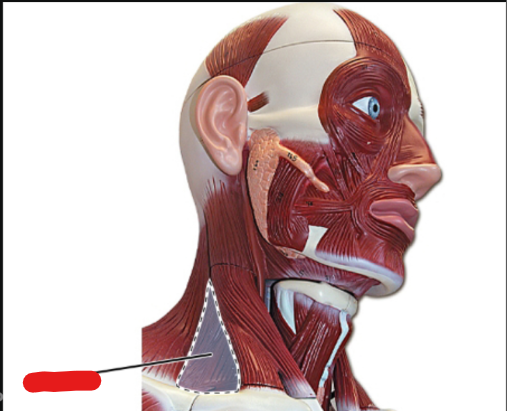
Scalenes
elevates first rib, increasing size of thoracic cavity
Diaphragm
increases & decreases volume of thoracic cavity

External intercostals
expands ribcage, increasing size of thoracic cavity

Internal intercostals
pulls ribs together, decreasing size of thoracic cavity

Rectus abdominis
Flexes vertebral column, compresses abdomen

External oblique
Compresses abdomen, rotates trunk

Internal oblique
Compresses abdomen, rotates trunk

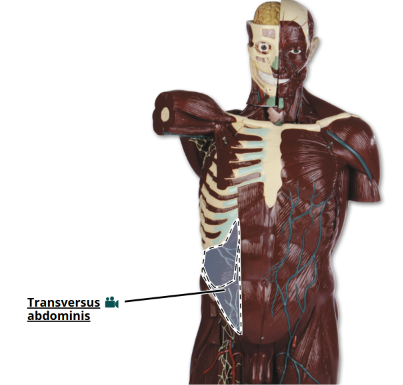
Transverse abdominis
Compresses abdomen, rotates trunk
Splenius cervicis
extend neck, laterally flex and rotate head to same side

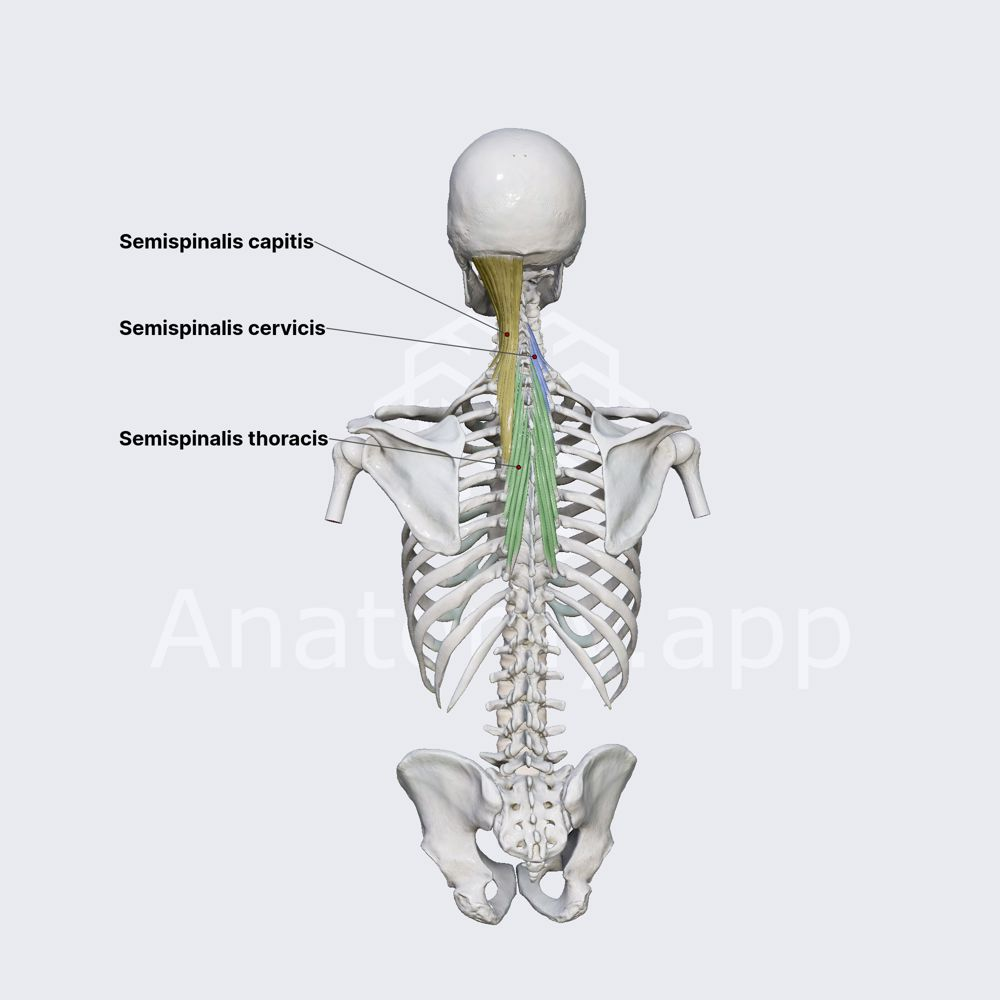
Semispinalis
Head and neck extension & lateral flexion
Spinalis
Most medial of group, extend & laterally flex spine

Longissimus
Middle of group, extend & laterally flex spine
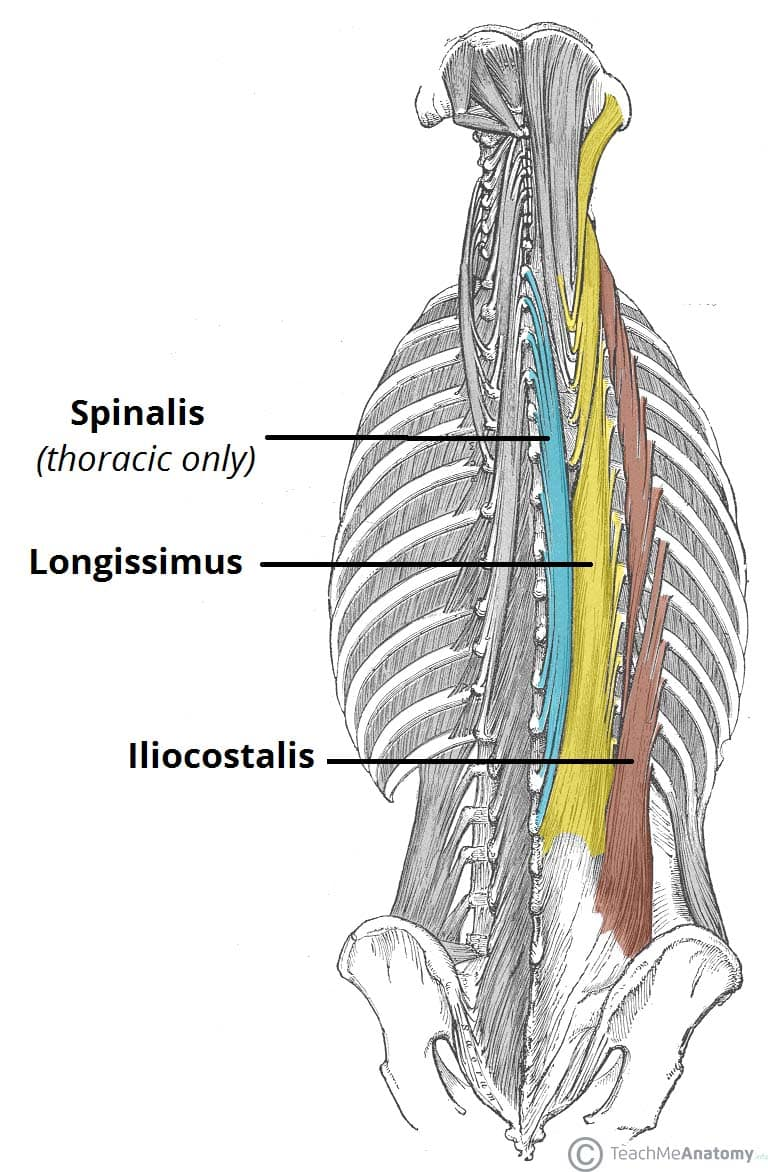
Iliocostalis
Most lateral of group, extend & laterally flex spine

Rotatores
extend spine/rotate spine to opposite side

Quadratus lumborum
lateral flexion of back, stabilization of lumbar spine
