SPHR Exam
 Call Kai
 Learn
Learn Practice Test
 Spaced Repetition
 Match
Match Flashcards
 Knowt Play
1/459

There's no tags or description
Looks like no tags are added yet.
Name | Mastery | Learn | Test | Matching | Spaced | Call with Kai | Chat |
|---|
No analytics yet
Send a link to your students to track their progress
460 Terms
planning
setting goals and determining the best course of action to achieve them
organizing
arranging resources and tasks to implement the plans effectively
commanding (directing)
leading and motivating employees to execute the plans
controlling
monitoring progress and making necessary adjustments to stay on track with goals
coordinating
ensuring all parts of the organization work together harmoniously toward common objectives
mission statement
describe the company, what it does, where it’s going, and how it’s different from other organizations
vision statement
inspire the organization and inform customers and stakeholders, describing what will carry the organization into the future and what it will accomplish
corporate values statement
a way for leaders to communicate their standards for how the organization will conduct business
competencies
the parts an operation that they do best and that set them apart from the competition
external forces impacting an organization
technological developments
industry changes
economic environment
labor pool
legal and regulatory activity
organizational development
a field of research and practice focused on improving an organization’s capacity to handle its internal and external functioning and relationships
organizational design
the creation and optimization of an oganization’’s structure to ensure it can achieve its objectives effectively
key elements of organizational development
change management
employee development
culture change
performance improvement
key elements of organizational design
structure
processes
roles and responsibilities
hierarchy
code of ethics
a statement of ideal standards that the organization is committed to uphold in its business practices
code of conduct
a statement of behaviors that the organization expects from employees
topics to consider when creating code of conduct and code of ethics
honesty
integrity
confidentiality
conflicts of interest
insider information
gifts
personal use of company assets
fairness
total quality management (TQM)
long-term intervention strategy requiring employees at all levels in an organization to focus on providing products that meet customer needs
most popular TQM tools
check sheet
histogram
pareto chart
cause and effect diagram
stratification
process-control chart

check sheet
list of items that might be expected to occur

histogram
a way of looking at random occurrences to find out whether there is pattern

pareto chart
provides graphical representation of the 80/20 rule, highlighting the most significant factors contributing to a problem.
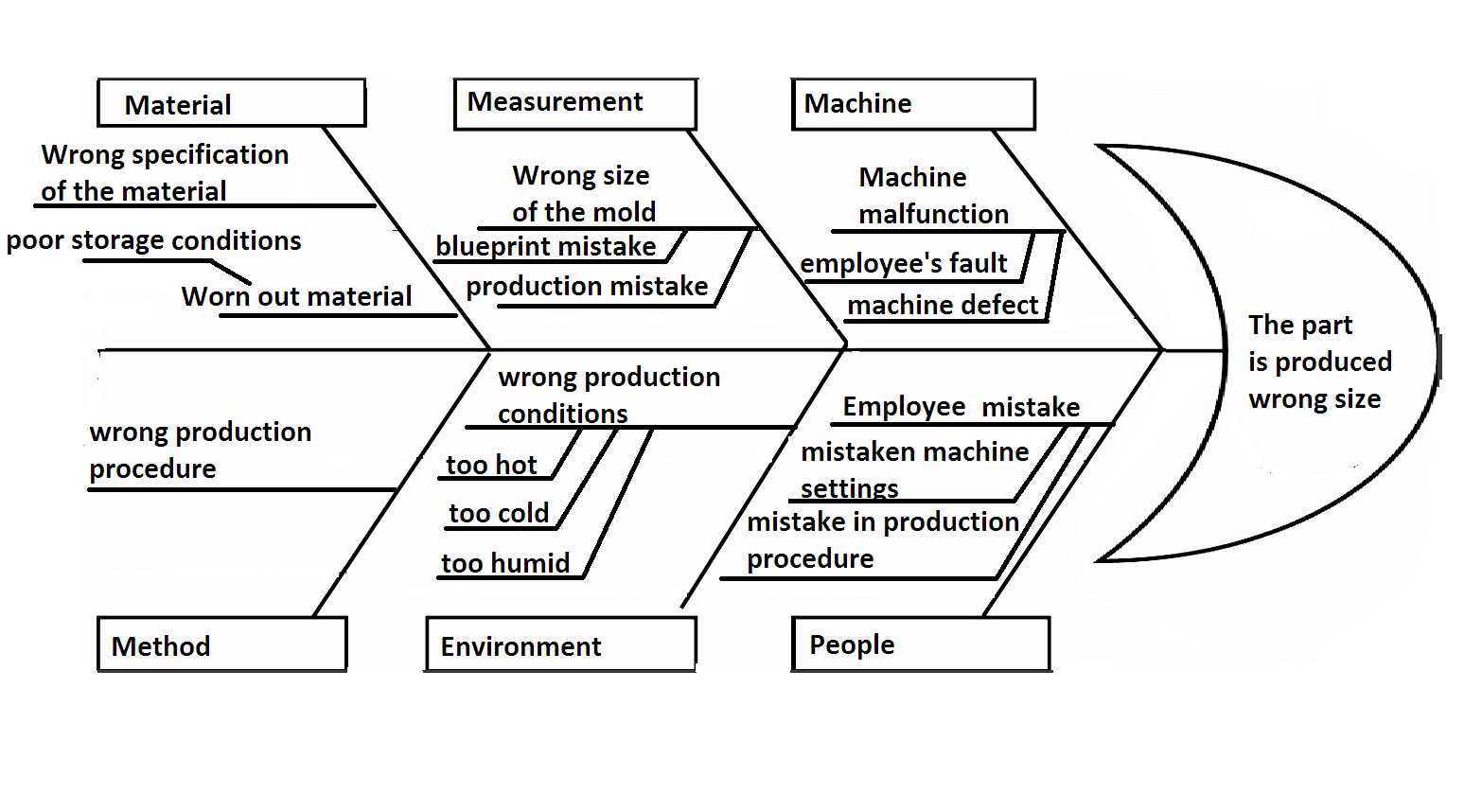
cause-and-effect diagram
quality analysis tool used to identify potential causes of a specific problem or effect. It visually maps out the relationships between causes and their effects.

stratification charts
show individual components of a problem in addition to the total or summaryof a dataset, helping to identify patterns and variations within subgroups.
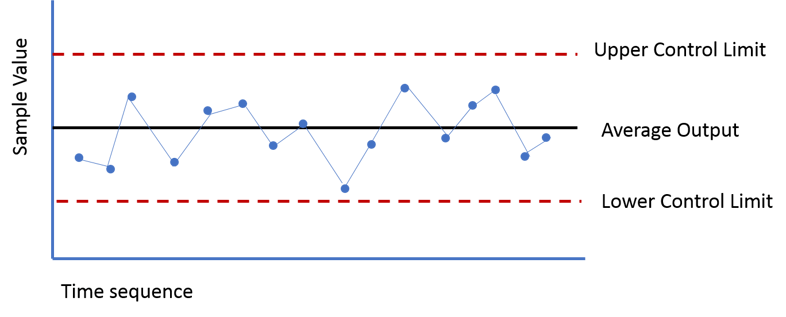
process control chart
a graphical representation of elements that are out the acceptable range by setting parameters above and below the range
Philip Crosby’s 4 absolutes of quality
conformance to requirements
prevention
performance standards
measurement
conformance to requirements
when management clearly described what is required, quality could be determined by whether the product met the standard
prevention
do it right the first time
performance standards
zero defects
measurement
additional cost of not producing zero-defect products the first time
six sigma
way to measure quality defects - defects per million
DMAIC
define
measure
analyze
improve
control
process flow analysis
assessing critical business functions
process map
used to show the end result of a process, and all the steps and people involved in getting there
job design
structuring and organizing tasks, responsibilities, and relationships within a job to optimize efficiency, employee satisfaction, and organizational effectiveness
job design methods
job enrichment
job enlargement
job rotation
job crafting
job loading
job enrichment
assign new responsibilities or tasks that challenge the employee to use existing skills and abilities in new ways or to develop new ones as they tackle new assignments
job characteristic model
skill variety
task identity
task significance
autonomy
feedback
job enlargement
additional tasks are added to the job without increasing he level of responsibility
job rotation
allows employees to cross train for jobs within other areas of the company
job crafting
steps employees take to (1) change the work itself, such as scope of tasks, and (2) change the amount or quality of interaction with others including coworkers and customers
job loading
seeks to redesign work in order to better serve employee psychological needs for understanding and meaning, thus increasing ownership of work outcomes
horizontal loading
adding different tasks to a job that are equal to other tasks
vertical loading
adds decision making responsibility to a position
sustainability
speaks to company behavior that doesn’t deplete the resources used to achieve an outcome
Why the digital divide is important to HR strategically?
limited internet access affects where companies may operate
access to the internet is how many students are educated
professional growth is limited
the internet is a revenue system
diversity
a combination pf various people working together, often with differences in culture, race, generation, gender, or religion
surface-level diversity
biological variables that may not correlate to job attitudes or overall performance
employee resource groups (ERG)
a voluntary, employee-led organization within a company that provides support, networking, and advocacy, for specific communities or affinity groups
affirmative action
policies and practices designed to address historical discrimination by promoting the hiring, promotion, and advancement of individuals from underrepresented groups
cultural competence
the ability to effectively interact and communicate with people from different cultural backgrounds, understanding and respecting their perspectives and values
allyship
individuals from privileged or majority groups actively supporting and advocating for marginalized or underrepresented groups, often through education, advocacy, and amplification of voices
intersectionality
the interconnected nature of social categorizations such as race, class, and gender, which create overlapping systems of discrimination or disadvantage.
tokenism
the practice of making only a symbolic effort to be inclusive, often by including a minimal number of members from marginalized groups without genuine commitment to diversity.
pipeline problem
the barriers that prevent underrepresented groups from advancing in certain fields, particularly in education and employment.
inclusive leadership
A leadership style that actively promotes and values diversity, ensuring that all voices are heard and considered in decision-making processes.
equity audit
A comprehensive evaluation of an organization's policies, practices, and outcomes aimed at assessing fairness and ensuring equitable opportunities for all employees, particularly those from marginalized groups.
diversity tax
A term referring to the additional burdens or challenges faced by individuals from underrepresented groups in the workplace, often requiring them to expend more effort to achieve the same recognition and advancement as their counterparts.
cultural competence
the ability of a diverse group of people to achieve organizational aims, and a measure of a company’s ability to work with individuals from multiple walks of life.
360- degree feedback
"A system where employees get feedback on their performance from their managers, peers, and sometimes even customers.
401(k) plan
A retirement savings plan where employees can save part of their paycheck, often with a match from their employer, to use when they retire.
ADDIE model
A process for designing training programs that involves Analysis, Design, Development, Implementation, and Evaluation.
administrative services– only (ASO) plan
A type of health insurance plan where the employer handles claims and costs instead of an insurance company, but hires a company to help manage it.
alternative dispute resolutions (ADRs)
Ways to solve conflicts outside of court, like mediation or arbitration.
arbitration
A process where a neutral third party makes a binding decision to settle a dispute, instead of going to court.
auditory learners
People who learn best by hearing information, such as through lectures or discussions.
average bias
A tendency to prefer or choose the middle option, avoiding extremes.
body of knowledge
The complete set of concepts, terms, and activities that make up a professional discipline or area of study.
bona fide occupational qualifications (BFOQs)
Job requirements that are necessary for a particular position and that can legally exclude certain people like requiring a pilot to have good vision.
broadbanding
A pay structure that groups several pay grades together into a single band allowing more flexibility in salary.
brownfield organization
The redevelopment or upgrading of an existing facility site, or operation. In this project, the company is working within an existing structure or location, often dealing with existing infrastructure, systems, and sometimes contamination or outdated equipment.
call-back pay
cash-balance plans
commissions
Payments made to employees usually salespeople, based on the amount of sales they make.
compa ratio
A comparison of an employee’s pay to the midpoint of a pay range, used to assess fairness.
comparable worth
The principle that jobs requiring similar skills and responsibilities should be paid equally, regardless of who performs them.
competency- based compensation
A pay system where employees are compensated based on their skills, knowledge, and abilities rather than their job title or duties.
computer- based training
Learning or training delivered via a computer, often through interactive software.
contingent workforce
Workers who are not permanent employees, such as freelancers, contractor, temporary staff.
continuous recruitment
An ongoing process of actively seeking out and hiring new employees, even when there are no immediate job openings.
contract workers
Employees hired for a specific task or project for a set period of time, oftem without the benefits of full-time employees.