Acids and Bases
 Call Kai
 Learn
Learn Practice Test
 Spaced Repetition
 Match
Match Flashcards
 Knowt Play
1/16

There's no tags or description
Looks like no tags are added yet.
Name | Mastery | Learn | Test | Matching | Spaced | Call with Kai | Chat |
|---|
No analytics yet
Send a link to your students to track their progress
17 Terms
What is an acid
A substance that dissociates in water to form H+ (hydrogen ions). It is a proton donor
What is a base
A substance that dissociates in water to form OH- (hydroxide ions). It is a proton acceptor
Net Ionic Equation
H+ + OH- →H2O
Limitations to Arrhenius Theory
Applicable only to acids with formula HX: Eg. HCl, HBr. Does not work as NH3
Applicable to only bases with formula YOH: Eg. NaOH, KOH
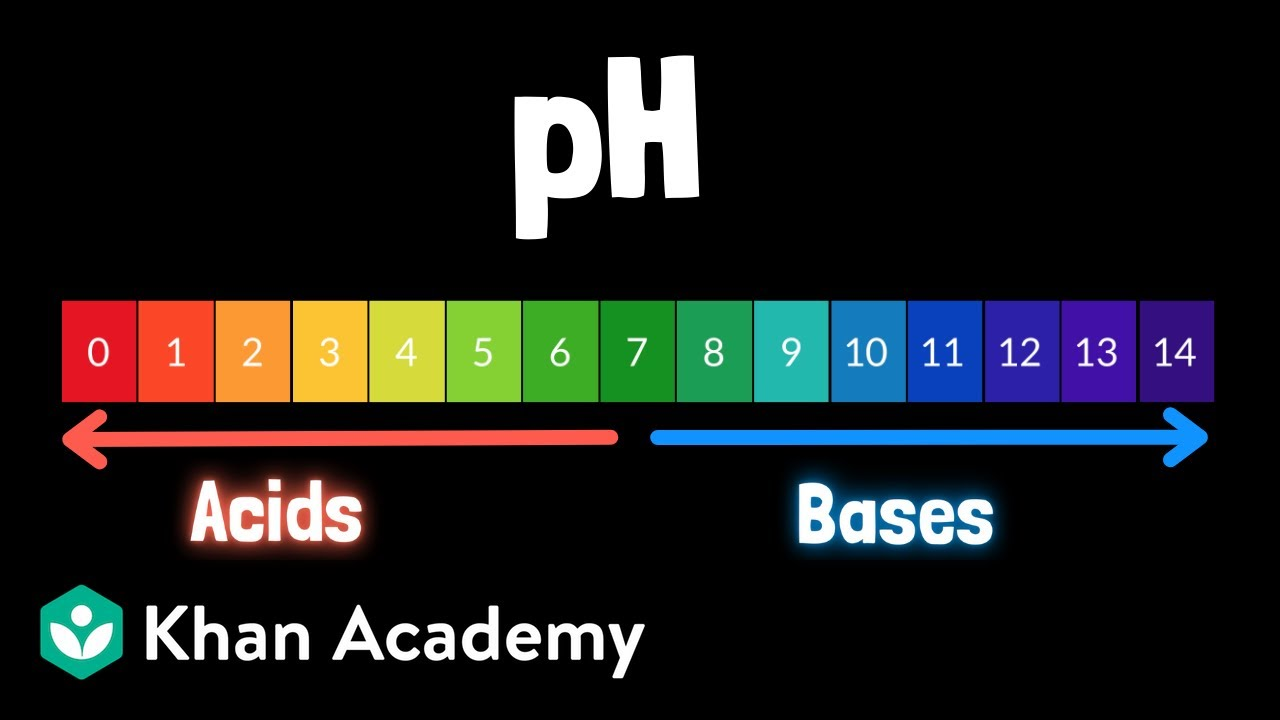
pH
Potential of hydrogen. So pH = -log(H+)
Where the H+ is the mols of H+ ions in the reaction.
So pH of 0.02 mols of H2SO4.
The reaction is H2SO4 → 2H+ + SO42- , so there are 2 mols of H+ ions , so it’s pH = 2(-log(0.02)) = 1.40. Makes sense since it is an acid.
Metal + Acid reactions
Metal + Acid → Metal salt + H2 gas
(don’t forget the charges on the positive metal and negative non metal)
Eg. Mg + 2HCl → H2 + MgCl2
Metal oxide + Acid reactions
Metal oxide (O) + acid → Water + salt
(don’t forget the charges on the positive metal and negative non metal)
CuO + 2HCl → H2O + CuCl2
Metal hydroxide + acid reactions
Metal hydroxide (OH) + acid → Water + salt
(don’t forget the charges on the positive metal and negative non metal)
Eg. NaOH + HNO3 → H2O + NaNO3
Metal carbonate + Acid reactions
Metal carbonate (MCO3)+ acid → Salt + H2O + CO2 (gas)
(don’t forget the charges on the positive metal and negative non metal)
Eg. MgCO3 + 2HCl → MgCl2 + H2O + CO2
Metal hydrogencarbonate + Acid reactions
Metal hydrogencarbonate (HCO3) + acid → CO2 + H2O + Salt
Eg. NaHCO3 + HCl → H2O + CO2 + NaCl
What is a titrate
The solution with a known concentration. You add this from the burette (it is usually a base for normal titrations and turns the base in the conical flask pink)
What is the analyte
The solution with the unknown concentration that you're trying to determine. It's usually in the conical flask and it is usually an acid that turns pink
What is phenolphthalein
It is an indicator that is colorless in acid, and pink in a basic solution
pH scale
Titration description
A base (eg. NaOH) is in a burette. It is the titrate. You add phenolphthalein to the acid (eg. HCl). HCl is the analyte since it turns pink. Phenolphthalein is colorless in acidic solution and turns pink when in basic solution. Slowly add the titrate to the analyte and monitor the color change. When the analyte turns a VERY light pink, it has gone from acid to weak base. This shows it has been neutralized.
Strong acid curve in titration

Strong base curve in titration
