Grasslands ID
 Call Kai
 Learn
Learn Practice Test
 Spaced Repetition
 Match
Match Flashcards
 Knowt Play
1/61

There's no tags or description
Looks like no tags are added yet.
Name | Mastery | Learn | Test | Matching | Spaced | Call with Kai | Chat |
|---|
No analytics yet
Send a link to your students to track their progress
62 Terms
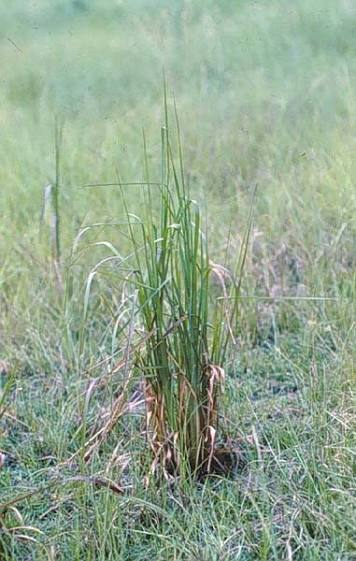
Kentucky Bluegrass
Cool - Fine-textured, sod-forming perennial with boat-shaped leaf tips. Dominant in many lawns and pastures; spreads through rhizomes and prefers fertile soils.
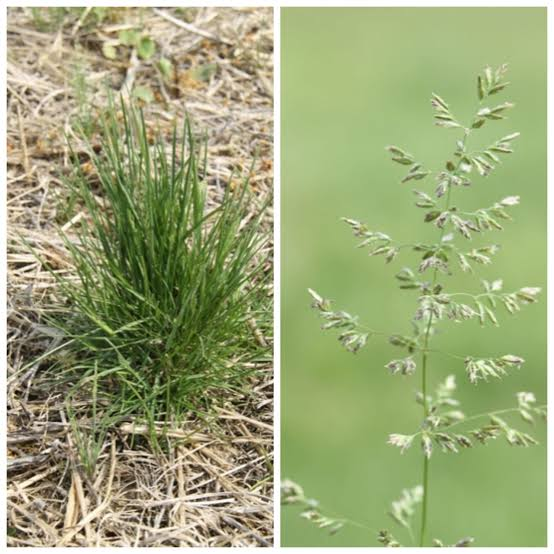
Timothy Grass
Cool - Upright perennial with a dense, cylindrical seedhead resembling a bottlebrush. Important hay grass adapted to cool, moist, fertile sites.

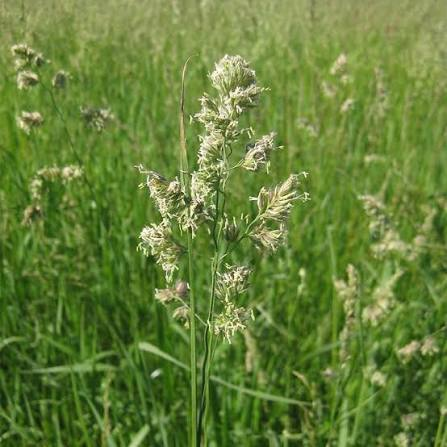
Orchard Grass
Cool - Bluish-green, fluffy seedhead, tufted perennial with dense seedhead clusters. Productive forage grass of pastures and hayfields, especially on fertile, well-drained soils.
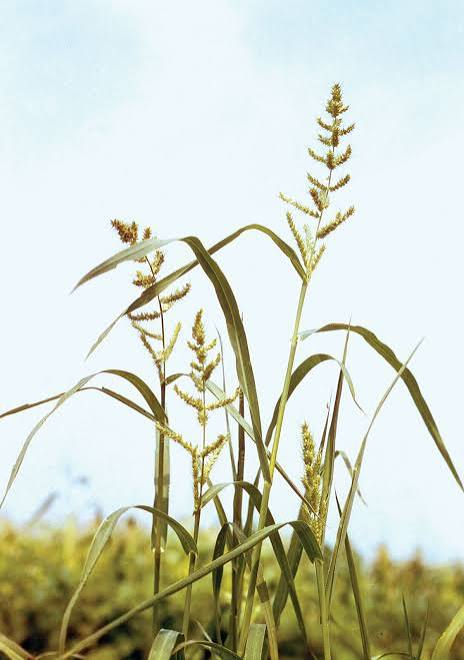
Barnyard Grass
Cool - Coarse annual with broad leaves and a branched, caterpillar-like often purplish seedhead. Common in wet, muddy, disturbed ground; a prolific agricultural weed.
Green Foxtail
Warm - Annual with a soft, green, cylindrical “foxtail” seedhead. Colonizes cropland, gardens, roadsides, and other disturbed soil.

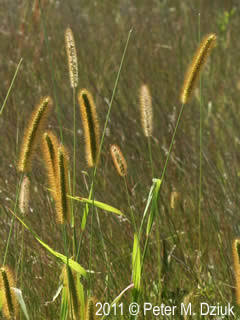
Yellow Foxtail
Warm - Annual with a yellowish, bristly seedhead and long hairs near the leaf base. Common in cropland, lawns, pastures, and compacted disturbed soil.
Fall Panicgrass
Warm - Coarse annual with a widely branched panicle, multiple seedheads per stem, flat stems, and often bent or sprawling stems. A weed of moist cropland, ditches, floodplains, and disturbed ground.

Smooth Crabgrass
Warm - Low, spreading annual with mostly smooth leaves and fingerlike seedheads. Thrives in thin turf, compacted soil, and hot disturbed sites.

Hairy Crabgrass
Warm - Spreading annual with conspicuously hairy leaves and fingerlike seedheads. Flourishes during hot weather in lawns, gardens, and disturbed soil.

Woodland Brome
Warm - Native perennial with softly hairy leaves and a loose, rice like, drooping seedhead. Found in rich woods, shaded slopes, forest edges, and openings.

Quackgrass
Cool - Introduced perennial with pale rhizomes that spread rapidly through soil. Aggressive in fields, gardens, roadsides, and disturbed grasslands.
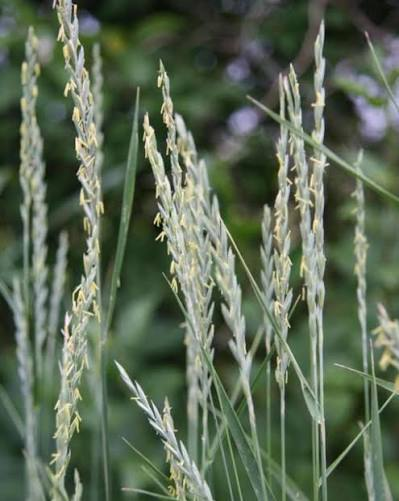
Tall Fescue
Cool - Tall, coarse, leaves have ridges, deep-rooted perennial introduced from Eurasia. Widely planted for pasture and turf but can dominate fields and reduce native plant diversity.

Redtop Bentgrass
Cool - Fine-stemmed perennial with an airy seedhead that becomes reddish at flowering. Introduced pasture grass common in moist fields, ditches, and disturbed sites.

Riparian Rye
Cool - Native perennial bunchgrass with an erect, wheatlike seedhead. Grows in moist floodplain forests, streambanks, and shaded alluvial ground.

Johnsongrass
Warm - Tall perennial with large open seedheads and aggressive rhizomes. An invasive weed of fields and roadsides; spreads by both seed and underground stems.
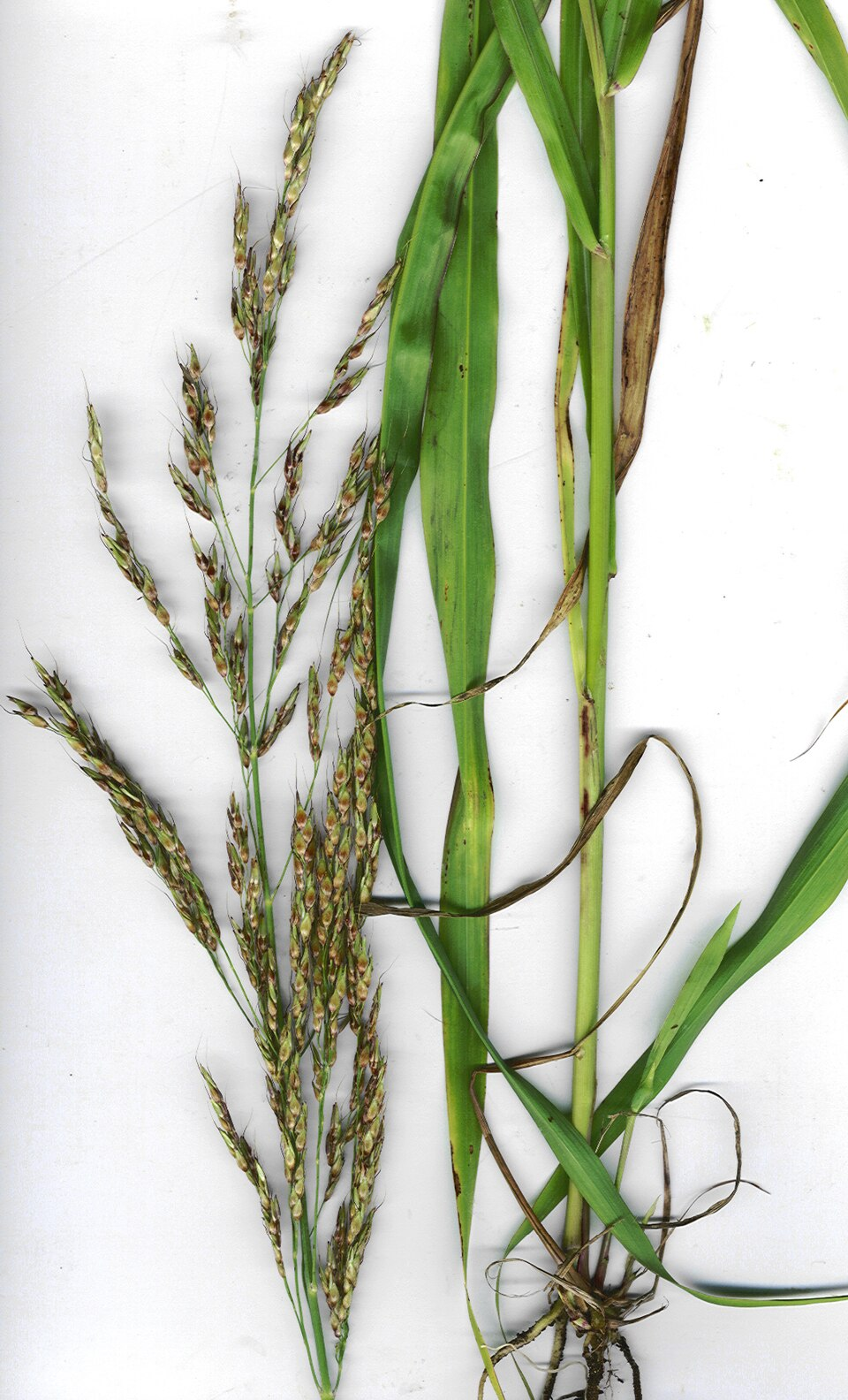
Switchgrass
Warm - Tall, white hairy ligule, deep-rooted native perennial with a large airy panicle. Important in prairies, wet meadows, and streambanks for wildlife cover, erosion control, and carbon storage.

Little Bluestem
Warm - Short native bunchgrass with blue-green summer foliage that turns copper-orange in fall. Adapted to dry, sunny, nutrient-poor prairies and supports many insects and birds.

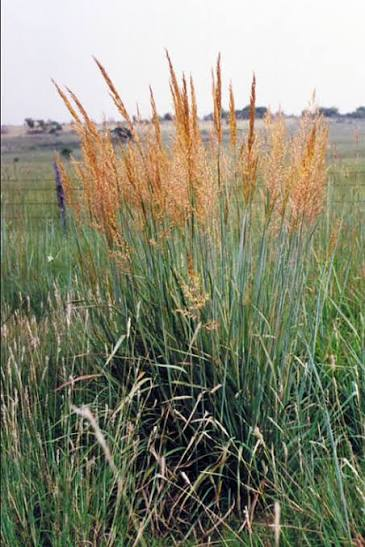
Indiangrass
Warm - Tall native bunchgrass with golden, plume-like seedheads. A major tallgrass-prairie species providing forage, nesting structure, seeds, and winter cover.
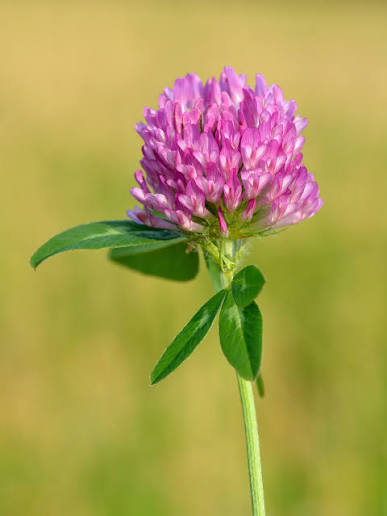
Red Clover
Forb - Short-lived perennial legume with pink-red flower heads and pale leaf markings. Used for forage and soil improvement; fixes nitrogen and feeds pollinators.
White Clover
Forb - Low, creeping perennial with white flower heads and three leaflets. Common in lawns and grazed pastures; tolerates mowing and fixes nitrogen.

Deer-tongue Grass
Warm - Native perennial with unusually broad, overlapping, hairy, tongue-shaped leaves. Tolerates acidic, infertile soil and occurs in edges, meadows, woodland openings, and disturbed ground; useful for erosion control.

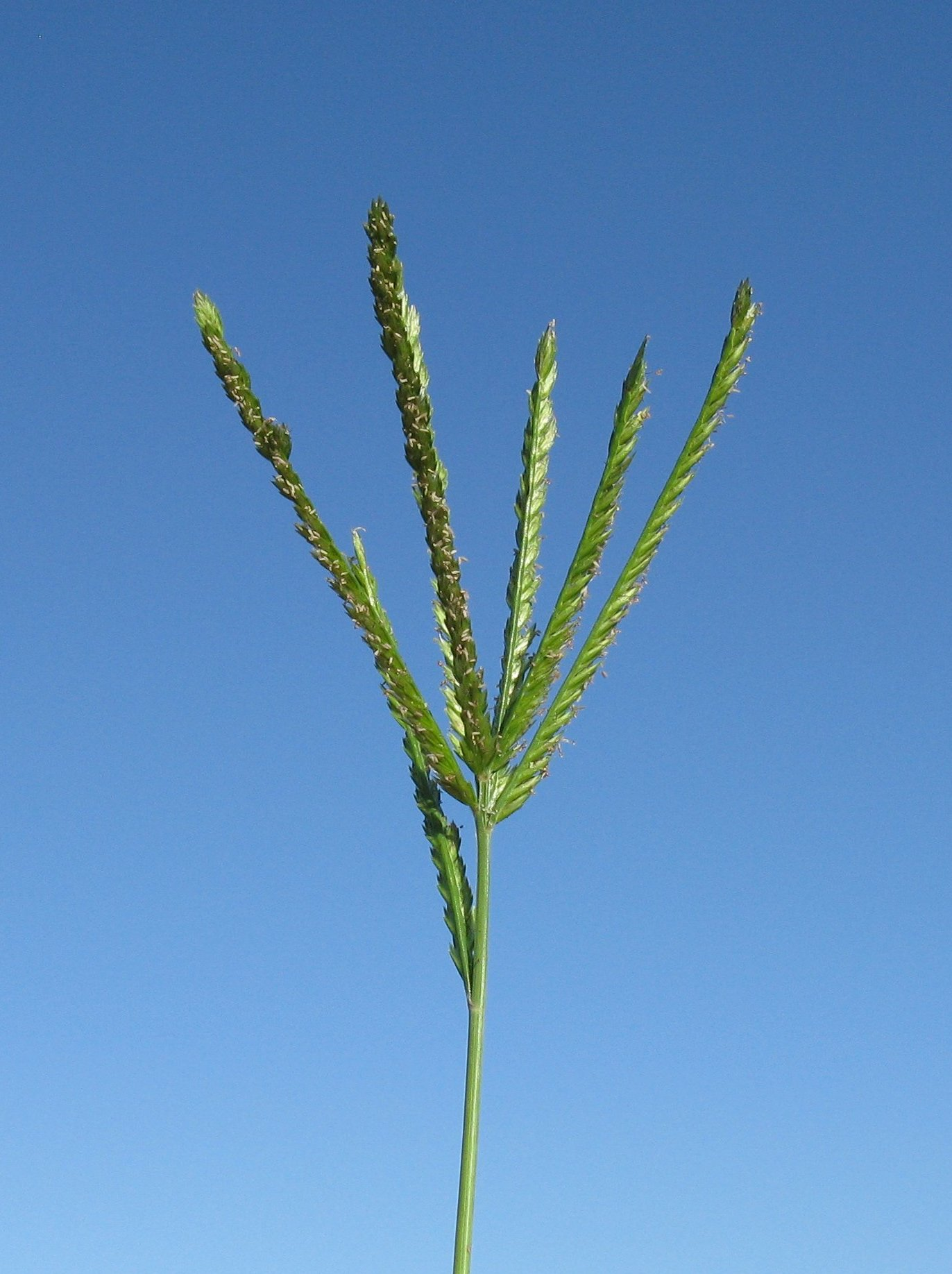
Goosegrass
Warm - Tough, flattened annual with seed spikes radiating like a goose’s foot. Especially common in compacted lawns, paths, gateways, and heavily trampled soil.
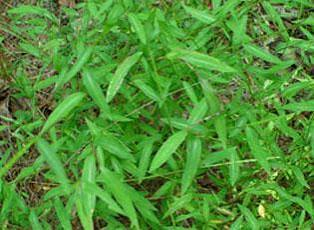
Japanese Stiltgrass
Warm (Invasive) - Delicate annual with a pale, silvery stripe along the leaf midrib. Highly invasive in shaded forests, floodplains, trails, and disturbed areas.
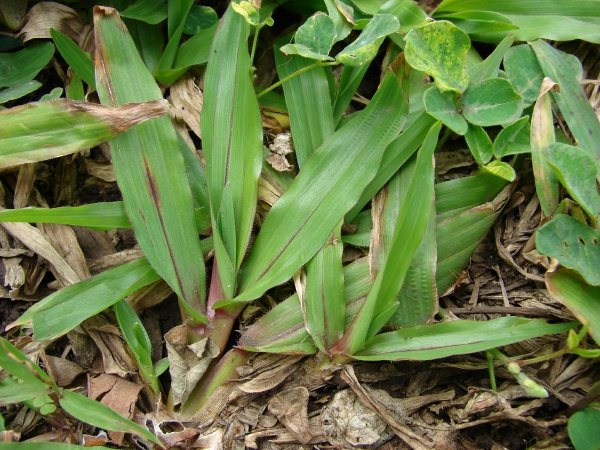
Paspalum
Warm - Usually has rounded spikelets (seeds) arranged along one-sided seedhead branches. Most species favor warm lawns, pastures, roadsides, or moist disturbed ground.

Carpetgrass
Warm (Invasive) - Creeping, mat-forming perennial with broad, blunt leaves. Occupies moist, acidic, low-fertility lawns and pastures, particularly in warmer regions.
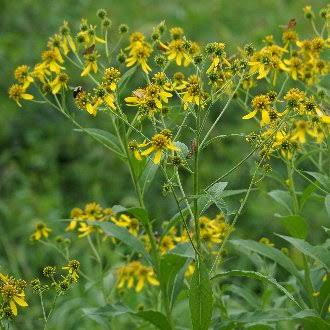
Wingstem
Forb - Tall native perennial with yellow flower heads and distinctive leafy “wings” on its stems. Grows along woodland edge, streambanks, and moist fields; valuable to pollinators.T
Ironweed
Forb - Tall native perennial bearing clusters of deep-purple flowers. Characteristic of moist pastures, meadows, and roadsides; supports late-summer pollinators.

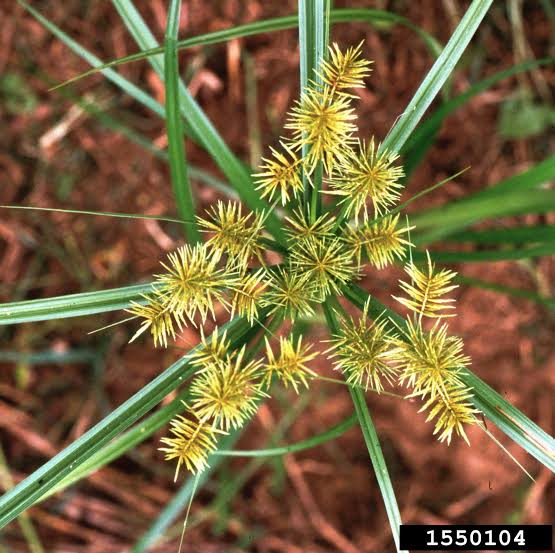
Yellow Nut Sedge
Sedge - Yellow-green perennial with triangular stems and underground tubers called nutlets. Aggressive in moist lawns, fields, gardens, and disturbed soils; not a true grass or forb.
Common Plantain
Forb - Low rosette with broad leaves, strong parallel veins, and slender flower spikes. Tolerates trampling and compacted soil around paths, lawns, and livestock areas.

English/Narrowleaf Plantain
Forb - Perennial rosette with narrow, ribbed leaves and small flower heads on long stalks. Common in lawns, pastures, roadsides, and dry disturbed ground.

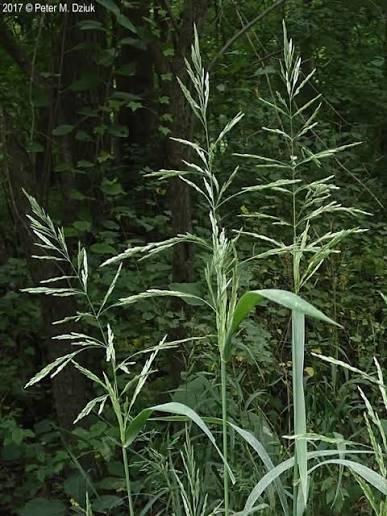
Wood Reed
Cool - Tall native clump grass with a loose, delicate panicle. Leaves usually on one side. Drooping. Occupies moist woods, swamps, and floodplains. Although physiologically C3, it grows and flowers relatively late, so some references call it warm-season.
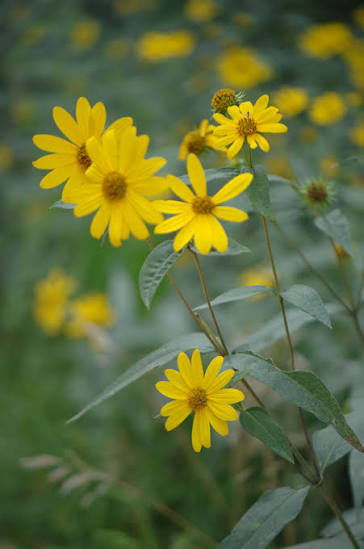
Woodland Sunflower
Forb - Native perennial with opposite, rough, barely toothed leaves and yellow sunflower heads. Spreads by rhizomes in dry open woods, savannas, and woodland edges; feeds pollinators and birds.
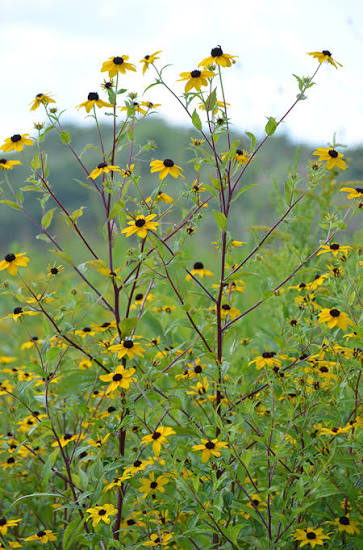
Brown-eyed Susan
Forb - Branched biennial or short-lived perennial with many small yellow flowers and dark centers. Occurs along woodland edges, roadsides, and disturbed openings.
Joe-pye Weed
Forb - Tall native perennial with whorled leaves and large pink-purple flower clusters. Favors moist meadows, wetlands, and woodland edges and is highly attractive to pollinators.

Reed Canary Grass
Cool - Tall perennial with broad, white midrib, 1 inch sheath, spiral staircase arranged leaves and a dense, branched, non-panicum seedhead. Forms aggressive rhizomatous stands in wetlands, ditches, floodplains, and streambanks, often displacing native vegetation.

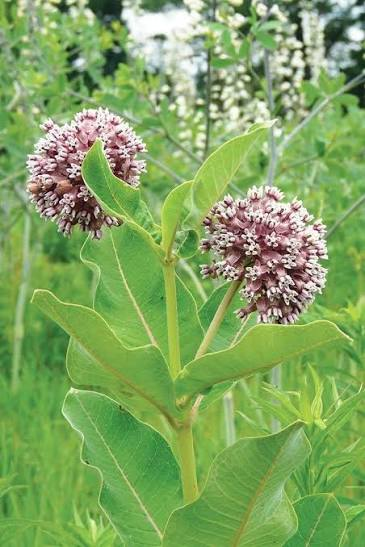
Common Milkweed
Forb - Native perennial with broad opposite leaves, milky sap, and round clusters of pink flowers. Spreads by rhizomes in fields and roadsides; an essential monarch butterfly host and valuable nectar plant.
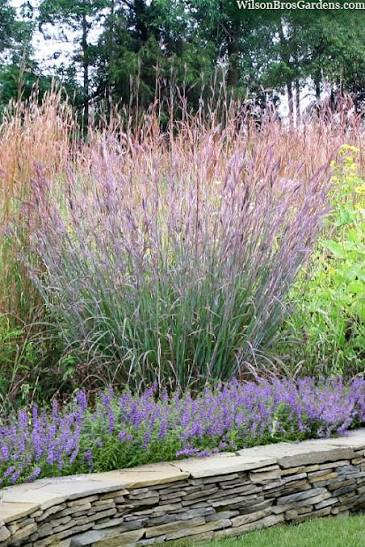
Big Bluestem
Warm - Big, tall native bunchgrass, with purple oval nodes, sometimes hairy leaves, and a three-part seedhead resembling a turkey’s foot. A dominant tallgrass-prairie species that supplies forage, deep-rooted erosion control, and wildlife cover.
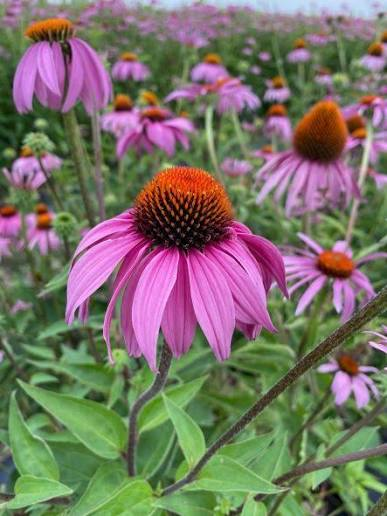
Purple Coneflower
Forb - Native perennial with purple drooping rays surrounding a raised, spiny center. Grows in prairies and open woods and provides nectar, pollen, and seeds for wildlife.
Hairy Sunflower
Forb - Rhizomatous native perennial with rough, densely hairy stems and lighter green, opposite leaves and yellow flower heads. Occupies dry open woods, roadsides, prairie edges, and other sunny openings.

Wild Bergamot/Bee Balm
Forb - Aromatic native perennial with lavender, tubular flowers arranged in rounded clusters. Common in prairies, old fields, and woodland edges; heavily visited by bees, butterflies, and hummingbirds.
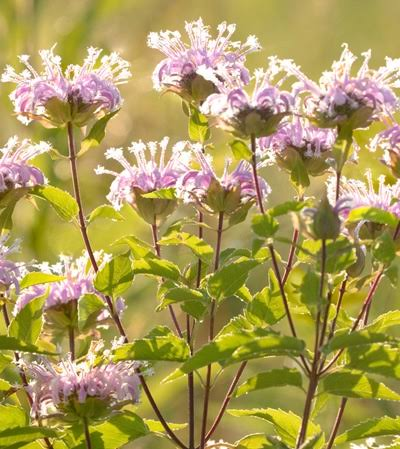
Prairie Blazing Star
Forb - Upright native perennial with narrow leaves and a dense spike of purple flowers that open from the top downward. Grows in moist-to-mesic prairies and is an excellent pollinator plant.
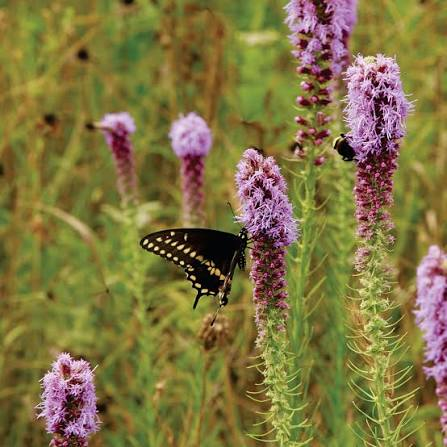
Sawtooth Sunflower
Forb - Taller, native perennial with sharply toothed alternate leaves, rough feel, smooth stem, and numerous yellow flower heads, short rays. Spreads by rhizomes in moist prairies, floodplains, ditches, and stream margins.

Wild Indigo
Forb - Long-lived native legume with three-part leaves, pea-shaped flowers, and inflated seedpods. Its deep roots tolerate drought and poor soil, while nitrogen fixation improves soil fertility. The exact species should be confirmed from your lab materials.
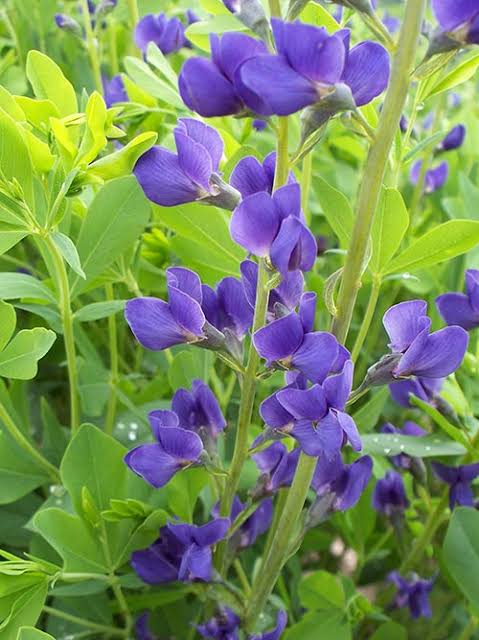
Canada Goldenrod
Forb - Tall native perennial with arching clusters of small yellow flowers. Spreads readily through rhizomes in fields, prairies, and disturbed ground and supplies important late-season pollinator resources.

Rattlesnake Master
Form - Distinctive native perennial with stiff, yucca-like leaves and round, prickly white flower heads. Found in prairies and savannas; its flowers attract many small bees, wasps, and beetles.
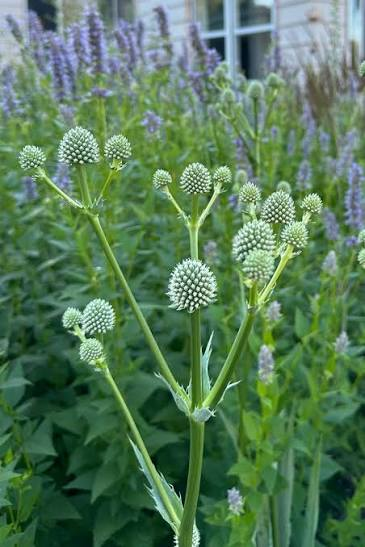
Purple-top Tridens
Warm - Native perennial bunchgrass, usually bent over, greasy feel, with open, airy seedheads that become reddish-purple. Common in old fields, woodland edges, roadsides, and moderately dry disturbed sites.

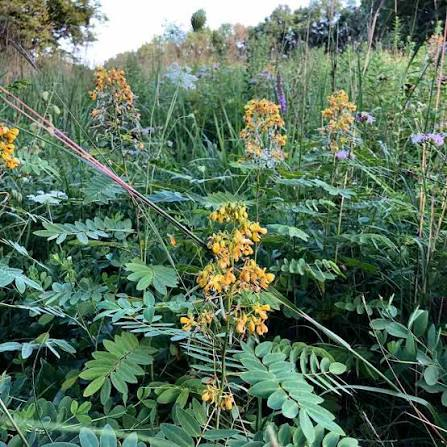
Wild Senna
Forb - Tall native legume with compound leaves, yellow flowers, and long dark seedpods. Occurs in moist prairies, meadows, and woodland borders; fixes nitrogen and hosts several butterfly species.
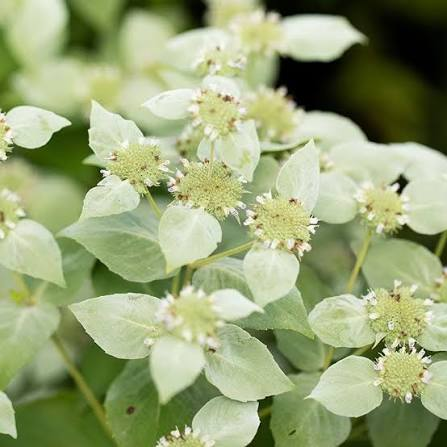
Blunt-leaved Mountain Mint
Forb - Aromatic native perennial with broad leaves, silvery flower bracts, and small white-pink flowers. Grows in moist meadows and woodland edges, spreads by rhizomes, and attracts a remarkable variety of pollinators.
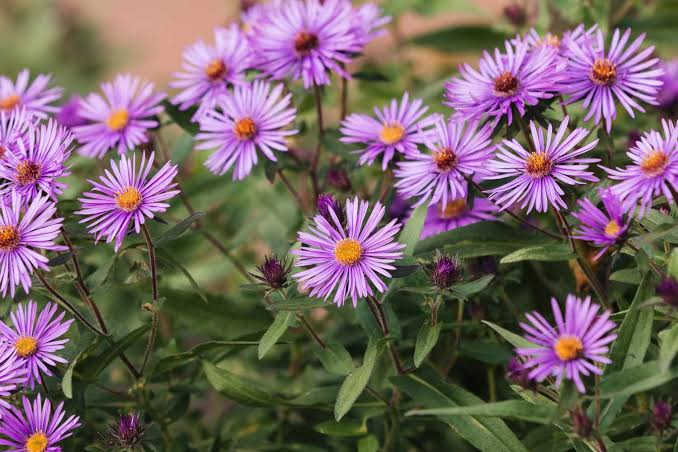
New England Aster
Forb - Tall native perennial with purple, pink, or occasionally white flowers surrounding yellow centers. Favors moist prairies and meadows and supplies nectar late in the growing season.
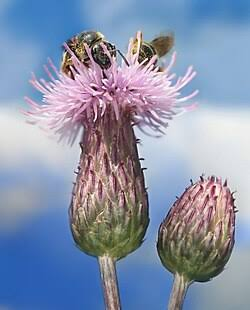
Canada Thistle
Forb - Introduced perennial with spiny leaves and always multiple small pink-purple flower heads. A highly invasive agricultural and grassland weed that forms colonies through extensive creeping roots.
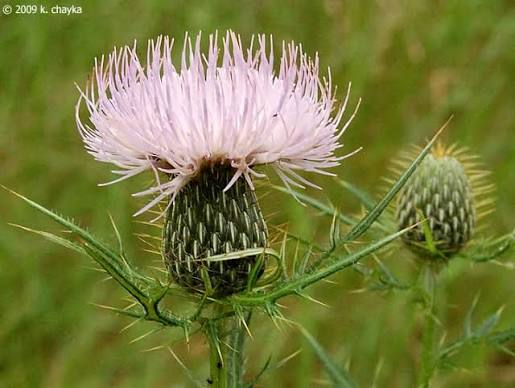
Field Thistle
Forb - Native biennial with spiny leaves that are green above and white-woolly underneath. Pink flower, bracts encompass flower. Occurs in prairies, pastures, roadsides, and open woods and provides valuable food for pollinators and seed-eating birds.
Flat-top Goldenrod
Forb - Native perennial with narrow, grass-like leaves and flat-topped clusters of yellow flowers. Usually grows in moist meadows, wet prairies, stream margins, and open wetlands.

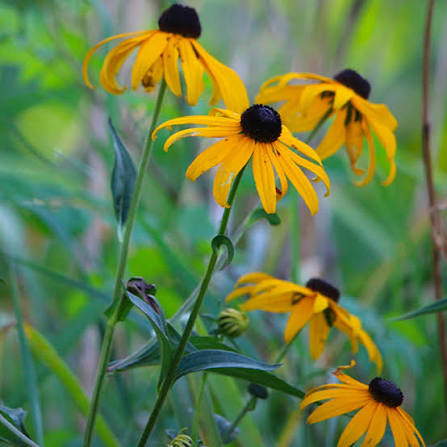
Black-eyed Susan
Forb - Hairy native wildflower with yellow rays surrounding a dark-brown center. Common in prairies, roadsides, old fields, and recently disturbed sites; provides pollen and seeds for wildlife. Unlike brown-eyed Susan, it usually has fewer, larger flowers and unlobed leaves.
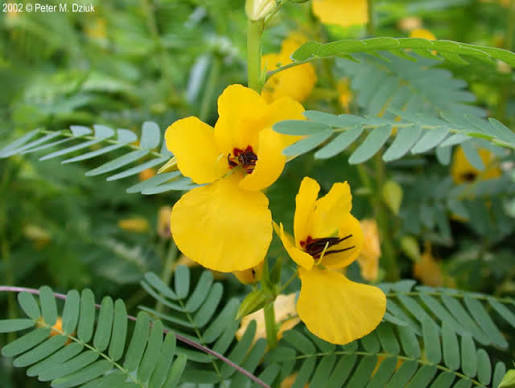
Partridge Pea
Forb - Native annual legume with many small paired leaflets and bright-yellow flowers marked with reddish-purple. Grows in dry prairies and disturbed ground; improves soil through nitrogen fixation and provides seeds for birds.
Canada Rye
Cool - Native perennial bunchgrass with nodding, wheatlike seedheads bearing long, curved awns. Occurs in prairies, streambanks, woodland edges, and disturbed sites, especially on moist, fertile soil.

Bottlebrush Grass
Cool - Native woodland bunchgrass with an open, bristly seedhead resembling a bottlebrush. Prefers shaded, rich woods and forest edges. Its widely spreading spikelets distinguish it from the denser seedheads of Canada wildrye and quackgrass.

Gray-headed Coneflower
Forb - Tall native perennial with drooping yellow rays surrounding an elongated gray-brown cone. Found in prairies, savannas, roadsides, and woodland openings; provides food for pollinators and seed-eating birds.

Narrowleaf Mountain Mint
Forb - Aromatic native perennial with square stems, extremely narrow opposite leaves, and clusters of small white flowers. Grows in sunny prairies and open fields and attracts many bees, wasps, and butterflies.

Slender Bush Clover
Forb - Slender native perennial legume with three-part leaves and small pink-purple pea-shaped flowers along the upper stems. Occurs in dry prairies, open woods, and roadsides; fixes nitrogen and provides wildlife food.

Plains Coreopsis
Forb - Native annual with yellow flower rays marked reddish-brown near their bases. Frequently colonizes disturbed soil, roadsides, moist prairie depressions, and open fields; valuable to summer pollinators.

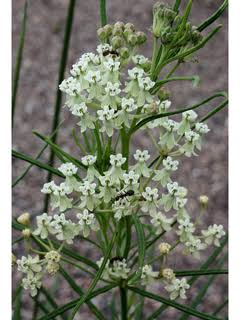
Whorled Milkweed
Forb - Slender native perennial with very narrow leaves arranged in whorls and small clusters of greenish-white flowers. Grows in dry, sunny prairies and open ground and serves as a monarch host plant. It is much finer-leaved than common milkweed.
Broomsedge
Warm - Native perennial bunchgrass that becomes copper-orange or reddish-brown in fall and remains upright through winter. Common in dry, acidic, low-fertility pastures and old fields; supplies nesting material and winter cover. It resembles little bluestem but has flatter, straw-colored flowering clusters partly enclosed by sheaths.