Psychology Units 1 & 2 Chapter 1
 Call Kai
 Learn
 Practice Test
 Spaced Repetition
 Match
 Flashcards
 Knowt Play
1/35

Earn XP
Description and Tags
Science skills & Research methods
36 Terms
Aim
A statement outlining the purpose of the investigation
Hypothesis
A testable prediction of the relationship between two or more variables
Independent Variable
Manipulated in order to measure its effect on the dependent variable
Dependent Variable
Observe and measure the effects of the independent variable
Controlled Variable
Held constant to remove its effects on the dependent variable
Purpose of Control Conditions
Reduce extraneous variables affecting the independent and dependent variable, high external validity

Random Sampling
Every member of the population of research interest has an equal chance of being selected
Random Sampling: Strengths
Gives every member of the population an equal chance of participating in the study, high external validity
Random Sampling: Limitations
Requires a complete and accurate list of every member of the population
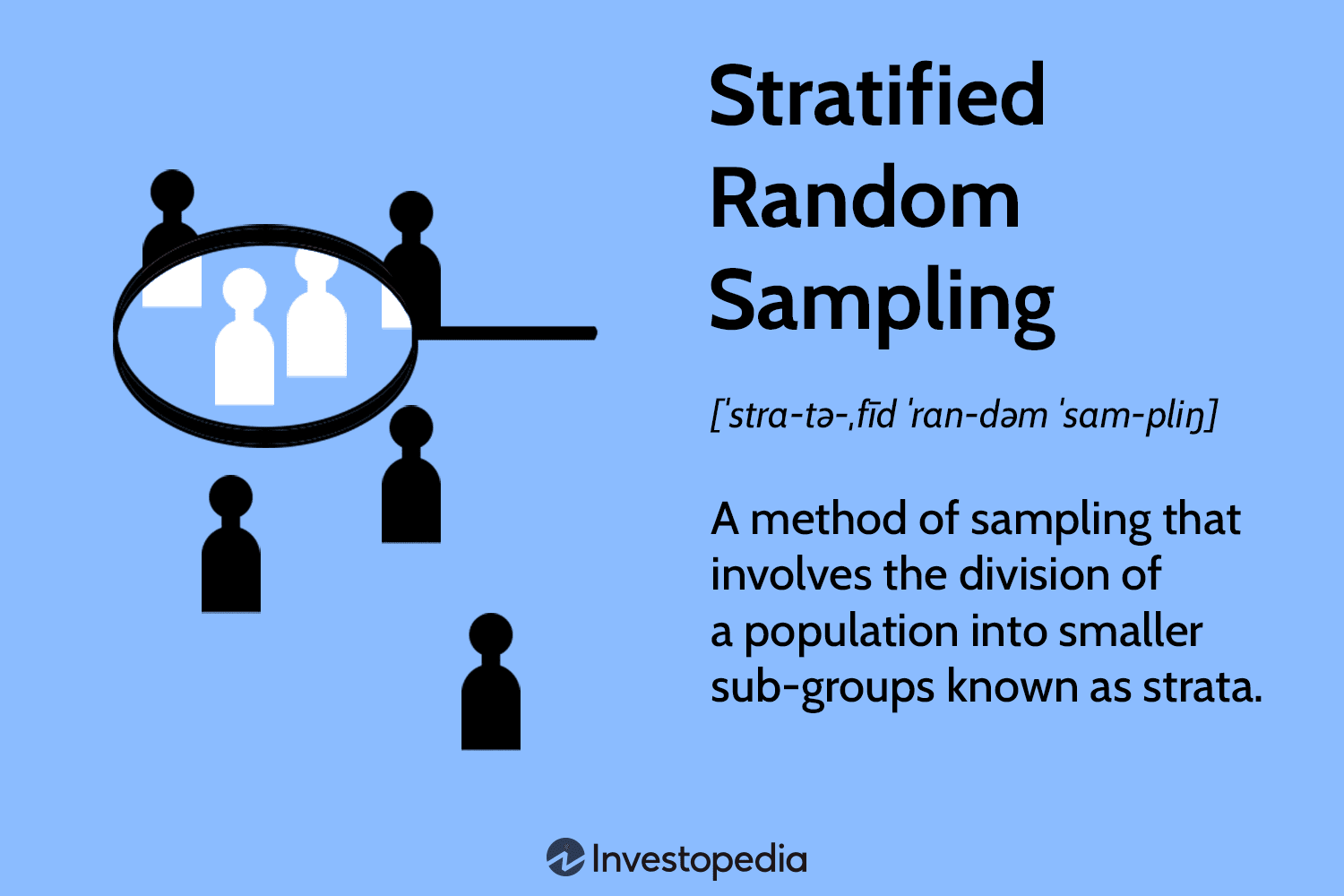
Stratified Sampling
Dividing a large population into smaller groups based on common characteristics and then random sampling from each group
Stratified Sampling: Strengths
Highly representative of the population, less chance of extraneous variables, more accurate results
Stratified Sampling: Limitations
Time-consuming and complex to plan, detailed knowledge about each individual in the population, increase in cost

Convenience Sampling
Selecting participants who are chosen because they are easy to access and willing to participate
Convenience Sampling: Strengths
Low cost, easily accessible group participants, quick to collect data
Convenience Sampling: Limitations
Low representativeness of population,
Controlled Experiment
Relationship between one or more IVs and a DV, controlling all other variables to determine if there is a cause-effect relationship between the IV and DV

Between subjects
Different participants being assigned to different conditions of the experiment. Each participant experiences only one condition
Between subjects: Advantages
No order effects, low chance of participants leaving experiment, simple to manage
Between subjects: Limitations
Larger sample size and individual participant differences may affect results

Within subjects
Same participants completing all conditions of the experiment
Within subjects: Advantages
Controls participant differences, fewer participants, greater confidence that differences are caused by the IV
Within subjects: Limitations
Order effects and participants may guess the aim of the study
Mixed design
Combines between subject and within subject by having different groups with repeated testing of the same participants
Mixed design: Advantages
Combines strengths of both designs, greater detail in results, examine multiple effects simultaneously
Mixed design: Limitations
More complex to design and analyse and risk of order effects
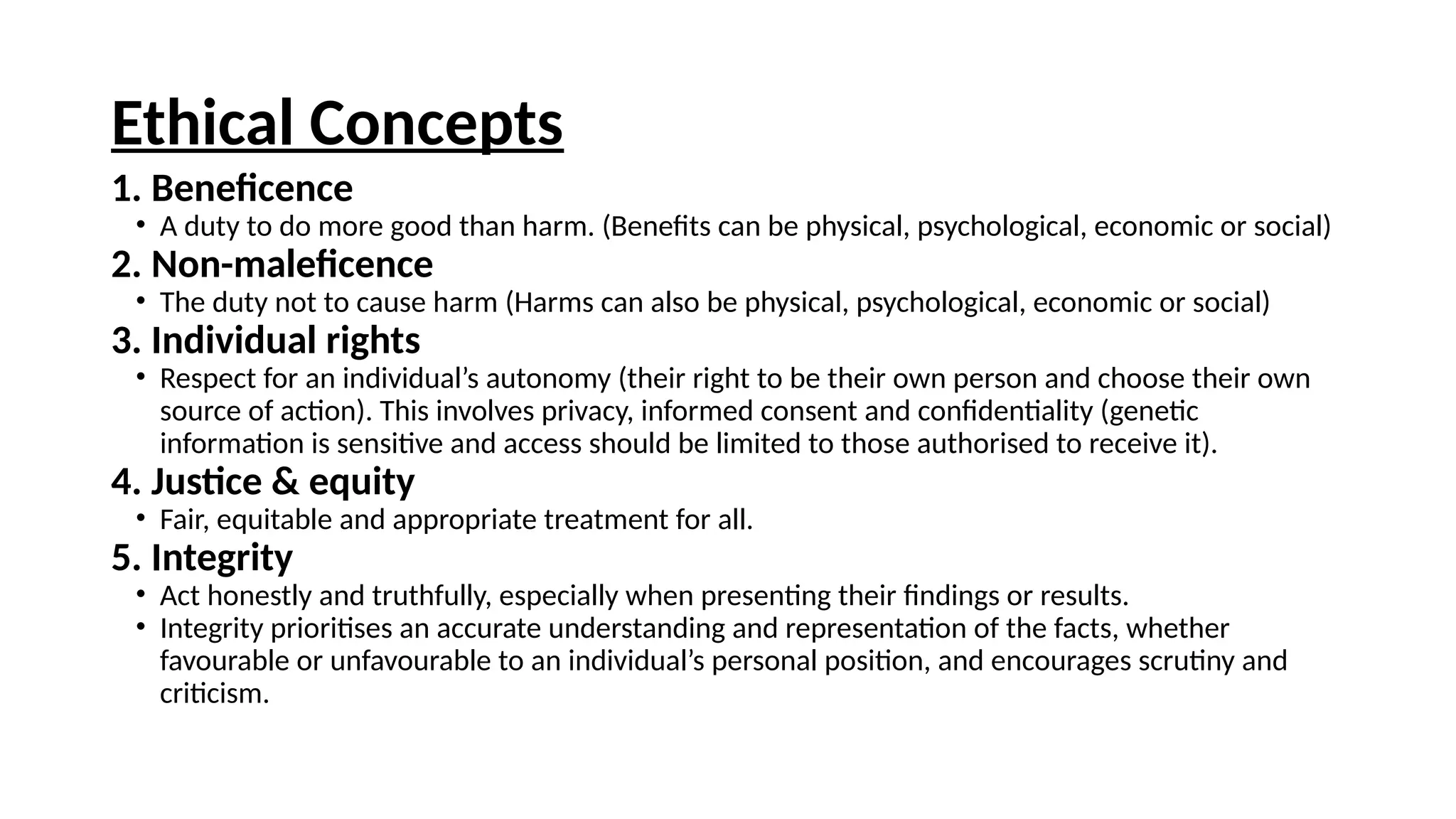
Ethical concepts: Beneficence
Maximising benefits of the study while minimising risks and harm to participants
Ethical concepts: Integrity
Conducting and reporting research honestly and accurately

Ethical concepts: Justice
Costs and benefits of participation are distributed fairly

Ethical concepts: Non-maleficence
Avoiding or minimising harm of participants

Ethical concepts: Respect
Recognising the values and rights of all participants
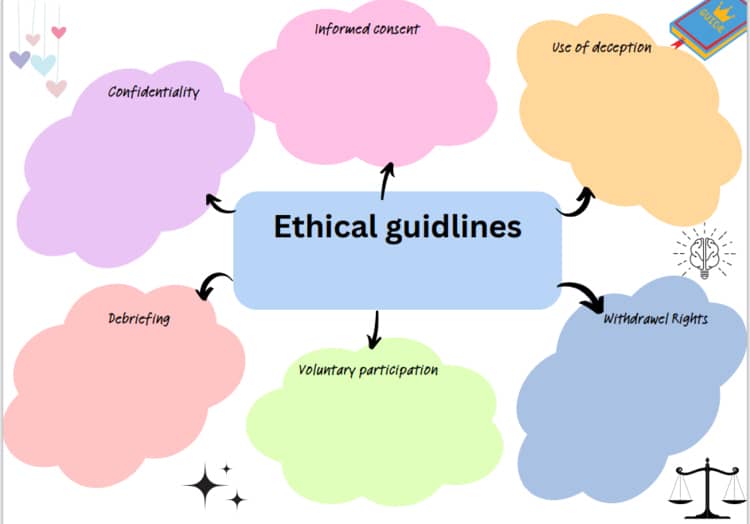
Ethical guidelines: Confidentiality
Protecting participants' privacy and personal information
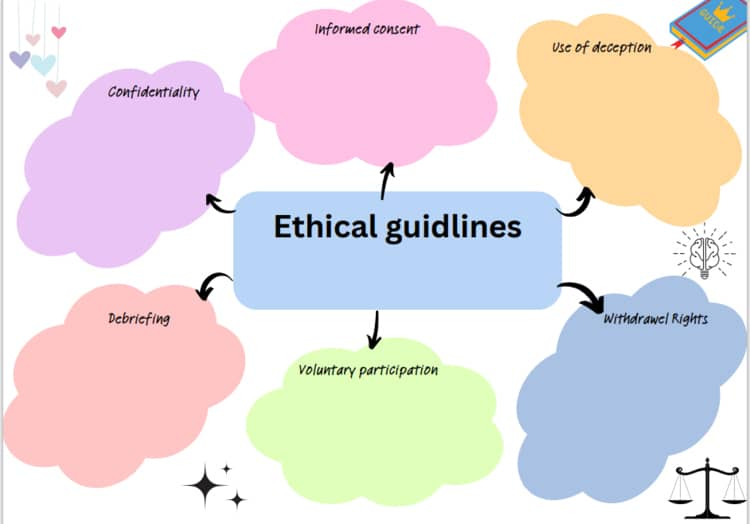
Ethical guidelines: Debriefing
Informing participants about the true purpose of the experiment after it has ended

Ethical guidelines: Informed Consent
Participants to be fully informed about the purpose, procedures, risks, and benefits of a study before voluntarily agreeing to take part

Ethical guidelines: Deception
Intentionally misleading or withholding information from participants about the true purpose or procedures of a study
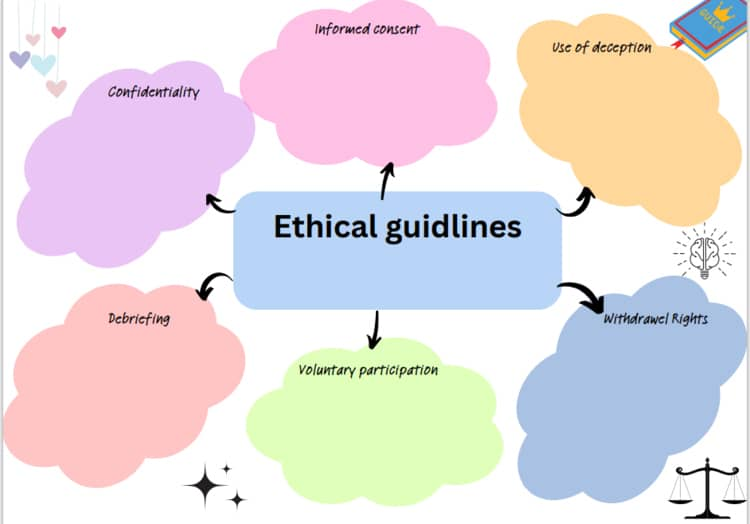
Ethical guidelines: Voluntary Participation
Participants freely choose whether to take part in a study without any influence from the researcher
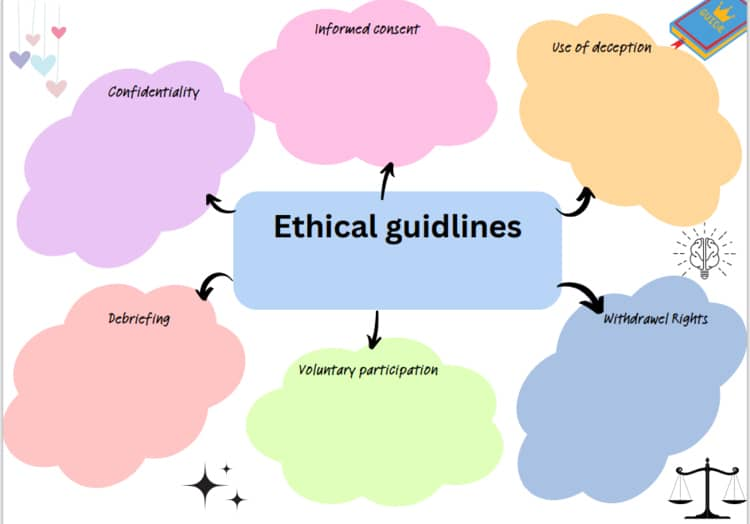
Ethical guidelines: Withdrawal Rights
Allow participants to stop their involvement in a study at any time