Fungi
 Call Kai
 Learn
 Practice Test
 Spaced Repetition
 Match
 Flashcards
 Knowt Play
1/13

There's no tags or description
Looks like no tags are added yet.
14 Terms
How to differentiate Basidiomycetes?
-Most have clamp connections between the septums, where nuclei can be transferred from one hyphal cell to the next
What key differences lie between fungi and plants/animals?
-They store energy as glycogen, not starch
-Cells walls are made of chitin
-Reproduce asexually through spores, but are rarely seen in the sexual stage.
-Heterotrophic, they absorb nutrients from others
-Spores are non-motile, they can’t move on their own
When does the lifecycle begin in fungi?
Sexual spores.
Where does growth occur in mycelium?
The hyphal tips, causing them to expand radially
What are the 4 fungi phylums that are commonly plant pathogenic?
Basidiomycetes, Ascomycetes, Chytriodiomycetes, and Zygomyctes
Distinctive characteristics of Zygomycota
-Have egg yolk spores (Zygospores)
-Sporangiospores are asexual
-The resting spore is thick walled, formed by the fusion of gametangia

Distinctive characteristics of Basidiomycota
-Club shaped basidiums that hold the sexual spores, the basidiospores
-Typically have 4 basidiospores per basidium

What are the different ways fungi can survive?
-In perennial hosts adjacent to target host
-Form resting spores (thick-walled chlamydospores)
-As fruiting bodies (conks)
-As sclerotia (melanized structures that protect from UV)
-In or on infested plant material
-As saprophytes in soil/leaf litter, so they can overwinter
Methods by which fungi disperse spores
-Dry spores through air
-Sticky spores for contact/vectors
-Zoospores for water media, like Chytrids
-Insect vectors, typically short-lived
Distinctive characteristics of Chytrids
-Flagellated, one of the few that are motile (zoospores)
-Most are NOT plant pathogens, usually biotrophic
-Known to reproduce sexually and asexually
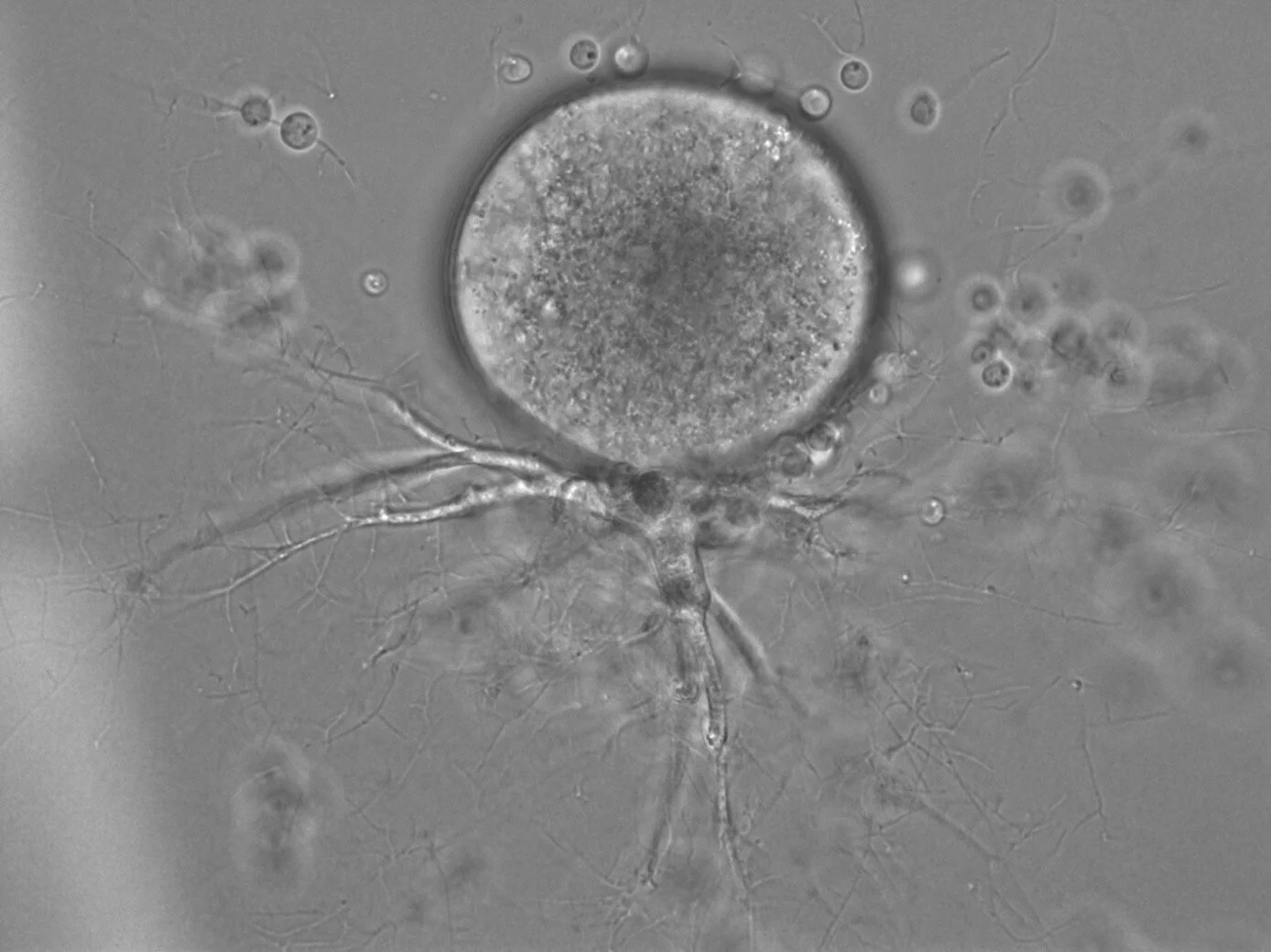
Distinctive characteristics of Ascomycetes
-Septated mycelium
-Have both sexual and asexual reproductive stages
-Can survive without finishing sexual stage
-Sexual spores (ascospores) found inside an ascus
-Ascocarps or fruiting bodies release spores by cracking or through an ostiole (opening)
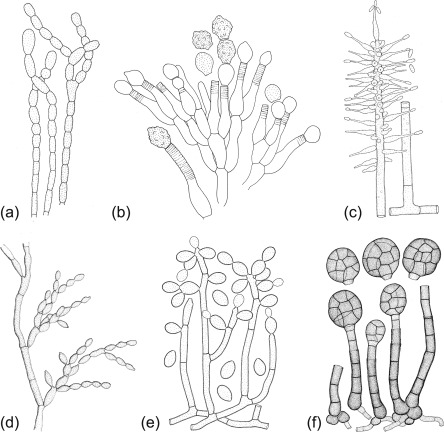
What are some management options for fungal diseaes?
-Avoidance (not planting in that area/plant during a different time)
-Exclusión (using pathogen free seeds, quarantine)
-eradication (removing infected debris)
-Fungicides
-Pruning infected tissues, resistant varieties
What are the different fungicide modes of action?
Disrupting Cell membrane synthesis
Disrupting cell wall synthesis
Preventing mitosis/cell division
Blocks mitochondrial ETC
Disrupts nucleic acid and protein synthesis
How does resistance management work in fungicides?
You have to rotate the mode of action, not products!