Sonoran Desert Organisms and Minerals
 Call Kai
 Learn
Learn Practice Test
 Spaced Repetition
 Match
Match Flashcards
 Knowt Play
1/23

Earn XP
Description and Tags
Vocabulary flashcards covering desert flora, fauna, geological formations, and minerals based on the lecture notes.
Name | Mastery | Learn | Test | Matching | Spaced | Call with Kai | Chat |
|---|
No analytics yet
Send a link to your students to track their progress
24 Terms
A giant green icon of the Sonoran Desert featuring pleated accordion ribs; takes up to 75−100 years to grow its first arm and provides nesting sites for cactus wrens and woodpeckers.
Saguaro Cactus (Carnegiea gigantea)

An Asparagaceae succulent shaped like a giant rosette with sharp saw-toothed leaf edges; it lacks spiny bumps/areoles, grows for decades, blooms once, and then dies.
Agave / Century Plant

A segmented cactus with cylindrical stem joints that easily break off and sharp barbed spines that cling to fur, giving it the appearance of jumping; despite looking soft, it is spiky.
Teddy Bear Cholla Cactus

A pad cactus composed of flat, broad green pads covered in spines that produces edible red/purple fruits called tunas and serves as food for javelinas and tortoises.
Prickly Pear Cactus

A round cylinder-shaped cactus with deep ridges and sharp spines that curve like fishhooks to protect stored water; naturally leans south, serving as a compass.
Fishhook Barrel Cactus

A tiny ground cactus that stays close to the soil with spine clusters resembling sewing pincushions; produces giant bright pink/red flowers after rain.
Pincushion / Hedgehog Cactus

A heavy, slow-moving venomous lizard (Helodermatidae) with pink and black beaded scales that stores survival fat inside its thick tail.
Gila Monster

A venomous lizard (Helodermatidae) with dark beaded scales that spends most of its life in underground burrows and delivers venom through teeth in its lower jaw.
Mexican Beaded Lizard

A venomous pit viper with a striped pattern on its tail, heat-sensing pits for hunting, and interlocking keratin rings that create a loud buzzing warning sound.
Western Diamondback Rattlesnake

A non-venomous colubrid snake featuring distinct banded stripes that hunts and consumes other venomous snakes due to its immunity to rattlesnake venom.
Desert Kingsnake

Desert Tortoise
A land tortoise featuring a thick high-domed shell and heavy digging legs; excavates deep underground burrows and enters a winter dormancy called brumation.

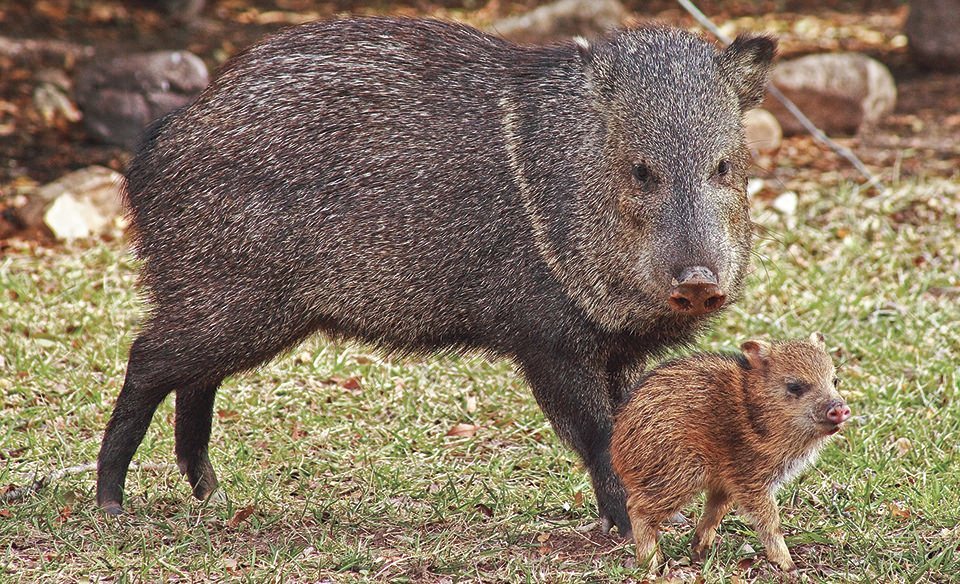
Javelina (Collared Peccary)
A warm-blooded mammal resembling a small wild pig that travels in family herds and feeds on prickly pear cacti, including the spines.

Cactus Wren
The official state bird of Arizona (Troglodytidae) that sings loud cheerful songs across the desert and builds curved nests inside saguaro cactus arms.

Costa's Hummingbird
A tiny desert bird (Trochilidae) with brilliant purple head feathers that feeds on wildflower nectar and hovers by beating its wings dozens of times per second.

Gila Woodpecker
A desert woodpecker equipped with a strong chisel-shaped beak that excavates round entrance holes into living saguaro cactus stems, which dry into saguaro boots.
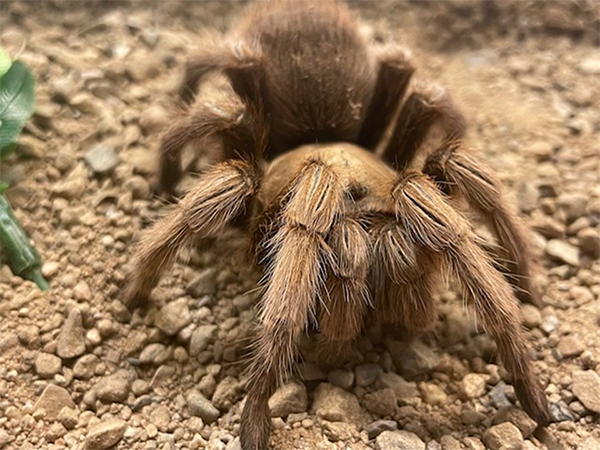
Desert Blonde Tarantula
A large hairy burrowing arachnid (Theraphosidae) that hunts insects and small lizards at night using touch-sensitive hairs; its venom is mild to humans.

Queen Butterfly
A brush-footed desert butterfly (Nymphalidae) with vibrant orange and black wings resembling a Monarch; its caterpillars consume desert milkweed to become toxic.

Sea Anemone
A soft-bodied marine invertebrate predator (Cnidaria) resembling a plant that uses stinging tentacles to protect clownfish in coral reefs and aquariums.
Malachite
A brilliant green carbonate mineral associated with copper ore deposits that features smooth swirling light and dark green stripes and is carved into jewelry.
Pyrrhotite
A heavy metallic sulfide mineral composed of iron and sulfur with a shiny bronze luster; known as magnetic pyrite, its Greek name translates to fire-colored.
Quartz
A common hard silicate mineral in the Earth's crust that forms clear six-sided crystal prisms or amethyst and rates 7 on the Mohs hardness scale.
Calcite
A soft carbonate mineral that rates 3 on the Mohs hardness scale and fizzes with acid; it appears in diverse crystal shapes and colors and forms limestone and stalactites.
White Stone with Dendrites
A geological formation consisting of white stone with dark branch-like patterns created by manganese fluids infiltrating cracks rather than plant fossils.
Fossil
The preserved remains or impressions of prehistoric organisms buried inside sedimentary rock from millions of years ago, studied by paleontologists.