Gen Psych Social Psych
 Call Kai
 Learn
 Practice Test
 Spaced Repetition
 Match
 Flashcards
 Knowt Play
1/76

There's no tags or description
Looks like no tags are added yet.
77 Terms
Social Psychology
studies how a persons thoughts, feelings, and behavior are influenced by the presence of other people and by the social and physical environment

Sense of self
Who you are in relation to others,which is influenced by social, cultural, and psychological experiences
Person perception
The mental processes we use to form judgments and draw conclusions about the characteristics of other people
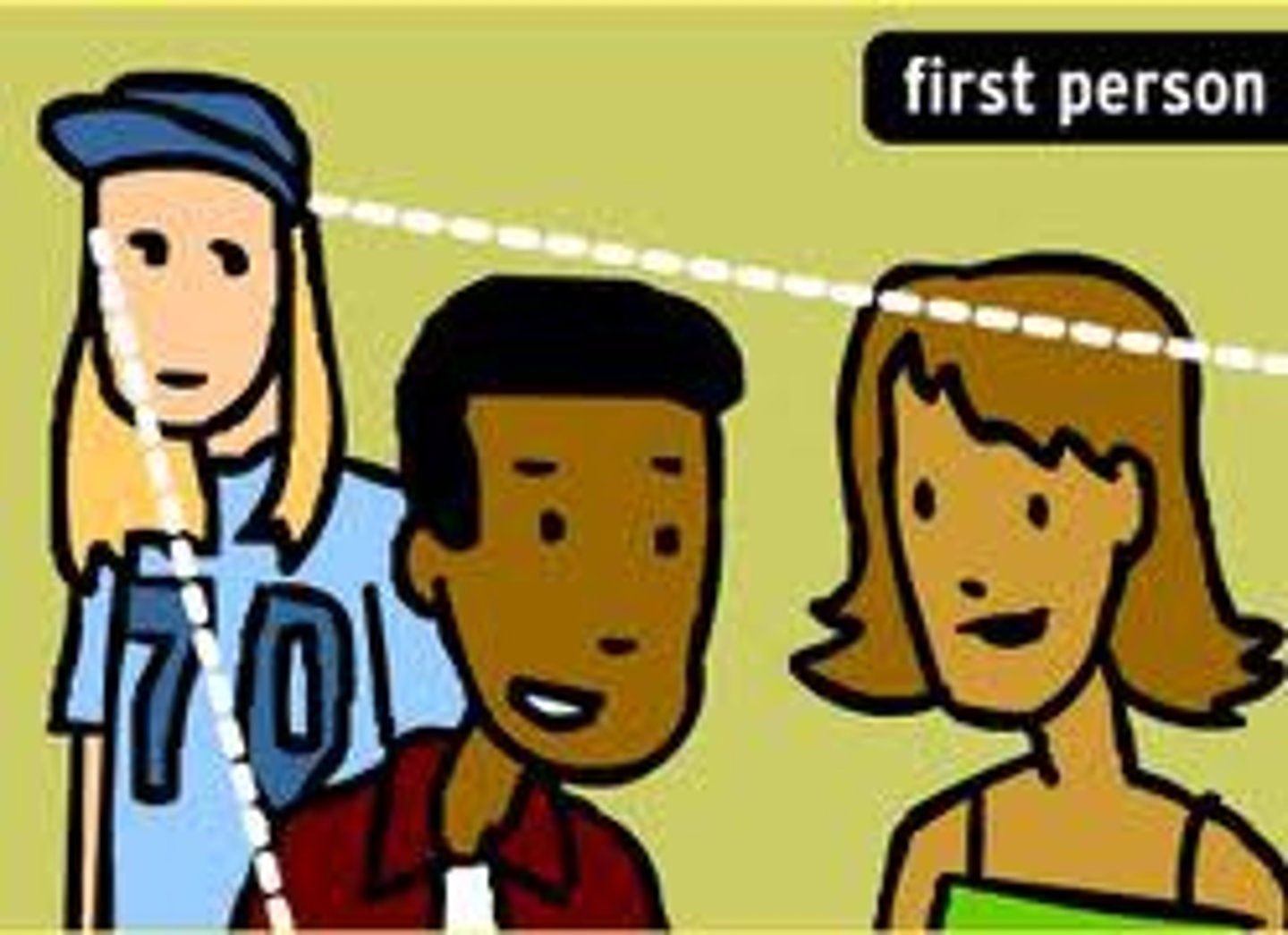
1st Key component that influence decisions
Your reactions to others are determined by your perceptions of them, not by who they really are
2nd component that influence decisions
projection
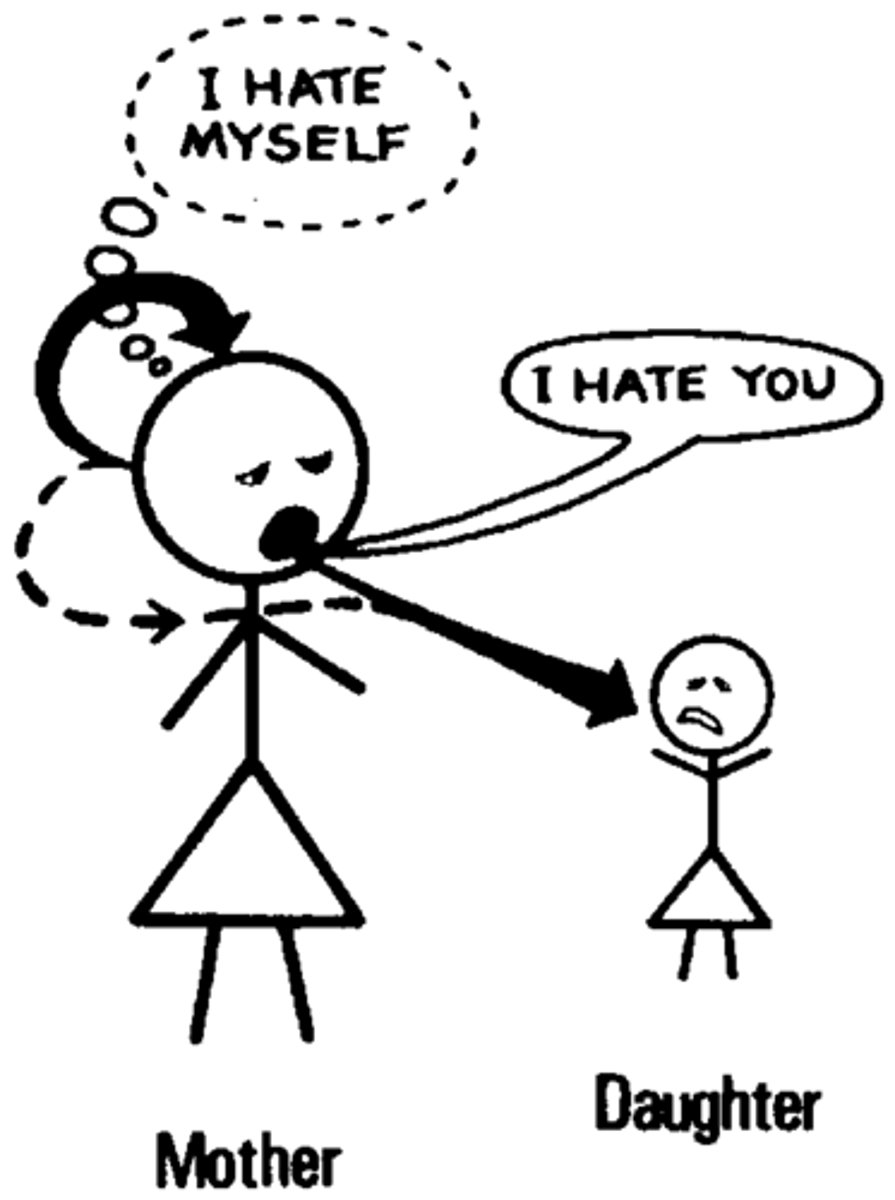
3rd component that influence decisions
Your goals in a particular situation determine the amount and kinds of information you collect about others.
4th component that influences decisions
You evaluate people partly in terms of how you expect them to act. (Social Norms)
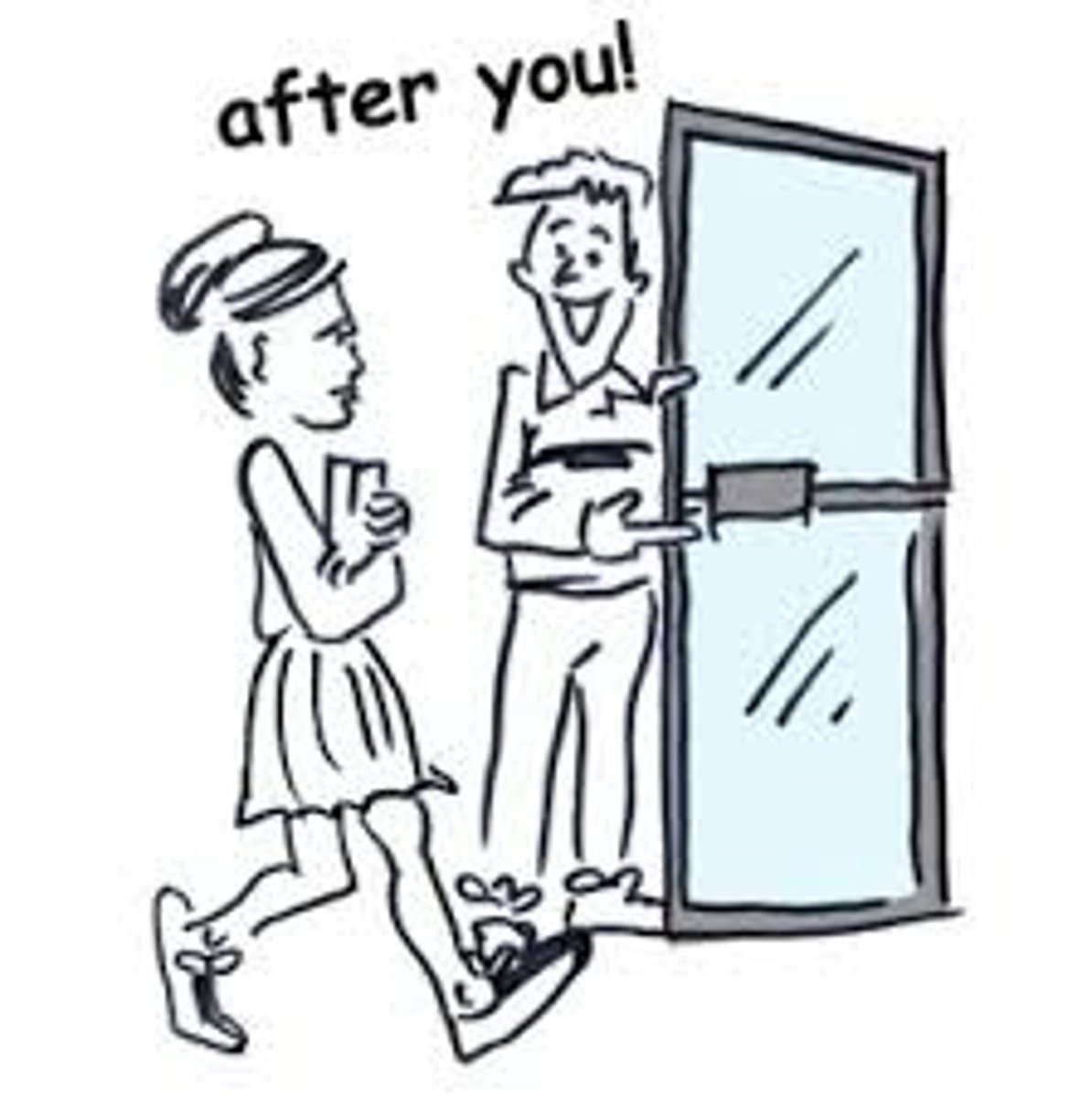
Remember....first impressions are often wrong. The result, the ___________________. makes it difficult to allow new information (if given the opportunity to received new information) to provide a more accurate view.
The Halo Effect

Social Norms
The "rules," or expectations, for appropriate behavior in a particular social situation.

social categorization
The mental process of categorizing people into groups based on their shared characteristics (conscious or unconscious)

Explicit Cognition
conscious, deliberate judgement, decisions and reasoning
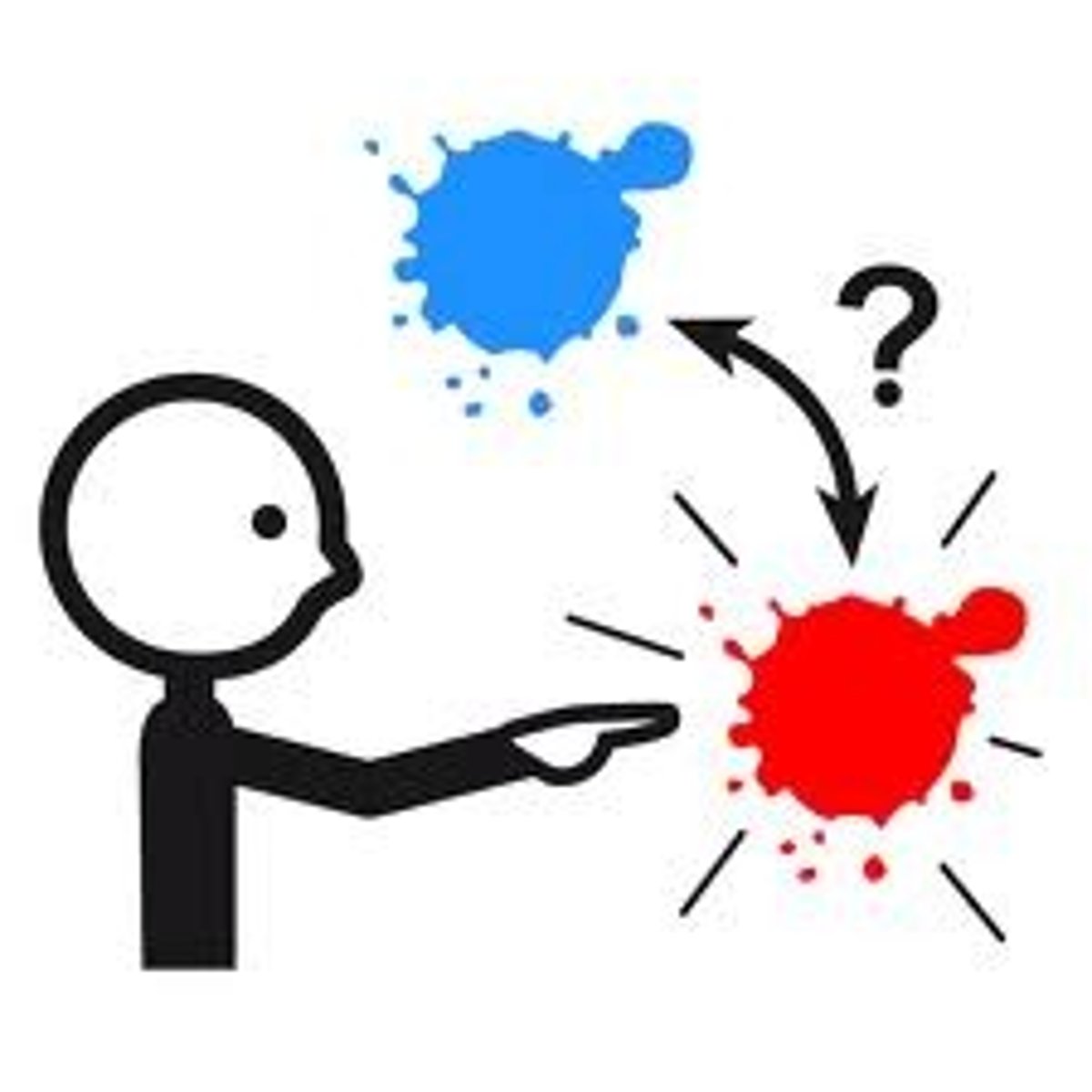
Implicit Cognition
automatic, unconscious mental processes that influence perceptions, judgments, decisions, and reasoning
Implicit personality theory
A network of assumptions or beliefs about the relationships among various types of people, traits, and behaviors.
True or false: There may be evolutionary origins for our automatic reactions to others.
True
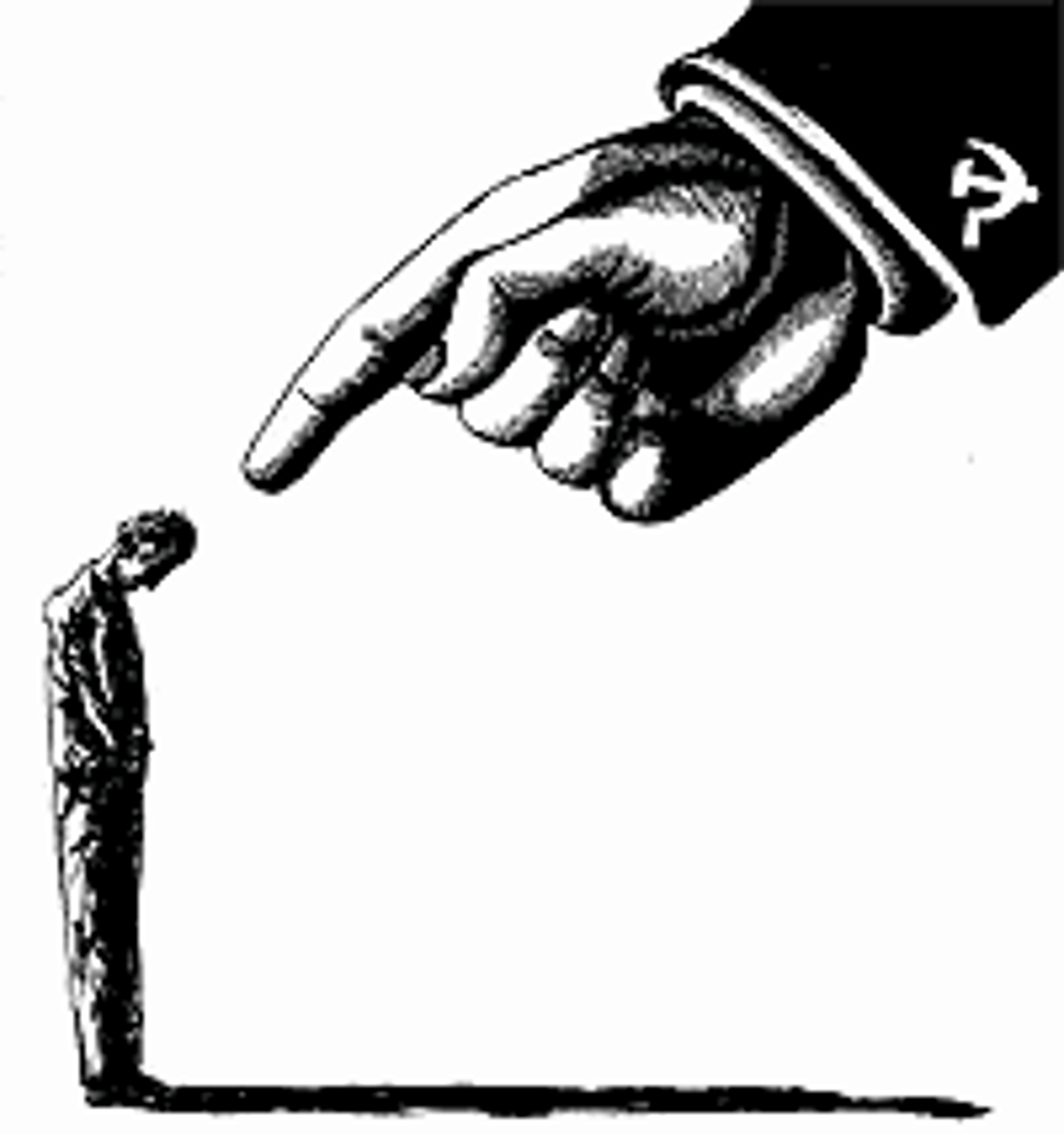
Attribution
The process of inferring one's own behavior and the behavior of others
Who proposed the attribution theory?
Fritz Heider (1958)
Attribution Theory
the theory that we explain someone's behavior by crediting either the situation or the person's disposition
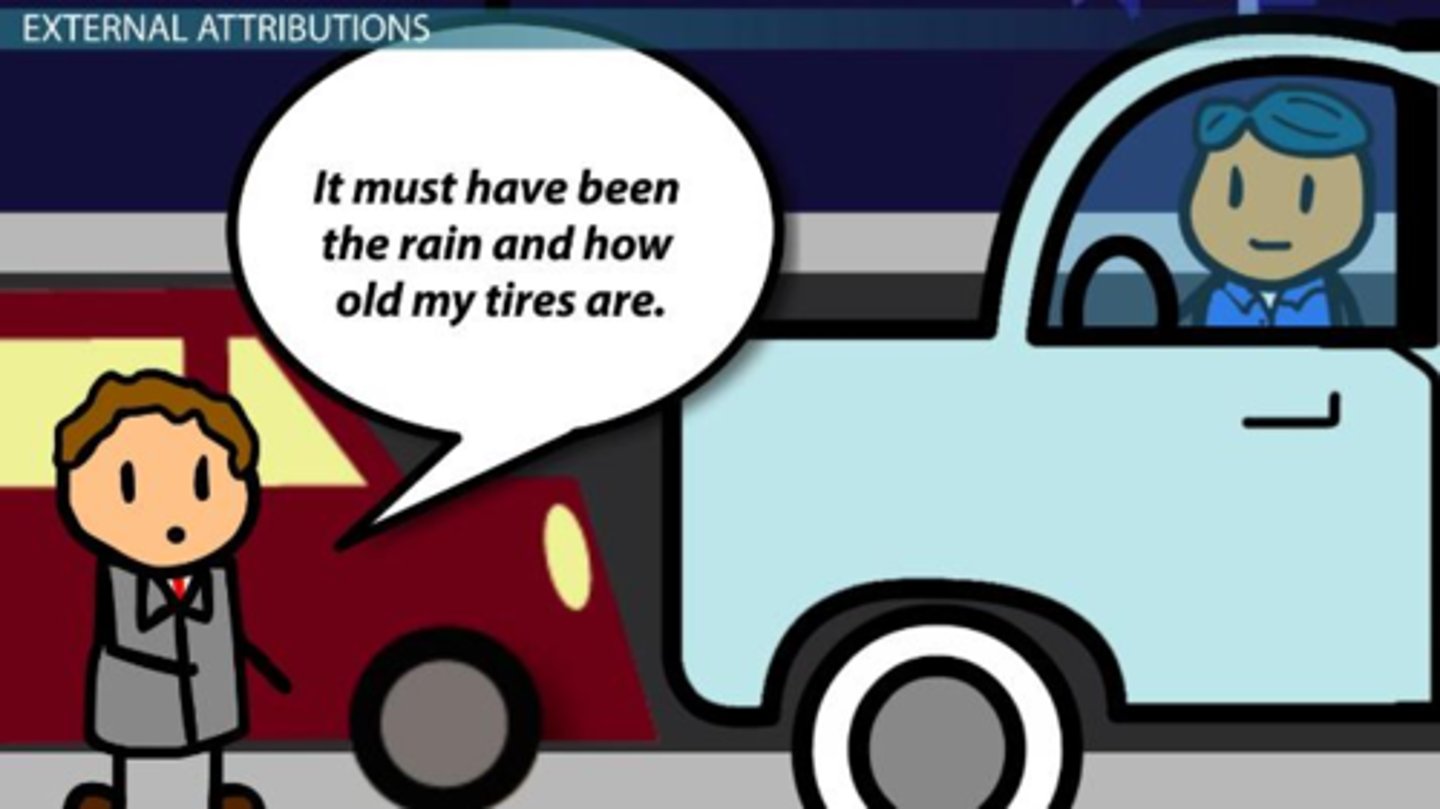
Situational Attribution
blame the situation
Internal attribution (dispositional)
blame the person
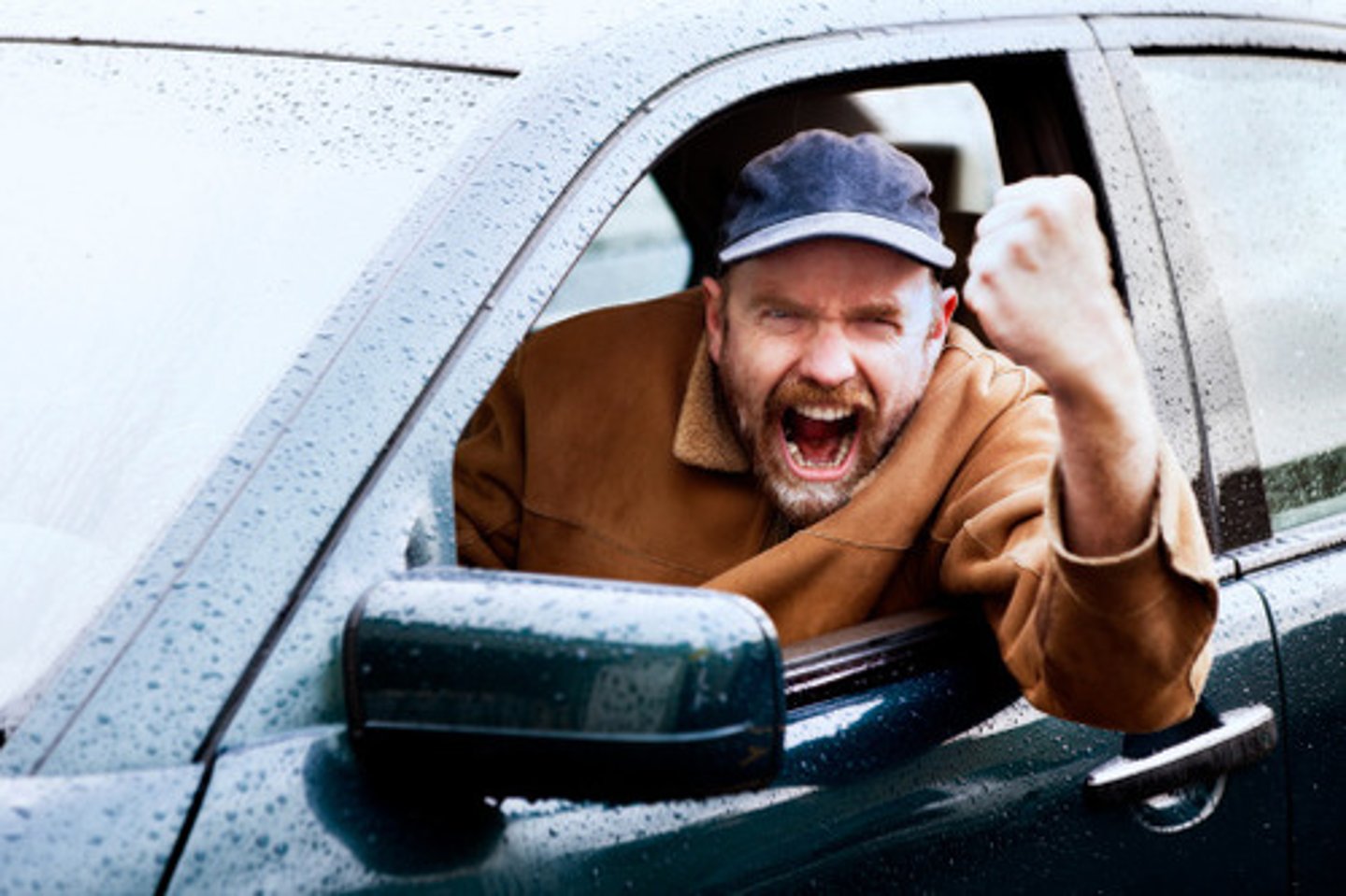
fundamental attribution error
when you blame someone’s personality or character (internal cause) for their actions without considering the situation (context).
Fundamental Attribution Error vs Internal Attribution
All FAE includes internal attribution (judgement),
but internal attributions are only FAE when context is ignored.
attitudes
feelings, based on our beliefs, that predispose us to respond in a particular way to objects, people, and events
3 components of attitude
emotional, behavioral, cognitive
________ can affect actions, though __________ can affect attitudes as well.
Attitudes, actions
___________ affects attitudes.
role playing
Cognitive Dissonance
unpleasant mental experience of tension resulting from two conflicting thoughts or beliefs
_____________ affects attitudes. (what we do, we become)
role playing
______________ can be seen in our conformity, our compliance, and our group behavior.
Social influence
__________ is why we we rationalize bad behavior because we want to reduce discomfort (dissonance)
Cognitive Dissonance

When does cognitive dissonance typically occur?
When we become aware that our attitudes and behavior are in conflict.
Why do we rationalize our behavior, according to cognitive dissonance theory?
To reduce the discomfort (dissonance) we feel when our thoughts and actions are inconsistent.
What is an example of rationalization related to cognitive dissonance?
The "sour grapes" rationalization—convincing ourselves we didn't want something anyway because we couldn't have it.
According to cognitive dissonance theory, what can our actions lead us to do?
Change our attitudes to align with our actions.
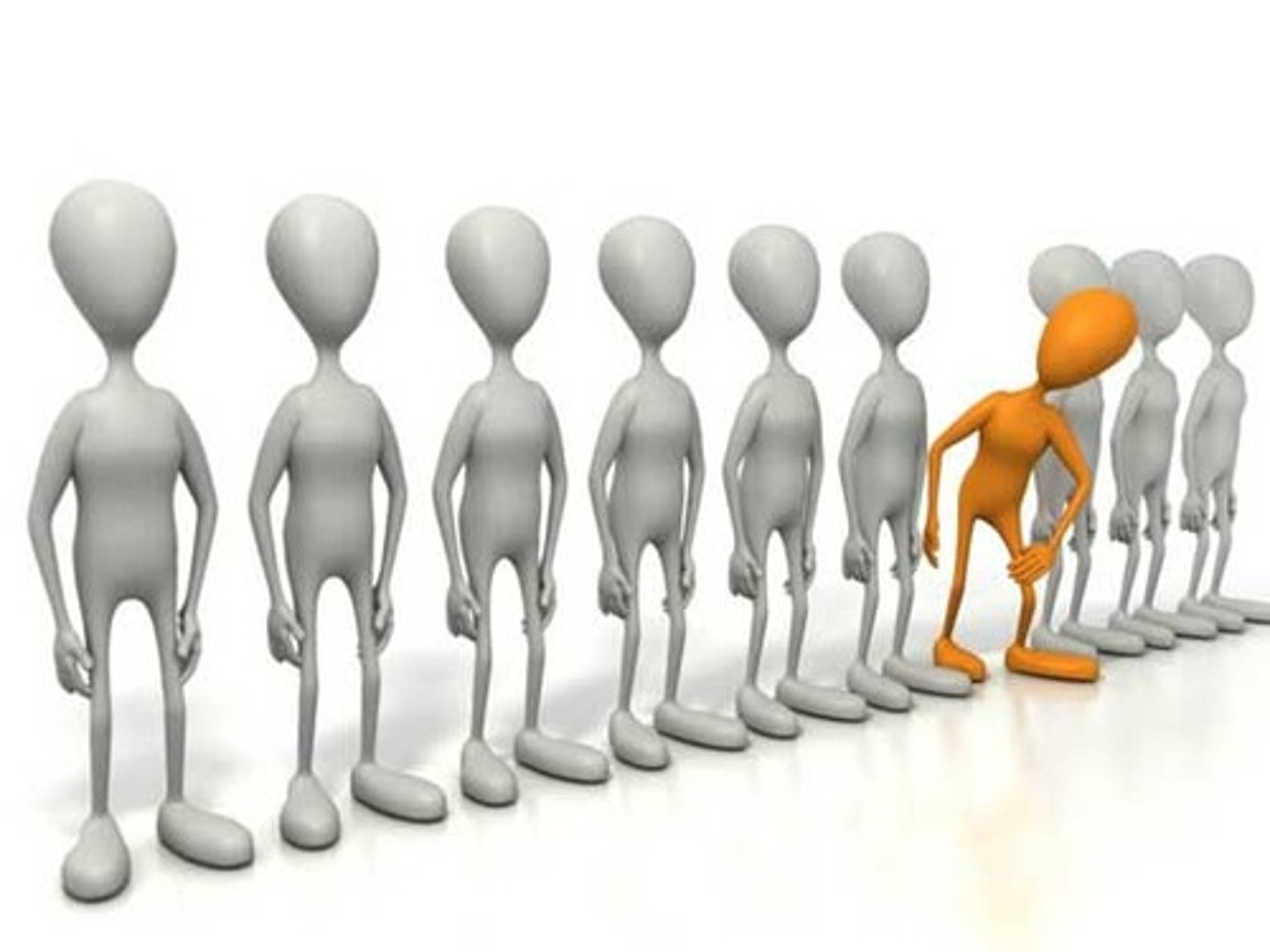
Conformity
Adjusting our opinions, judgments, and behavior so that they match others
When & where does conformity occur
-may happen early on in life but begins to peak in early adolescence
-takes place more often in collective cultures as opposed to individualistic cultures.
3 Reasons why we conform
1. You are strongly attracted to a group and want to be a member of it.
2. Your opinion is not the majority. (Involves at least 4 or 5 who are in agreement.)
3. It is difficult to speak out in front of a group.

all of the following had a strong influence on the participants willingness to obey the experimenter
1. A previously well-established framework to obey
2. Gradual, repetitive escalation of the task
3. Experimenter's behavior and/or reassurance
4. Physical and psychological separation
foot-in-the-door phenomenon
if you first agreed to a small request, you would later comply with a larger request.

2 Influences of Conformity
1.) Normative social influence
2.) Informational Social Influence
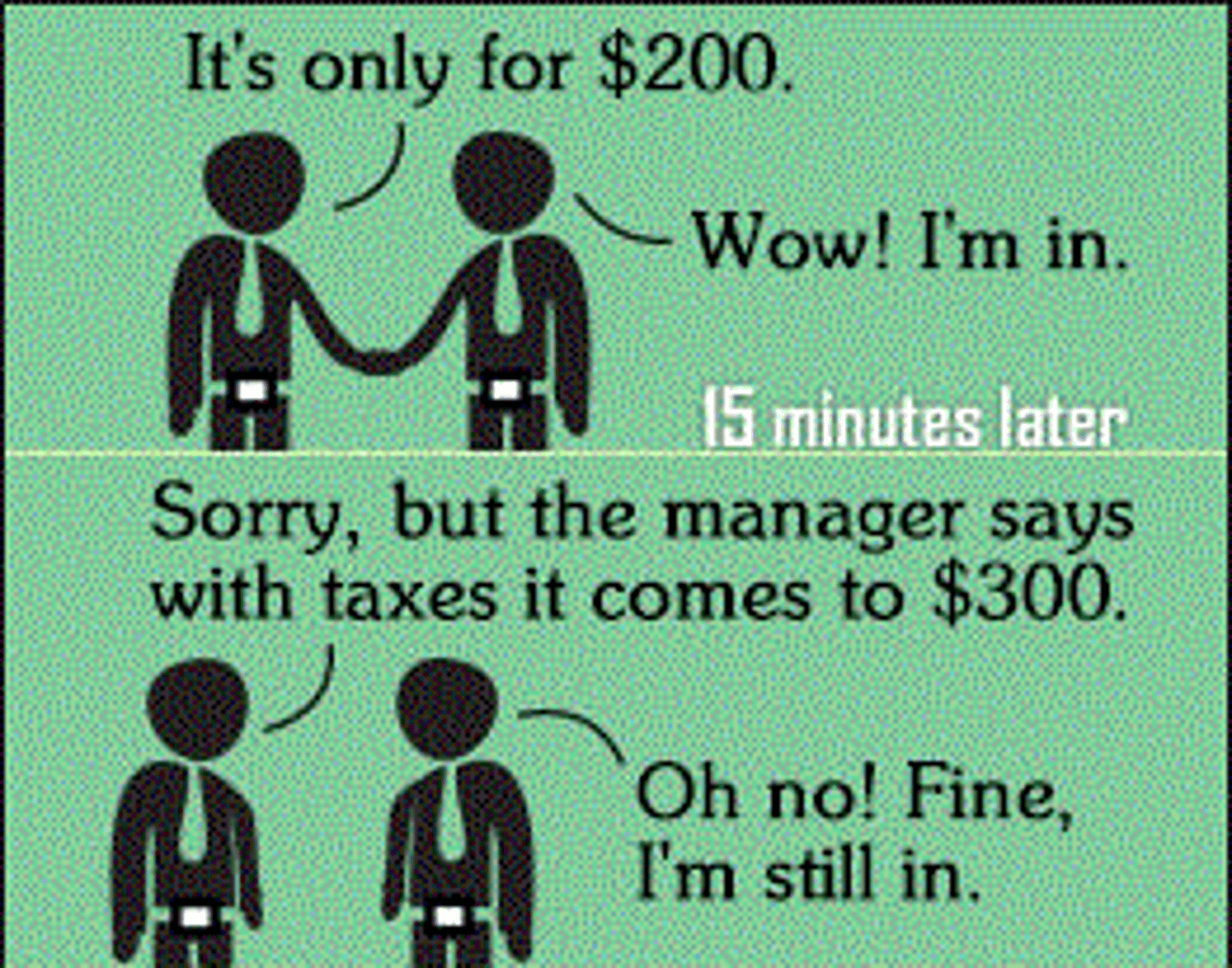
low-ball technique
the persuader gets a person to commit to a low-ball offer they have no intention of keeping, then the price is suddenly increased
Normative social influence
influence resulting from a person's desire to gain approval or avoid disapproval
Informational Social Influence
the influence other people have on us because we want to be right

Social Striving
(opposite of social loafing) increased individual effort in group settings
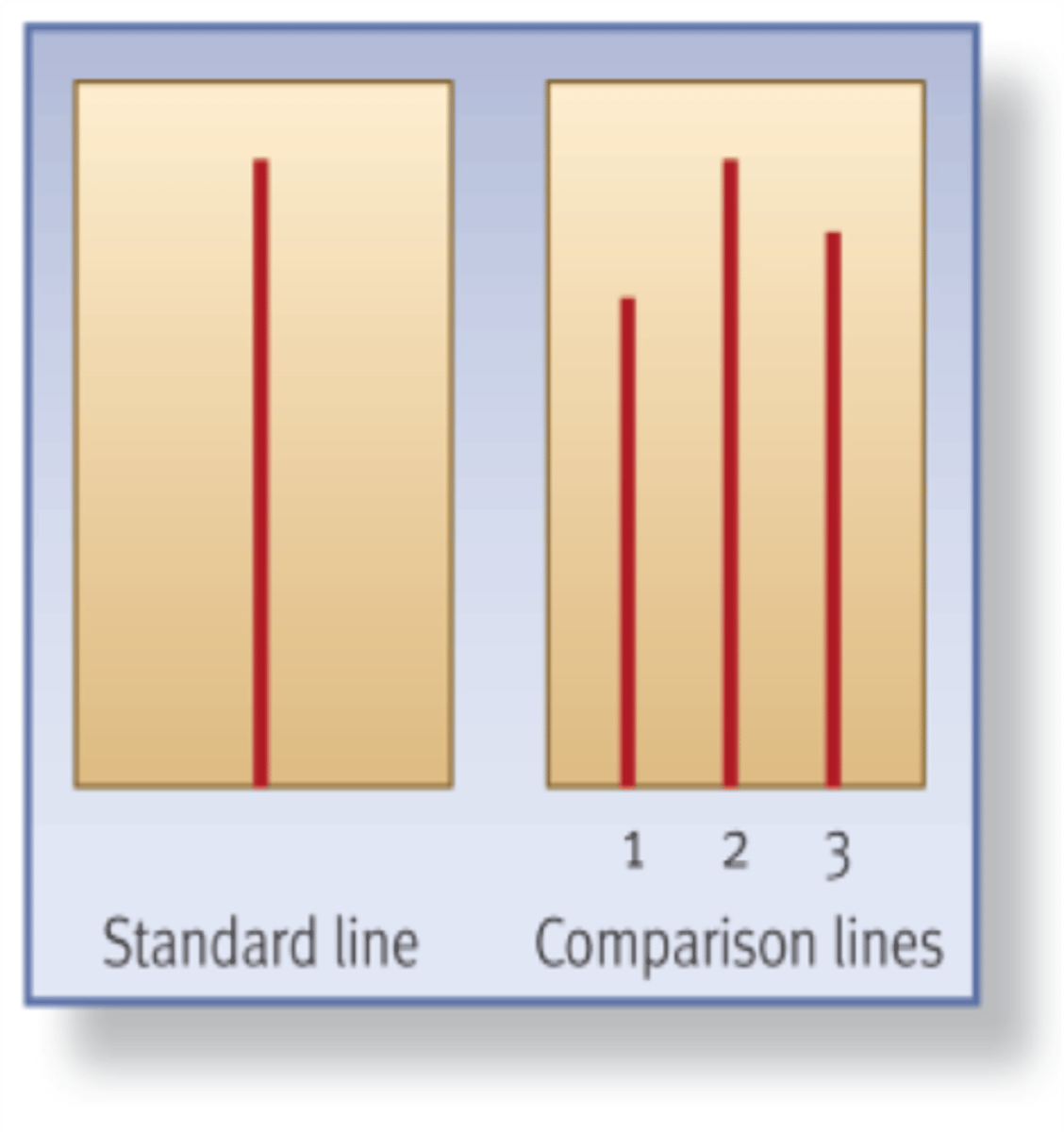
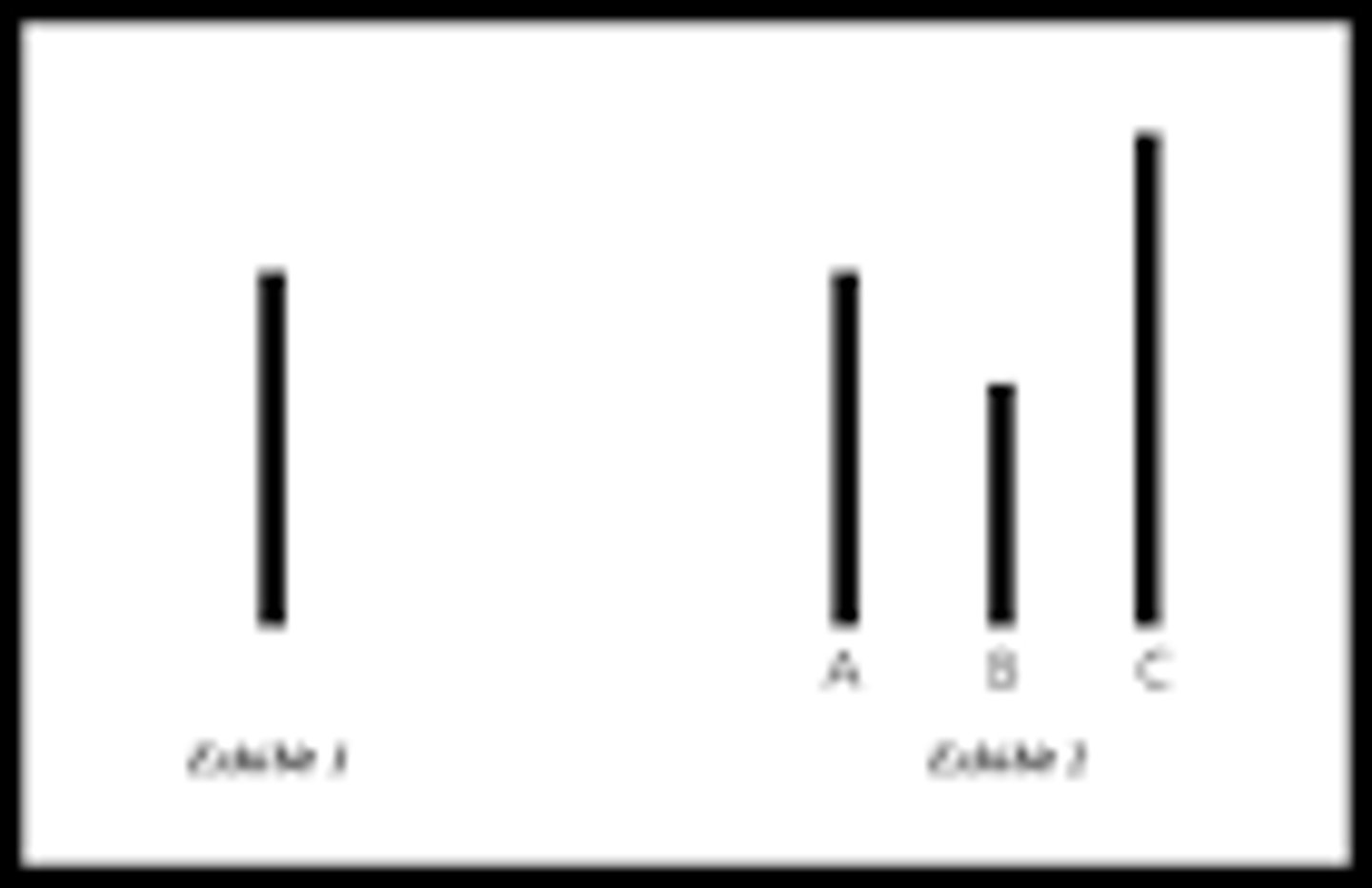
Soloman Asch Experiment
the experiment that asked which line was identical to X. (compliance test)
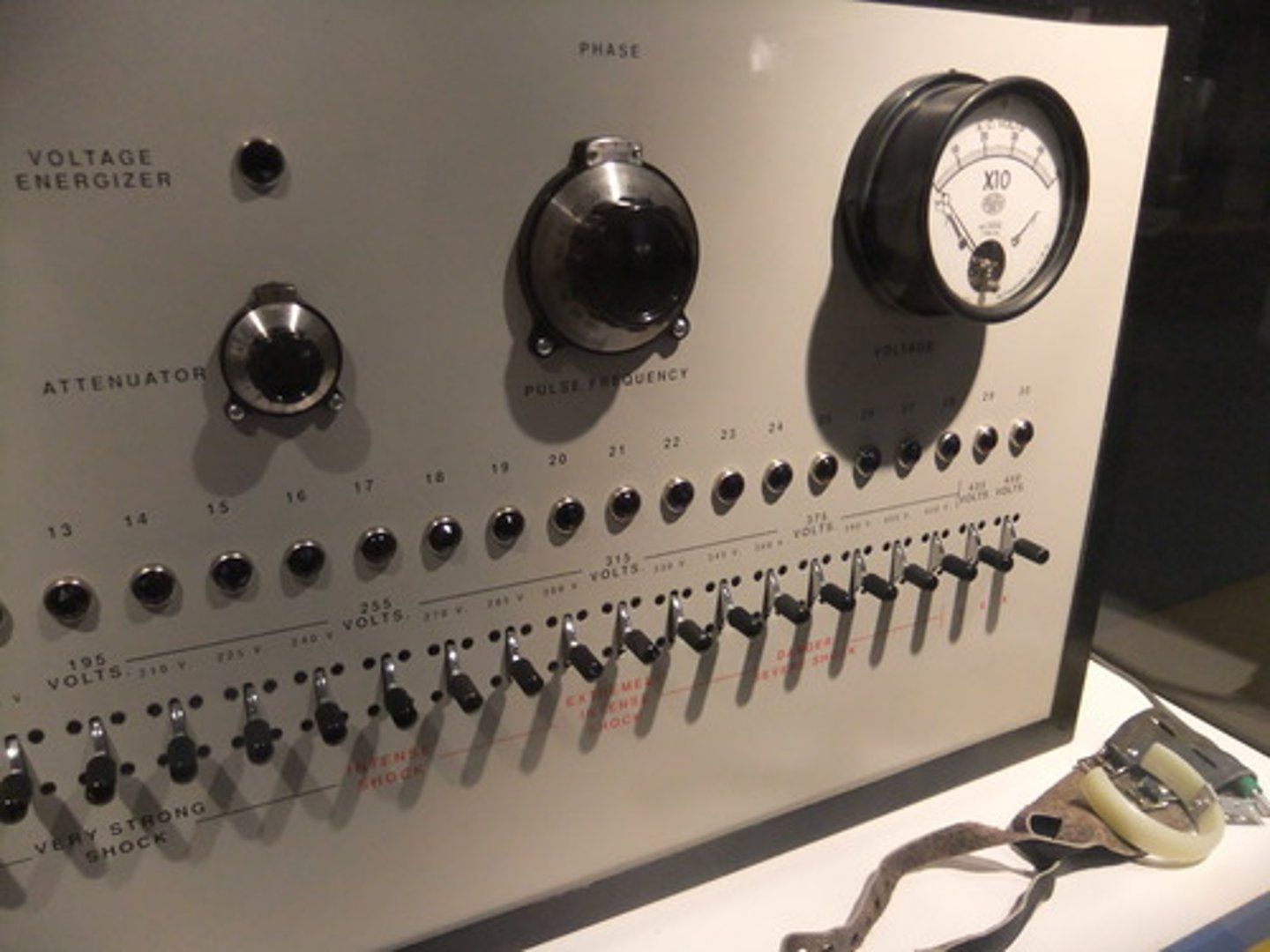
Milgram's Shock Experiment Results
1.) most complied to the very last shock
2.) People seemed to comply because orders were given by a legitimate authority figure
3.) Some did stop but only when teachers observed others refusal
4.) More likely to give shocks when teachers and learner when teachers and learner were in separate rooms
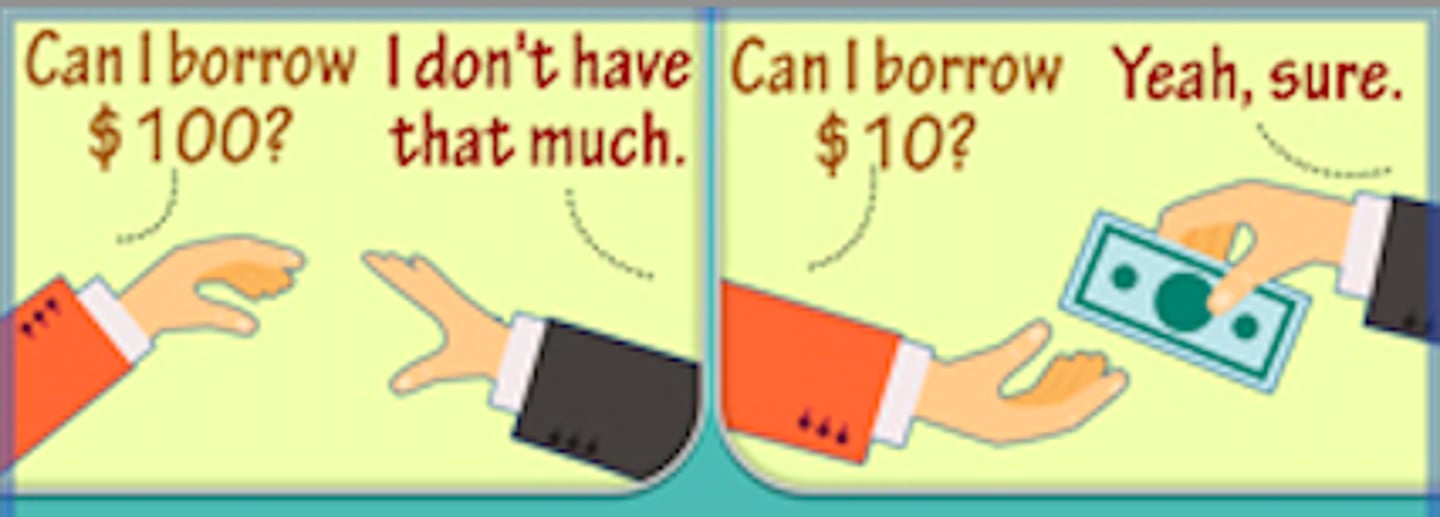
door-in-the-face technique
Persuasive technique involving making an unreasonably large request before making the small request we're hoping to have granted
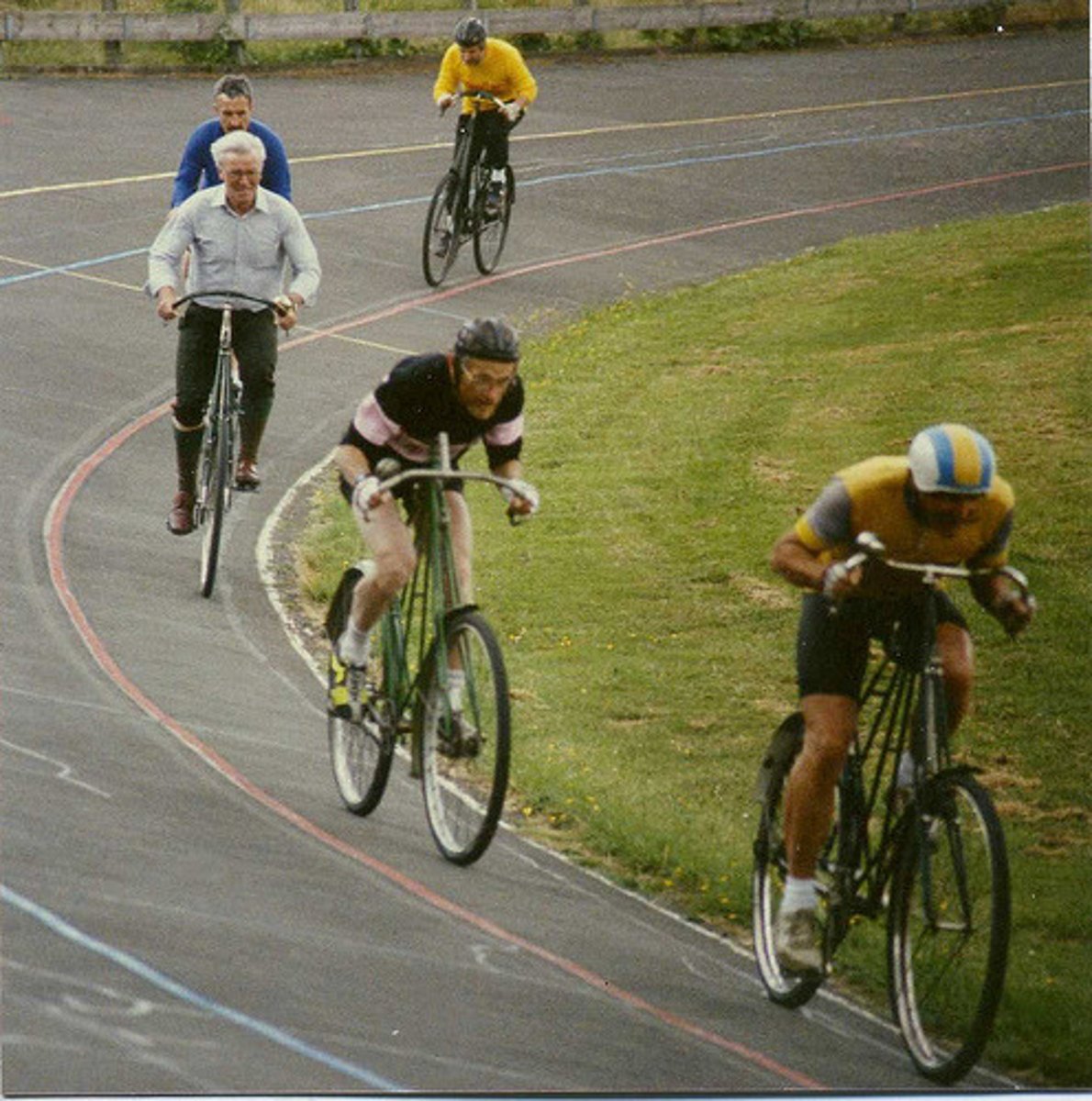
social facilitation
improved performance on simple or well-learned tasks in the presence of others
Social Loafing
The tendency for people in a group to exert less effort than they would working alone
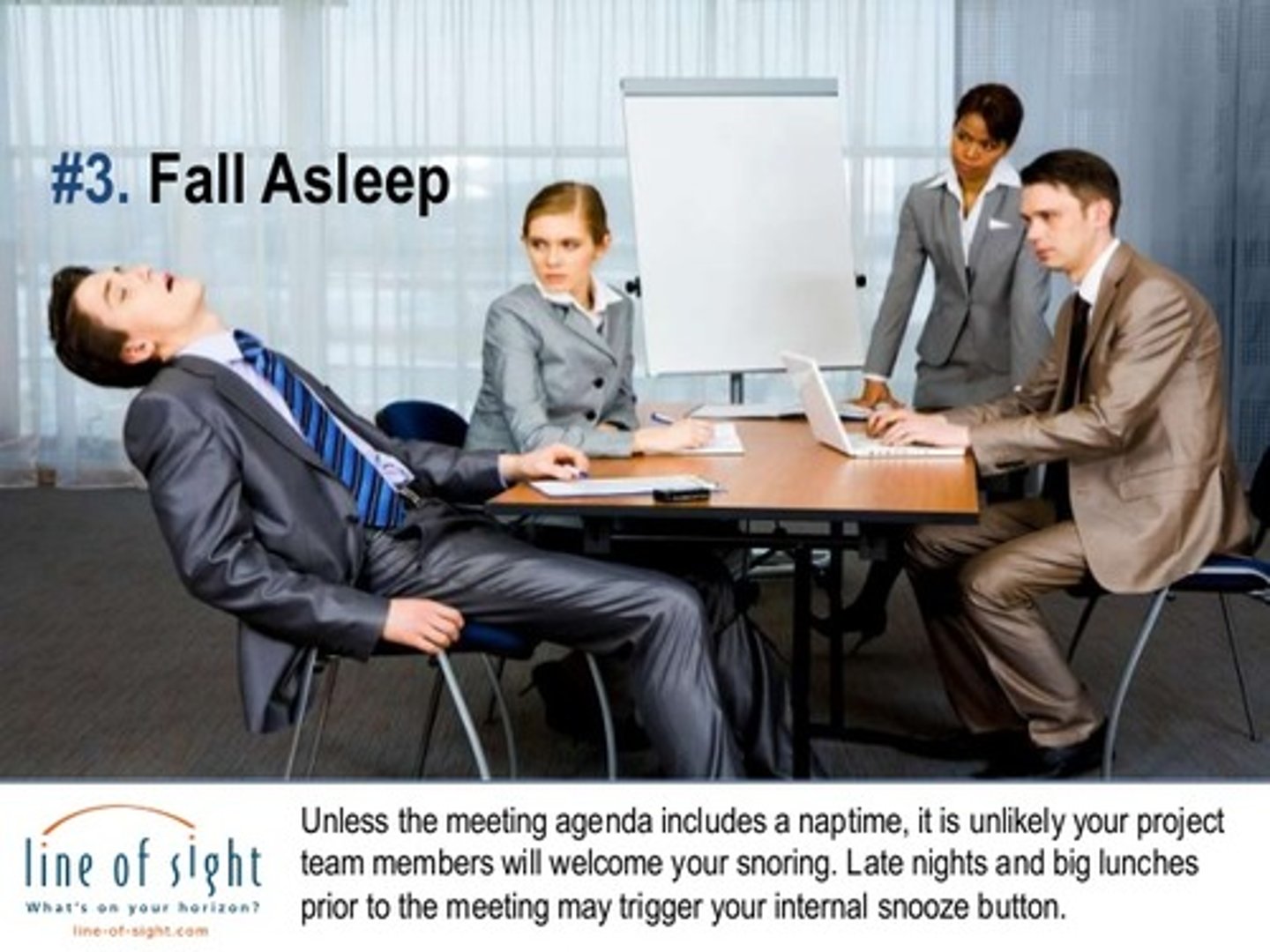
Deindividuation
abandon self-awareness and self-restraint in anonymous group situations
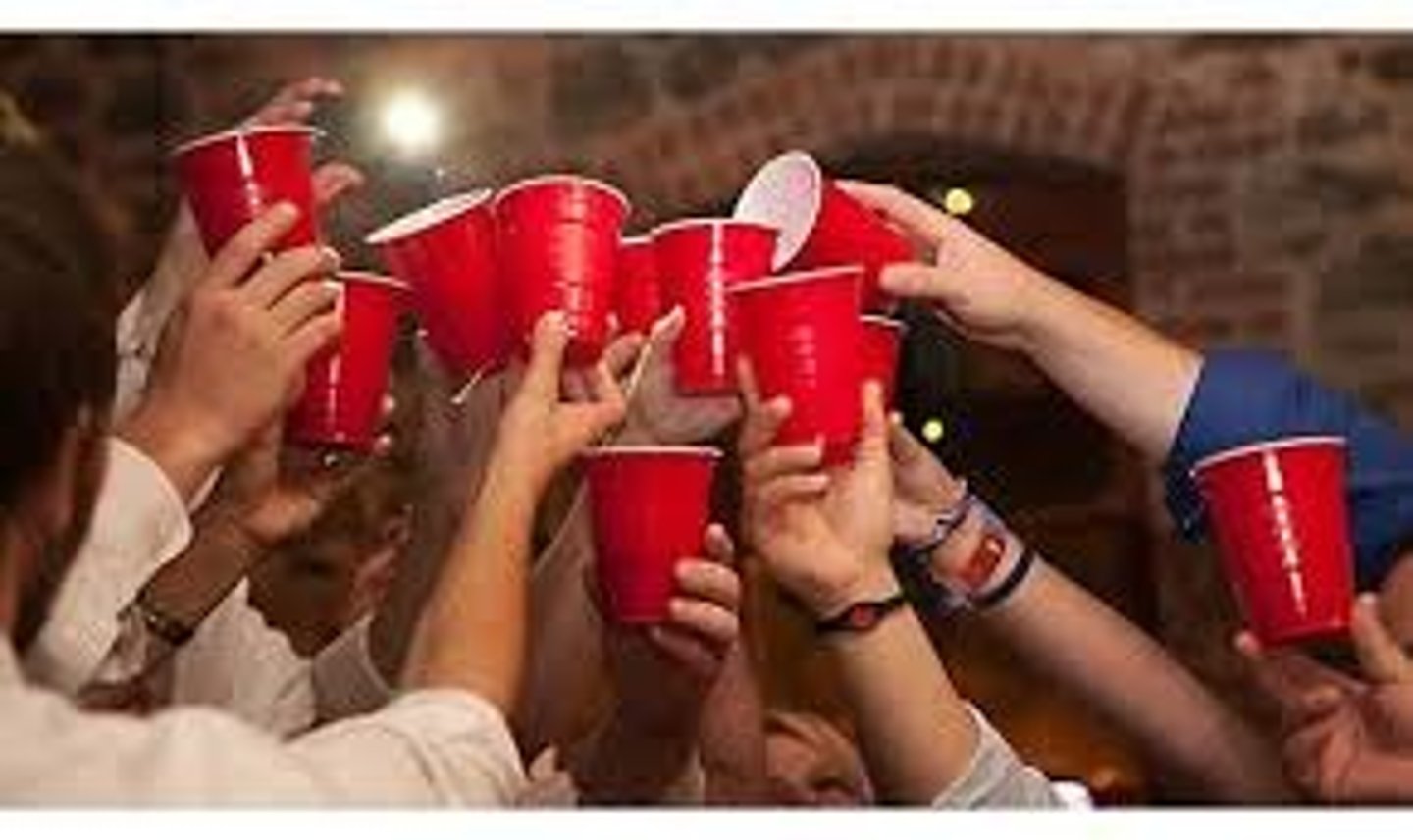
Group Polarization
groups that share opinions, ideas and attitudes become more extreme overtime.
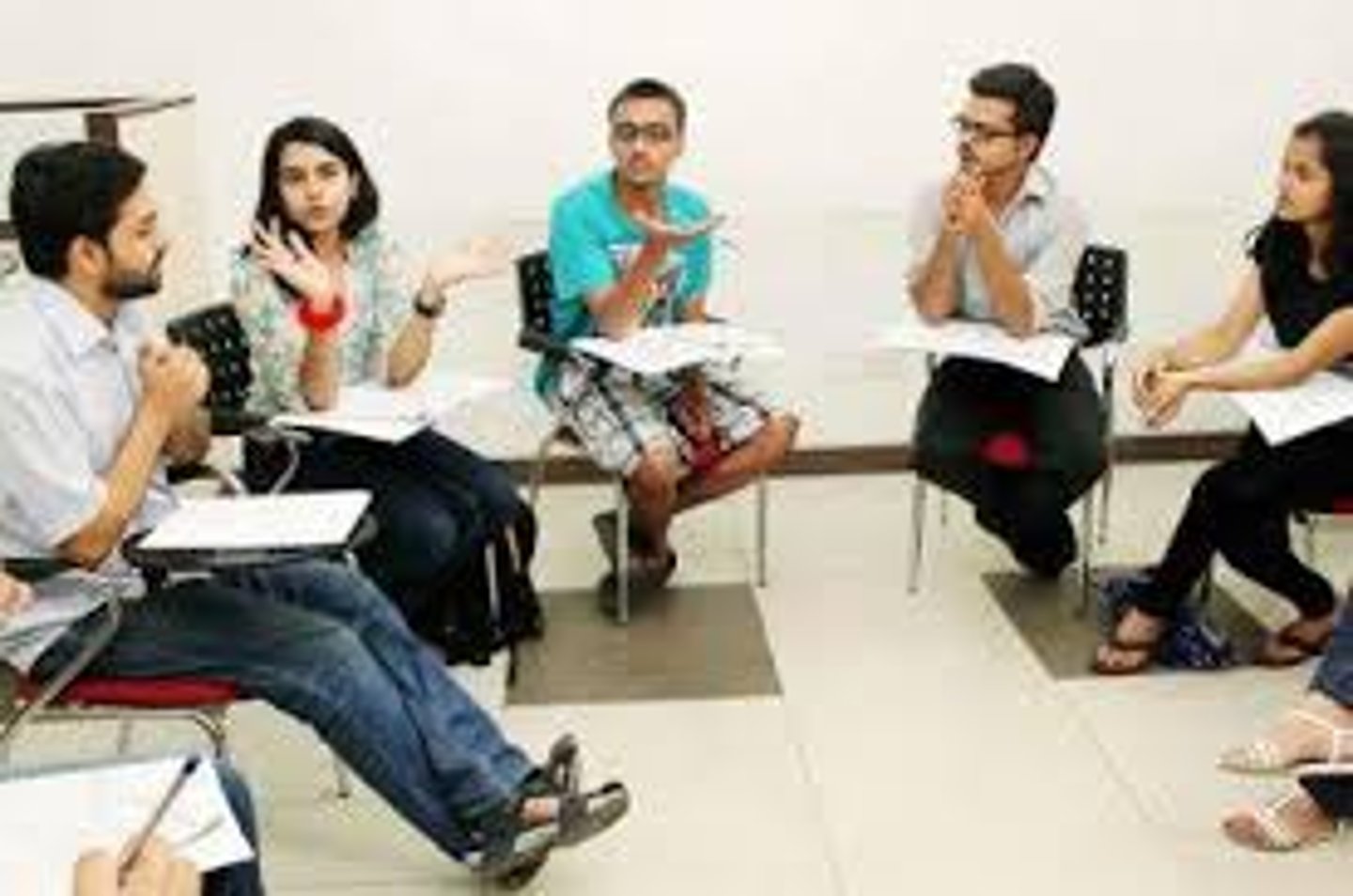
Group think
The mode of thinking that occurs when the desire for harmony in a decision-making group overrides a realistic appraisal of alternatives

Prejudice
"prejudgement" a negative attitude toward a specific group
Stereotypes
A generalized belief about a group of people
Discrimination
unjustifiable negative behavior toward a group and its members. Prejudice displayed behaviorally.
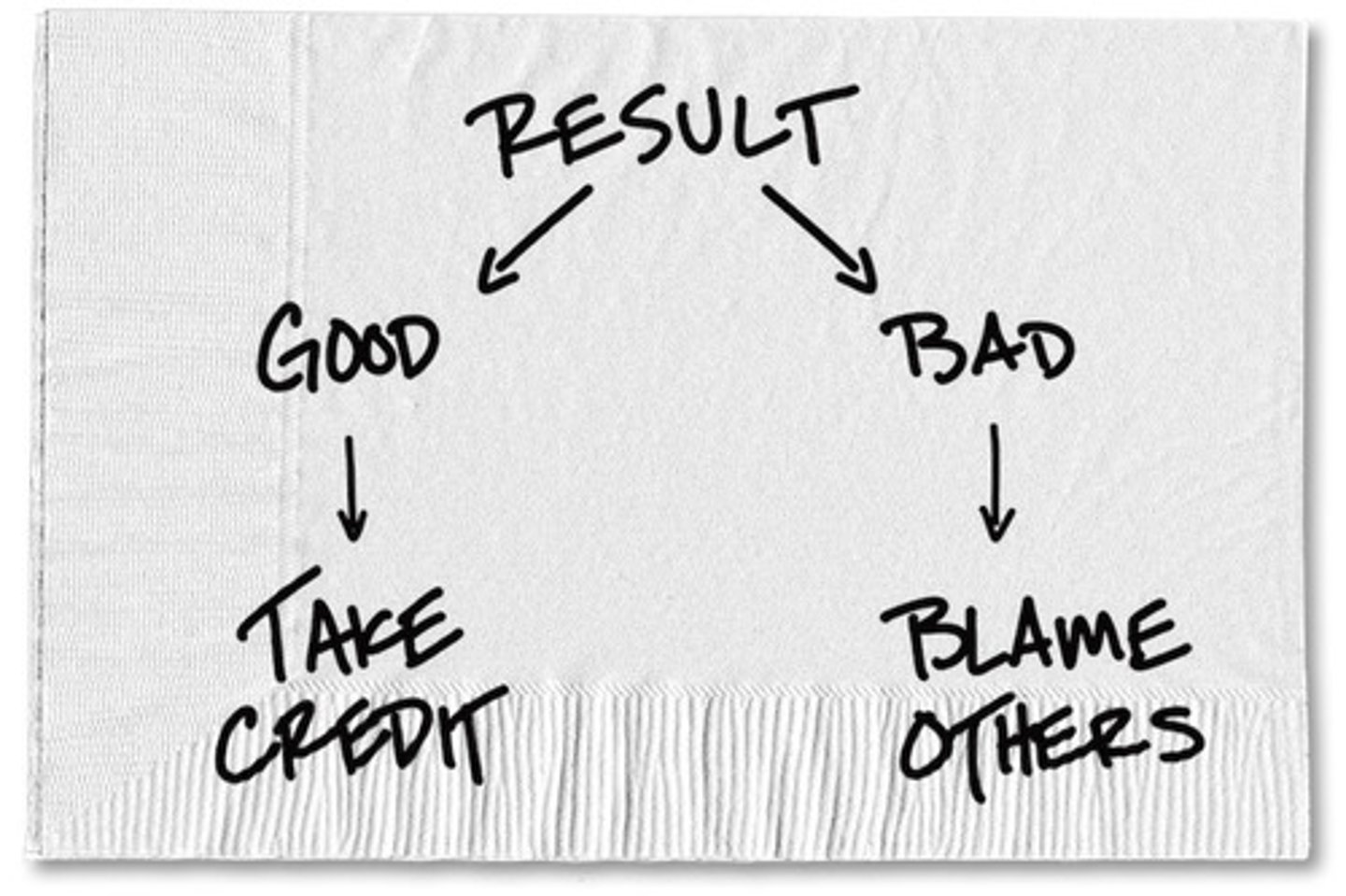
Self-serving bias
one's success attributes to internal factors and attribute their
failures to external factors/situations
In-group and Out-group
the tendency to perceive others in terms of two basic social categories
In group vs Out group
group you belong to: in-Group
group you don't belong to:
out-group
Research indicates there is no evidence that prejudicial attitudes can be changed due to the ________________
ingroup outgroup phenomenon
Ethnocentrism
belief in the superiority of one's culture or ethnic group
Out-group homogeneity effect
the tendency to see members of out-groups as very similar to one another
In-group bias
the tendency to favor our own group
(may cause one to believe their in-group is Heterogeneous: dissimilar or diverse, diverse in character or content)
the cross race effect
difficulty recognizing faces of people from a different race
Why is there prejudice?
Scape goat theory- offers an outlet by providing someone to blame
Blaming the victim- it's their fault causing it or for not avoiding it
Just world hypothesis- belief the people deserve what they get
"victims of the world deserve to suffer"
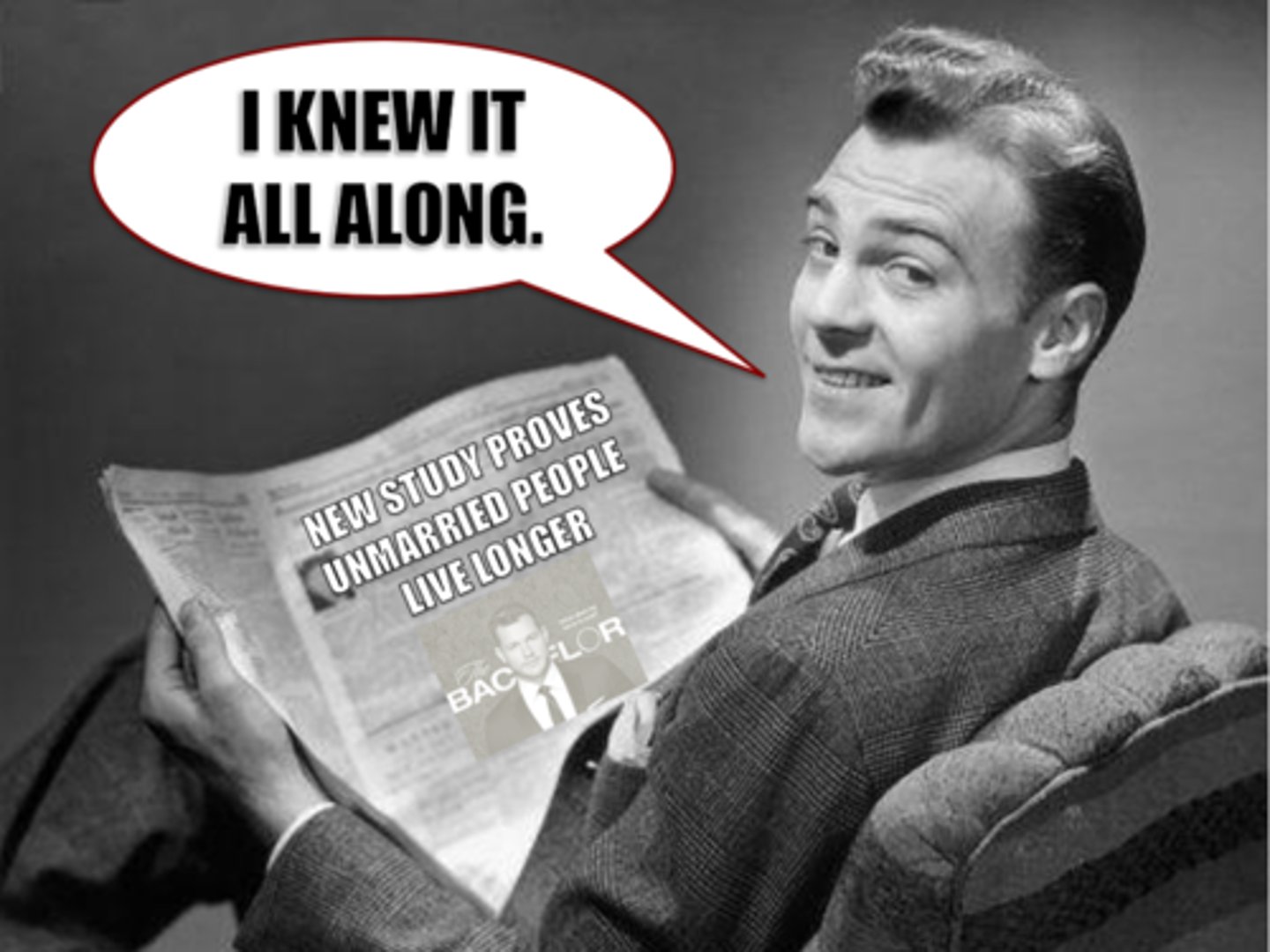
Hindsight Bias
the tendency to believe, after learning an outcome, that one would have foreseen it
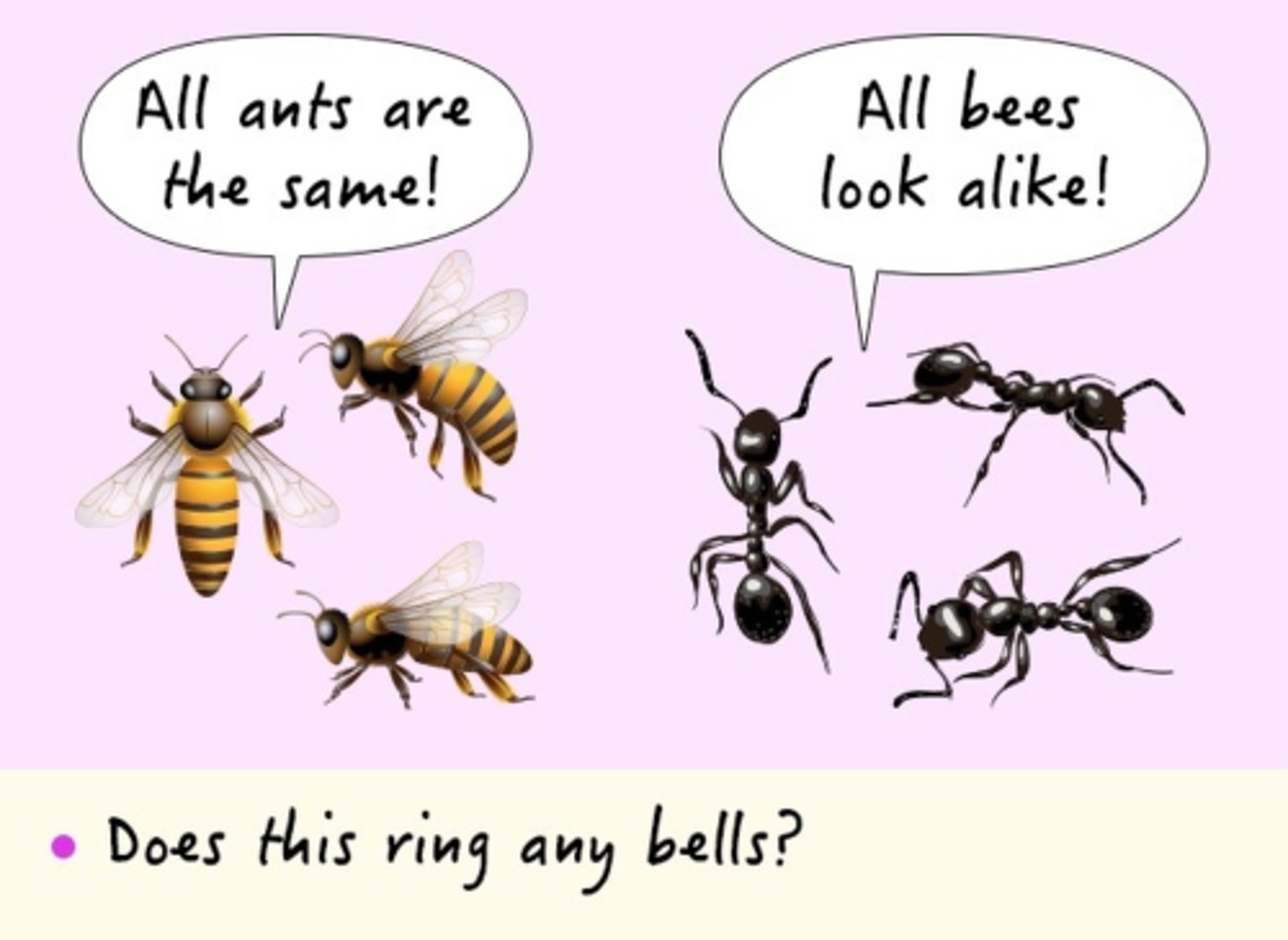
Though we belong and share a common identity in our In-group, we tend to see members as __________________________.
diverse and varied

Social-responsibility norm
that we should help those who need our help

We see members of the out-group as _____________________, referred to as The Out-group homogeneity effect.
similar to one another
Psychology of Attraction
proximity,
physical attractiveness, similarity,
specific situations,
socio-economic, and cultural
Why do bystanders help?
"Feel good, do good" effect: people who feel good, (happy, successful, fortunate, etc.) are more likely to help others.
The following increase the likelihood of bystanders to help
-feeling guilty
-seeing others who are willing to help
-perceiving the person as deserving help
-knowing how to help
-a personalized relationship
Reciprocity norm
an expectation that people will help those who have helped them
Foot-in-the-door, door-in-face, and_____________ all work with the reciprocity norm.
low-ball technique
The Rule of commitment norm
once you make a public commitment, there is a psychological and interpersonal pressure on you to behave consistently with your earlier commitment
Bystander Effect
someone is less likely to give aid because others are present.

Diffusion of responsibility
reduction in sense of responsibility often felt by individuals in a group; may be responsible for the bystander effect
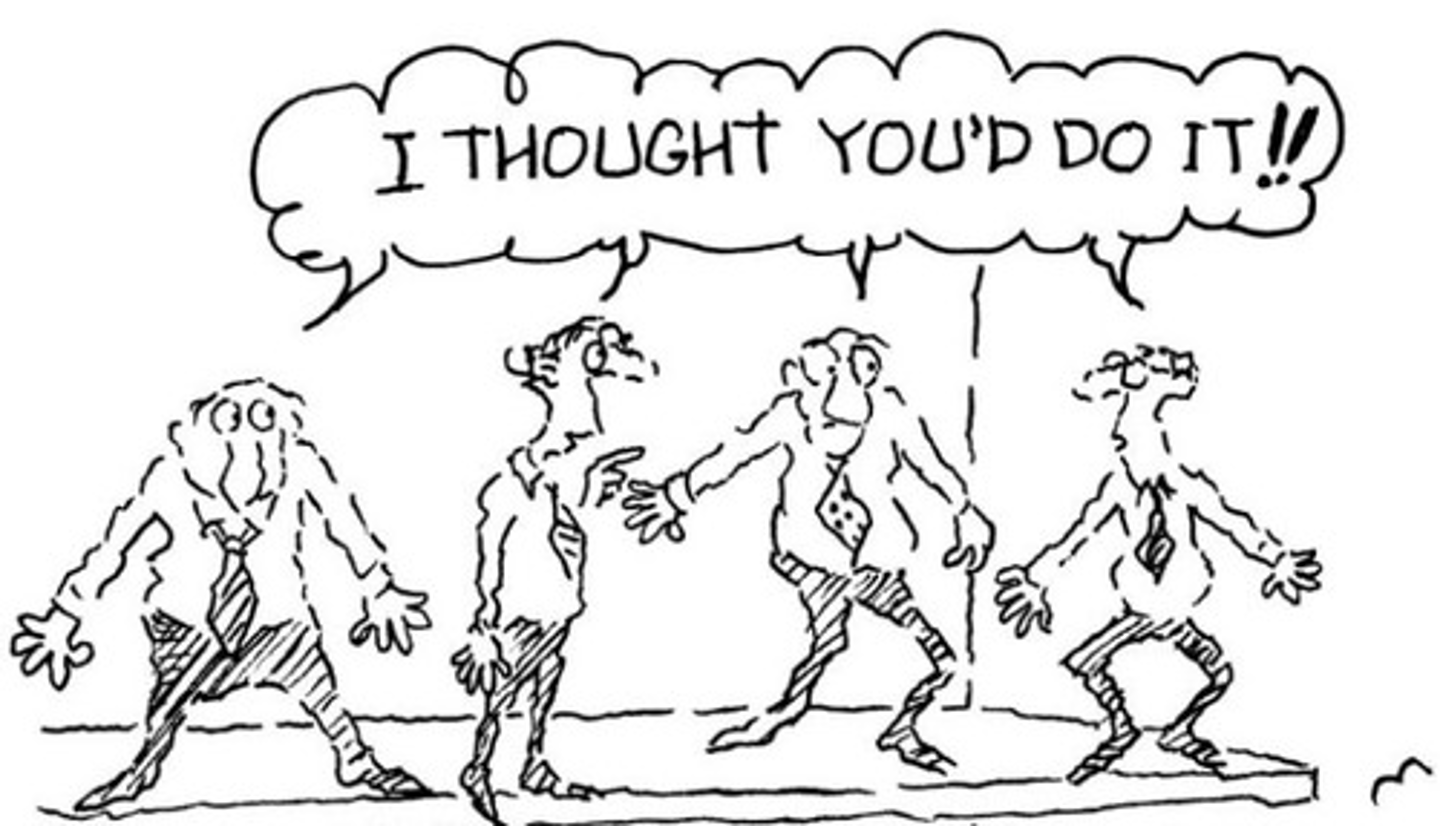
5 Reasons for the diffusion of responsibility:
• being in a big city or a very small town
• vague or ambiguous situations
• when personal costs outweigh the benefits
• embarrassed to step up in front of others
• afraid to do the wrong thing
What did the results of the Milgrim Shock Experiment tell psychologists?
Shows that people are capable of cruelty if they are listening to an authority figure or conforming to others