pKa values/ questions
 Call Kai
 Learn
 Practice Test
 Spaced Repetition
 Match
 Flashcards
 Knowt Play
1/27

There's no tags or description
Looks like no tags are added yet.
28 Terms

X-F
X-F: 3

X-Cl
X-Cl: -7

X-Br
X-Br: -9

X-I
X-I: -10

Sulfuric Acid
-9

-8
Both R = alkyl → protonated ketone
One R = H → protonated aldehyde

R = H, R′ = H
R = H, R′ = H → Hydronium → pKa −2

R = H, R’ = alkyl
R = H, R′ = alkyl → Protonated alcohol → pKa −3
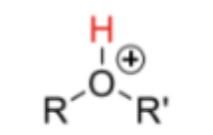
R = alkyl, R′ = alkyl
R = alkyl, R′ = alkyl → Protonated ether → pKa −4

R = H, alkyl → carboxylic acid → chart says pKa ≈ 5

Hydrogen sulfide (H₂S)
pKa ≈ 7
Acidic H: H attached to S
Not a thiol (no carbon group)

Phenol
pKa ≈ 10
contains an aromatic but not an alcohol

Ammonium (NH₄⁺)
pKa ≈ 9

pKa ≈ 15
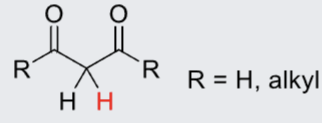
pKa ≈ 9

Hydrogen cyanide
pKa ≈ 9

When R = H
R = H → Water → pKa 15.7

When R = alkyl (CH3)
R = alkyl → Alcohol → pKa 16–18

When R = H
R = H → Aldehyde → pKa ≈ 17
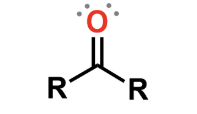
When R = alkyl (CH3)
R = alkyl (CH3) → Ketone → pKa ≈ 19

Ester → pKa ≈ 25

Alkyne
pKa ≈ 25

Amine
pKa ≈ 38
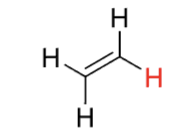
pKa ≈ 44
The main thing to recognize is C=C → alkene.
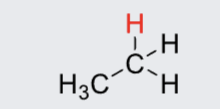
pKa ≈ 50
Alkane (C–C single bonds only)
Low pKa = ___ acid and ____ cb
strong
weak = more stable cb
High pKa = ___ acid and ____ cb
weaker
strong = less stable cb
Which molecule will make the more stable conjugate base after losing H⁺?
stronger acid / lower pKa