Derivatives and Integrals Basic Rules AP Calculus AB (copy)
 Call Kai
 Learn
 Practice Test
 Spaced Repetition
 Match
 Flashcards
 Knowt Play
1/68

Earn XP
Description and Tags
69 Terms
(d/dx) sin x
cos x
(d/dx) cos x
-sin x
(d/dx) tan x
sec²x
(d/dx) cotx
-csc²x
(d/dx) sec x
sec x tan x
(d/dx) csc x
-csc x cot x
(d/dx) xⁿ
nxⁿ⁻¹
(d/dx) ln x
1/x
(d/dx) e^x
e^x
(d/dx) a^x
a^x ln a
(d/dx) loga(x)
1/(x multiplied by ln(a))
(d/dx) [f(x)g(x)]
f′(x)g(x) + f(x)g′(x)
(d/dx) [f(x)/g(x)]
f′(x)g(x)−f(x)g′(x)
[g(x)]2
f'(x) has a point of inflection
f ''(x) = 0 and must change signs
f'(x) changes from decreasing to increasing
f(x)
At [a=x with units], the [context] is [c with units].
f-1(c)=a
The [context] reaches [c with units] at [x=a with units]
f'(a)=k
At [x=a with units], The [context] is [increasing or decreasing] at a rate of [k with units of measure].


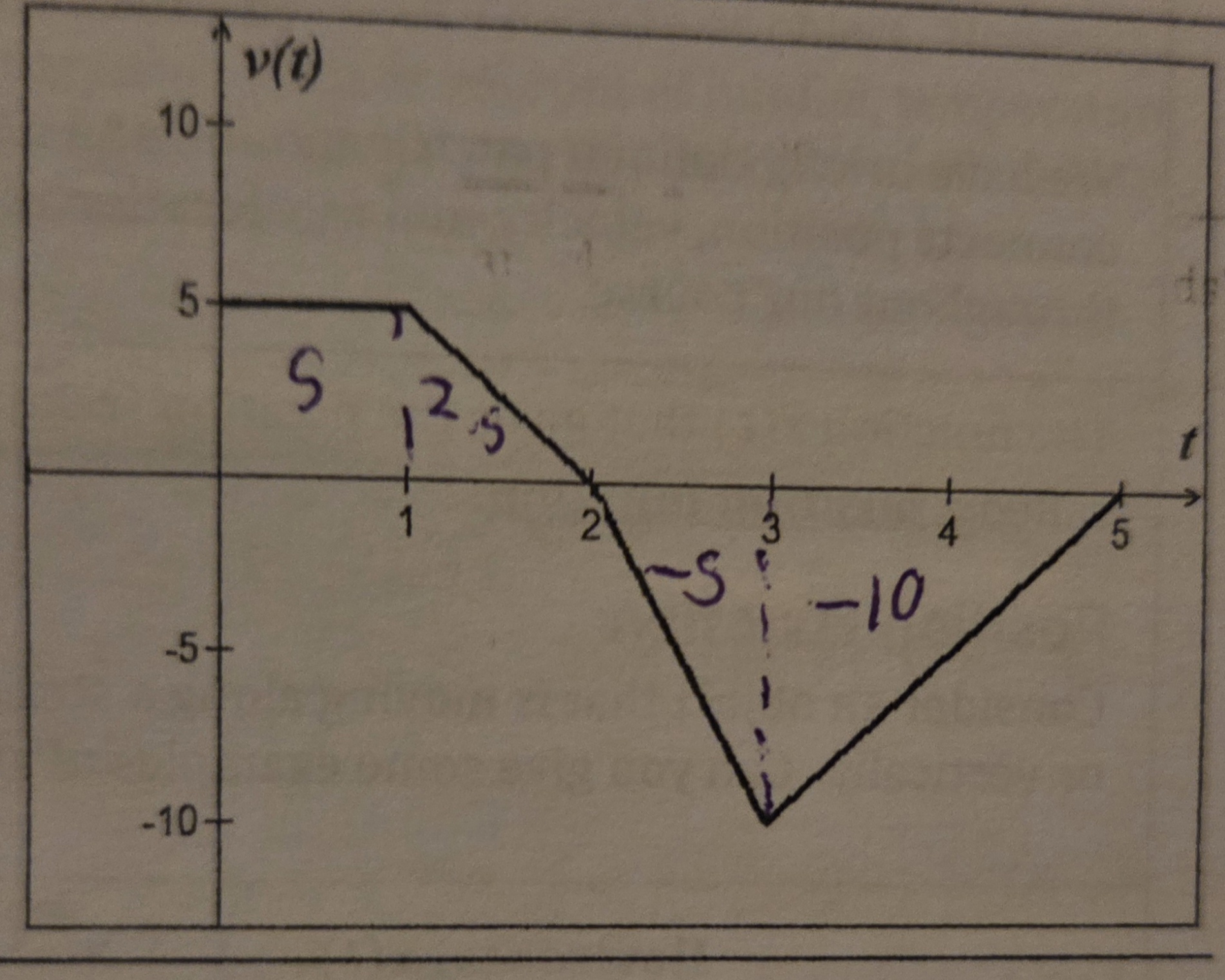


How fast is the particle moving at time t = 4, and in what direction? (Graph #9)
5 ft/sec moving left (|v(4)| = |-5| = 5 ft/sec; below x-axis)