Unit 1 - AP Psych
 Call Kai
 Learn
 Practice Test
 Spaced Repetition
 Match
 Flashcards
 Knowt Play
1/89

There's no tags or description
Looks like no tags are added yet.
90 Terms
Dopamine
Excitatory and Inhibitory
regulates mood, pleasure, reward, motor function, and motivation
serotonin
Inhibitory
impacts mood, sleep, apetite, and digestion. regulates happiness and anxiety
norepherephrine
excitatory
increases heart rate, BP, alertness. Involved in stress response
Endorphins
excitatory
act as a natural painkiller, reduce pain perception and promotes feelings of euphoria
substance p
excitatory
involved in pain perception and transmitting pain signals
acetylcholine (ACh)
excitatory
controls muscle action, learning, and memory. Affects attention and arousel
GABA
Inhibitory
main inhibility neurotransmitter, promotes relaxation and calmness
glutamate
excitatory
main excitatory neurotransmitter, makes GABA, contributes to cellular energy, learning, and memory
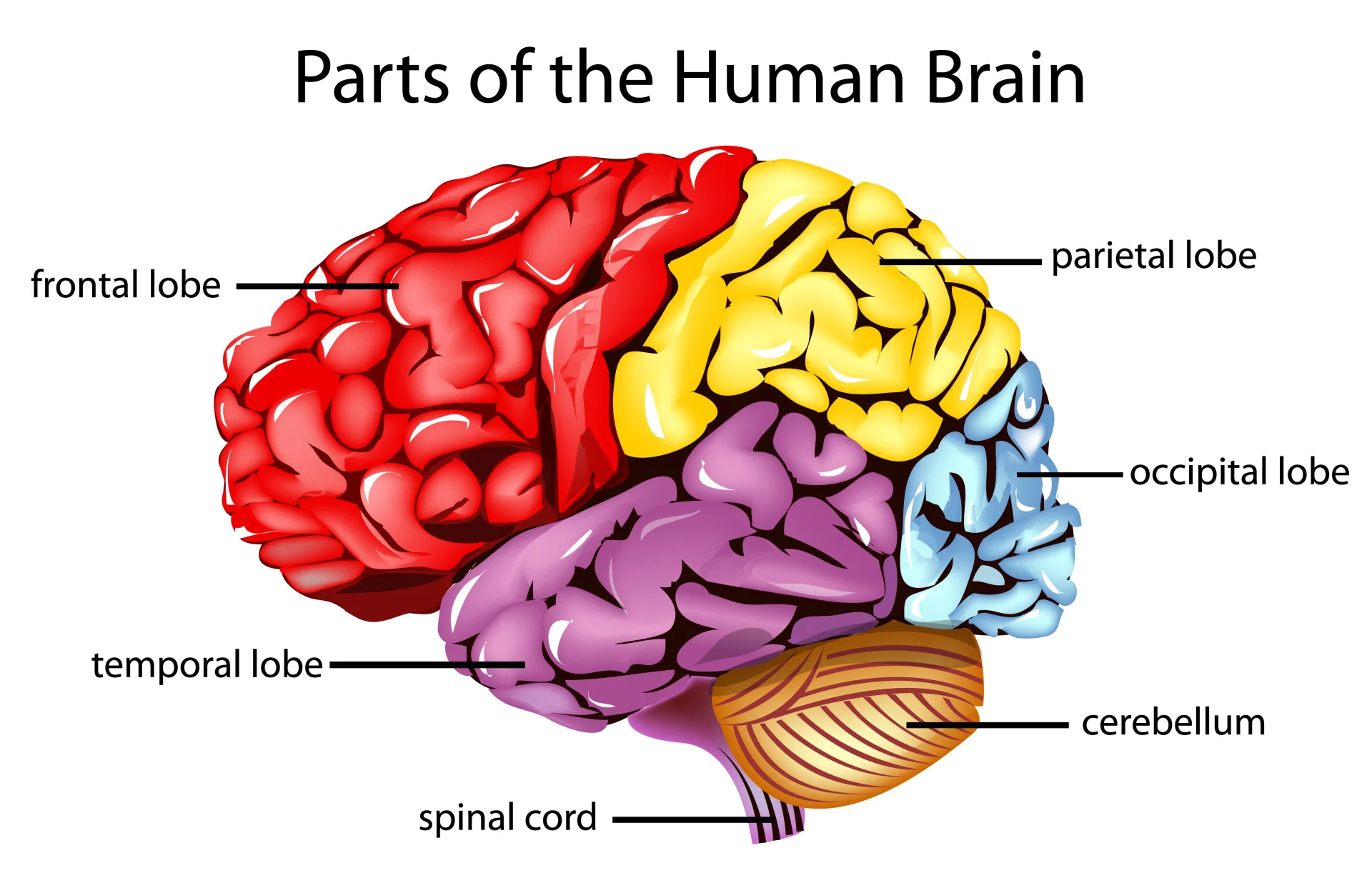
cerebral cortex
handles higher-level mental processes, including thinking, voluntary movement, language, reasoning, and perception
made up of the frontal lobe, temporal lobe, occipital lobe, and parietal lobe
frontal lobe
higher-order thinking - planning, judgement, problem solving, personality, voluntary muscle movements
temporal lobe
process hearing, language comprehension/understanding, memory
occipital lobe
vision and visual processing
parietal lobe
process sensory info related to touch temperature, and body position (somatosensory cortex)
cerebellum
coordinate and fine-tune voluntary muscle movements, maintain balance, and support motor learning

label the brain with the 4 lobes + cerbellum

parts of the neuron + label
cell body, nucleus, dendrites, myelin sheath, axon, axon terminal, nodes of ranvier

myelin sheath
speeds up rate of reaction (want it to be as fast as possible)
nodes of ranvier
helps myelin sheath speed up reaction
cell body
the central, bulbous part of a neuron or other cell that contains the nucleus
dendrites
branched, tree-like extensions of a nerve cell that receive electrochemical signals from other neurons
axon terminal
the small, swollen tip at the end of a nerve fiber that passes messages to other cells.
axon
conducts electrical impulses away from the cell body to other neurons, muscles, or glands
neurotransmitters
chemical messengers that carry signals from nerve cells to other cells across a small gap called a synapse
work between axon terminal and dendrites
synapse
a specialized microscopic gap or junction between two nerve cells (neurons), or between a neuron and another cell like a muscle or gland, that allows signals to pass from one cell to the next
central nervous system
brain and spinal cord
peripheral nervous system
everything besides the brain and spinal cord, split into somatic and autonomic
somatic NS
controls voluntary movements of skeletal muscles and transmits sensory information to the central nervous system.
autonomic NS
controls involuntary body functions like heart rate, digestion, and blood pressure
two types: parasynthetic and sympatghetic
parasympathetic
calms body down after stress, “rest and digest”
sympathetic
prepares body for stress, “fight or flight”
sensory neurons
neurons that attach to the senses and control everything you take in from the environment
from body tissues inward to the central NS (afferent)
motor neurons
control movement
from CNS outward (efferent)
intraneurons
are not afferent or efferent
connect sensory and motor neurons inside the central nervous system to process information and coordinate responses
threshold
activation energy needed for neuron to fire
depolarization
build up of ions in the cell —> causes charge to be sent down the axon
repolarization
release of ions to the outside of the cell
refractory period
short recovery time after an action potential when it is hard or impossible to fire a second electrical signal
hyperpolarization
increases the amount of time between neuron firing
glial cells
Cells that support and maintain the nervous system
in the PNS and CNS
alzheimers disease/dementia
lack of glia can contribute to cause
body cannot clear toxins —> brain being blocked, you lose brain matter
parkinson’s disease
the progressive breakdown and death of nerve cells causes overfiring of nerves —> body tremors, muscles get tight, body starts shaking
glioblastoma
type of brain cancer, cancer of the glia
glia’s role in autism and psyciatic disorders
severe autism have a higher # of glia
role in bipolar, schitzophrenia, etc
scientists not sure that this means
neuron reaction pathway
neurotransmitters —> dentrites —> electrical charge travels down axons —> send out more nuerotransmitters from the axon terminal
schwann cell
build myelin in PNS
oligodendrocyte
build myelin in CNS
ependrynal cell
circulate cerebrospinal fluid, lining of the CNS
microglial cell
protect, remove toxins and pathogens
astrocyte
supports nuerons by regulating nutrients and maintaining blood/brain barrier
type of glial cell
stimulants
caffeine, nicotine, cocaine, meth, ecstacy
hallucinogens
ecstacy (m), marijuana (m), LSD
depressants
alcohol, heroin
excitatory
increase the chances a neuron will fire by increasing depolarization
makes neurons fire faster/more often
not necessarily good, just fast
inhibitory
decreases the chances a neuron will fire by increasing hyperpolarization
neurons fires more slowly
not necessarily bad, just slow
agonist
mimics natural endorphines by binding to/activating opioid receptors in the brain
includes opiates (heroin, meth, oxy)
addiction
needing more and more of a drug to feel high or even normal
antagonist
blocks receptors
ex. nalaxone/narcan: actively displaces opioids by blocking opioid receptors to reverse an overdose
ex. curare/poison: block ACh and paralyses prey
brain stem
the stalk-like lower part of the brain that connects the cerebrum to the spinal cord and regulates vital, involuntary life functions
includes the medulla, pons, midbrain, and RAS
medulla
heartbeat, breathing
pons
movement, sleep
midbrain
visual and auditory information, muscle tone, movement
reticular activation system
selective attention, learning, muscle tone, sleep/wake cycle
bundle of nerves within the brainstem
motor, sensory, and association cortex
sorts the inputs coming in from other parts of the brain
limbic system
codes for emotions, behavior, memory, and homeostasis
includes the hippocampus, amygdala, thalamus, and hypothalamus
hippocampus
reward center
memory, triggers pleasurable feelings in context
amygdala
rewards center
fear, aggression, emotional processing
thalamus
acts as the primary relay station for sensory and motor signals
hypothalamus
command center for basic drives (hunger + food = pleasure)
septal region
associated with dopamine and arousal
olds and milner, 1950 (rats): connects the septal region to the production of dopamine
corpus collosum
connects the 2 halves of the brain
left hemisphere of the brain
speech, language, comprehension
right hemisphere of the brain
recognition of faces, places, and objects
contralateral hemisphere organization
the brain and body connect on opposite sides —> vision is proccess by opp sides of the brain
phineas gage
rr pole went through his frontal cortex but he survived
shy and quiet —> extremely aggressive
personality was affected because it went through his frontal lobe, not responsible for survival functions
broca’s area
frontal lobe, left hemisphers
speech production and articulation
accurate use of words
wernicke’s area
top back of temporal lobe
comprehension, language processing
stroke
oxygen supply to the brain is temporarily disrupted
damage to the brain is darker in a ct scan
aphasia
language disorder caused by brain damage that impairs a person's ability to speak, write, and understand language.
wernicke’s aphasia
fluent speech that doesn’t make sense. You may have trouble reading, writing and understanding what others are saying to you.
brocas aphasia
language disorder that affects communication. You know what to say but have trouble speaking.
all or nothing principle
neurons have no partial response - it either responds or it doesn’t
multiple sclerosis
causes demylinated lesions —> myelin sheaths disintegrate, slowing neuron firing
causes vision problems, fatigue, pain, and movement issues
EEG
measures and records electrical signals (brain waves)
CT Scan
x-ray
to check for solid masses in the brain
can’t see blood vessels or details
]used when spped matters, ex. stroke, TBI
MRI
Aligns the atoms of the brain with magnets —> Radio waves then disturb
this alignment —> Signal is produced when the atoms settle back down
Can precisely see even small issues of vessels and tissue
fMRI
Shows blood flow tocertain areas of the brain while a person engages in activity
Can indicate areas of concern
Not great interobserver agreement
reuptake
the process where a neuron absorbs a neurotransmitter back into itself after it has finished sending a signal across the tiny space between cells
cocaine - reuptake
Increases serotonin, dopamine, norepinephrine
Blocks reuptake
Energy, heightened alertness, etc
Prozac - SSRI - Reuptake
Serotonin RI
Increases AMOUNT in the synaptic cleft,
slows UPTAKE