PSYC1000 - Unit 2
 Note
Note Call Kai
 Learn
Learn Practice Test
 Spaced Repetition
 Match
Match Flashcards
 Knowt Play
1/100

There's no tags or description
Looks like no tags are added yet.
Name | Mastery | Learn | Test | Matching | Spaced | Call with Kai | Chat |
|---|
No analytics yet
Send a link to your students to track their progress
101 Terms
Acetylcholine
one of the most widespread neurotransmitters within the body, found at the junctions between nerve cells and skeletal muscles; it is very important for voluntary movement
Action potential
a wave of electrical activity that originates at the beginning of the axon near the cell body and rapidly travels down its length
Adrenal glands
a pair of endocrine glands located adjacent to the kidneys that release stress hormones, such as cortisol and epinephrine
Agonists
drugs that enhance or mimic the effects of a neurotransmitter’s action
All-or-none principle
individual nerve cells fire at the same strength every time an action potential occurs
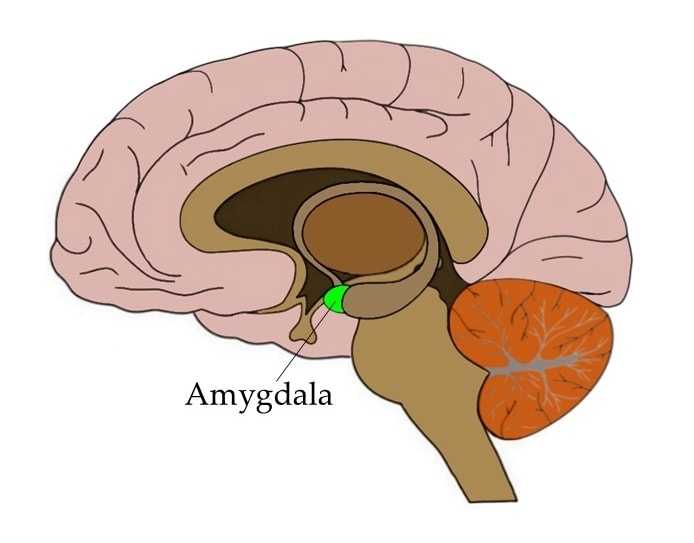
Amygdala
a group of nuclei in the medial portion (near the middle) of the temporal lobes in each hemisphere of the brain that facilitates memory formation for emotional events, mediates fear responses, and appears to play a role in recognizing and interpreting emotional stimuli, including facial expressions
Antagonists
inhibits neurotransmitter activity by blocking receptors or preventing the synthesis of a neurotransmitter
Autonomic nervous system
the portion of the peripheral nervous system responsible for regulating the activity of organs and glands
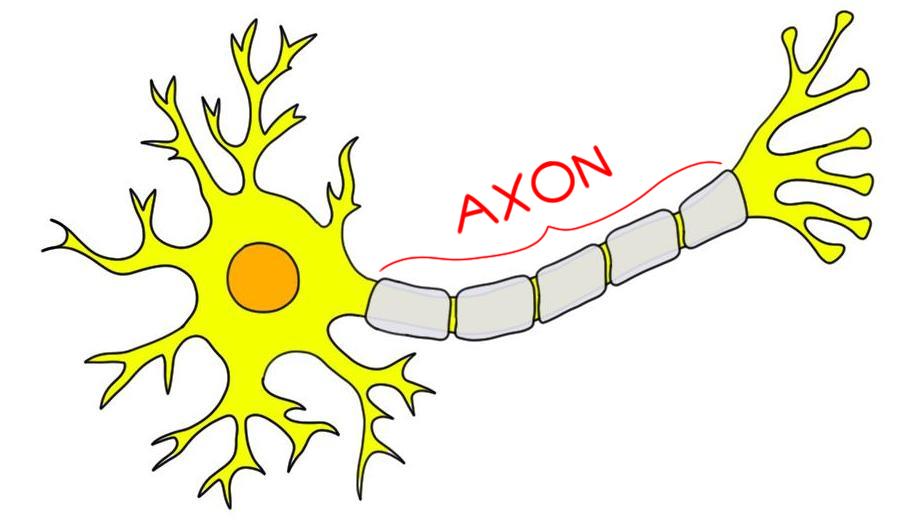
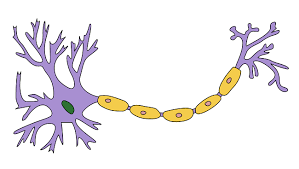
Axon
transports information in the form of electrochemical reactions from the cell body to the end of the neuron
Axon terminals
bulb-like extensions filled with vesicles (little bags of molecules)
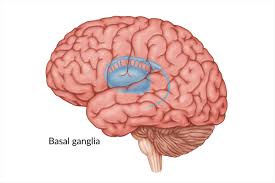
Basal ganglia
a group of three structures that are involved in facilitating planned movements, skill learning, and integrating sensory and movement information with the brain’s reward system
Behavioural genetics
Study of how genes and environment influence behavior.
Behavioural genomics
the study of DNA and the ways in which specific genes are related to behaviour
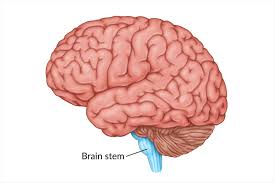
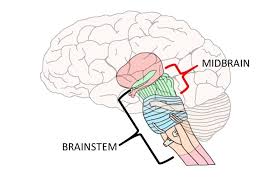
Brainstem
the “stem” or bottom of the brain, which consists of two structures: the medulla and the pons
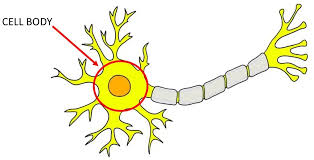
Cell body
(also known as the soma) the part of a neuron that contains the nucleus that houses the cell’s genetic material
Central nervous system
(CNS) consists of the brain and the spinal cord
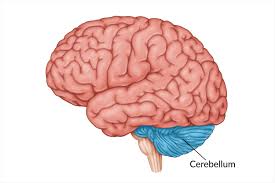
Cerebellum
(Latin for “little brain”) the lobe-like structure at the base of the brain that is involved in the monitoring of movement and maintaining balance, attention, and emotional responses
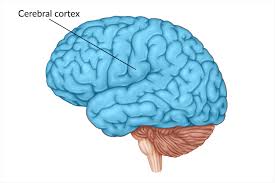
Cerebral cortex
the convoluted, wrinkled outer layer of the brain that is involved in multiple higher functions, such as thought, language, and personality
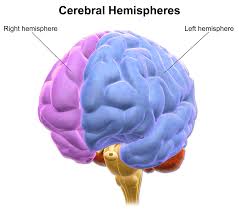
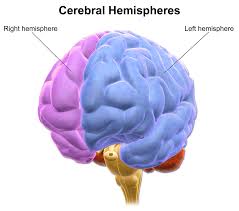
Cerebral hemispheres
nearly symmetrical halves of the brain that contain the same structures
Chromosomes
structures in the cellular nucleus that are lined with all of the genes an individual inherits
Computerized tomography
(or CT scans) a structural neuroimaging technique in which X-rays are sent through the brain by a tube that rotates around the head
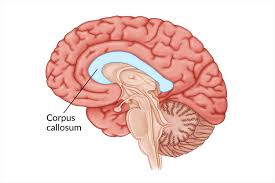
Corpus callosum
a collection of neural fibres connecting the two cerebral hemispheres
Cortical deafness
problems with hearing despite the fact that the patient’s ears work perfectly
CRISPR
a technique that allows genetic material to be removed, added, or altered in specific locations of the genome
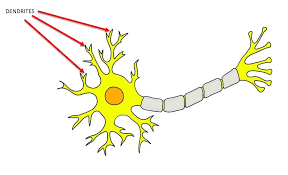
Dendrites
small branches radiating from the cell body that receive messages from other cells and transmit those messages toward the rest of the cell
Diffusion tensor imaging
(DTI) a form of structural neuroimaging allowing researchers or medical personnel to measure white-matter pathways in the brain
Dizygotic twins
fraternal twins who come from two separate eggs fertilized by two different sperm cells that share the same womb; these twins have approximately 50% of their genes in common
DNA
(deoxyribonucleic acid) a molecule formed in a double-helix shape that contains four nucleotides: adenine, cytosine, guanine, and thymine
Dopamine
a monoamine neurotransmitter involved in such varied functions as mood, control of voluntary movement, and processing of rewarding experiences
Electroencephalogram
(EEG) measures patterns of brain activity with the use of multiple electrodes attached to the scalp
Endorphin
a hormone produced by the pituitary gland and the hypothalamus that functions to reduce pain and induce feelings of pleasure
Epigenetics
changes in gene expression that occur as a result of experience and that do not alter the genetic code
Epinephrine
a hormone and neurotransmitter created in the adrenal gland on the kidneys
Evolution
the change in the frequency of genes occurring in an interbreeding population over generations
Evolutionary psychology
attempts to explain human behaviours based on the beneficial function(s) they may have served in our species’ evolutionary history
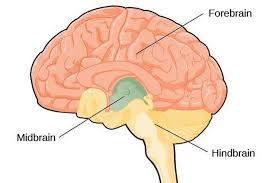
Forebrain
the most visibly obvious region of the brain; consists of all of the neural structures that are located above the midbrain, including all of the folds and grooves on the outer surface of the brain; the multiple interconnected structures in the forebrain are critical to such complex processes as emotion, memory, thinking, and reasoning
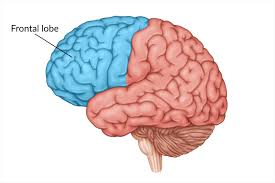
Frontal lobes
important in numerous higher cognitive functions, such as planning, regulating impulses and emotions, language production, and voluntary movement
Functional magnetic resonance imaging
(fMRI) measures brain activity by detecting the influx of oxygen-rich blood into neural areas that were just active
Functional neuroimaging
a type of brain scanning that provides information about which areas of the brain are active when a person performs a particular behaviour
GABA
(gamma-amino butyric acid) the primary inhibitory neurotransmitter of the nervous system, meaning that it prevents neurons from generating action potentials
Gene expression
occurs when the information in our genes is used to produce proteins (or other gene products, such as ribosomal RNA)
Genes
the basic units of heredity; genes are responsible for guiding the process of creating the proteins that make up our physical structures and regulate development and physiological processes throughout the lifespan
Genotype
the genetic makeup of an organism—the unique set of genes that comprises that individual’s genetic code
Glial cells
specialized cells of the nervous system that are involved in mounting immune responses in the brain, removing waste, and synchronizing the activity of the billions of neurons that constitute the nervous system
Glutamate
the most common excitatory neurotransmitter in the brains of vertebrates
Hemispheric specialization
the two sides of the cortex often perform very different functions
Heritability
a statistic, expressed as a number between zero and one, that represents the degree to which genetic differences among individuals contribute to individual differences in a behaviour or trait found in a population
Heterozygous
if two corresponding genes at a given location on a pair of chromosomes differ
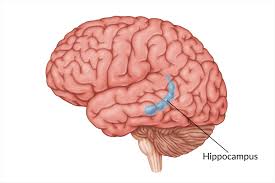
Hippocampus
critical for learning and memory, particularly the formation of new memories
Homozygous
if two corresponding genes at a given location on a pair of chromosomes are the same
Hormones
chemicals secreted by the glands of the endocrine system
Human Genome Project
a massive effort to identify the components of the entire human genome
Hunter-gatherer theory
links performance on specific tasks to the different roles performed by males and females over the course of our evolutionary history
Huntington’s disease
a condition involving uncontrollable movements of the body, head, and face
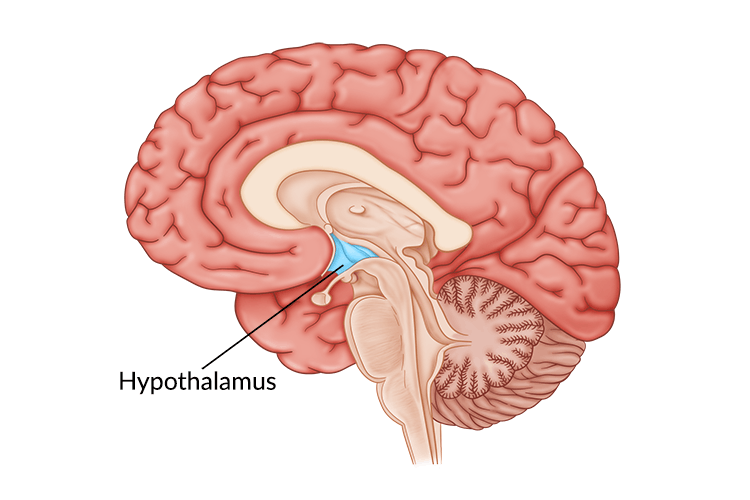
Hypothalamus
a brain structure that regulates basic biological needs and motivational systems
Ion channels
small pores on the neuron’s cell membrane
Lesioning
a technique in which researchers intentionally damage an area in the brain
Limbic system
an integrated network involved in emotion and memory
Longitudinal studies
studies that follow the same individuals for many years, often decades
Magnetic resonance imaging
(MRI) a structural imaging technique in which clear images of the brain are created based on how different neural regions absorb and release energy while in a magnetic field
Magnetoencephalography
(MEG) a neuroimaging technique that measures the tiny magnetic fields created by the electrical activity of nerve cells in the brain
Midbrain
resides just above the hindbrain; primarily functions as a relay station between sensory and motor areas
Monozygotic twins
twins who come from a single ovum (egg), which makes them genetically identical (almost 100% genetic similarity)
Multiple sclerosis
a disease in which the immune system does not recognize myelin and attacks it—a process that can devastate the structural and functional integrity of the nervous system
Myelin
a fatty sheath that insulates axons from one another, resulting in increased speed and efficiency of neural communication
natural selection
the process by which favourable traits become increasingly common in a population of interbreeding individuals, while traits that are unfavourable become less common
neglect
(or visual neglect) a situation in which the patient does not attend to anything that appears in the left half of their visual field
neurogenesis
the formation of new neurons
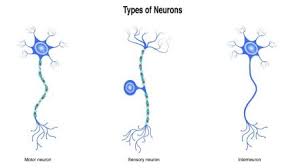
neurons
one of the major types of cells found in the nervous system, which are responsible for sending and receiving messages throughout the body
neuroplasticity
the capacity of the brain to change and rewire itself based on individual experience
neurotransmitters
the chemicals that function as messengers, allowing neurons to communicate with each other
norepinephrine
(also known as noradrenaline) a monoamine synthesized from dopamine molecules that is involved in regulating stress responses, including increasing arousal, attention, and heart rate
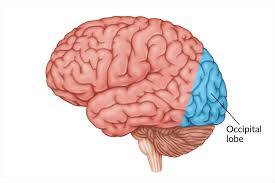
occipital lobes
located at the rear of the brain and are where visual information is processed
parasympathetic nervous system
helps maintain homeostatic balance in the presence of change; following sympathetic arousal, it works to return the body to a baseline, non-emergency state
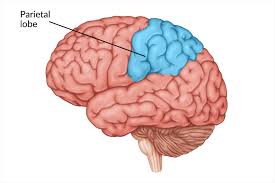
parietal lobes
involved in our experiences of touch as well our bodily awareness
Parkinson’s disease
a condition marked by major impairments in voluntary movement
peripheral nervous system
(PNS) a division of the nervous system that transmits signals between the brain and the rest of the body and is divided into two subcomponents: the somatic system and the autonomic system
phenotype
the physical traits and behavioural characteristics that show genetic variation, such as eye colour, the shape and size of facial features, intelligence, and even personality
pituitary gland
the master gland of the endocrine system that produces hormones and sends commands about hormone production to the other glands of the endocrine system
positron emission tomography
(PET) a type of scan in which a low level of a radioactive isotope is injected into the blood, and its movement to regions of the brain engaged in a particular task is measured
postsynaptic cell
(or postsynaptic neuron) the neuron that receives neurotransmitters from the presynaptic cell
presynaptic cell
(or presynaptic neuron) the neuron that releases its neurotransmitters into the synapse
refractory period (action potential)
brief period in which a neuron cannot fire
resting potential
relatively stable state during which the cell is not transmitting messages
reticular formation
extends from the medulla upwards to the midbrain and is involved with attention and alertness
reuptake
a process whereby neurotransmitter molecules that have been released into the synapse are reabsorbed into the axon terminals of the presynaptic neuron
serotonin
a monoamine involved in regulating mood, sleep, aggression, and appetite
sham group
(or sham lesion group) a set of animals that go through all of the surgical procedures aside from the lesion itself in order to control for the effects of stress, anesthesia, and the annoyance of stitches
somatic nervous system
consists of nerves that control skeletal muscles, which are responsible for voluntary and reflexive movement; it also consists of nerves that receive sensory input from the body
split-brain patients
individuals with epilepsy who had their corpus callosum severed in order to treat their seizures
stem cells
a unique type of cell that does not have a predestined function
structural neuroimaging
a type of brain scanning that produces images of the different structures of the brain
sympathetic nervous system
responsible for the fight-or-flight response of an increased heart rate, dilated pupils, and decreased salivary flow—responses that prepare the body for action
synapse
an area consisting of a neuron’s axon terminals and a different neuron’s dendrites; these structures are separated by a microscopic space into which neurotransmitters can be released
synaptic cleft
the minute space between the axon terminal (terminal button) and the dendrite
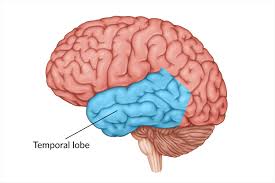
temporal lobes
located at the sides of the brain near the ears and are involved in hearing, language, and some higher-level aspects of vision such as object and face recognition
testosterone
(1) a hormone that serves multiple functions, including driving physical and sexual development over the long term (2) a hormone that is involved in the development of sex characteristics and the motivation of sexual behaviour
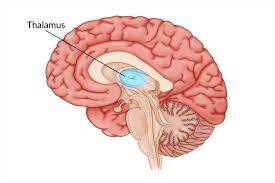
thalamus
a set of nuclei involved in relaying sensory information to different regions of the brain
Tourette’s syndrome
a condition marked by erratic and repetitive facial and muscle movements (called tics), heavy eye blinking, and frequent noise making such as grunting, snorting, or sniffing
transcranial magnetic stimulation
(TMS) a procedure in which an electromagnetic pulse is delivered to a targeted region of the brain