Music History 1 Final
 Call Kai
 Learn
 Practice Test
 Spaced Repetition
 Match
 Flashcards
 Knowt Play
1/109

There's no tags or description
Looks like no tags are added yet.
110 Terms

Didjeridu: long wood eucalyptus tube hollowed by termites (usually played with clapsticks).

Ukelele: Originated in Hawaii, made popular through world fairs and by Israel Kamakawiwo’ole with his Somewhere Over the Rainbow rendition.
Hula Dance
Songs specifically associated with the dance
Flamenco
A traditional form of song, dance and guitar music from Spain.
Cante Jondo
A style of emotive singing in flamenco (cante) that is a slower, deep song with a 12 beat rhythm base.
Toque
The guitar playing in flamenco which is played more percussively and has the rhythmic and melodic foundation.
Baile
The passionate dance of flamenco that uses big arm movements, dramatic body language, snaps, and shouts (call jaleo) while playing castanets. Uses zapateo.
Cantaora
The flamenco singer.
Duende
The word for the emotional singing in flamenco, singing at the top of range and almost voice cracking.
Zapateo
The intricate footwork used by dancers in flamenco.
Palmas
The backbone rhythm of the percussion in flamenco, uses a 12 count pattern (palo), often clapped or played by castanets
Palo
The rhythmic pattern in flamenco songs (12 count rhythm)

Castanets: small wooden clappers that are played by the dancers in flamenco, play the palmas

Flamenco Guitar - A specialty guitar built with thinner wood and played more percussively, provides the rhythmic and melodic foundation.
Paco de Lucia
Famous flamenco guitar player

Balalaika: A russian, triangle shaped, fretted and plucked lute with a chatter-like sound (fast strumming). Often played with accordion and tambourine.
Vasily Andreyev
Father of balalaika, rejuvenated balalaika playing.

Hurdy Gurdy: Weird chordophone organ grinder from Hungary.
Georgian Choral Singing
A polyphonic acapella choir from Georgia that has 3 voices (melodic leader, soprano follower, and acgive bass). A little improv?

Akadinda: A 17-22 bar xylophone from Uganda with a dip in the center, uses thick interlocking patterns and a polyrhythmic structure, communal activity and often sung with.

Balafon: A small xylophone from West Africa, has a single player and is carried on the shoulders.
Mbube
An all malle acapella choir from South Arica. Has a controller (lead vocalist) and chords (the ensemble) - homophonic. Well rehearsed and for the stage, still communal but no imrov (i.e. The Lion Sleeps Tonight)
Lady Black Mambazo
A famous mbube group
Kora
A harp lute from Senegal with 21 strings and used in Jali. Played facing the performer.
Jali
A solo performance from Senegl performed by a trained oral historian who improvs every part of the performance for hours. Has 2 styles: improved, instrumental solo (Birimintingo) and a steady repeated pattern while singing praises (Kumbengo)
Birimintingo
The imrpoved, instrumental solo in Jali.
Kumbengo
The steady repeated pattern sung while singing praises in Jali.

Mbira (Thumb Piano): A 22 metal-keyed idiophone from Zimbabwe, played using an interlocking technique. Played with a hosho (rattle) and ngoma (small drum). Used by the Shona in spirit possession rituals to connect the Shona with their ancestors.

Hosho: Rattle instrument from Zimbabwe that sometimes accompanies Mbira

Ngoma Drums: Small drums that are used throughout Africa that someitmes accompany Mbira.
Kushaura
The leader of the interlocking technique in Mbira playing.
Kutsinhira
The accompaniment in the interlocking technique in Mbira playing.

Donno Drum: A talking hourglass pressure drum from West Africa. Can mimic human speech and is comprehensive to those familiar with drum language. It gives words more power and allows ancestral spirits to hear praise-singing.
Mbuti
The communal music performed by the rain forest people (Baka people) from Central Africa. Consists of yodeling, call and response, interlocking technique, clapping, and has a polyphonic texture. Accompanied only by whistles, rattles, end-blown flutes and a pair of clapsticks or small drums. Reflects the egalitarian system of their society.
Vodou
A religion from Haiti that combines West African spirit traditions with Roman Catholicism (acknowledges a supreme being but posits that spirits, or loa, play an active role).
Vodou Music
From Haiti, collectively participated with emphasis on rhythm and percussion, overlapping call and response, ostinato
Vodou Instruments
3 rada drums, a tchatcha (rattle), and an ogan (metal timekeeper)
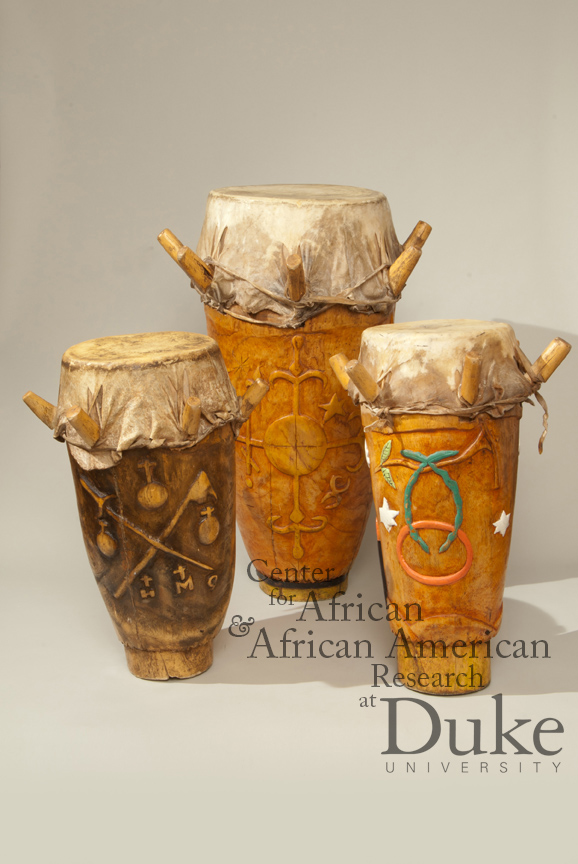
Rada drums: A set of 3 drums used in vodou rituals in Haiti.
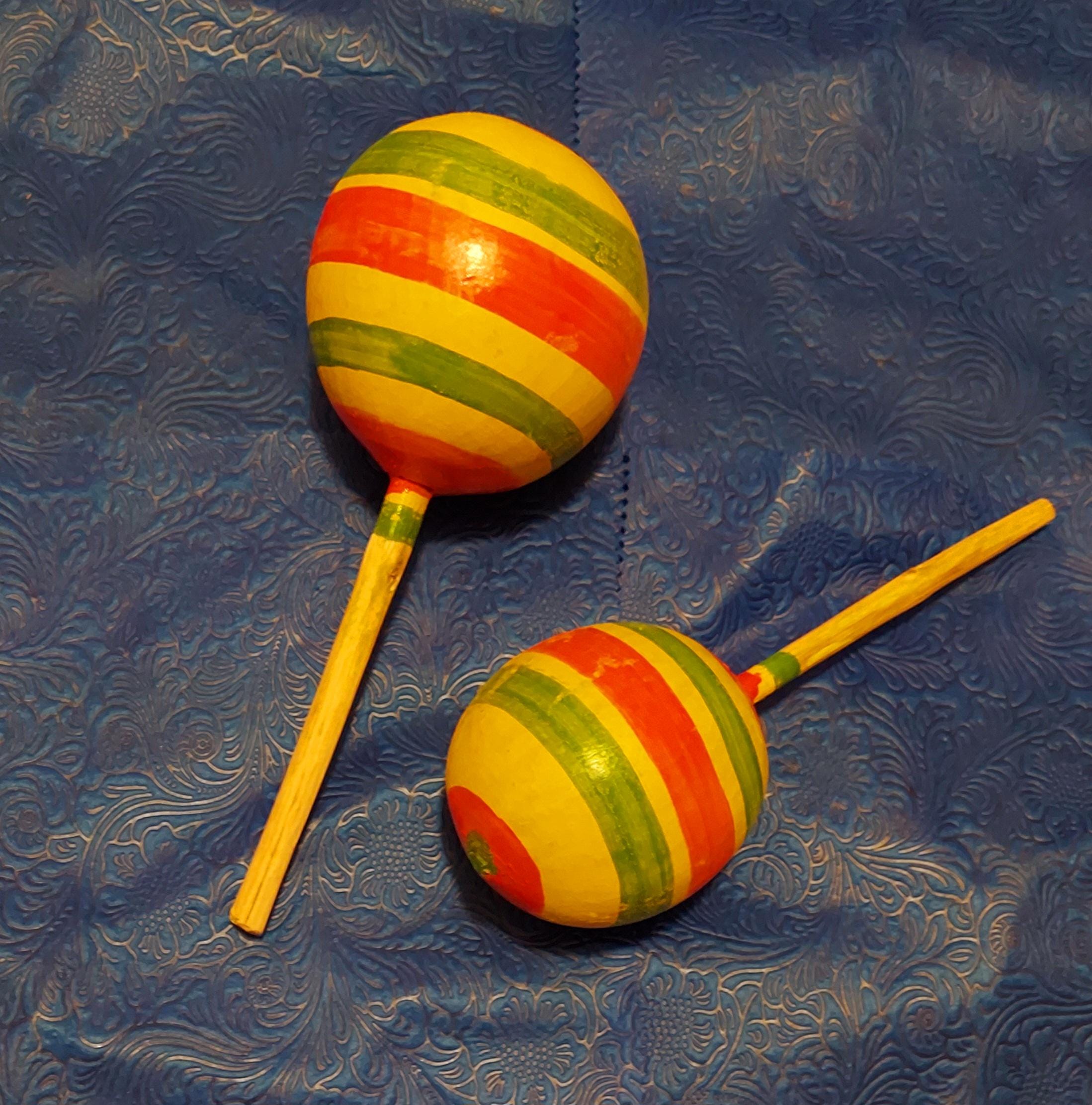
Tchatchas: Rattles used in vodou ritiuals in Haiti.

Asson: some rattle thing used in vodou rituals in Haiti.
Loas
Spirits in vodou that all have their own color, myth, praise song and dance movements.
Legba
Loa, guardian of the crossroads.
Ogun
Loa of war and military, associated with machetes and rum.
Steel band
An ensemble of steel pan drums from Trinidad and Tobago.

Ping Pong Drums: The melody drum in steel band.
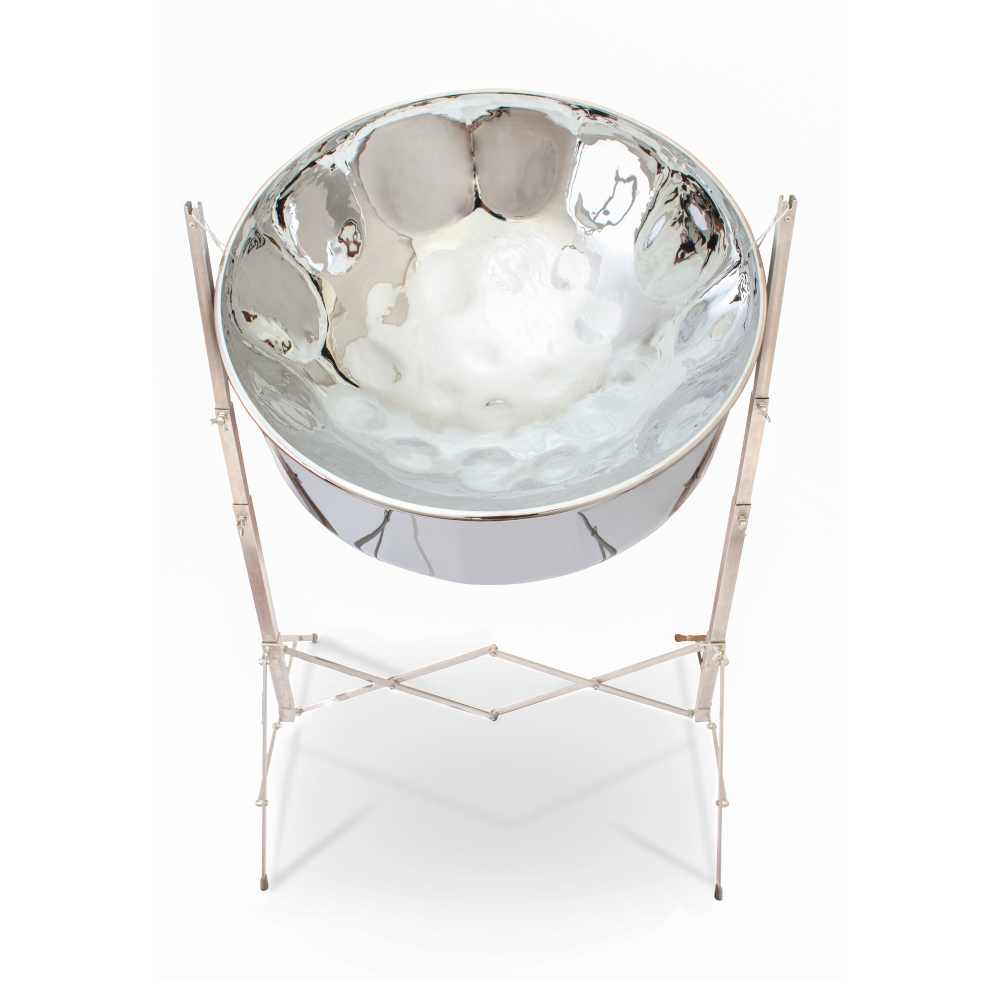
Tenor pan: One of the harmony drums in steel band.
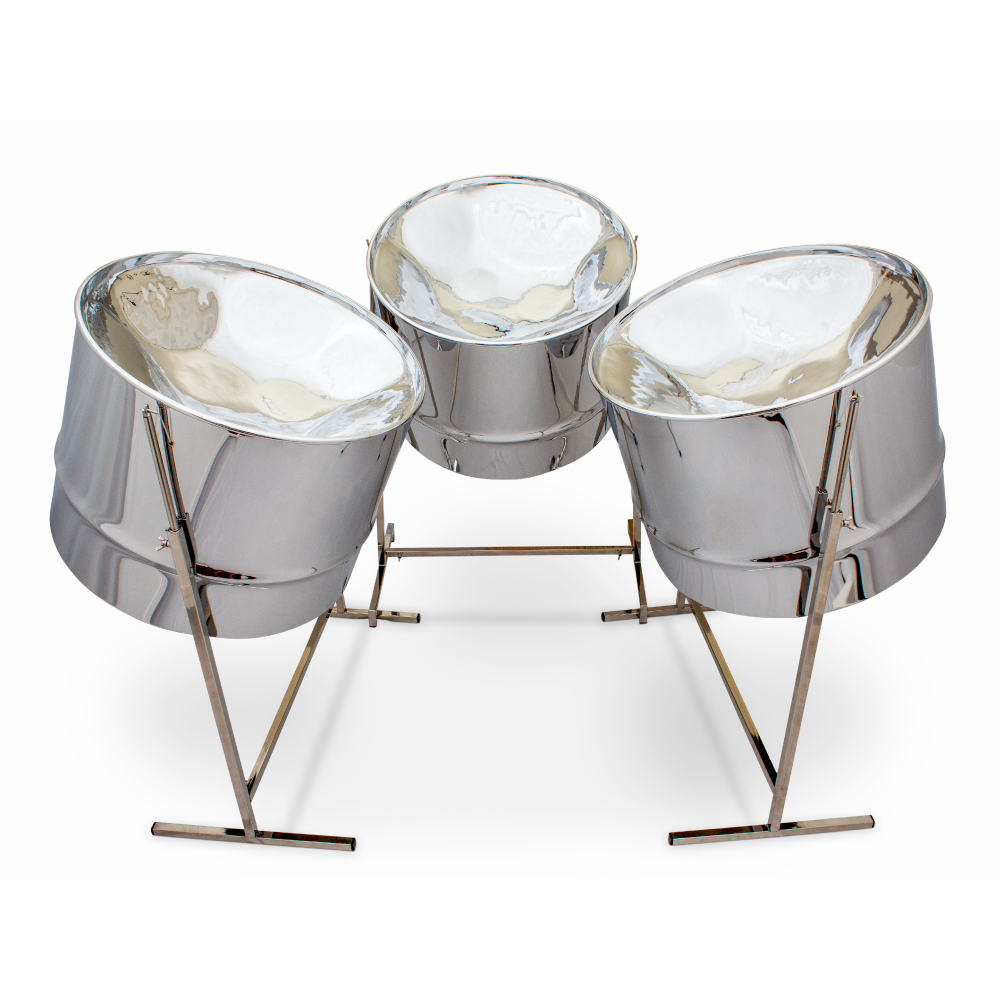
Cello pan: One of the harmony drums in steel band.

Bass Pan/Boom Pan: The bass drum in steel band.
Engine Room
The non-steel pan part of the steel band ensemble (drum kit, congas, etc.) that act as the rhythmic section.
Panorama Festival
The world’s largest steel band competition which revolutionized steel band by changing repatoire, style, funding and organization and prompting rivalry and festivity.
Tamboo-Bamboo
An ensemble from Trinidad and Tobago created using instruments made of bamboo in response to the British bannign drums out of fear of revolt (also leads to the creation of steel pans)
Mestizaje
The principle in Latin America that mixture is the norm.
Sikuri Ensemble
An ensemble from Peru/the Andes made up of community members playing the siku and bombo (pan and tabor tradition). Has heterophonic interlocking technique.

Siku: A panpipe flute from Peru that is played in the sikuri ensemble.

Bombo: A 2-membrane cylindrical drum from Peru used in the sikuri ensemble.

Charango: A small guitar from Peru with 5 double-course strings originally made of armadillo shell (now wood). Bright, high-pitched timbre, now considered an indigenous instrument.
3 Core Andean Values
Reciprocity with Pachamama (Mother Earth)
Egalitarian Relations
Community Solidarity
Andean Pentatonic Scale
1-b3-4-5-b7
Samba de roda (Circle Samba)
The original samba, an Afro-Brazillian circle dance brought from Angola and Congo
Carnival Samba
Samba meant to be performed during Carnival season by samba schools.
Samba Schools
Carnival ensembles from Afro-Brazilian neighborhoods, was poor until getting government subsidies from Getulio Vargas and becoming more commercialized.
Samba Song
A midyear samba by middle-class composers during non-carnival season. Emphasis on melody rather than rhythm, varied harmonic accompaniment.
Samba de morro
Samba from the slums, lots of percussion and usually performed on the streets
Ballroom samba
Colorful orchestra samba with less percussion.
Bateria
The percussion section of traditional samba ensembles:
Surdo Drum (bass drum)
Tamborim (hand-held drum)
Reco-Reco (metal scraper)
Cuica (friction drum)

Surdo drum: the bass drum of the samba bateria

Tamborim: The handheld drum of the samba bateria

Reco-Reco: The metal scraper of the samba bateria

Cuica: The friction drum of the samba bateria.

Cavaquinho: A small 4-string guitar from Brazil.
Sambadrome
The venue of the Rio de Janeiro
Watercolors of Brazil
A famous samba song written by composer Ari Barroso that was used in a Walt Disney film, exalts the Brazilian people, culture, and geography.
Ari Barroso
A famous Brazilian samba composer
Carmen Miranda
A famous Brazilian singer.
Old Guard Tango
Tango from late 1800’s-1910, disdained by elites, performed in brothels and bohemian cafes, portrays male dominance and frustration. Early lyrics were joyful, later lyrics were pessimistic.
New Tango
Tango from the 1990’s that was pioneered by Astor Piazolla to revitalize tango. Fuses jazz harmonies, classical music forms, and tango rhythms/melodies. Music is less about dancing and more for listening.
Astor Piazolla
A famous 90’s tango artist that revived and reformed the genre.
Gaucho
An Argentinian symbol that represents the cowboy of the pampas (Argentina plains). Was originally unruly and barbaric, then became manly and noble
Milonga
An Argentine embrace dance that is livelier than tango
Orquesta Tipica
The instruments for Milonga in Argentina:
2 Bandoneons
2 Violins
1 piano
1 Double Bass (replaced flute)

Bandoneon: A button accordion used in milonga ensembles.
Tango Craze in Paris (1913)
In 1913, Paris experienced a tango craze and developed the dance into a ballroom dance due to Irene and Vernon Castle. Craze dies by 1930.
Carlos Gardel
The most famous traditional tango singer during the early 1900’s. His style prevailed through to the 90’s (known as traditional tango), as well as the new styles of staged tango and ballroom tango (mock tango from outside Argentina).
Nuyorican
A Puerto Rican that lives in New York
Cuban son
A dance style from Cuba that salsa got its musical and rhythmic foundation from. Has 2 sections: A song-like section (tells a story) and the Motuno (An improv, call and response section with instrumental breaks).
Salsa Instruments
Congo
Bondo
Clave
Timbales
Cowbell
Guiro
Maracas
Piano
Trumpets
Trombones
Electric Bass
Guitar

Congo: A drum used in salsa that plays the tumbao patterns (a repeated rhythm)
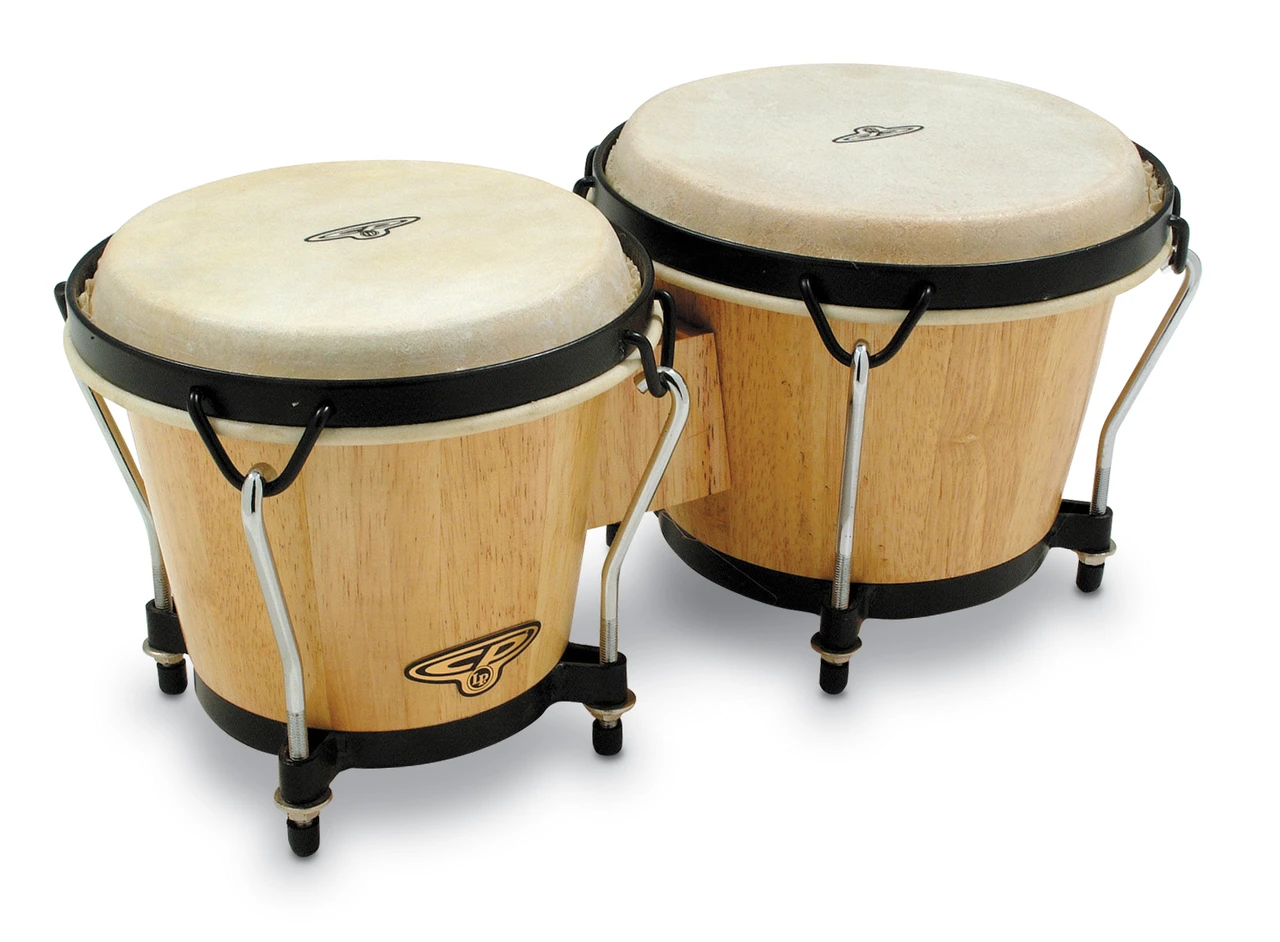
Bongos: Drums used in salsa

Clave: Wooden blocks used in salsa that play the cinquillo (a 2-3 or 3-2 rhythmic pattern)

Timbales: drums used in salsa

Guiro: A wooden rattle used in salsa
Tumbao
Rhythmic patterns used in salsa (a repeated rhythm) played by the congo
Cinquillo
A rhythmic pattern used in salsa that follows a 2-3 or 3-2 pattern, played by the clave
Guajeo
The melodic rhythm pattern used in salsa that is played by the piano (piano is used as a rhythm instrument in salsa)
Salsa Form
Story section
Montuno (improv section)
Fania Records
A famous record label created by Johnny Pacheco and Jerry Masucci that shaped salsa into what it was today.
Johny Pacheco
A salsa performer and one of the two owners of Fania Records
Jerry Masucci
A lawyer and a visionary who gave Fania Records the money it needed to get off the ground.
Hector Lavoe
A famous Puerto Rican salsa singer
Willie Colon
A famous NYC salsa trombonist