GREEK AH - Midterm IMAGES
 Call Kai
 Learn
 Practice Test
 Spaced Repetition
 Match
 Flashcards
 Knowt Play
1/74

There's no tags or description
Looks like no tags are added yet.
75 Terms

Votives from Eleon; 6th and early 5th cent.

Ceramic Petrography of Eleon

Franchthi Cave, mainland Greece; paleolithic

Reconstruction of Sesklo; 5000 BCE
agglomerative space, lack of social stratification

Pot from Sesklo; 5 cent. BCE

Cup from Sesklo; 5 cent. BCE

Reconstruction of a building at Sesklo; 5th cent. BCE
undifferentiated spaces

Pot from Dimini; 4th-3rd cent. BCE

Bowl from Dimini; 4000. BCE

Figure from Sesklo; Neolithic

“Venus of Willendorf”, Austria; Paleolithic

Chart of Lithic Analysis
Chaîne Opératoire
Series of choices made by producers

West House, Vasilike; EM II
Agglomerative
Differentiated spaces, communal spaces

Tholos tombs, Crete; EM

Ivory stamp seal, Crete; EM II
Glyptic art (engraving)
Likely came to Crete through trading
Likely worn and official

Stone Jug, Crete; EM II
Object of high value, materials found through trading

Aghios Onouphorios Ware, Crete; EM I

Vasilike Ware, Crete; EM II

Fortification walls, Cyclades; EC
needed for defense
not seen in CreteC

Cycladic Figurine, Keros; EC II
used in burials and domestic contexts
hundreds of these ritually-broken figurines found at Keros

“Frying Pan”, Syros; EC II
incised with decorations: slight celestial themes, representational, abstract figures
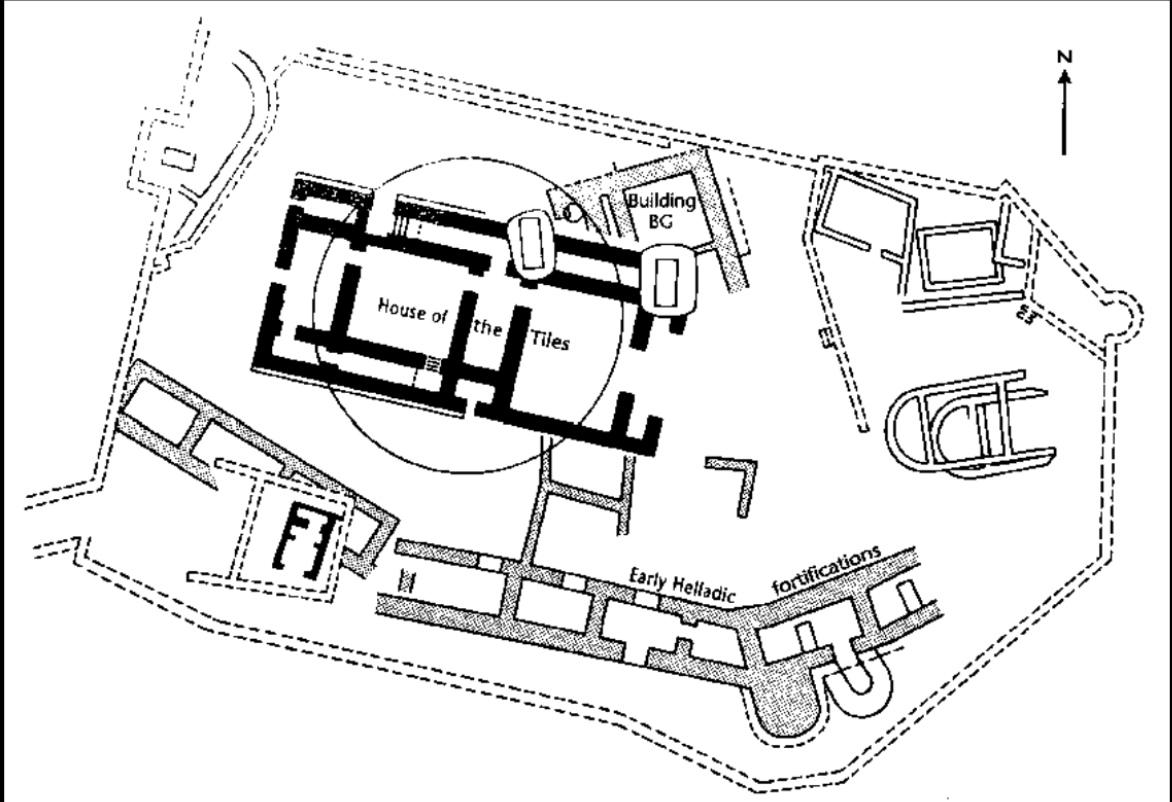
Plan of Lerna; EH II
shows the House of the Tiles!
fortified; agglomerative

Stamp seal impressions, Lerna; EH II

Sauceboat, Lerna; EH II
Urfurnis, burnishing (rubbing for a finish), pottery
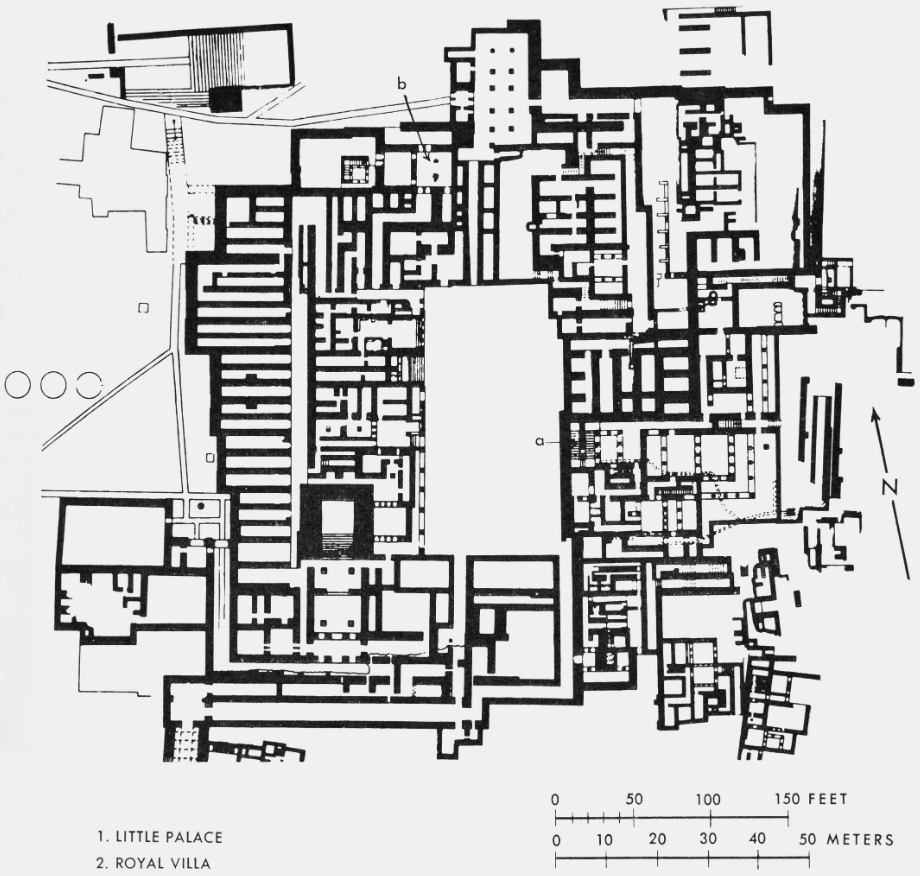
Palace Knossos Plan, Crete; MBA
monumental building excavated by Arthur Evans
Rooms with different purposes…

Lustral Basin, Malia; MBA
Use unknown, only seen at palaces (like Knossos)

Theatral Area, Knossos; MBA
shows gathering space…

Phaistos Disk, Phaistos; MM or LM
Symbols like Linear A and other hieroglyphic writing systems
Minoan script, not deciphered

Snake Goddess, Knossos; MM III
clearly ritual figure
representational depiction

Ivory Acrobats, Knossos; MM III
representational figures, clearly in motion
doing a sport? purpose unknown

Ivory Acrobats, Knossos; MM III
representational figures, clearly in motion
doing a sport? purpose unknown

Kamares Ware Jug, Phaistos; MM II
Made on the wheel, eggshell:tableware, courseware:storage

Minyan Ware, Mainland Greece; MH
color can change depending on atmosphere fired in
meant to emulate bronze?

Polychrome painted jug, Lerna; MH
emulating forms and colors of Kamares ware

Queens Hall, Pier-and-door construction, Knossos; LM
type of construction
wall painting symbolizes affinity for the natural world
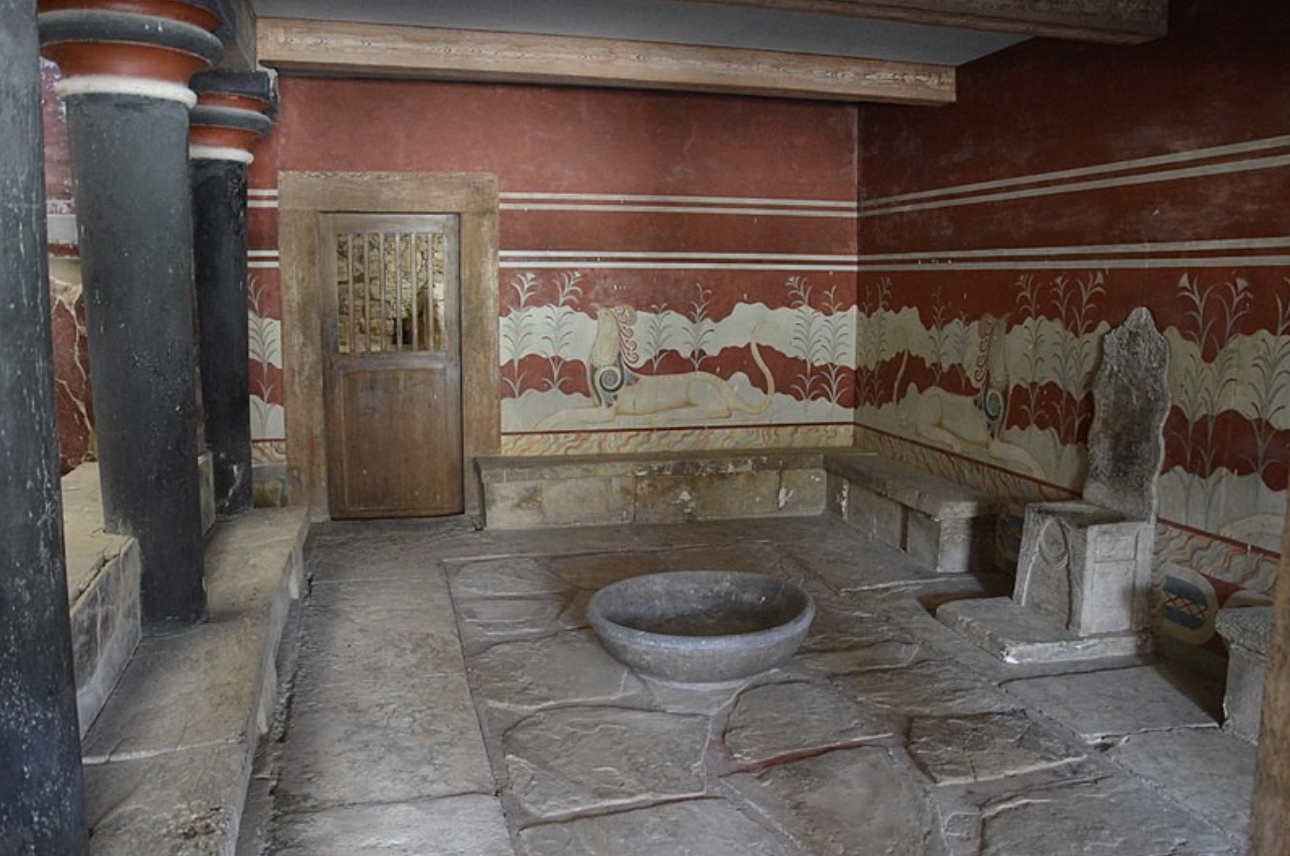
Throne Room, Knossos; LM
Wall of piers looking into a courtyard
naturalistic scene with illusionistic elements… light depth/perspective

Horns of Consecration, Knossos; LM
exact meaning unknown but frequent at palatial sites
has ritualistic connotations
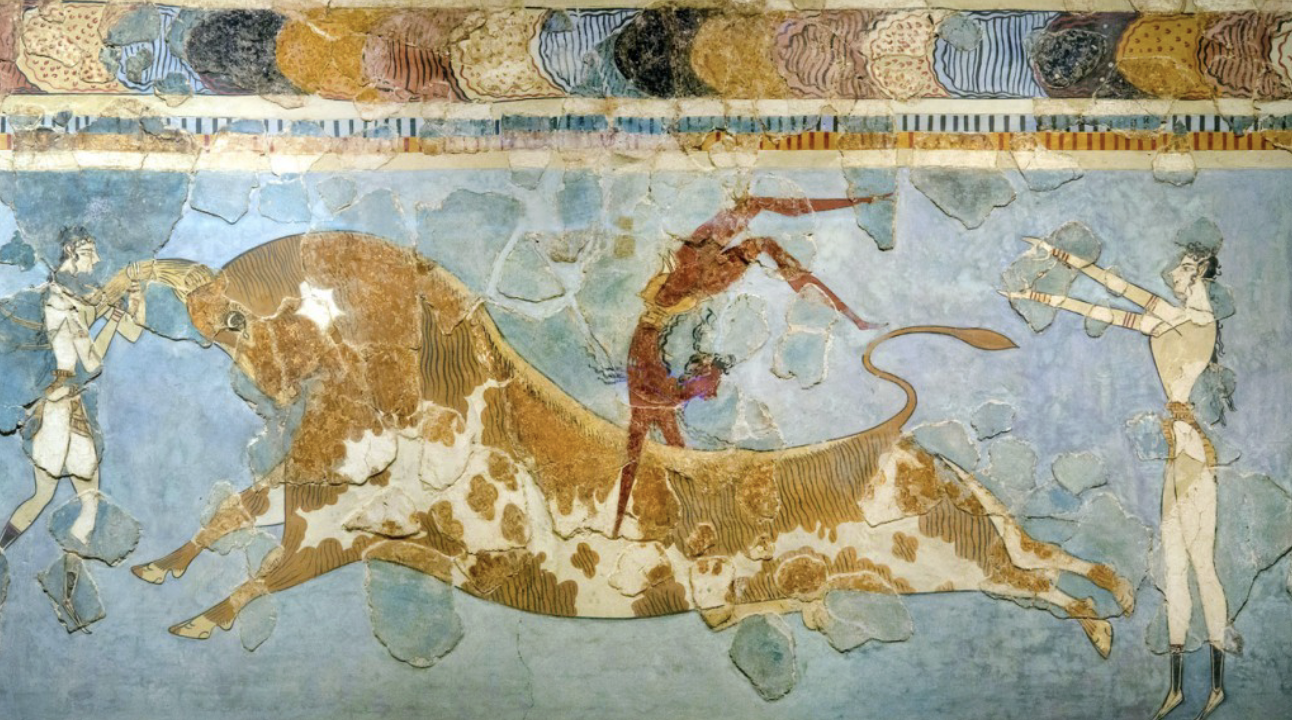
Bull Leaping Fresco, Knossos; LM
Illusionistic rendering, possible ritual practice/game/sport…

Marine Style Pot, Knossos; LM
style of stylized marine creatures
naturalistic depictions

Akrotiri, Theta; LC
agglomerative plan
minoan influence
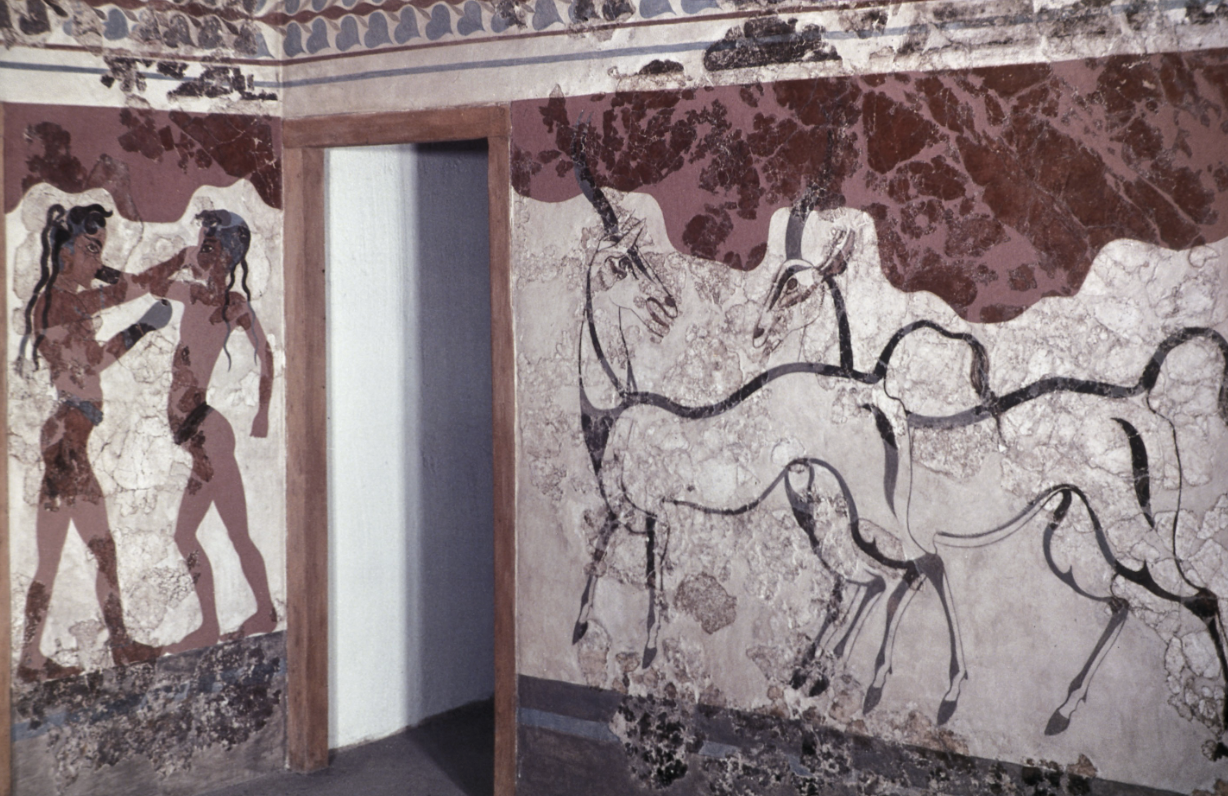
Cycladic wall painting, Akrotiri; LC
natural world depicted through animals…
two boys fighting
Minoan influence!

Saffron Gatherers, Akrotiri; LC
strong ground line
natural scene… depictions of womenS

Segment of Ship Fresco, Akrotiri; LC
renderings of human architecture and natural world
ritual? tradition?
Minoan artist/inspiration

Grave Circle A, Mycenae; 16-14th cent. BCE
shows burial practices
burial goods discovered are extensive/beautiful

“Mask of Agememnon”, Mycenae; LH I
title shows affinity for mythological representations
found in shaft grave V

Dagger blades, Mycenae; LH I
naturalistic scenes, minoan influence…
dichotomy between this and the other blade

Dagger blades, Mycenae; LH I
Displays hunting of lions, from Mesopotamian tradition of hunting as a sign of power
body proportions… Minoan influence
dichotomy between this and the upper scene
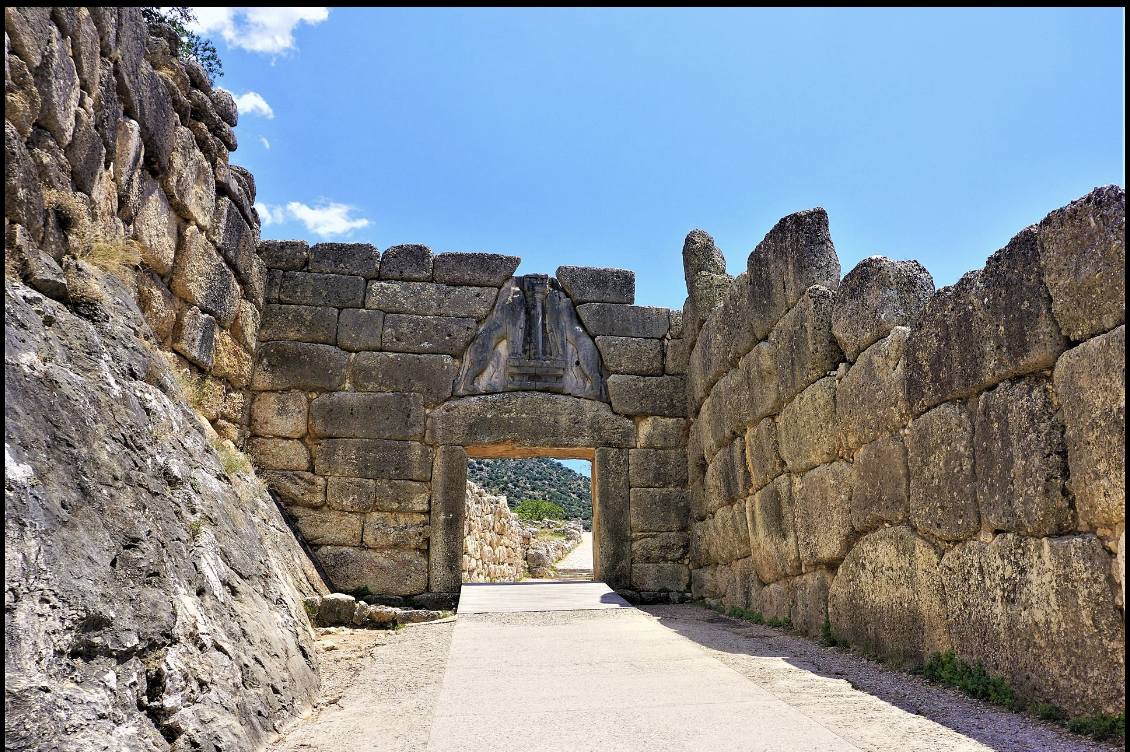
Lion Gate, Mycenae; LH III B
Example of cyclopean masonry… think of means to create this
monumental sculpture
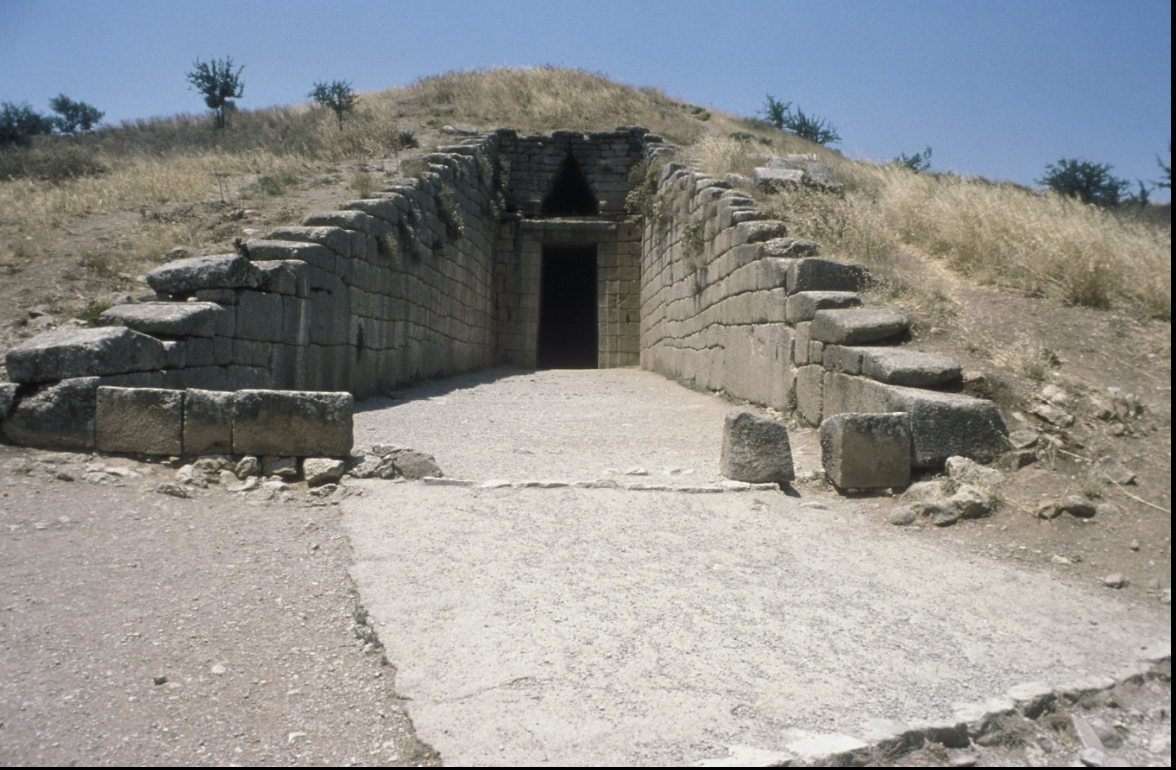
Treasury of Atreus, Mycenae; LH III B
enormous tholos tomb!
beehive shape with an extensive hallway (dromos)

Treasury of Atreus, Mycenae; LH III B
enormous tholos tomb!
beehive shape with an extensive hallway (dromos)

Megaron tripartite plan, Pylos; MH
huge building
decorated with wall paintings, natural life, etc.

Combat Agate, Pylos; LH II
I know this

Aghia Triada Sarcophagous, Phaistos; LM III
cultural shift, cross-cultural connection, depictions…

Amarna Letters, Egypt; 14th cent. BCE
Letters between egyptian pharoahs and other rulers
Diplomacy and gift exchange, intermarriage, etc.

Oxhide Ingot, Cyprus; LBA
rocks enriched with copper, mixed with tin…

Glass Ingots; 14th cent.
examples of Late Bronze Age connectivity
comes from Egypt

Medinet Habu, Egypt; 12 cent. BCE
Ramses III
“Sea peoples…”, palatial collapse
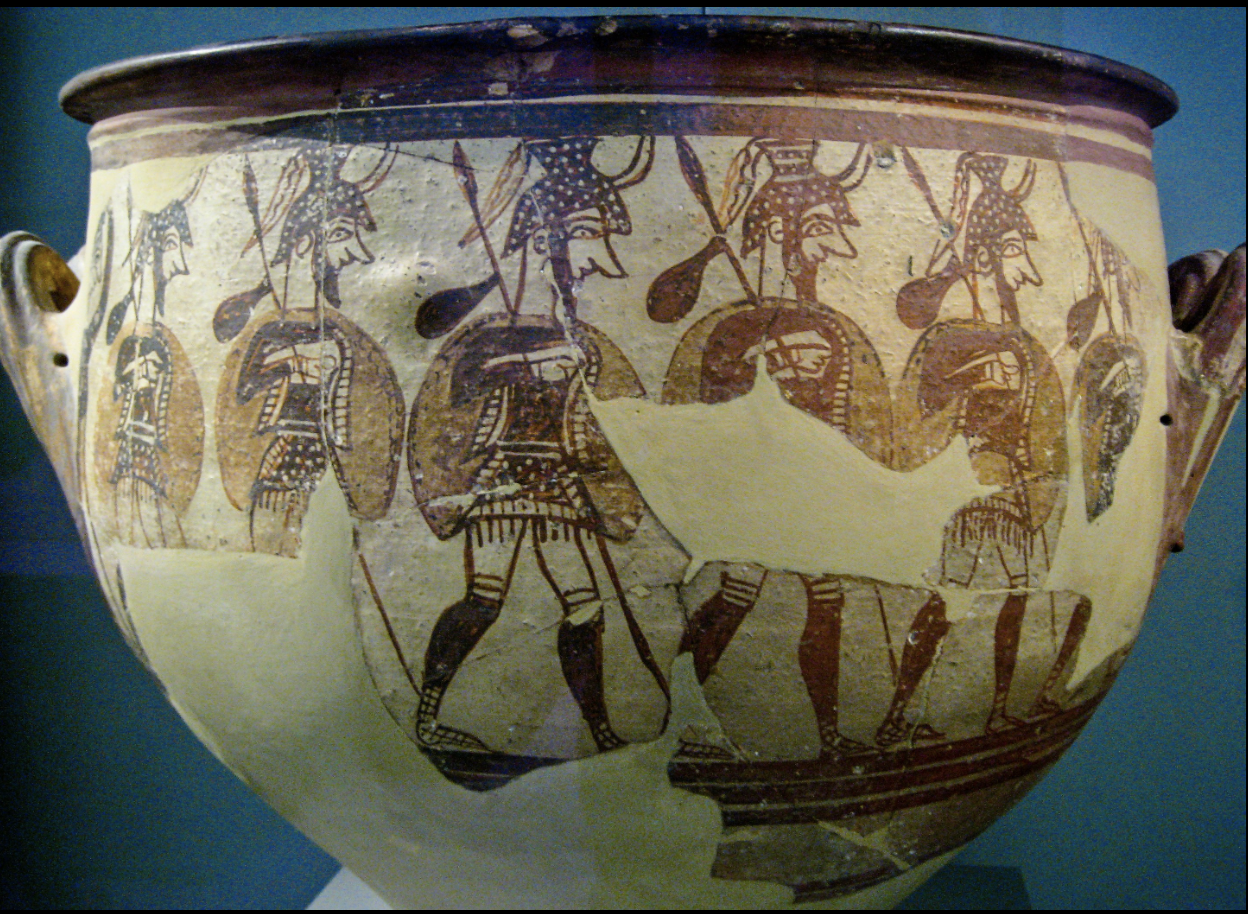
Warrior Vase (krater), Mycenae; LH III C
pictorial style!
emergence of military themes… tie back to palatial collapse?
Boar’s Tusk Helmet!

Pot depicting Horse chariots, Mycenae; LH III C
Pictorial style… military ideology
representations of animals and figures… noodle horse
interest in military power and luxury materials - appreciation for past?

Stirrup Jar, Perati; LH IIIC
octopus shape? odd to find pictorial style stirrup jars
interpreted as oil flasks
Wheel thrown

Animal depictions on Stirrup Jar from Perati; LH IIIC
depictions of naturalistic imagery
pictorial style stirrup jars are rare…
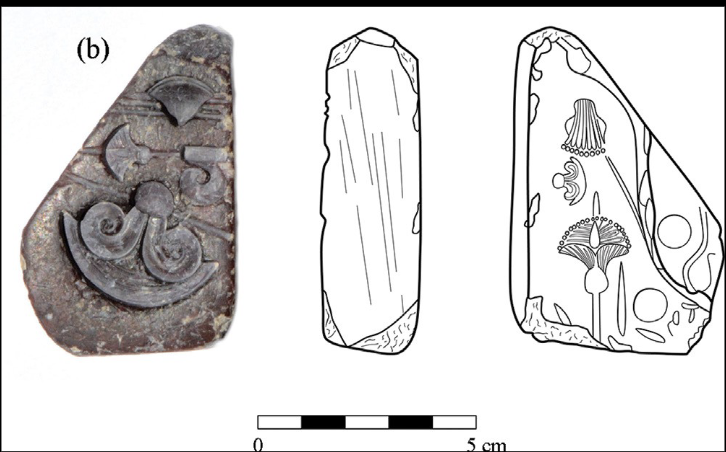
Stone (steatite) jewelry mold, Eleon; LH IIIC
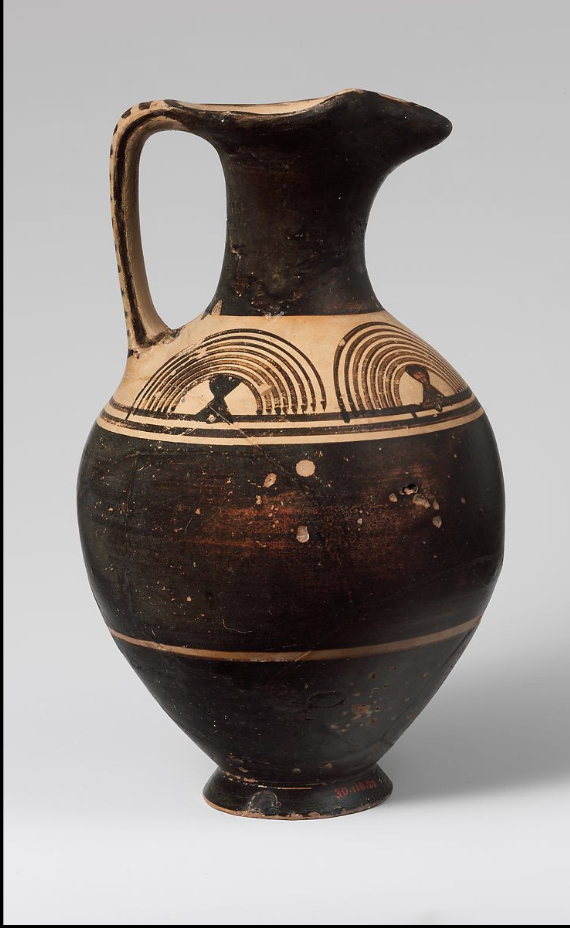
Oinochoe, Athens; 11th-10th cent. BCE
example of protogeometric pottery!
style first appeared in athens
Kerameikos cemetery

Lefkandi Heroon, Euboea; mid 10th cent. BCE
Man, woman, and four horses buried here. continued use over ~100 years…
Toumba cemetery… Huge building
Forerunner for greek temples?

Cup of Nestor, Ischia; 8th cent. BCE
one of the earliest examples of this alphabet
belongs to nestor… play on homeric epics?
displays sharing of tales across locations
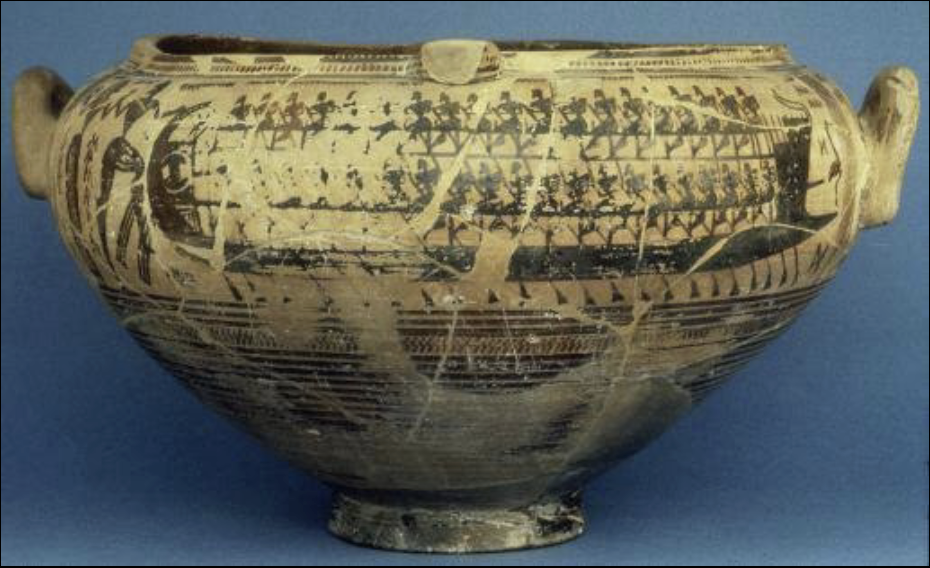
Krater, Thebes; ca. 730 BCE
Geometric pottery!
not much figural imagery… depiction of rowers across water…

Dipylon Amphora, Athens; 730 BCE
Dipylon pottery!
5 ft. tall!
Burial Vessel displaying funerary scenes

Pyxis from Argos; 7th cent. BCE?
35 year old woman’s burial
burial pot, imagery depicted
Langdon reading: revealed the lives of those who used it, identity of the woman…

Pithos from Thebes; 7th cent. BCE?
Childs burial!
burial pot, imagery depicted
Langdon reading: revealed the lives of those who used it, identity of the woman…

Tripod Cauldron, Olympia; 8th cent. BCE
dedicated to gods as an offering
tripod is fused to the cauldron

Cauldron with Griffin Heads, Cyprus; 8th cent. BCE
also used in offerings for dead
purpose of the griffins?

Pelopeion at Olympia; 7th cent. BCE
Think of the myth of Pelops and Oenomaus! The location is memorialized because of this story
One of the first panhellenic places we have evidence of.

Bronze Horse Votive, Olympia; 8th cent. BCE
Depicts charioteers and horses
a dedication to the gods! ritualistic importance at this site

Temple of Hera Hekatompedon, Samos, 8th century.
Mudbrick, central columns
Treasured location for worship
construction of temples! (cult statue at back, thatched roofs, etc.)
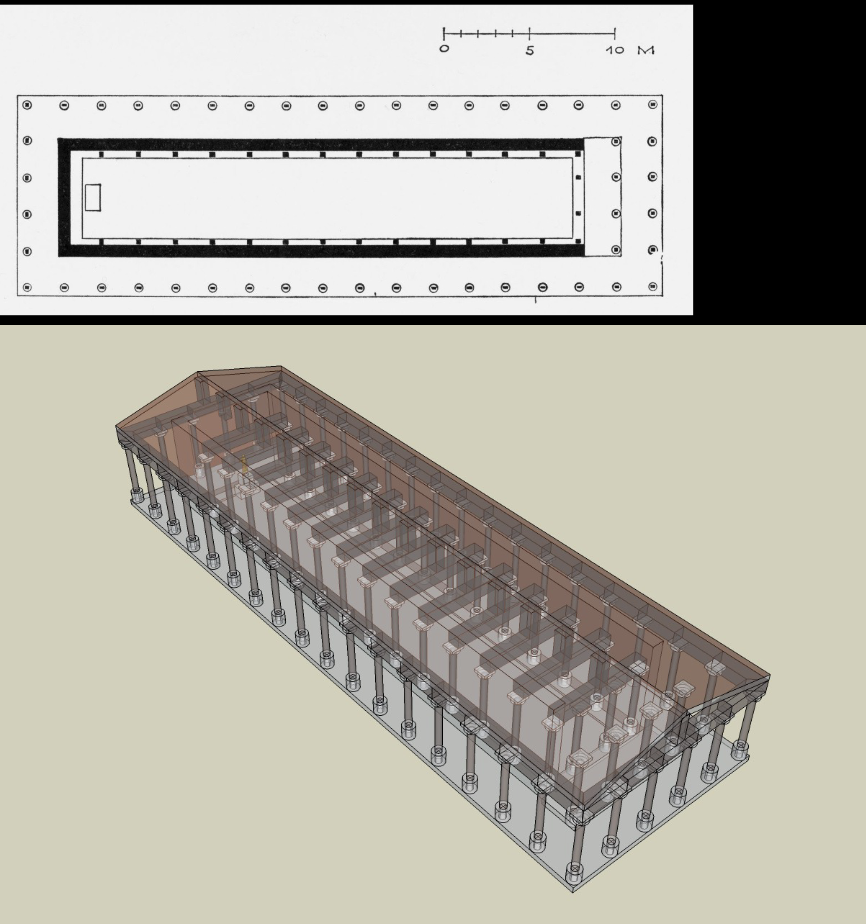
Hekatompedon II, ca. 650 BCE
constructed of stone and has two rows of interior columns! difference from 8th cent. construction