exam 2 Bio 122: Phylogenies, intro to plants, invertebrates
 Call Kai
 Learn
Learn Practice Test
 Spaced Repetition
 Match
Match Flashcards
 Knowt Play
1/99

There's no tags or description
Looks like no tags are added yet.
Name | Mastery | Learn | Test | Matching | Spaced | Call with Kai | Chat |
|---|
No analytics yet
Send a link to your students to track their progress
100 Terms
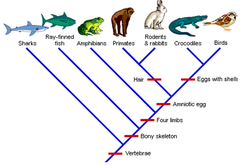
Phylogeny
evolutionary history of a species or group of species
ex) phylogeny shows that legless lizards and snakes evolved from different lineages of legged lizards
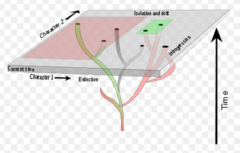
Systematics
classifies organism and determines their evolutionary relationships
recognize only groups that include a common ancestor and all its descendants
gather info about morphologies, genes, and biochem of living organisms
- used in computer programs and math tools to analyzed DNA

What is Carolus Linnaeus known for
taxonomy based on resemblances
two key features of binomial nomenclature are two-part name system for species and hierarchical classification
first is genus, second is epithet
1st letter capitalized and entire name italicized
both together name species
Linnaeus introduced taxonomic groups from broad to narrow
domain, kingdom, phylum, class, order, family, genus, species


taxon
taxonomic unit at any level
note- broader taxa are not comparable btw lineages (snails has less genetic diversity than order of mammals

phylogenetic tree
* Evolutionary history of a group of organisms is represented in branching
* Represent hypothesis about evolutionary relationships
branch point represents divergence of two evolutionary lineages form common ancestor
* Pattern of descent not phenotypic similarity
* doesn't indicate when species evolved or how much change occurred in lineage
* should not be assumed that a taxon evolved from taxon next to it

sister taxa
groups that share immediate common ancestor that is not shared by any other group

rooted tree
includes branch to represent the most recent common ancestor of all taxa in the tree

basal taxon
diverges early in history of a group and originates near common ancestor of the group

Homologies
phenotypic and genetic similarities due to shared ancestry
organisms w similar morphologies or DNA sequences are likely closely related than organisms with different structures or sequences
- infer phylogeny

applying phylogenies
phylogeny provides important info about similar characteristics in closely related species
used to identify the species of whale form which "whale meat" originated to discover if the whale was harvested illegally

analogy
similarity due to convergent evolution
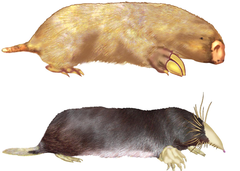
convergent evolution
when similar environmental pressures and natural selection produce similar (analogous) adaptations in organisms from different evolutionary lineages

difference between homology and analogy
comparing fossil evidence and degree of complexity
- more elements that are similar in two complex structures the more likely are homologous
-if genes in two organisms share portions of nucleotide sequence; homologous
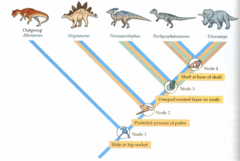
cladistics
group of organisms by common ancestry

clade
group of species that includes ancestral species and all its descendants
-can be nested in larger, but not all grouping of organisms qualify as it

polyphyletic
grouping includes distantly related species but does not include their most recent common ancestor
distinguished from paraphyletic by the fact they don't include recent common ancestor

paraphyletic
grouping consists of an ancestral species and some, but not all, of the descendants

monophyletic
signifies that it consists of ancestor species and all its descendants

shared derived characteristics
evolutionary novelty unique to particular clade

shared ancestral characteristics
originated in an ancestor of the taxon
ingroup
the various species being studied

outgroup
diverged before ingroup- closely related to ingroup

maximum parsimony
assumes that the tree that requires the fewest evolutionary events (appearances of shared derived characters) is the most likely
maximum likelihood
based on probability rules about how DNA changes over time and assumes a tree can be found that reflects the most likely sequence of evolutionary events

orthologous genes
found in single copy in the genome and are homologous between species
widespread and extend across many widely varied species
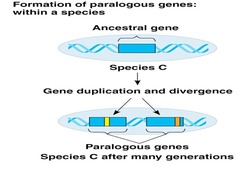
paralogous genes
result from gene duplication found in more than one copy in the genome
diverge within the species that carries them and often evolve new functions

why are algae not included in plant kingdom
they are photosynthetic protist
dont have embryos
green algae
called charophytes (predominately freshwater) are closest relatives of plants
traits plants share only with charophytes
* Rings of cellulose-synthesizing proteins
* Structure of flagellated sperm
* Formation of phragmoplast (guides cell division during cytokinesis)
- plants are not descended form modern charophytes but share common ancestor with modern charophytes
sporopollenin
in charophytes, a layer of durable polymer- prevents exposed zygotes form drying out
- found in plant spore walls
plant to land benefits
unfiltered sunlight, more CO2, and nutrient rich soil
challenges of plants to land
scarcity of water, lack of structural support against gravity
-plants are embryophytes (plants with embryos)
key traits in plants but not charophytes
* Alternation of generations
* Multicellular, dependent embryos
* Walled spores produced in sporangia
* Multicellular gametangia (produces gametes)
* Apical meristems (drives vertical growth)
Alternation of generations
plants alt btw two multicellular generations, reproductive cycle
gametophyte
haploid and produces haploid gametes by mitosis
diploid sporophyte
fusion of sperm and egg- produces haploid spores by meiosis, spores develop into gametophytes
multicellular, dependent embryos
diploid embryo is retained within the tissue of female gametophyte
nutrients are transferred from parent to embryo through placental transfer cells
plants are embryophytes because of dependency of the embryo of the parent
walled spores produced in sporangia
the sporophyte produces spores in organs called sporangia
diploid cells called sporocytes undergo meiosis to generate haploid spores
spore walls contain sporopollenin which makes them resistant to harsh environments
multicellular gametangia
gamestes are produced within organs called gametangia
female gametangia= archegonia-single nonmotile egg
male gametangia= antheridia- produce and release sperm
egg is fertilized within an archegonium
apical meristems
plants sustain continual growth in length by repeated cell division within the apical meristems
cells from apical meristems differentiate into various tissues

additional derived traits
cuticle- waxy covering of epidermis
stomata- specialized cells that allow for gas exchange btw the outside air and plant
mycorrhizae- symbiotic associations btw fungi and plants, may have helped plants without true roots obtain nutrients
vascular tissue
cells joined into tubes for transport of water and nutrients; these constitute the vascular plants
nonvascular plants
bryophytes

seedless vascular plants clades
lycophytes and monilophytes
seeless vascular plants dont form a clade
organisms that are grouped based on shared key bio features rather than shared ancestry, can be referred to as a grade
lycophytes ex
club mosses and relatives
monilophytes examples
ferns and relatives

seed
embryo and nutrients surrounded by a protective coat
seed plant clades
gymnosperms and angiosperms
gymnosperms
produce seeds that are not enclosed in chambers

angiosperms
produce seeds that develop inside chambers that originate within flowers
bryophyte examples
- rep by three phyla of small, herbaceous (nonwoody) plants
* liverworts, phylum hepatophyta
* mosses, phylum bryophyta
* hornworts, phylum anthocerophyta
bryophyte gametophytes
all three bryophyte phyla, gametophytes are larger and longer-living than sporophytes
sporophytes are typically present only part of the time
their height of this is constrained by lack of vascular tissues
in mature ___ produce flagellated sperm in antheridia and an egg in each archegonium
sperm swim through a film of water to reach and fertilize the egg
protonema
a spore germinates into a gametophyte composed of this
and one or more gamete producing (gametophores)
rhizoids
anchor gametophytes to substrate

bryophytes can reproduce asexually
some mosses produce brood bodies small plantlets that detach from the parent plant and grow into genetically identical copies of their parent
sporophyte
consists of a foot, seta (stalk), and sporangium, also called capsule, which discharges spores through a peristome
byrophyte sporophytes
never live independently of gametophyte; they are the smallest and simplest sporophytes of all extant plant groups

difference in liverworts from hornwort and moss sporophytes
hornwort and moss sporophytes have stomata; liverworts dont
ecological and economic importance of mosses
mosses inhabit diverse and extreme environments but common in moist forests and wetlands. colonize bare, sandy soil to help reduce nitrogen loss form soil; other harbor nitrogen fixing cyanobacteria
Peat- moss
or Sphagnum forms extensive deposits of partially decayed organic material known as this-
used for fuel
low temp, pH, and oxygen level of these in abundancy inhibit decay of moss and other organisms
ferns and other seedless vascular plants
- first to grow tall
-vascular tissue allow plants to grow tall
-like bryophytes seedless vascular plants have flagellated sperm and are usually restricted to moist environments
vascular plants
- early had independent branching sporophytes
-lifecycles w dominant sporophytes
-well developed roots and leaves
-spore bearing leaves called sporophylls
-in contrast with bryophytes, sporophytes of seedless vascular plants are the larger, more complex generation

types of vascular tissue in vascular plants
xylem and phloem
xylem
conducts most of the water and minerals and included tube- shaped cells called tracheids
water conducting cells are strengthened by lignin and provide structural support

phloem
has cells arranged into tubes that distribute sugars, amino acids, and other organic products
roots
organs that anchor vascular plants
enable vascular plants to absorb water and nutrients from the soil
evolved from subterranean stems

leaves
organs that increase the surface area of the vascular plants, thereby capturing more solar energy that is used for photosynthesis
two types: microphylls and megaphylls
microphylls
type of leaf that is small spine shaped leaves with a single vein
megaphylls
leaf- larger with a highly branched vascular system
sporophylls
modified leaves with sporangia
sori
clusters of sporangia on the undersides of sporophylls
strobili
cone like structures formed from groups of sporophylls
homosporous vs heterosporous
most seedless vascular plants are homosporous, producing one type of spore that develops into a bisexual gametophyte
all seed plants and some seedless vascular plants are heterosporous
heterosporous species produce megaspores which give rise to female gametophytes and microspores which give rise to male gametophytes

Phylum Lycophyta
one of two clades of seedless vascular plants
includes club mosses, spike mosses, and quillworts
-moist swamps but diversity declines when climate is drier
- small herbaceous plants
club and spike mosses have vascular tissue and not true mosses

phylum monilophyta
one of two clades of seedless vascular plants, included ferns, horsetails, and whisk ferns and their relatives
-fern is most widespread seedless vascular
-most diverse in tropics but thrive in temperate forests
-horsetails were diverse during carboniferous- now genus equisetum
-whist ferns resemble ancestral vascular plants but are closely related to modern ferns

what happened to seedless vascular plants
time pressure and heat makes - peat to lignite to coal

invertebrate
animals lack backbone, 95% of known animal species

Phylum Porifera
sponges- sessile and have porous body and choanocytes/ flagellated collar cells (generate water currents through sponge and ingest suspended food)
live in fresh and marine
lack true tissues and organs
suspension feeders- capture food particles suspended in the water that passes through their body
most sponges are hermaphrodites (both male and female)
all animals except sponges belong to clade Eumetazoa, animals with true tissues.

clade eumetazoa: phylum cnidaria
oldest groups in clade
radial symmetry, gastrovascular cavity, and cnidocytes
sessile and floating forms; jelly corals and hydras
-simple diploblastic (ectoderm and endoderm)
-sac with central digestive compartment, gastrovascular cavity
single opening- mouth and anus
two body plants polyp (mouth up) or medusa (mouth down)
-carnivores - use tentacles to capture prey- armed with cnidocytes function as defense as well

phylum cnidaria: class hydroza
portuguese man of war, hydras, corals- most marine few freshwater, polyp and medusa stages, in most species; polyp is colonial

phylum cnidaria: class scyphozoa
jellies, sea nettles- all marine, polyp stage reduces; free swimming, medusae up to 2 m in diameter

phylum cnidaria; class cubozoa
box jellie, sea wasp- all marine; box shaped, medusae; complex eyes

phylum cnidaria: class Anthozoa
sea anemones, most corals, sea fans: all marine, medusa stage completely absent, most sessile: many colonial

Clade Bilateria
most animals have this symmetry, triploblastic developments
3 layers: ectoderm, mesoderm, endoderm

Phylum Platyhelminthes
flatworms, live in marine, freshwater, damp terrestrial
-flattened dorsoventrally and have gastrovascular cavity
-undergo triploblastic development
-acoelomates: lack fluid filled body cavity between body wall and digestive track

Phylum Platyhelminthes, Class Trematoda
trematodes, flukes; parasites, always vertebrates: two suckers attach to host: most life cycles include intermediate hosts
monogeneans and treatodes live as parasites in or on other animals parasitize a wide range of hosts
Phylum Platyhelminthes, Class Turbellaria
mostly free-living flatworms- marine, some freshwater, few terrestrial; predators and scavengers; body surface ciliated
turbellarians/ planarians - have light sensitive eyespots and centralized nerve nets
Phylum Platyhelminthes: class Monogensea
marine and freshwater parasites: most infect exteranl surfaces of fishes; life history simple; ciliated larva starts infection on host

Phylum Platyhelminthes, Class Cestoda
tapeworms; parasites of vertebrates;scolex attaches to host; proglottids produce eggs and break off after fertiliztion; no head or digestive system; life cycle with one or more intermediate hosts
tapeworms- lack digestive system
Phylum Rotifer
are tiny animals that inhabit fresh water the ocean, and damp soil
smaller than many protist
multicellular and have specialized organ systems
- alimentary canal-digestive tybe with seperate mouth and anus that lies within a fluid-filled pseudocoelom: only partially lined by tissue derived from mesoderm
rotifers reproduce by parthenogenesis- in which females produce more females from unfertilized eggs
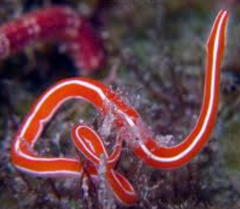
phylum nemertea
proboscis worms or ribbon worms
anatomy- nemerteans unique proboscis is used for defense and prey capture, extended by a fluid filled sac
-closed circulatory system
-blood is contained i vessels distinct from body cavity fluid
-coelomic: fluid filled body cavity to protect organs (54 meters length)
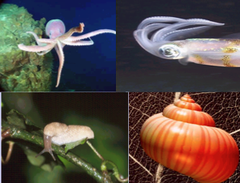
Phylum Mollusca
muscular foot, visceral mass, and a mantle
-includes snails, slugs, oysters clams, octopi and squids
most are marine some fresh and some terrestrial
soft bodied animals most protected by shell
-separate sexes w gonats located in visceral mass
-life cycle included ciliated larval stage called trochophore

Phylum Mollusca, Class Polyplacophora
chitons, oval shaped mairne animals encased in armor of eight dorsal plates; marine, shell with eight plates; foot used for locomotion; radula; no head

Phylum Mollusca, Class Gastropoda
marine, freshwater, or terestrial, snails/slugs, assymetrical, body w coiled shell, shell reduced or apbset in somel foot for locomotionl radula
-torsion, which causes animals anus and mantle to end up above head (most distic)

Phylum Mollusca, Class Bivalvia
clams, mussels, scallops, oysters, marine and freshwater, flattened shell w two valves, head reduced; paired gills; no radulal most suspension feeders, mantle forms siphons
- gills used for feeding as well as gas exchange

Phylum Mollusca, Class Cephalopoda
squids, octopus, cuttlefish, chambered nautiluses, marine, head surrounded by grasping tentacles, usually suckers, shell external, internal or absent; mouth with or without radula; locomotion by jet propulsion using siphon made from foot
-carnivores with beak like jaws
- octopuse creep along sea floor for prey
-squid use siphon; fire jet of water, which allows fast swimming
- nautilus shelled; survies today

phylum annelida
segmented worms
bodies composed of series of fused rings

Phylum Annelida, Class Oligochaeta
freshwater, marine, and terrestrial segmented wors; earthworms; reduced head, no parapodia, chaetae present
-sparse chaetae, or bristles made of chitin
-earthworms and variety of aquatic species
-earthworms eat way thrugh soil, extracting nutrients, as soil moves through alimentary canal
-helps till the earth making worm valuable to farmers

Phylum Annelida, Class Polychaeta
mostly marine, segmented worms, well developed head, each segment usually has parapodia with chaetae; tube dwelling and free living
-possess paddlelike parapodia that function as gills and aid in locomotion