Plant Ecology exam 1 review
 Call Kai
 Learn
 Practice Test
 Spaced Repetition
 Match
 Flashcards
 Knowt Play
1/119

There's no tags or description
Looks like no tags are added yet.
120 Terms
Plant ecology
the study of relationships btwn plants and their environment/ other plants and animals
study of plant communities
Endosymbiosis theory:
eukaryotic plant cells came from prokaryotes; plants shaped the biosphere
Gymnosperms
naked seed; conifers (Pinaceae largest family) *needle/scale-like
Angiosperms
Bear flowers and fruit (seed enclosed within a fruit); xylem has a vessel elements
Plant Ecosystems
abiotic (non-living) *climatic (rain, light, wind, temperature) Edaphic (soil, pH, minerals and topography)
biotic (living) *producers, consumers, and decomposers (autotrophs, heterotrophs, and saprotrophs)

Biome
large area defined by its abiotic factors and the species that live there

Ecosystem
community of organisms that are able to interact with each other and their environment

Community
various organisms living in the same place

Populations
the same species living in the same place

Individual
one single plant (not a group)
Biodiversity
is heterogeneity in the natural world; is the fundamental concept of ecology
has an uneven distribution of traits, species, resources, etc
Spatial
variation in space (how much space is being taken up by the plant community)
Temporal
variation in time (how much time it takes for the plant to grow)
Plant traits
characteristics/features; strategies for survival
are able to determine how they react towards their environment and have influences of species interactions such as:
1) competition
2) herbivory
3) pollination and etc
are able to influence ecosystem interactions such as:
1) water usage
2) decomposition and etc
Plant ecology research
have 2 type of experiments:
1) natural ( after a hurricane/volcano)
2) manipulative (manipulate what you are able to see; field studies and or lab/greenhouse experiments)
Observational studies
see what’s happening in nature (no manipulation)
Models
just include math (statistics) *independent and dependent variables, sample size range etc
Plant Taxonomy
Family genus is important for plant ID (plant identification)
What are the steps for Plant ID?
steps to Plant ID:
1) Botanical names=> Latin or Latinized words
2) Family name is capitalized, NOT italicized; ends with -aceae
3) Genus (plural genera) CAPITALIZED AND ITALICIZED; Genus can be abbreviated after spelling it out
4) Species is lowercase and ITALICIZED
What is an example of Plant Taxonomy ID?
Glycine max (Fabaceae), Albertinia brasiliensis (Asteraceae) and Vitis vinifera (Vitaceae)
What is the history behind plant ID? (plant identification)
Early humans used plants for food/medicinal herbs; traditionally handed down from generation to generation
Why is Botany important?
is the source of all food and oxygen on Earth
implications in science→ laws of inheritance and transposable elements
agriculture/health and medicine→ used for thousand of years!

Monocots vs Dicots
Monocot→ 1 single leaf (cotyledon); parallel leaf pattern, and has 3 floral petals
Dicot→ 2 single leaves (cotyledons); net leaf pattern and has 4-5 floral petals


How to identify plants today? Where are they located?
1) Morphology (golden standard) most useful parts are: flowers, fruits and leaves
greatest diversity
limits you to their flowering/fruit season
difficult to identify during dormancy
2) Dichotomous key for previously identified plants
Location of plant→ preferred microhabitat (sun, shade, by water etc)/ native range
Dichotomous key
tool used to identify organisms; gives 2 choices for each step leading to finding the correct organism and name of plant!
What are the micro and macro features? And how do they help with plant ID?
Micro→ xylem, vessels, stomatal arrangement, position of the ovary, and pollen
Macro→ form, leaf shape, type of inflorescence (in flowers)
Macro features are used for field ID
Micro features are used for ID after dissection in a lab/herbarium
Herbarium
Plant library
Has dried, pressed plants cataloged in cabinets by taxonomy
Annual? Winter Annuals? Summer annuals?
Annual→ complete entire life cycle in 1 year
Winter Annual→ germinate in fall
Summer Annual→ germinate in spring
Perennial
lives for more than 1 year
Monocarpic? Biennial? Polycarpic?
Monocarpic→ reproduce only once in a lifetime
Biennial→ grows 2-3 years, reproduces then dies
Polycarpic→ reproduces many times in lifetime
Simple vs Compound
Simple leaf→ looks like a heart
Palmately compound leaf→ shaped like the palm of your hand
Pinnately compound leaf
Double compound leaf

Deciduous leaves
leaves that are flat'; broad leaved
Leaf arrangement

Leaf shapes and margins (advanced)

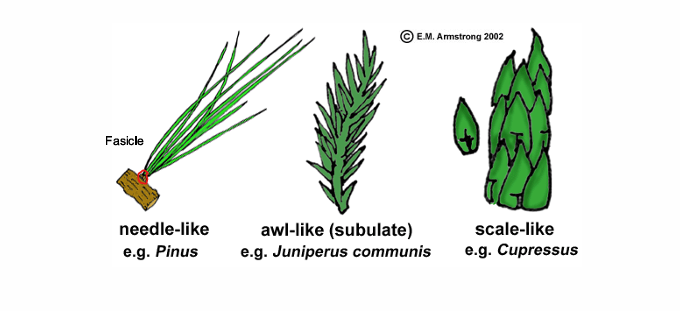
Conifer leaves are also known as
Pinecone leaves/ coniferous leaves
have needle-like (Pinus)
awl-like (subulate) (Juniperus communis)
scale-like (Cupressus)
Leaf texture:
Sclerophyllous, Scabrous, Membranous, Tomentose, and Puberulent?
Sclerophyllous= tough, dense or leathery
Scabrous= rough to the touch; like sandpaper
Membranous= thin, soft, and translucent
Tomentose= woolly
Puberulent= hairy/ (downward motion) very short hairs
Leaf texture (cont’d)
Pubescent, Glaucous, Glabrous and Viscid?
Pubescent= hair (downward motion, short→ medium hairs
Glaucous= covered w/waxy or resinous material (grapes)
Glabrous= smooth (no hairs and shiny like waxed leg)
Viscid= sticky/glutinous or syrupy (like tree sap)
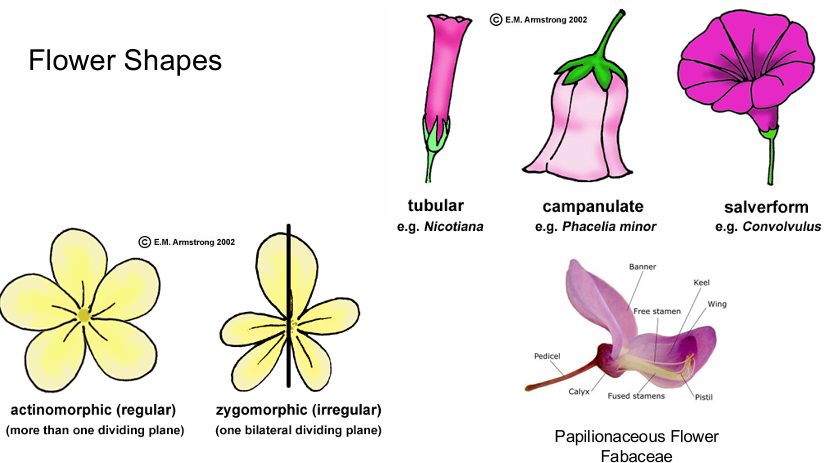
What are the 5 flower shapes?
1) tubular
2) campanulate
3) salverform
4) actinomorphic (regular has more than 1 dividing plane)
5) zygomorphic (irregular has one bilateral dividing plane)
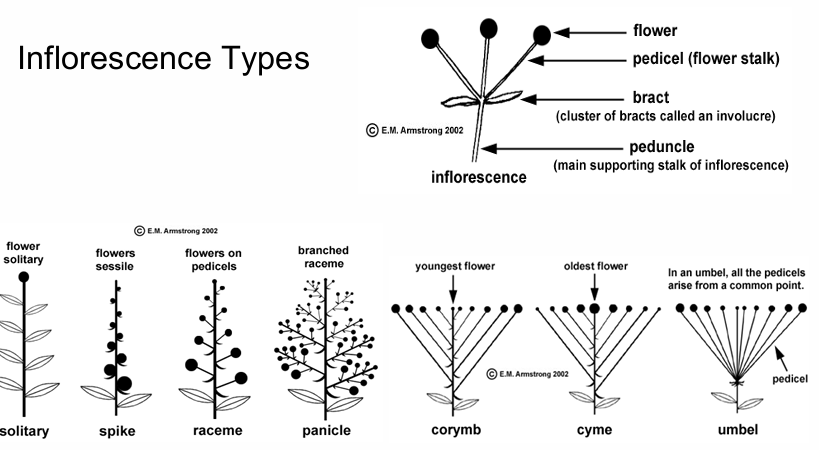
What are the 7 inflorescence types?
1) solitary
2) spike
3) raceme
4) panicle
5) corymb
6) cyme
7) umbel
What are the 4 different types of roots?
1) taproot (swollen)
2) taproot (primary)
3) taproot (equal)
4) fibrous

What is the difference btwn thorns and spines?
Thorns→ are modified stem
Spines→ are modified leaf
T or F: Areoles are unique to the Cactaceae (cactus) family
True
Texture? How can it describe the bark?
most important feature
furrowed, papery, peeling, fibrous etc

Lenticels
pores for gas exchange
What types of fruits have lenticles?
1) avocadoes
2) mangoes
3) pears
4) plums
Potato is NOT a fruit but has a lenticle!!!
Raunkiaer Classification Dormant Buds
categorizes plants based on where their perennating buds (surviving growth points) are relative to the soil *during cold/dry seasons
Grimnes CSR model
*important for plant ecology
C→ competition environment (100% competitors)
resources are abundant + predictable
selects for competitive ability (like an oak tree=> sucks up water and nutrients)
S→ stress environment (100% stress)
resources are scarce (like the desert)
selects for the ability to have a slow growth rate
R→ ruderal/rubble environment (100% rubble/ weeds)
resources are temporarily abundant
has fast growing seeds (weeds and invasive species)

What are the alternative methods of ID?
1) Genetics→ DNA barcoding
2) Microscopy→ Trichomes and Pollen
3) Phytochemistry→ certain phytochemicals are only produced in selected families; can detect poisonous plants in the field
Trichomes
tiny hairs that are on leaves and stems of some plants; some are sharp like glass
What is the importance of accurate plant ID?
communication
reproducibility; to be able to find the plant again
Can there be incorrect ID/ confusion?
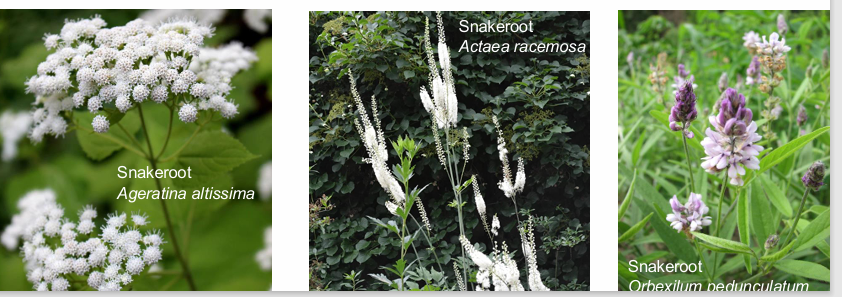
Yes; uses common name instead of Latin name can cause confusion ex: snakeroot have different names
confusion can affect:
medical, political, and environmental
plants are used for pharmaceuticals
biopiracy and quarantines
adulteration of food and dietary supplements (Chinese honey example)
wildcrafting medicinal herbs
endangered plants for protection (sandalwood)
Invasive species vs weeds
Invasive species→ species that have or are rapidly expanding/growing outside of their native range and have demonstrable (obvious) ecological or economic impact on the environment
Weeds→ native and also non-native ruderal (rubble) species *grow in rubble
Propagation? Propagule? Propagule pressure?
Propagation→ making new daughter plant from mother plant
Propagule→ any part of a plant that aids in propagation (seeds, runners, roots; any other piece of plant that helps make daughter plants)
Propagule pressure→ # of propagules (seeds) produced X how often they are produced; can be used to predict/ prevent invasions
What are the invasion stages?
1) transport
2) establishment
3) spread
4) impact
Introduction pathways
intentional→ has horticulture/ornamental and human and animal food, forestry, erosion control and hedge rows/living fences
accidental→ ballast, stowaways, and seed contaminants *weed seeds (Persicaria and Agrostemma) in winter rye
What are the few common invasive species in NJ?
1) Ailanthus altissima (tree of heaven)
2) Alliaria petiolata ( garlic mustard)
3) Acer platanoides (Norway maple)
4) Microstegium vimineum (Japanese stilt grass)
5) Berberis thunbergii (Japanese barberry)
6) Celastrus orbiculatus ( oriental bittersweet)
What are some traits that make invasive species plants successful?
1) high propagule matter
2) environmental match
3) disturbed environments/ including human disturbances
4) habitat invasibility
5) enemy release (all enemies are left behind and can’t go with me!!!)
6) EICA (evolution of increased competitive ability)
7) Novel weapons (allelopathy)
8) high growth rates and high resource-use efficiency
9) wide ecological tolerance
Enemy release hypothesis
introduced species have few natural enemies in new ranges than in home ranges, so freed from herbivory, parasitism, disease etc
ex: Chrysanthemoides monilifera (native to South Africa) and Acacia longifolia (native to Australia) both species have greater flower and seed production when grown in other countries and both benefit from the escape of pests from native pests or no pests in other country
Novel weapons hypothesis
introduced species have new ways of allelopathy; native species in the introduced range are not adapted to these chemicals
ex: Centaurea maculosa; stronger allelopathic effects on native species in the invaded range than European species
Evolution of Increased competitive ability hypothesis (EICA)
introduced species are successful because they have the ability to rapidly adapt to new conditions by reallocating resources to competitive traits
ex: Silene latifolia spends fewer resources on defense traits and performs better in new range (germination, survival) and flowering)
What are some examples of ecological and economic impact?
Ecological impact→ invasive plants impact entire communities
Economic impact→ expensive to get rid of
Management stages
1) prevent→ arrive; species introduced from the external environment
2) eradicate→ establish
3) contain→ reproduce and spread
4) control→ displace natives
5) maintain→ dominate ecosystem
Disturbance vs Succession
Disturbance→ the sudden change in environmental conditions that disrupts an ecosystem
Succession→ process by which natural communities replace or “succeed” one another over time
Primary vs secondary succession
Primary succession→ starts from a new patch of ground (ex: after a volcano eruption)
Secondary succession→ succession restarts but does NOT start from scratch (ex: after a fire had happened)
Types/examples of disturbance
Floods
Fires
windstorms
volcanoes
insects
humans
gaps
Forest fire types/intensity?
Crown fire= most intense type of wildfire! Burn the forest canopy, live and dead plant material; has a wall of flame from surface to canopy
Surface fire = less intense type of wildfire! Burn loose needles, moss, herbaceous vegetation, shrubs, small trees, and saplings. amount of surface fuel, moisture, wind, slope determines spread and intensity; can spread to become crown fires!
Ground fire= burn mostly decayed roots below ground and in “duff” layer; slow smoldering spread; less intense
What are some examples of human disturbance?
Climate change
Invasive species
pollution
urban development/ trails and roads
agriculture/ logging
alterations to hydrology
warfare
Beaver disturbance?
build dams and lodges (altered hydrology) with their teeth; build canals to float logs
herbivory restructures the forest ecosystem; kill mature trees by herbivory and flooding *water lodge the soil around them
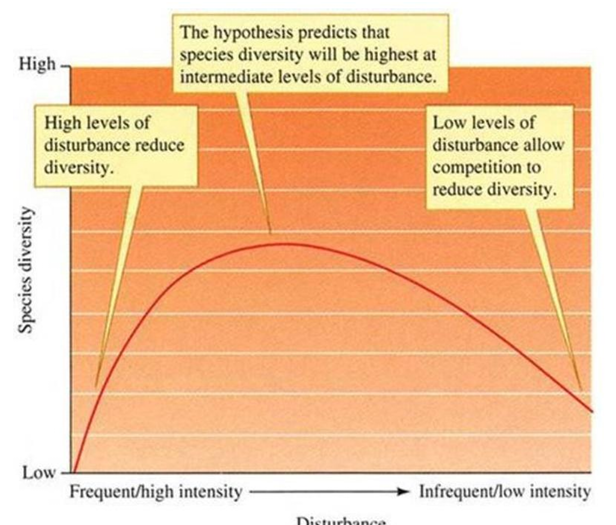
Intermediate disturbance hypothesis
disturbance→ x-axis
species diversity→ y-axis
high levels of disturbance reduce diversity *low diversity levels
the hypothesis at the top predicts that species diversity will be highest at intermediate levels of disturbance
low levels of disturbance allow competition to reduce diversity *low species diversity
Case study- NJ Pine Barrens?
largest example of Atlantic coastal pines barrens ecosystem
nutrient poor; sandy soils
evolution of the pine barrens:
premise→ fire in the NJ pine plains has selectively maintained a dwarf growth form of a pitch pine (Pinus rigida)
distinct from surrounding tall forest (pine barrens)
several adaptations to fire
experiment→ P. rigida seedlings from pine plains & pine barrens grown in 6 different locations for up to 36 yrs!
key results→ pine plain trees kept their unique fire adaptation traits regardless of the location where they were grown
conclusion→ pine plains is a unique ecotype that evolved in response to disturbance
Adaptations that they have:
*had serotinous cones→ only open after fire to release seeds and disperse; if no fire, they stay shut; also had epicormic branching and super thick bark
*pine plains trees also remained shorter, smaller and less straight

Ecosystem during succession
increased:
1) biomass
2) primary production
3) nutrient retention
4) organic content
5) soil depth
What are some examples of primary succession?
Floodplains→ wash away
Coastal dunes→ vegetation and storm that could be just sand
mine spoil→ human disturbance
glaciers moraines→ allows bare soil to be in its placed while all of the glaciers have melted away
Primary succession at Liberty State Park?
dump garbage to leave out liberty state park(intertidal mud raft and saltmarsh) (Brownfield & rail yard); was abandoned; then plants regenerated
Succession stages at HMF
ex of secondary succession
1-2nd year→ summer and winter annuals such as grass and mustard species
3-7th year→ perennial dominate around 5 yrs; field is dominated by goldenrods
7-15 years→ eastern red cedar begins to move in and dominate w/ goldenrods, daises, asters and yarrows and then some hardwoods come in
15-25→ red cedar still dominating; trees such as maples and oaks start to increase
25 years on→ hardwood species dominate; start to see shade herbs/shrubs and dense forest; forest is dominated by oaks and hickories

Factors affecting ecological succession
species traits→ seeds & dispersal; environmental alteration & tolerances
disturbance→ frequency & intensity
species interactions→ facilitation(nurse plants) inhibition (competition and allelopathy) and herbivory
Factors affecting succession
*colonization depends on source of seeds
from nearby sites
seed bank
preadapted plants to the restoration site
dispersal of seeds depends on→ seed rain “bird poop” and dispersal by wind, water or animals
establishment of plants depends on→ availability of “safe site” & seed bank
important factors in colonization in plants→ on primary sites: seed dispersal, germination and vegetation propagation; on secondary sites: seed bank or growth of vegetative underground parts of plants
persistence of plants depends on→ seed production of local plants for further population expansion
Origin of plants green algae is known as?
charophytes and a paraphyletic group from which land plants originated
What is the order of evolution? plants and groups of plants?
Charophytes, then Bryophytes, and then Vascular plants (seedless→ lycophytes and pterophytes and seed plants→ gymnosperms and angiosperms)

Bryophytes
mosses, liverworts, and hornworts
have no vascular system
reproduce by spores
form embryos but no seeds
can survive on rocks and bare soil ( patio pavers)
lifecycle dominated by haploid (n) gametophyte form

Moss
some have rudimentary vascular systems
have thread-like rhizoids (anchorage but not roots)/ primary biomass in peat

Liverworts
looks like kelp
resembles lizard skin
lives in wetland areas
have single-celled rhizoids
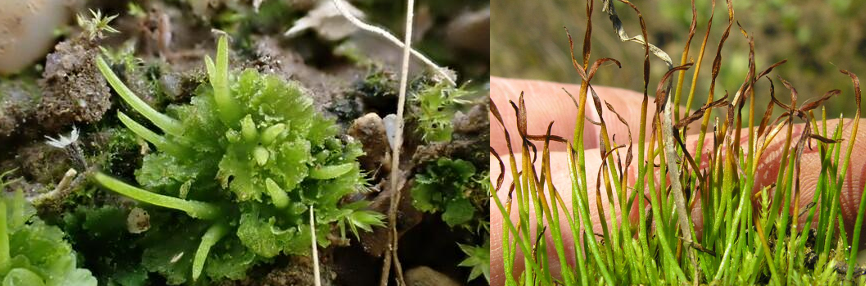
Hornworts
elongated “horn” shaped structure is sporophyte stage
Flat body is gametophyte stage
grow in moist, humid areas
Land plants are also known as:
Embryophytes
Extant
species that are still alive to this day
Monilophytes consists of:
1) Lycophytes (club mosses)
2) Horsetails
3) Whisk Ferns
4) Leptosporangiate Ferns and Allies

Lycophytes (club mosses)
oldest group of extant plants
have microphylls (leaves with 1 vein)
extant species are small; produce spores

Horsetails
Genus Equisetum
300 mill years old/ reduced leaves
stems w/nodes
strobili-like stalks
contain silica for reinforcement

Whisk Ferns
primitive vascular tissue
no true leaves/ roots
may grow as an epiphyte
Gymnosperms consist of:
1) Cycads
2) Ginkgos
3) Gnetophytes
4) Conifers

Seed Fern (Pteridosperms)
have fossil seeds

Progymnosperms
wood
first true trees
has deeper roots
helped cool the planet
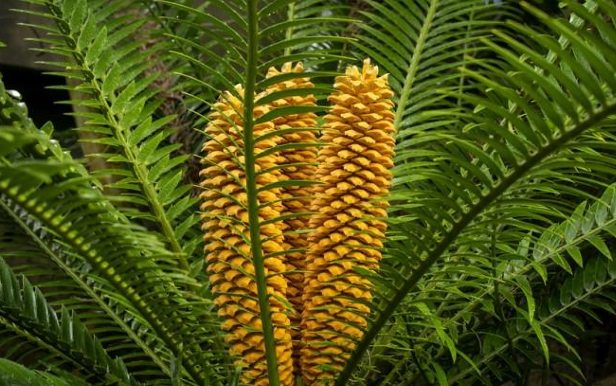
Cycads
bridge to gymnosperms
palm-like plants
abundant during the time of dinosaurs
retains features of ancient seed ferns

Ginkgo
only 1 extant species: Ginkgo biloba
has unique fan shape
native to China; thought it was extinct
Dioecious (has both male and female plants)
NOT A TRUE FRUIT

Gnetophytes: Welwitschia
lives in extreme Western African environments
grows only two leaves per crown
reproduces via cones

Gnetophtyes: Gnetum
tropical tree
1st insect pollinated plant
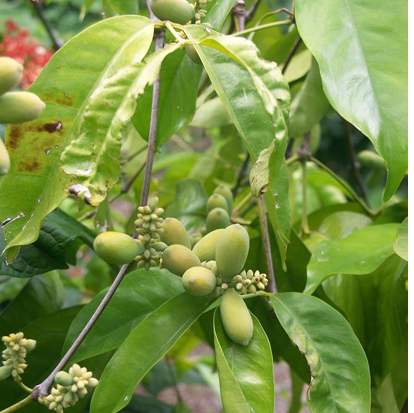
Gnetophytes: Ephedra
has ephedrine
species native to America and China
vestigial leaves
stems are photosynthetic; lives in arid environments
source of ephedrine alkaloids are→ ephedrine and pseudoephedrine

Conifers
pines
cypress
yews
What are the problems that plants overcome for life on land?
1) dehydration
2) dramatic changes in temp in the air
3) nutrient supply is in water (only source of nutrients)
4) no medium for transport of motile gametes
5) damaging UV radiation
6) gravity
What are some adaptations to life on land?
1) prevent dehydration
cuticle=> a waxy covering used to prevent drying
embryos=> young sporophytes contained within a protective structure
thick spore walls=> prevent drying and resist decay
2) cell wall
increases in cellulose content
development of lignin
increased wall thickness
3) protection from UV radiation
pigments that give off protection against UV radiation such as: carotenoids, anthocyanins etc
4) decrease in nutrient supply
has a stomata (gas exchange)
fungi (mycorrhizae) promotes nutrient uptake from soil
develps roots for nutrient and water absorption (anchor)
develops vascular system transport nutrient through plant organs
5) gamete motility in water
evolution of air borne pollen
What are the traits that lead to evolutionary success of angiosperms?
able to survive greater habitats than any other group of plants
has a faster life cycle; produce a greater # of seeds
animals aid in fruit/seed dispersal and pollination (wind etc)
most diverse and specialized group