Plant Defenses
 Call Kai
 Learn
 Practice Test
 Spaced Repetition
 Match
 Flashcards
 Knowt Play
1/69

There's no tags or description
Looks like no tags are added yet.
70 Terms
why r plants preyed on my herbivores and pathogens?
they lack an immune system and provide ‘easy’ to access rich, nutrient source.
Pathogens
Includes fungi, bacteria, viruses, nematodes, and other microorganisms that can infect a plant and cause a diseased reaction. Typically secondary to harm
what r the 3 types of pathogens?
biotrophs
keep the host alive
necrotrophs
kill host
hemibiotrophs
biotrophs in early stages, then become necrotrophic

Biotrophs
Pathogens that keep the host alive and feed on living tissue (e.g. powdery mildew fungus)
Necrotrophs
Pathogens that overwhelm plant defenses, generating a quick release of nutrients (e.g. soft rot bacteria) kill host
Hemibiotrophs
pathogens that behave as biotrophs during early stages of infection, but then become necrotrophic (kill)
Fusarium Oxysporum f.sp. Cubense Fungus
Caused the Panama disease and wiped out production of the Gros Michel banana (in the 1950's)
Host-Range
Species that can be affected by a pathogen (undergo a diseased reaction)
Immunity
Complete lack of any disease symptom (disease can not even infect humans)
High Resistance
Some disease symptoms but not alot
High Susceptibility
Major disease symptoms
how do plants detect attacks?
1) innate immunity
2) hypersensitive response
3) systemic acquired resistance
Innate Immunity (Basal Resistance)
The first line of defense. Recognition of molecular patterns from pathogen trigger fortification of cells.
pathogen can’t get in
Hypersensitive Response
Second line of defense, it involves the deliberate cell death to isolate infected area
im infected so ill blow up to try to take it w me and save the rest of the plant
Systemic Acquired Resistance
Long-term response; resources mobilize to protect the plant from any future infection (non-specific)
moves resources (like proteins or enzymes) to prevent future infections
herbivores
eats plant, not infects. most of the time is not lethal and decreases growth + reproduction of individuals
Granivores
herbivore that feed on seeds
Grazers
herbivore that feed on grasses and ground-growing plants
Browsers
herbivore that feed on leaves from trees and shrubs
Frugivores
herbivore that feed on fruits
Elicitors
A molecule that induces a broad type of host defense response which allows plants to recognize damage from pests (molecular patterns)
plants may respond by releasing VOCs
Volatile Organic Compounds (VOCs)
how plants respond to the presence of elicitors. they can:
Repel harmful organisms.
Attract beneficial predators who prey on the pest (ex: cotton plants attract wasps that eat
harmful moths)
they trigger an immune response in neighborhing, undamaged plants!!
Structural (or Physical) Defenses
The first line of protection - they make it difficult for herbivores to eat a plant and block the entrance of pathogens.
This includes cell walls, cell modifications, and physical structures
what is the first line of defense?
structural/physical defenses (cell walls, cell modif, physical structures)
Biochemical Defenses
Substances produced in cells and tissues that are either toxic or inhibit the growth/reproduction of attacking organism
Constitutive Defenses
Defenses that are always present in plants (regardless of whether it is damaged) like spines
Induced Defenses
Defenses that are triggered by an attack
Cell Wall
A major line of defense against pathogens - it's a major physical barrier and contains a variety of chemical defenses
a structural defense
Lignin
Make tissue difficult to chew for small herbivores. They are a highly branched, heterogeneous polymer
a structural defense
a type of phenolic (secondary metabolite)
Cutin and Suberin
Impermeable waxy substances and prevent infection by pathogens and insects
a structural defense
what r some structural defenses that r cell responses?
papillae
callose deposits formed btwn cell wall and membrane to trap infection in one area
oxidative burst
enzymes release highly reactive oxygens that blow up everything in area
cork layers
several layers form beneath infection to protect further invation and cut off food + water
Papillae
Callose deposits formed between the cell wall and the cell membrane near the site of infection to prevent spread of pathogen
trying to hold it @ site of infection so it doesnt spread “sticky trap”
Oxidative Burst
Enzymes catalyze the release of highly reactive oxygen molecules which damage invader AND cross-linkages between cell wall polymers
disrupts/blows up everything in area
Cork Layers
Several layers of cork are produced below the point of infection - cutting food and water from infected areas, and preventing further invation
layered protection

what modified cells r part of the structural defense?
sclereids
irregularly shaped cells w/ thick secondary walls to make them hard to chew
thousands can form stone cells which r abrasive “sandpaper”
stinging cells
shaped like needles that inject painful toxins
raphides
contain calcium oxalate crystals which tear mouth tissue
Sclereids
Irregularly shaped cells with thick secondary walls making them hard to chew.
Thousands of sclereids might form stone cells that can be abrasive to herbivore teeths “sandpaper’
Stinging Cells
Shaped like hypodermic needles, they break off when disturbed and can inject painful toxins
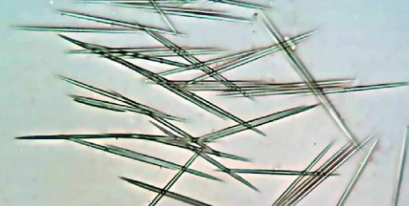
Raphides
Cells that contain calcium oxalate crystals which can tear mouth tissue of herbivores when ingested.
what r some physical structures that protect plants?
spines
modified leaf
thorns
modified stem
prickles
modified epidermal outgrowth
trichomes
modified epidermal cells + living
Spines
A modified leaf or leaf part (usually the petiole, central vein, or stipule)
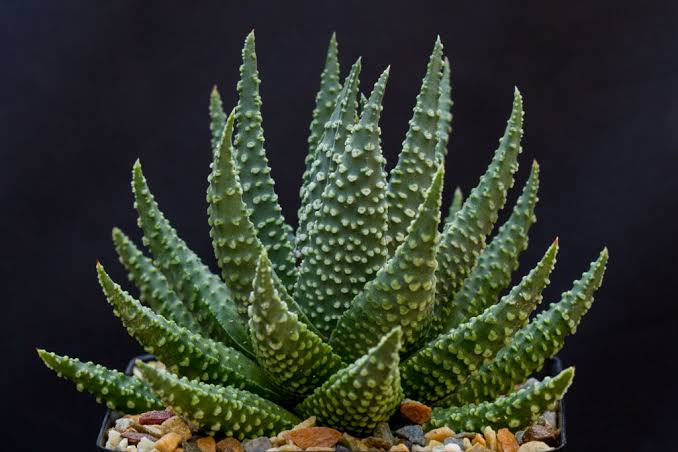
Thorns
A modified stem that is hard and sharply pointed

Prickles
Hard, pointed epidermal outgrowth

Trichomes
Specialized epidermal cells; can form dense mats that make it difficult for insects to chew the leaf; some have glands to secrete chemical repellents

Primary Metabolites
Substances produced by plants that are directly involved in growth, reproduction, and essential functions (e.g. sugars, amino acids, nucleic acids, etc). Common to all plants and produced constantly as
Secondary Metabolites
Substances involved in other functions, such as plant defense. Can be turned on. They are more taxa-specific.
Taxas include:
Terpenoids (largest class)
Phenolics
Alkaloids
Terpenoids
These are the largest class of secondary metabolites (> 22,000 compounds). antifungal + antibacterial properties
Includes:
monoterpenoids + sesquiterpenoids → make up essential oils
diterpenoids → strong antifungal + antibacterial
triterpenoids → mimic steroid hormones
Essential Oils are made up of what and do what?
Oil that has the main components of monoterpenoids and sesquiterpenoids. This oil works as insect toxins, antifungal and antibacterial properties.
Diterpenoids
Terpenoids that have strong antifungal and antibacterial properties
Triterpenoids
Terpenoids that have similar structures to sterol and steroid hormones → messes up endocrine system of herbivores
phenolics
a group of secondary metabolites. They r produced by the shikimic and melonic acid pathways. Include:
Flavonoids
( most common) phytoalexins r produced in response to attack. (antifungal + antibacterial)
Anthocyanins
water soluble pigment
tannins
water soluble polymer, toxic to insects by binding to salivary enzymes
lignin
highly branched, heterogenous
what is produced with the shikimic and melonic acid pathways?
phenolics like: flavonoids, anthocyanins, tannins, lignin
Flavonoids
Produced shikimic and melonic acid pathways. These are the most common phenol.
Phytoalexins are produced in response to pathogen attacks (antifungal and antibacterial)
phytoalexins
antimicrobial chemical produced by flavonoids (a phenolic) in response to pathogen attacks
Anthocyanins
Produced shikimic and melonic acid pathways.(a phenolic) These are water-soluble pigments (can be found in paint)
Tannins
Produced shikimic and melonic acid pathways (phenolic). These are water-soluble polymers stored in vacuoles; toxic to insects as they bind to salivary enzymes
Alkaloids
Bitter-tasting nitrogenous compounds found in many vascular plants. It is derived from the amino acids aspartate, lysine, tyrosine and tryptophan
a type of secondary metabolite
Includes:
caffiene
nicotine
cocaine + morphine
Capsaicin (spicy)
atropine (neurotoxin)
cyanogenic glycosides
what is derived from the a.a aspartate, lysine, tyrosine, and tryptophan?
alkaloids ( a secondary metabolite)
Caffeine
Addictive compound that is toxic to insects and fungi and has allelopathic properties
a type of alkaloid
Nicotine
Addictive compound that is stored in vacuoles and released when leaf is damaged → anti-insect
a type of alkaloid
Cocaine & Morphine
Addictive compound just like Nicotine and Caffeine
a type of alkaloid
Capsaicin
Alkaloid that is contained in chili peppers and is responsible for spicy
Atropine
Alkaloid that is a neurotoxin and cardiac stimulator (powerful)
Cyanogenic Glycosides
Alkaloid that halts cellular respiration - source of cyanide (powerful)
how r proteins and enzymes used in defense?
they inhibit pathogen and pest enzymes by binding to their active sites. They are expensive energetically, so they r a secondary defense (made when attacked)
include:
defensins
v diverse
digestive enzyme inhibitors
give herbivores upset stomach
hydrolytic enzymes
degrade cell wall of fungi
Defensins
Very diverse proteins, found in any type of tissue. They are in plants and seeds and inhibit pathogen and pest enzymes by binding to their active sites
Digestive Enzyme Inhibitors
Alpha-amylase & Protease inhibitor → give herbivores an upset stomach
Alpha-Amylase
Starch digestion in legumes
digestive enzyme inhibitor
Protease Inhibitor
Binds to several enzymes (like trypsin and chymotrypsin)
digestive enzyme inhibitor
Hydrolytic enzymes
Degrade the cell wall of pathogenic fungi ANTIFUNGAL!
what r some other plant defenses?
bioaccumulation of minerals toxic to animals ( like cadmium + selenium)
stores it in vacuole for when herbivore tries to eat it. V potent!
nutritionally poor shoots
amt of nutrients low in shoots so grazers wont want it
ecological defenses (symbiosis)
plants form symbiosis w beneficial microbes or insects that provide protection