PSY 200 module 3
 Call Kai
 Learn
Learn Practice Test
 Spaced Repetition
 Match
Match Flashcards
 Knowt Play
1/74

Name | Mastery | Learn | Test | Matching | Spaced | Call with Kai | Chat |
|---|
No analytics yet
Send a link to your students to track their progress
75 Terms
Learning
Change in behavior/knowledge that is the result of experience
Types of learning
1. Classical Conditioning
2. Operant Conditioning
3. Observational Learning
Classical conditioning
Associates a stimulus and another stimulus
Opperant Conditioning
associates a behavior and its consequences
Observational learning
Learning through watching, not association
Pavlov
Studied classical conditioning
What are the 4 components of classical conditioning?
Unconditioned Stimulus (US)
Unconditioned Response (UR)
Conditioned Stimulus (CS)
Conditioned Response (CR)
unconditioned stimulus
A stimulus that elicits a reflexive response in an organism. (food)
unconditioned response
A natural reaction to a given stimulus. (salivation)
conditioned stimulus
A stimulus that elicits a response after repeatedly being paired with the US (ticking)
conditioned response
The behaviour being caused by the CS (salivation)
stimulus generalization
stimuli similar to CS triggers CR (metronome + snapping)
stimulus discrimination
only CS triggers CR (metronome, not snapping)
John watson
experimented with little Albert and demonstrated how emotions/behavior can be conditioned using classical conditioning.
BF Skinner
Known for employing shaping in his experiments
components of opperant conditioning
positive and negative reinforcement and punishment
positive reinforcement
something is added to increase the likelihood of a behavior
negative reinforcement
something is removed to increase the likelihood of a behavior
positive punishment
something is added to decrease the likelihood of a behavior
negative punishment
Something is removed to decrease the likelihood of a behavior
continuous reinforcement
rewarded every time you exhibit behavior
partial reinforcement
rewarded sometimes
partial reinforcement schedules
1. fixed interval
2. variable interval
3. fixed ratio
4. variable ratio
fixed interval
based on a time that stays the same (baking cookies)
Variable Interval
based on a time that varies/changes (checking social media)
fixed ratio
based on a number that stays the same (frequent eater program)
variable ratio
based on a number that varies/changes (slot machine)
Bandura
Demonstrated observational learning with Bobo the Clown
vicarious
what type of reinforcement/punishment is there for observational learning?
vicarious reinforcement
process where the observer sees the model rewarded, making the observer more likely to imitate the model's behavior
vicarious punishment
process where the observer sees the model punished, making the observer less likely to imitate the model's behavior
Memory
the set of processes used to encode, store, and retrieve information over different periods of time

automatic and effortful
processes for encoding
automatic processing
remembering without trying to
effortful processing
requires attention to remember it
self reference effect
relating info to oneself
types of memory storage
1. sensory
2. short term
3. long term
sensory memory
very brief storage of iconic or echoic senses, iconic lasting less than a second and echoic lasting only a few seconds
short term memory
working memory that lasts for a very brief time
long term memory
unlimited and continuous storage of information
types of long term memory
explicit - memories we consciously tried to remember.
implicit - long-term memories that are not part of our consciousness.
types of explicit memory
episodic - personally experienced events
semantic - knowledge about words, concepts, and language - based knowledge in facts
what two types of implicit memories is there?
procedural - stores information about the way to do something, and it is the memory for skilled actions.
emotional conditioning - classically conditioned emotional responses.
types of retrieval
recall - access information without cues
recognition - recognizing information that you have previously learned.
Relearning - learning info you have previously learned.
what parts of the brain are involved with memory?
amygdala, hippocampus, cerebellum, and prefrontal cortex

amygdala
fear + fear memories
hippocampus
associated with declarative and episodic memory as well as recognition memory
cerebellum
processes procedural memories
prefrontal cortex
involved in remembering semantic tasks
types of amnesia
retrograde amnesia - can't remember old info
anterograde amnesia - can't remember new info
reconstruction
process of bringing up old memories that might be distorted by new information
suggestibility
describes the effects of misinformation from external sources that leads to the creation of false memories
Eyewitness misidentification
incorrect identification of a person or object
misinformation effect
after exposure to additional and possibly inaccurate information, a person may misremember the original event
false memories
recall of false autobiographical memories
SKIP
SKIP
levels of processing
information that is thought of more deeply becomes more meaningful and thus better committed to memory
20 seconds
how long short term (working) memory lasts
problems with memory
amnesia
memory reconstruction
forgetting
forms of reconstruction
suggestibility
eyewitness misidentification
misinformation effect
false memories
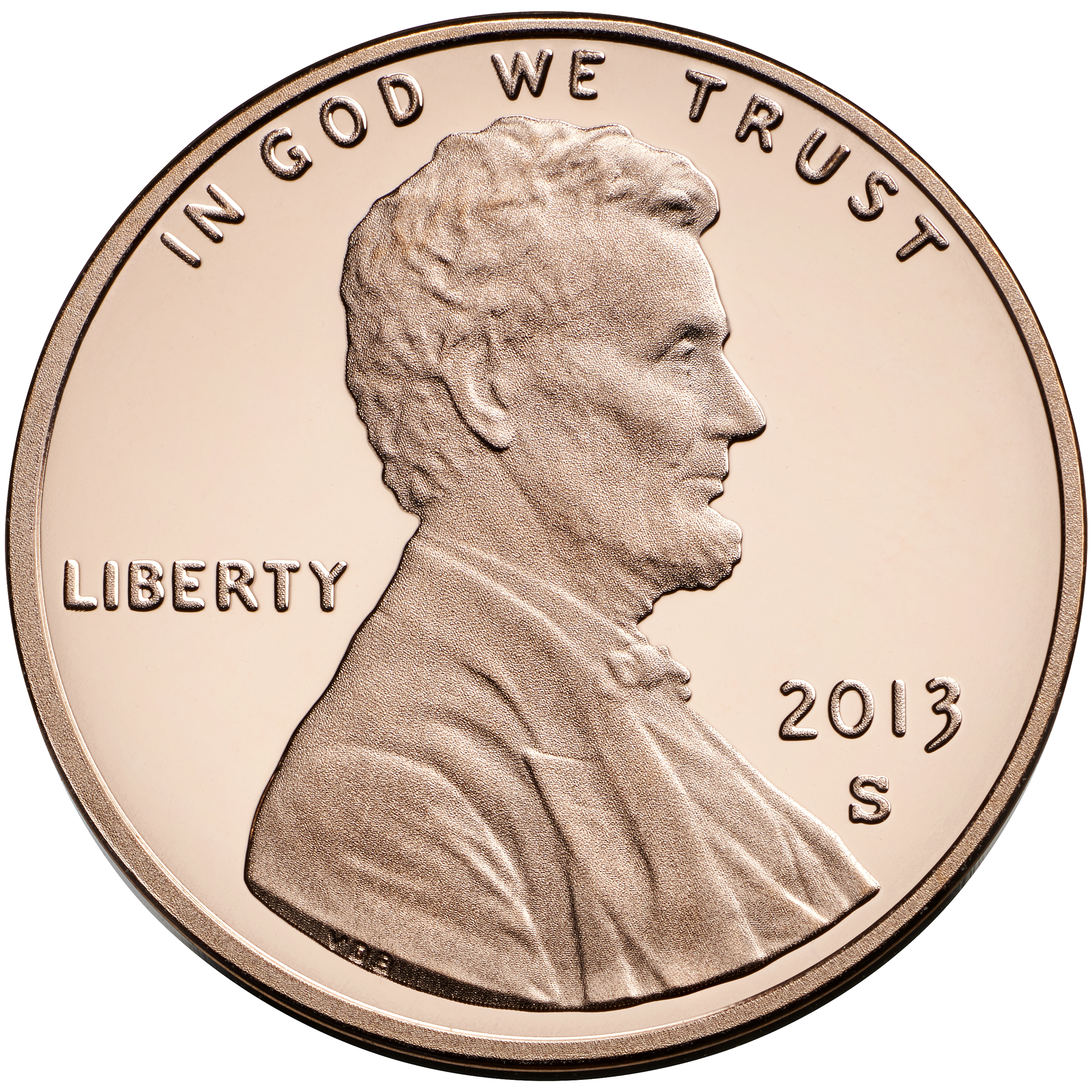
encoding failure
not knowing because we never committed it to memory (lincoln on the penny)
retrieval failure
being unable to remember facts due to proactive or retroactive interference
proactive interference
old info hinders recall of new info

retroactive interference
new info hinders recall of old info
shaping
rewarding successive approximations of a desired behavior
5-9 bits
the amount of information short term memory can hold onto
explicit memory
long-term memory that is episodic or semantic
implicit memory
long-term memory that is procedural or emotional
types of retrieval
recall
recognition
relearning
declarative / explicit memory
type of long-term memory of facts and events we personally experience
effortful processing
encoding of information that takes effort and attention
transience
memory error in which unused memories fade with the passage of time
acquisition
period of initial learning in classical conditioning where organism begins to connect stimuli
extinction
decrease in the conditioned response when the unconditioned stimulus is no longer paired with the conditioned stimulus
spontaneous recovery
return of a previously extinguished conditioned response