Livestock Eval Exam 1
 Call Kai
 Learn
Learn Practice Test
 Spaced Repetition
 Match
Match Flashcards
 Knowt Play
1/77

There's no tags or description
Looks like no tags are added yet.
Name | Mastery | Learn | Test | Matching | Spaced | Call with Kai | Chat |
|---|
No analytics yet
Send a link to your students to track their progress
78 Terms
Judging standards
Are fluid and change over time, focus now on efficiency of that animal’s purpose
Judging purposes
Trains the mind, helps producers make more efficient decisions
Breeding animal traits
Volume/capacity, femininity/masculinity, structure, muscle, balance
Structure in cattle
Straight topline and level rump, well set hocks and feet, long and comfortable strides, clean and flat joints. Specifically, angled shoulder
Cattle body
Bold sprung with uniform depth
Muscle in cattle
Width in hind legs with a grooved top, thick middleline in quarterF
Finish in cattle
Finish front to back top to bottom. Look for some presence to pones, dewlap, and a slight covering on the ribs and topline.
Balance cattle
Look for things that fit nicely together, straight topline, cleanliness of depth, width, and length, long thin neck and up headed, smooth shoulder blend
Femininity Cattle
Grace in her neck, refined head (narrow muzzle) and angles in the shoulder and neck, shoulder blends into the forerib.
Market animal traits
Muscle, growth, capacity, finish, structure
Muscling in hogs
Ham-flank junction, butterfly loin shape, width in back feet
Body in hogs
Bold sprung and deep with balance, length
Finish in hogs
Muscle appears as clear, hard lines in the ham-flank and shoulder junctions and as divots in the topline and firmness in the crotch. Very little to no fat in pigs.
Structure in hogs
Flexibility and cleanliness in hocks, pasturns, and feet, good set to the knees (not knuckled over) correctness in the blades and level rump
Underline
In hogs, looking at the teats forming even, straight rows with small evenly spaced teats is important for gilts
Body in ewes and does
Bold sprung, long and deep with a longer hind saddle than rack
Structure in Sheep and goats
Long with a level top, upheaded with smooth blend to the joints and good set to the hocks
Muscle in sheep
Muscle is round and defined, and often will apear on the topline, shoulder, and leg with good back leg width. Will feel for muscle and finish with this species
Muscle in goat
Evaluated on the inside of the leg, want a wide base that is even with the top width, wide and square top with a wide and fresh loin
Heterosis
Hybrid vigour, a hybrid has superiority over the parents because of the strengths from different breeds
Commercial
animal that is not registered with a breed
Angus
Black, naturally polled breed from Scotland known for maternal instinct and marbling capabilities

Hereford
Polled or unpolled red and white beef breed from England/the US known for hardiness, have color ID

Hereford identification
Light-dark red, goggled, freckled, red/tick necked, ect.
Red angus
Angus breed developed in the US to cope with heat
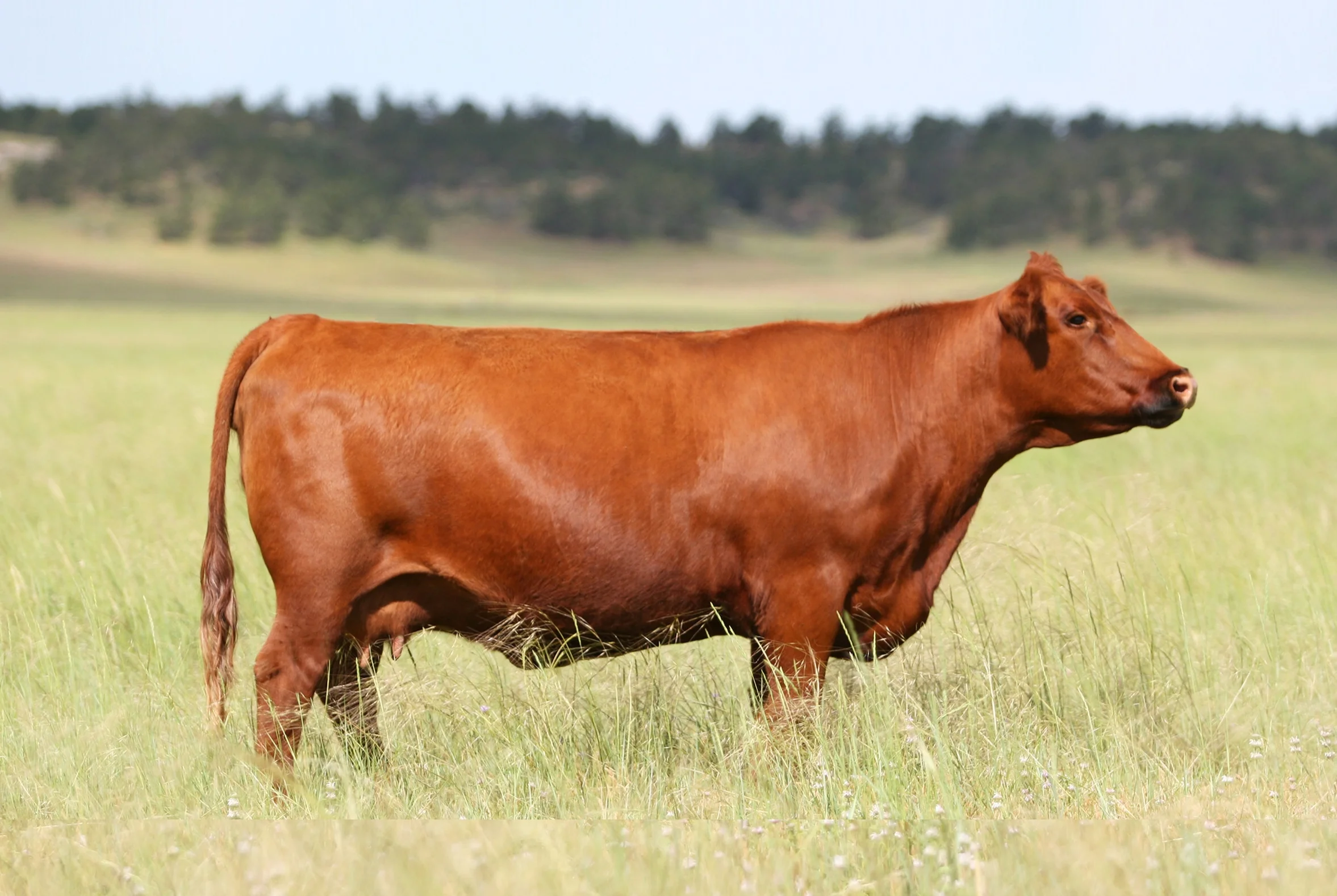
Shorthorn
Red and white un/polled breed from england known for being maternal and dual purpose of good marbling and milking

Charlois
White polled breed from france known for muscling and fast growth

Gelbvieh
White or black polled german breed known for moderate muscling and milking (dual purpose)

Limousin
French red or black un/polled breed known for lean muscling

Simmental
Dual purpose red or black Swiss breed known for moderate milking and muscling

Brahman
Grey or brown heat tolerant breed from the US or india, signature large ears with a humped crest

Brangus
3/8 Brahman 5/8 angus cross

Beefmaster
½ Brahman, ¼ shorthorn and hereford. Any color, hardy and maternal

Simmbrah
3/8 Brahman, 5/8 Simmental. Maternal, growth and heat tolerance

Santa Gertrudis
3/8 Brahman 5/8 Shorthorn, Adaptable and maternal

Braford
3/8 Brahman, 5/8 Hereford, maternal and durable

Landrace
White, drooping eared maternal breed with a long body and very prolific

Chester white
White, drooping-eared maternal pig breed known for durability, soundness, and mothering

Yorkshire
White up-eared maternal pig breed yielding large litters

Berkshire
Up eared black terminal swine breed with white feet, known for meat quality and fast growth

Duroc
Red, drooping-eared terminal swine breed known for muscle and growth

Hampshire (swine)
Black with white belt, up-eared terminal swine breed known for lean muscling with the stress gene

Hereford (swine)
Red and white drooping eared terminal swine breed known for feeding quality

Spotted
Spotted terminal swine breed known for carcass quality and feed efficiency

Merino
Whitefaced fine wool breed known for hardiness strong flocking instinct

Ramboulliete
White fine wool breed most common in the US

Hampshire
medium wool breed with black points and a wool cap, known for muscling

Suffolk
White with black points, medium wool breed known for muscling and large size

Dorset
White medium wool breed that can breed out of season and are very prolific

South Down
Light brown medium wool breed, muscular
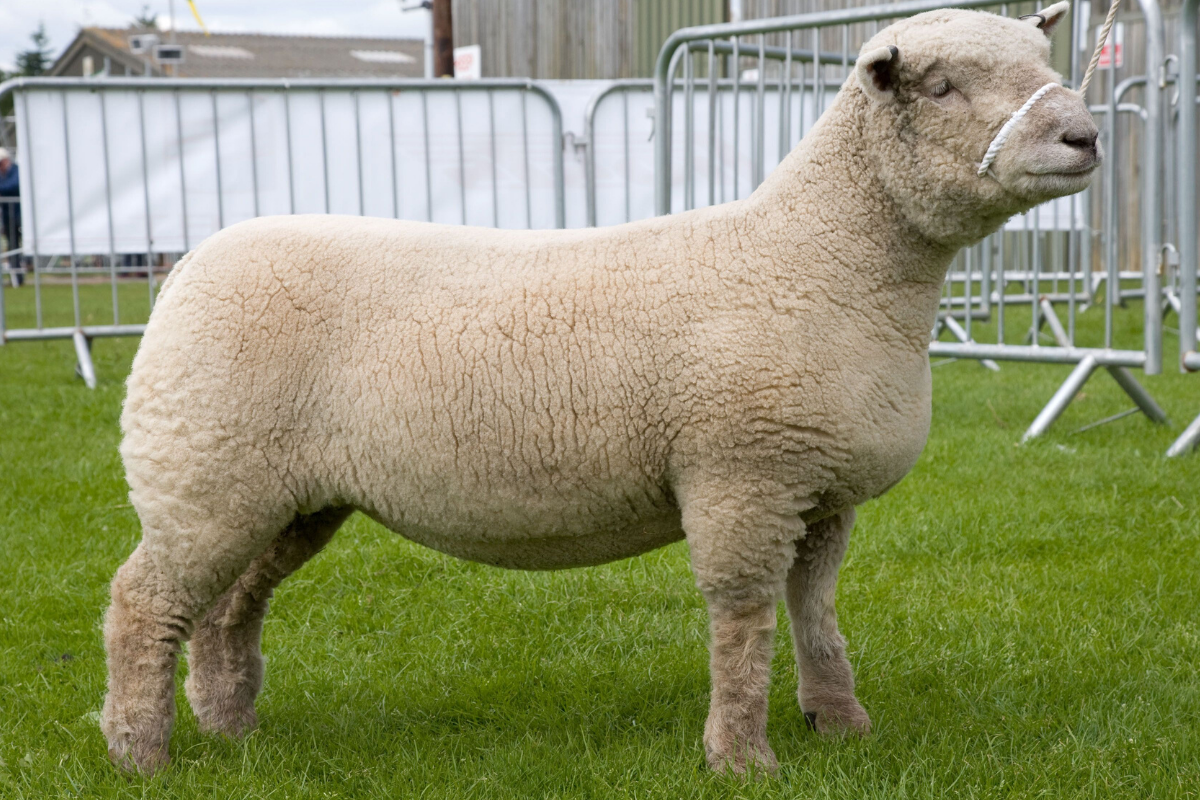
Colombia
Lincon-Suffolk cross, large with good muscling, medium wool

Kahtadin
Hair sheep, hardy and maternal

Dorper
White with a white or black head hair sheep with good muscling and fast growth

Angora
White, hair goat breed

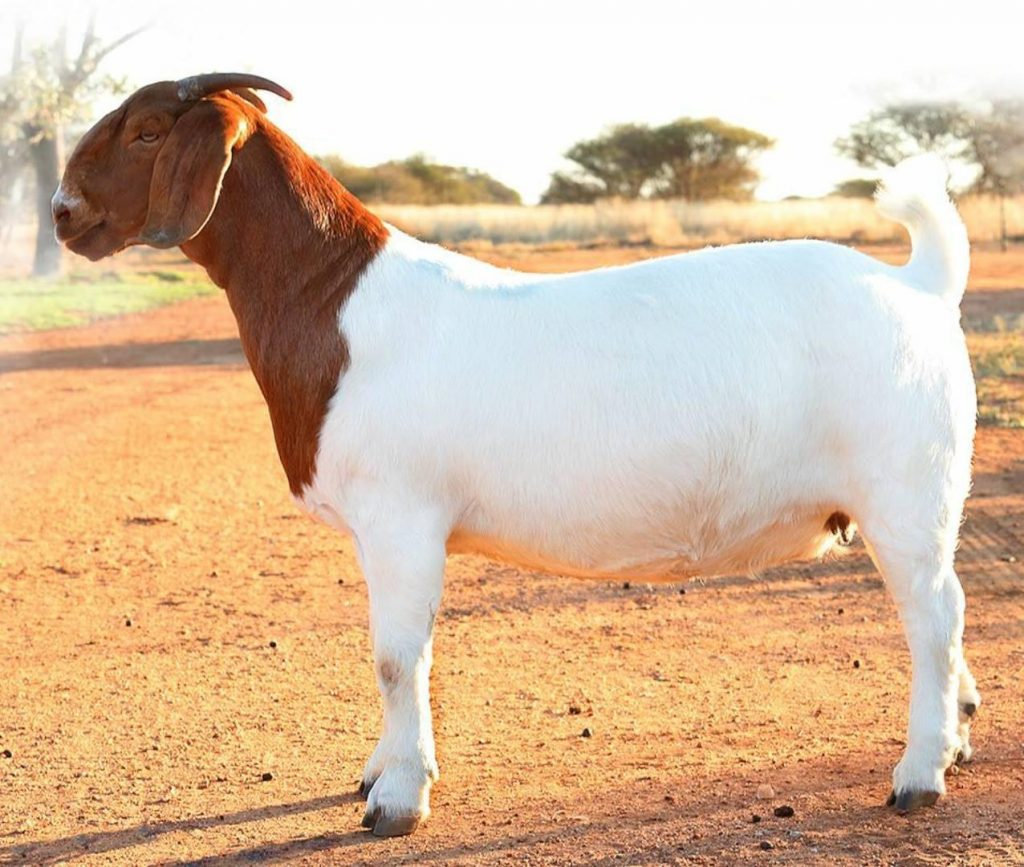
Boer
White with read goat breed, muscle and finish well and are hardy
Spanish Goat
Small, any color, are more hardy than other breeds and are prolific
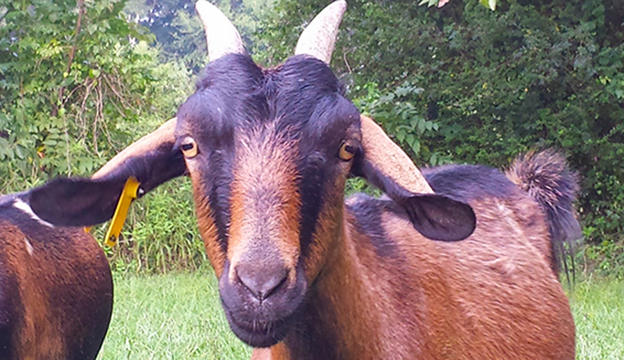
Kiko
Hardy white and black goat breed that is parasite resistant
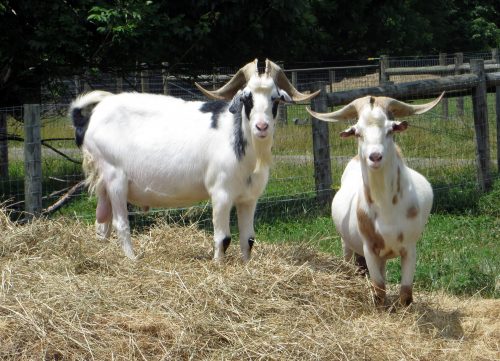
Identification
Uses physical identifiers to paint an image of the animals to the judges, including patterns and colors, typically, not halters or ear tags. Breeds only used if confirmed, otherwise they are “appearing”
Swine identifiers
Belts and colors, spots, Ear notches and set
Sheep identifiers
Fiber type, color, pattern, jaw set, horns
Goat identifiers
Colors and patterns, horns, jaw set
Cattle identifers
Horns, colors, patterns
Round ribbed/bold sprung
Animals with volume and expansion in their ribs, especially the forerib. Gives volume for breeding and allows for more muscle to be laid on in market animals. Gives a bolder upper body appearance from the rear.
Wide base/stifle
Width between an animal’s back knees, indicates good muscling and structure
Depth (flank)
Where the underline meets the leg, animals with good depth have better breeding volume and can be used to determine good finish in market animals.
Length
used to describe hips, body, and strides
Extension
used to describe the front half of the animal
Grants
Positives about each animal besides the first, given when discussing them as the lower half of a pair. What they do better than the top animal
Critisisms
Why is an animal placed at the bottom in any given pair, given when discussing them as the lower half of a pair
Cuts
the gaps in quality between animals, given numbers to factor into score
Score
out of 50, points are subtracted for any cuts that are missed
Quality Grading
Evaluation based on maturity and marbling will be expressed as a letter for maturity with a condition for marbling. Paid for by the plant and mandated by the government. A desirable score is A and some kind of abundant. the 2 factors together create classes, with the most desirable being prime.
Yield grading
Evaluation based on the amount a carcass will yield, considering fat, muscularity, and cutability. Scale of 1- 5, with a desirable score being 3. Backfat, ribeye area, and weight are taken into account