Ch 19 Treas Infection Prevention and Control
 Call Kai
 Learn
 Practice Test
 Spaced Repetition
 Match
 Flashcards
 Knowt Play
1/31

There's no tags or description
Looks like no tags are added yet.
32 Terms
Primary
first infection in a patient
Secondary
subsequent infections in a patient
Exogenous healthcare-related infection
pathogen acquired from healthcare environment
Endogenous healthcare-related infection
Normal flora multiply and cause infection as a result of treatment
acute infection
rapid onset, short lasting
chronic infection
develop slowly and last for weeks, months or years
latent
cause no symptoms for long periods of time (TB, HIV to AIDS, chicken pox to shingles)
fever
natural defense mechanism to kill pathogens
incubation stage
from time of infection until manifestation of symptoms; can infect others
prodromal stage
appearance of vague symptoms; not all diseases have this stage - “I think I am getting sick”
illness stage
signs and symptoms present
decline stage
number of pathogens decline
convalescence stage
tissue repair, return to health
epidemic
outbreak that affects a large group of people in a geographic region
emerging diseases
new infections
infection
when microorganisms capable of producing disease invade the body
virus
requires a living host invades cells
bacteria
reproduce on their own can survive without a host
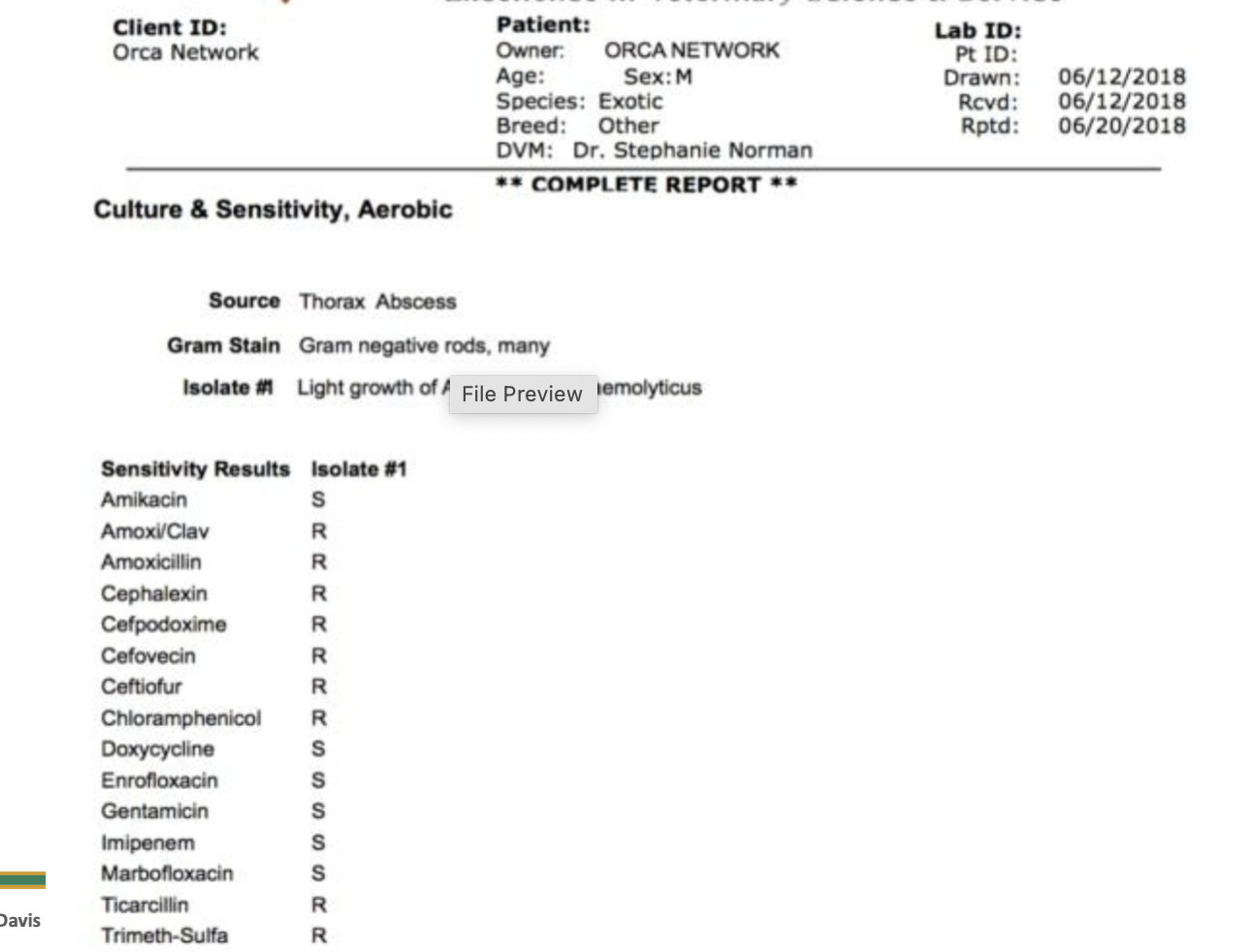
culture and sensitivity
understand what R and S mean when reading culture results
C_____ & S_______ = 2-part diagnostic test that grows actual infecting organism and then tests medications against it
titer
blood test measuring concentration of specific antibodies in bloodstream
(+) result = immune to disease because it shows that your body has antibodies against that disease
(-) result = opposite, not immune - antibodies are not present
infectious agents
pathogens
normal flora that become pathogenic
reservoir
where pathogens live and multiply
may be living in humans, animals, and insects
may be nonliving on food, floors, equipment, and in contaminated water
portal of exit
via body fluids, coughing, sneezing, diarrhea, seeping wounds, tubes, IV lines
mode of transmission
contact
direct: touching, kissing, sexual contact
indirect: contact with a famine
droplet
cough, sneeze
airborne
via air conditioning
sweeping
portal of entry
eye, nares, mouth, vagina, cuts, scrapes
wounds, surgical sites, iv or drainage tube sites
bite from a vector
susceptible host
person w/ inadequate defense
four determining factors
virulence
organism’s ability to survive in the host’s environment
number of organisms
host’s defenses
factors that increase host susceptibility
developmental stage (young/old)
breaks in the skin
illness/injury, chronic disease
tobacco use/substance abuse
multiple sex partners
environmental factors
chronic disease
medications that inhibit/decrease immune response
nursing/medical procedures
poor nutrition, poor sleep
nutrition
supports host defenses by
manufacturing cells of immune system
increased fluid intake
hygiene
sufficient enough to decrease skin bacterial count, not overzealous to cause skin cracking
support host defenses
nutrition, hygiene, rest and sleep, exercise and activity, stress reduction, immunization
medical asepsis
a state of cleanliness that decreases the potential for the spread of infections
clean environment
clean hands
following CDC guidelines
protective environment in some situations
control contaminated supplies