ch 13 PNS and cranial nerves
 Call Kai
 Learn
 Practice Test
 Spaced Repetition
 Match
 Flashcards
 Knowt Play
1/43

There's no tags or description
Looks like no tags are added yet.
44 Terms
classification of receptors
a) stimulus type
b) location
c) structural complexity
general senses
special senses
general senses
simple → touch, pain and temperature
special senses
complex → vision, hearing, taste, smell

mechanoreceptors
respond to touch, pressure, vibration, stretch and itch

thermoreceptors
sensitive to changes in temperature (hot and cold)
photoreceptors
respondo to light energy (e.g. retina)
chemoreceptors
respond to chemicals (e.g. smell, taste, changes in blood chemistry)

nociceptors
sensitive to pain-causing stimuli (e.g. extreme heat or cold, excessive pressure, inflammatory chemicals)
we dont experience pain UNLESS it gets to our brain
exteroceptors
located near/on the body’s surface that detects outside the body stimuli
interoceptors
detects stimuli from inside the body (internal organs, blood vessels, and tissues)
proprioceptors
detect changes in muscle length, muscle tension, joint position and body movement
sensation
awareness of changes in the internal and external environment
input comes form sensory receptors
perception
conscious interpretation of that stimuli
occurs in the brain
receptor level
sensor receptors
circuit level
ascending pathways (spinal cord and brain stem)
perceptual level
neuronal circuits in the cerebral cortex
adaptation
change in sensitivity in the presence of a constant stimulus
phasic receptors
FAST ADAPTING—receptors signal the beginning or end of a stimulus signals a change
ex: receptors for pressure, touch and smell (fart)

tonic receptors
SLOW ADAPTING
ex: getting used to a dark movie room (glare)
sensory afferent…
…dorsal horn
SA\ME
DA\VE
motor efferent…
…ventral horn
SA\ME
DA\VE
dorsal root ganglia
cell bodies in PNS — SENSORY and SOMATIC
autonomatic ganglia
cell bodies in PNS — MOTOR and VISCERAL
amitotic
doesnt go thorugh mitosis NOT reproducing
if soma of a damaged nerve is intact axon
CNS oligiodendrocytes bear…
…growth inhibiting proteins that prevent CNS fiber regeneration
spinal nerves
31 pairts of mixed nerves named according to their point of issue from the spinal cord

8 cervical nerves
C1-C8
cervical plexus
brachial plexus


12 thoracic nerves
T1-T12
intercostal nerves


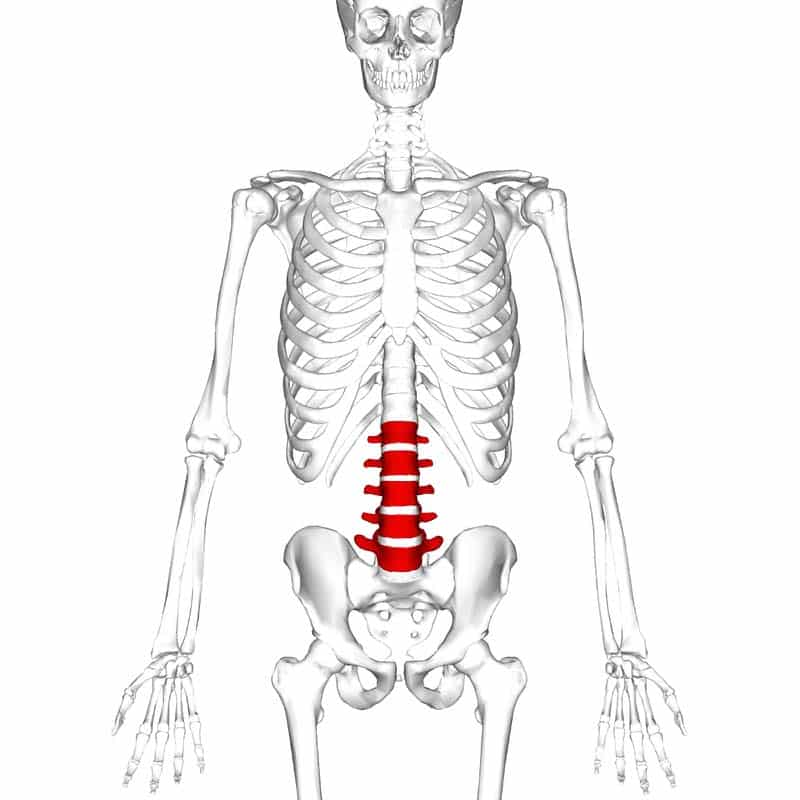
5 lumbar nerves
L1-L5
lumbar plexus

5 sacral nerves
S1-S5
sacral plexus

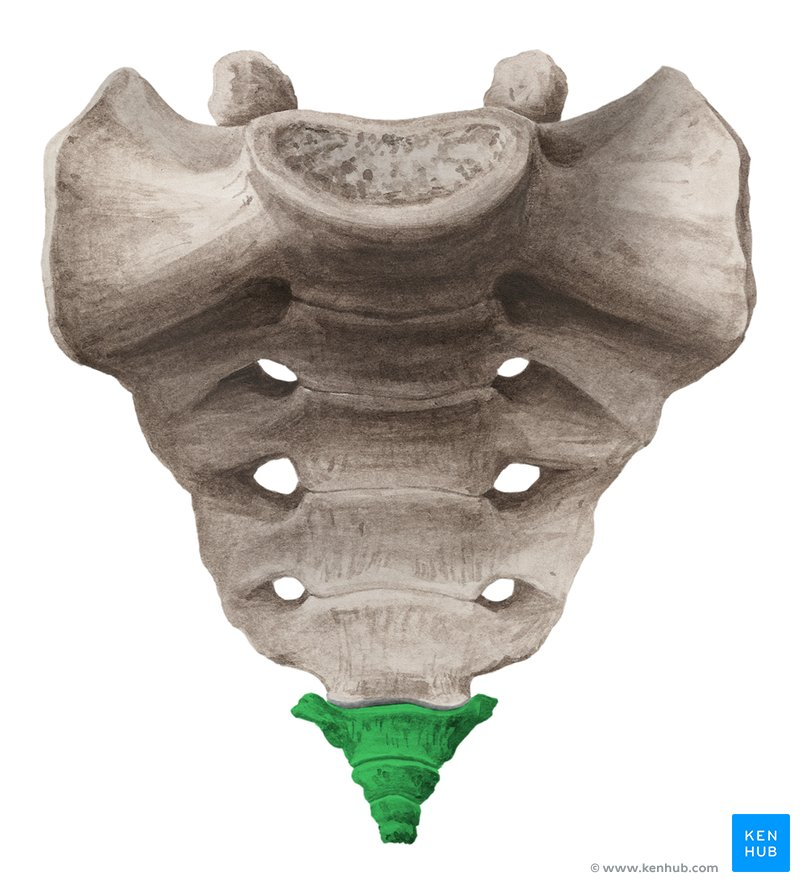
1 coccygeal
C0
cauda equina

ventral roots
contains MOTOR (EFFERENT) FIBERS from the ventral horn motor neurons
fibers innervate skeletal muscles

dorsal roots
contains SENSORY (AFFERENT) FIBERS from the dorsal horn sensory neurons
peripheral receptors

spinal nerve
formed by both dorsal and ventral roots
rami
lateral spinal nerve branches into mixed rami (having both motor and sensory nerves)
dorsal ramus
larger ventral ramus

dorsal ramus/rami…
…posterior branches of the spinal cord
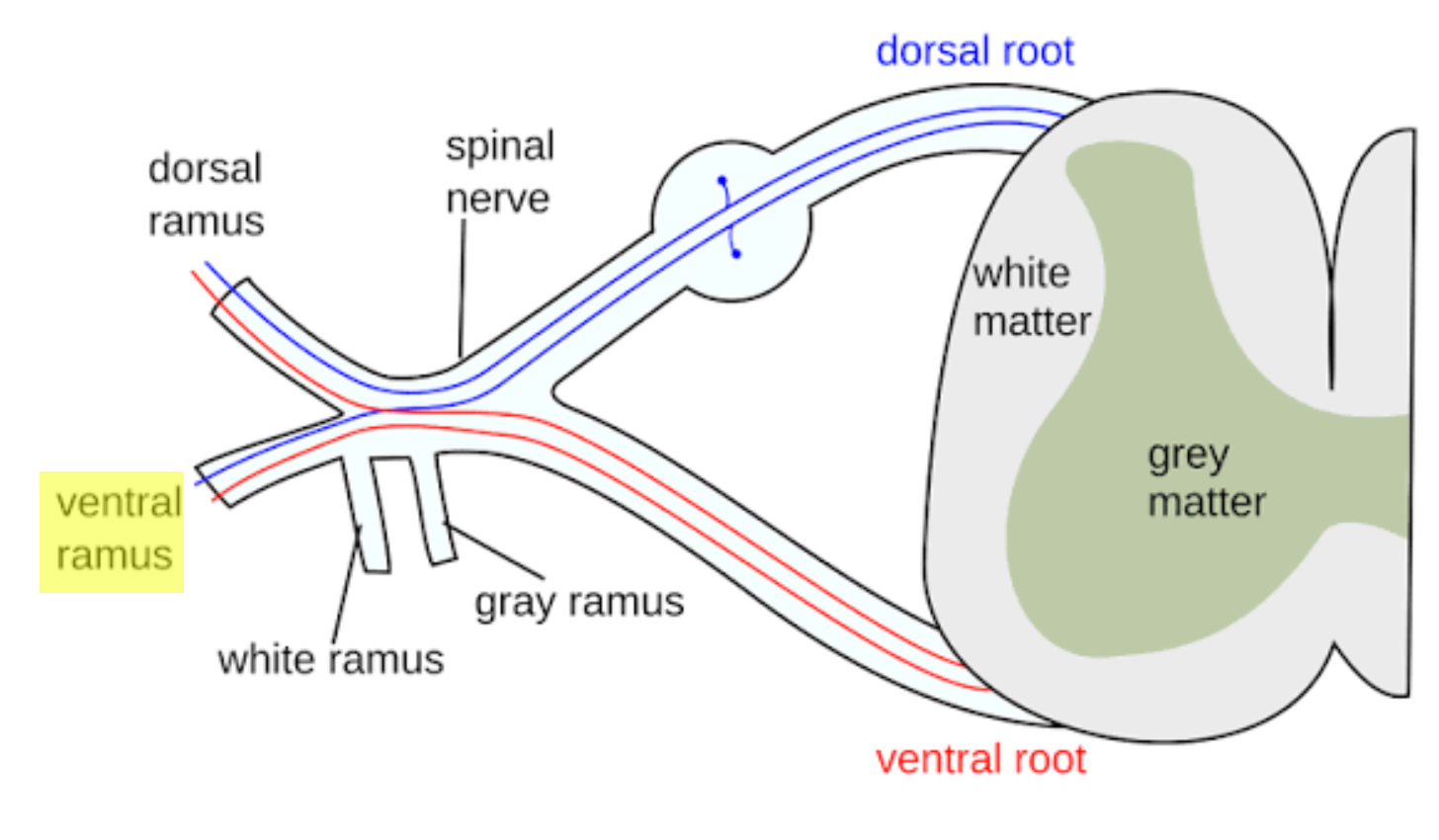
ventral ramus/rami
,,,anterior branches of the spinal cord
roots
medial to spinal nerves, either motor or sensory
plexuses
cervical, brachial, lumbar and sacral
all ventral rami except T2-T12 form nerve networks

cervical plexus
ventral rami of C1-C5
skin muscles of neck, ear, back of head and shoulders
phrenic nerve

phrenic nerve
major motor and sensory nerve for diaphragm
irritation of phrenic nerve causes hiccups

brachial plexus
ventral rami of C5-C8 and T1
gives rise to the nerves that innervate upper limb
major nerves from the branches: axillary, musculocutaneous, median, ulnar and radial

lumbar plexus
arises from L1-L4
innervates the thigh, abdominal wall and psoas muscle
femoral nerve
obturator nerve
femoral nerve
innervates quadriceps and skin of anterior thigh and medial surface of leg