3.1 Infection Prevention
 Call Kai
 Learn
 Practice Test
 Spaced Repetition
 Match
 Flashcards
1/28

There's no tags or description
Looks like no tags are added yet.
29 Terms
anti-microbial (n.)
A substance that kills or slows the growth of microorganisms

asepsis (n.)
Practices used to prevent contamination and the spread of infection
bacteria (n.)
Single-celled microorganisms; some can cause infection

biohazard (n.) / biohazardous (adj.)
Biological material that may be harmful or infectious

chain of infection (n.)
The steps that allow an infectious agent to spread from one host to another

clean (adj.)
Free from visible dirt and with many microorganisms removed

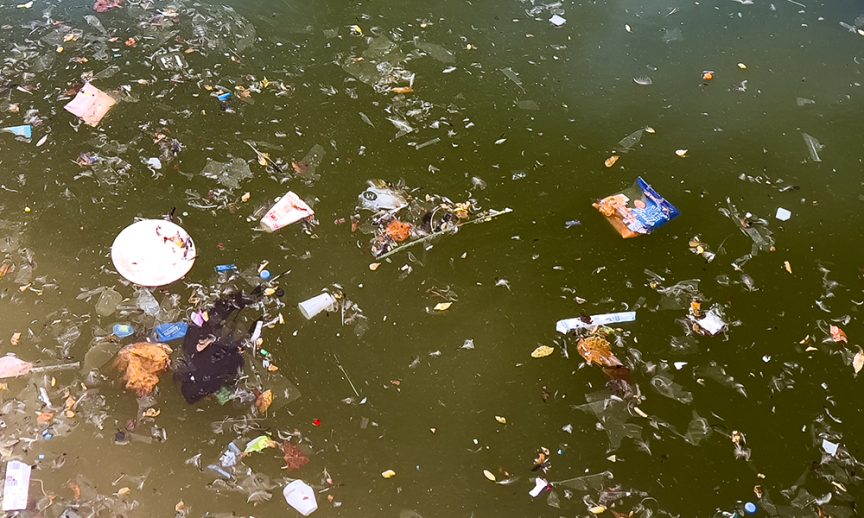
contamination (n.)
The presence of harmful or unwanted microorganisms on a person, object, or surface
cross contamination (n.)
The transfer of microorganisms from one person, object, or surface to another

dirty (adj.)
Contaminated with visible soil, body fluids, or microorganisms

disinfect (v.)
To use chemicals or heat to destroy many disease-causing microorganisms on objects

disinfectant (n.)
A chemical used on objects and surfaces to destroy many harmful microorganisms

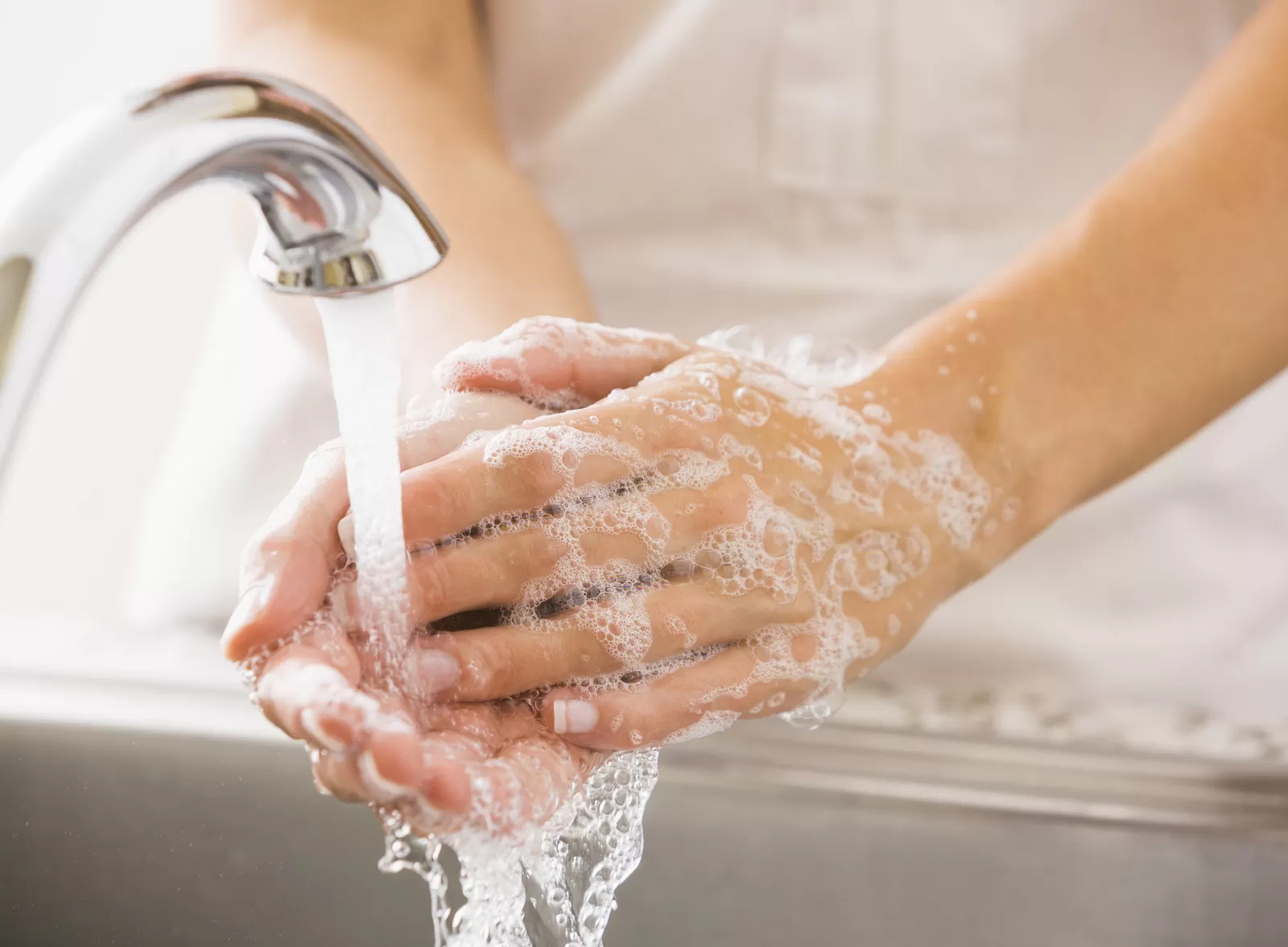
hand hygiene (n.)
Cleaning the hands with soap and water or an alcohol-based hand rub

healthcare associated infection (HAI) (n.)
An infection acquired while receiving care in a healthcare setting

hygiene (n.)
Practices that maintain cleanliness and promote health

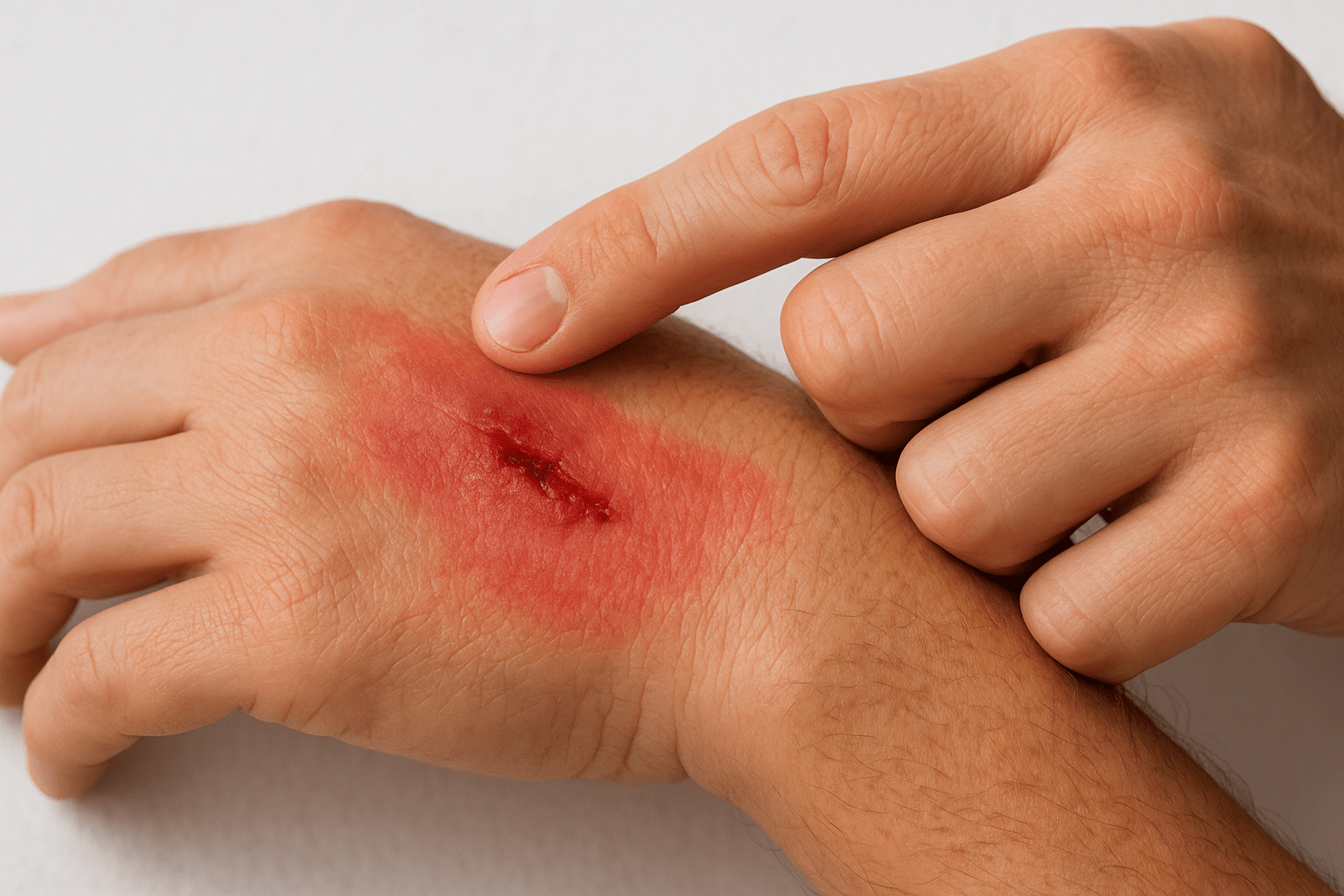
infection (n.)
The invasion and growth of disease-causing microorganisms in the body
infection prevention and control (IPC) (n.)
Policies and practices used to prevent and limit the spread of infection

infectious (adj.)
Capable of causing or spreading an infection

inflammation (n.)
The body's response to injury or infection, often causing redness, warmth, swelling, or pain

microorganism (n.)
A living organism too small to be seen without a microscope

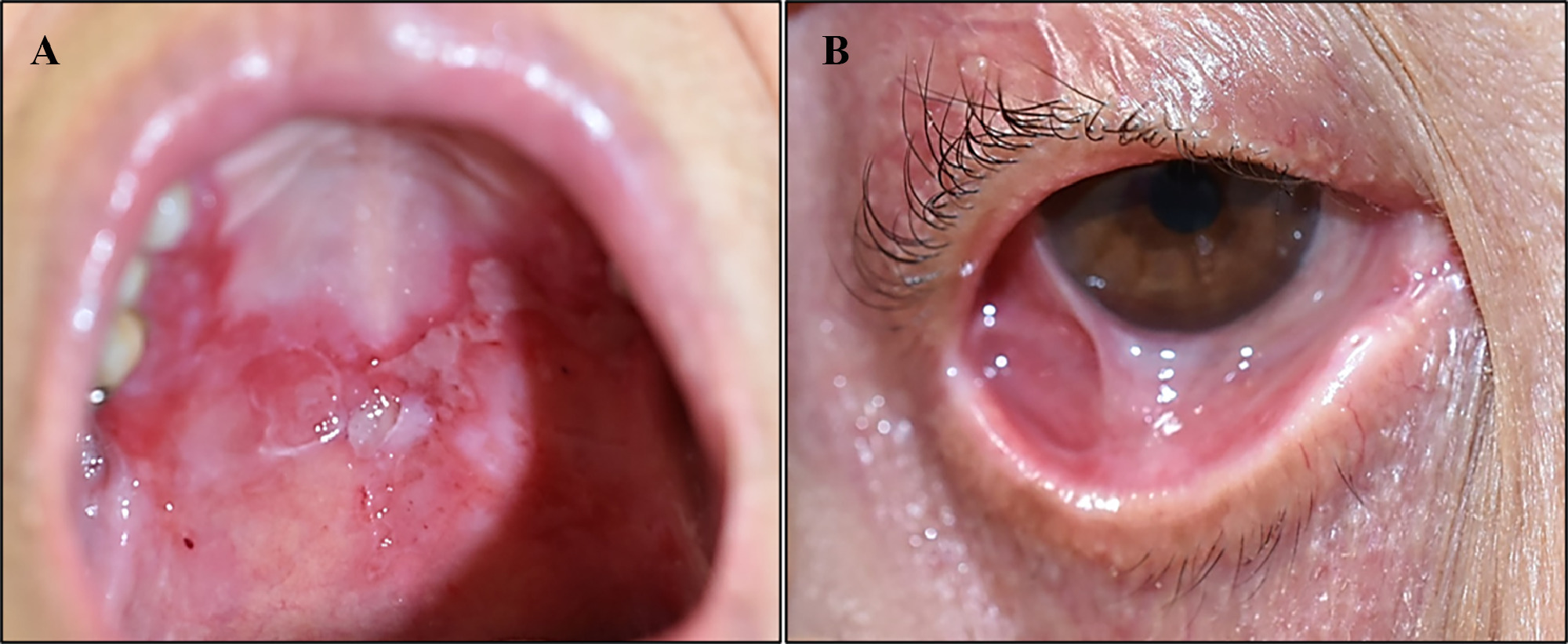
mucous membrane (n.)
Moist tissue lining body openings and passages such as the mouth, nose, and eyes
non-pathogen (n.)
A microorganism that does not normally cause disease

normal flora (n.)
Microorganisms that normally live on or in the body without causing disease

pathogen (n.)
A microorganism capable of causing disease

portal of entry (n.)
The route through which a pathogen enters a new host

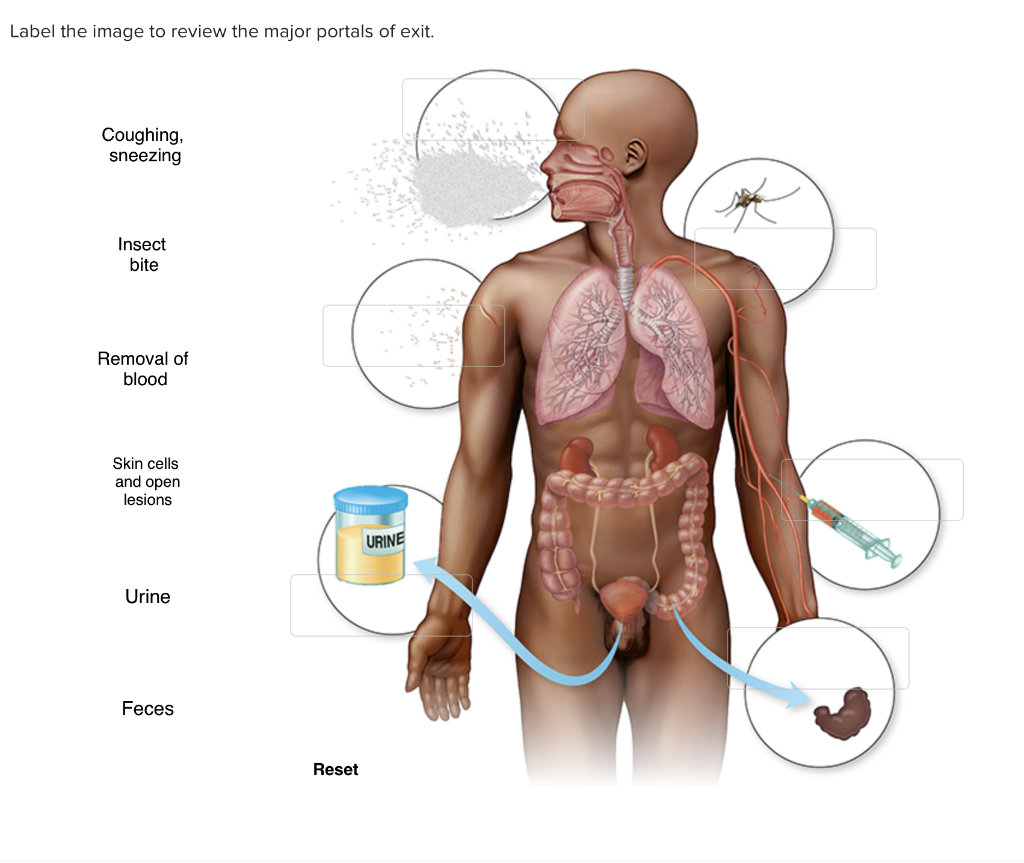
portal of exit (n.)
The route through which a pathogen leaves its host
reservoir (n.)
A place where a pathogen lives, grows, and multiplies, usually a warm, dark, moist place such as a body cavity.

sharps (n.)
Items such as needles, lancets, or blades that can puncture or cut skin

sharps container (n.)
A puncture-resistant, leak-resistant container for safely disposing of sharps

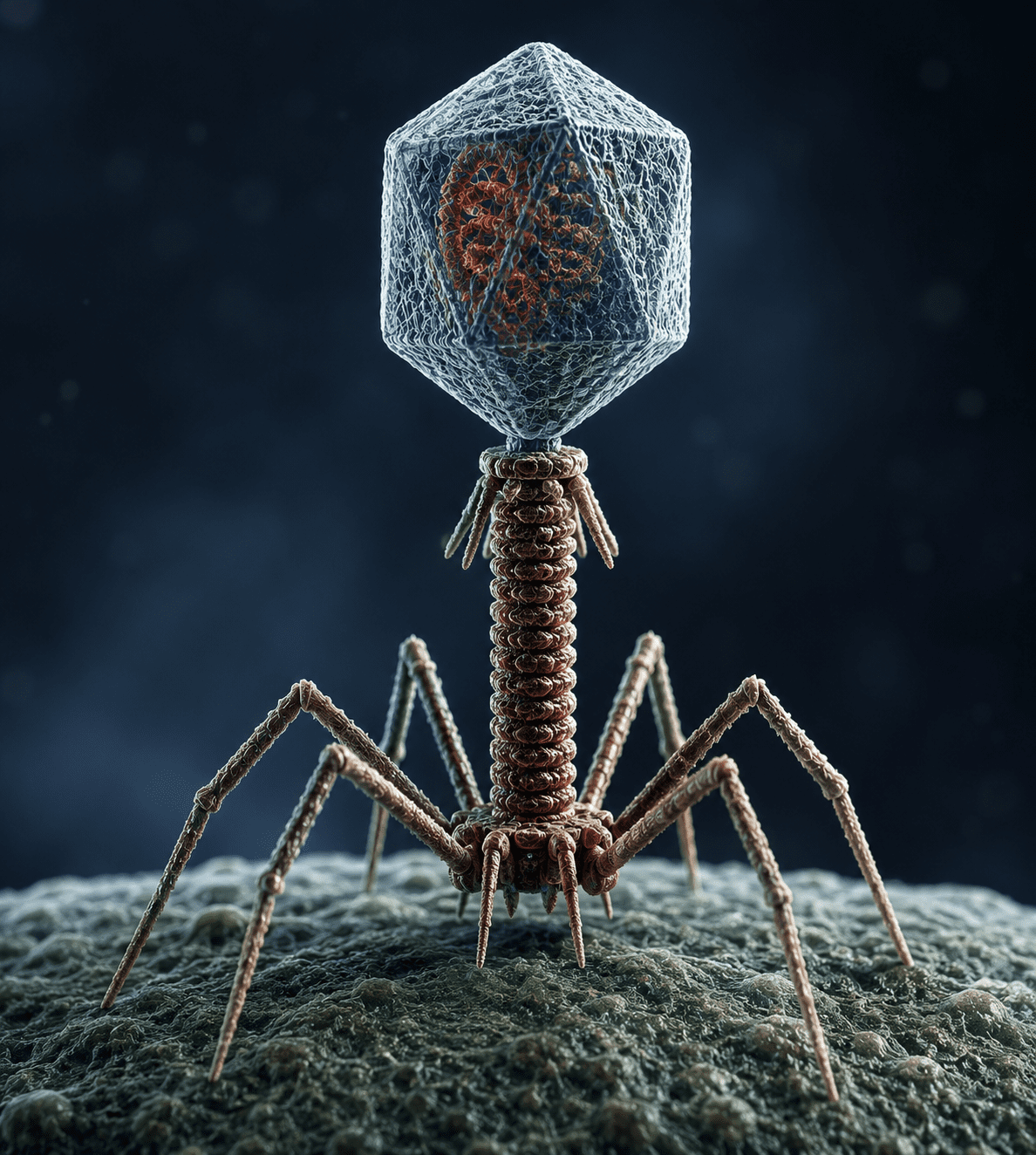
virus (n.)
A tiny infectious agent that reproduces only inside living cells